

Analog Your Life: 10 Steps to Ditching Your Smartphone and Living IRL
How to not spend your one wild and precious life on Instagram
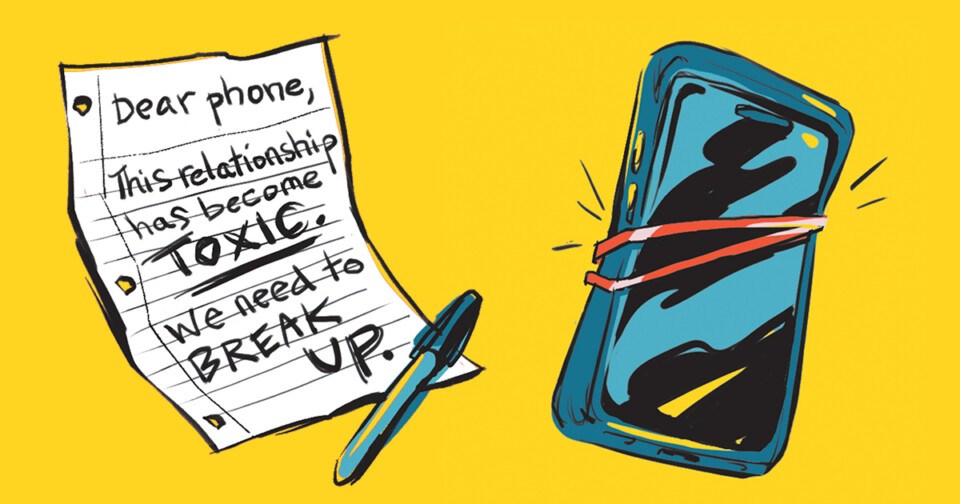
Break up with your smartphone. / Illustrations by James Boyle
Oh, that we could all just rid ourselves entirely of these attention-stealing addiction machines glued to our hands like hard, expensive little appendages! I am myself more likely to absent-mindedly leave behind my wallet, my keys, even occasionally a kid or two than I am my phone, which is rarely more than an inch away from me. Shamefully. And so this is actually a favorite fantasy of mine: Back to house phones, everyone!
Alas, neither time nor tech goes backwards; like $20 burgers and the Kardashians, our smartphones are an immutable fact of modern life. (How the hell else are you going to pay that parking meter, huh?) What doesn’t have to be a fact of life, says Catherine Price — a Philly-based journalist and best-selling author of How to Break Up With Your Phone, The Power of Fun: How to Feel Alive Again, and 2025’s The Amazing Generation: Your Guide to Fun and Freedom in a Screen-Filled World (which she co-wrote with social psychologist Jonathan Haidt) — is the zombie-like dependence and reflexive devotion to which so many of us have succumbed.
Price’s philosophies on the topic are so smart, so guilt-free, and so geared toward her own raison d’être — fun! joy! a life well lived! — that she manages to stand out in the vast and growing sea of thinkers who are writing about digital restraint these days. “It’s not about giving up your phone so much as it is building the relationship you want with it,” she says.
There is more, of course, to say about all of this — and loads of ways to go about doing it.* But for now, you can just start here, with some of Price’s easiest, best tips for a less phone-dependent, more fun existence.

Catherine Price / Photograph by Colin Lenton
1. Quiz yourself.
First, Price advises, ask yourself what you actually want to pay attention to — “because what you pay attention to at any given moment is ultimately a decision about how you’re spending your life, right? And if you don’t know the answer to that question, social media companies and anyone making money by harvesting people’s attention will make that decision for you.” Three hours a day on your phone, she points out, amounts to 45 days a year — almost 20 percent of your waking hours. (And guess what? That’s actually less daily phone time than the majority of Americans cop to.)
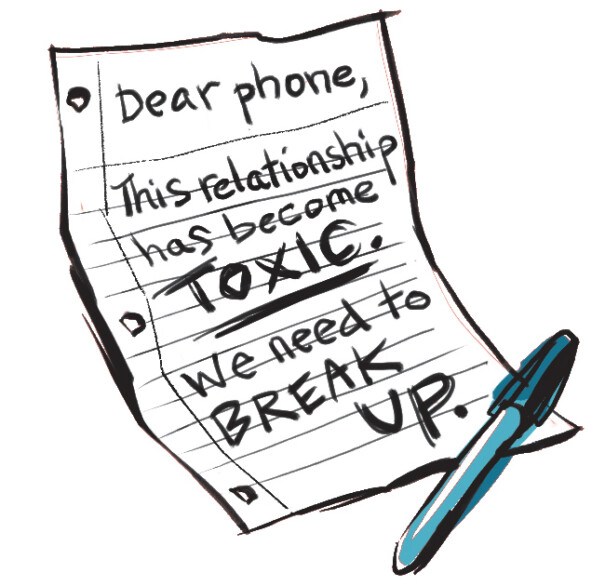
2. Write a breakup letter.
This is how Price’s book opens — with a funny little breakup letter to her phone. In writing it, she says, she realized that “it’s actually really interesting to have people ask ‘Why did I start this relationship, and what do I like about it? What doesn’t feel so good, and what would I change?’ And then finish by describing what sort of relationship with their phone they actually want.” With that philosophical foundation in place, she says, “it’s easier to change your habits because you have a concrete — and positive — goal. The point isn’t to arbitrarily spend less time on your phone; it’s to spend less time on your phone so that you can spend more time on things that matter to you.”
3. Kill your darlings.
Meaning, delete your problem apps. “It’s not like you have to totally get off social media or the news or whatever if you don’t want to,” Price says, “but check them from a desktop. In many cases, on a computer, these apps are a little clunky, and not as sticky.” A good thing, obviously.
4. And make your phone way uglier.
Price’s plain black case covers her phone; her home screen is also just plain, dreary black. There are no apps, no family photos, no signs of life, nothing that says “happy” or “yay!” when she opens it up. To get to an app, she has to pull down a menu screen and type it in. The point of all of this, she says, is to make the phone feel more like a tool — “like a Swiss army knife” — and less like a temptation.
5. Get an app blocker.
Price likes Opal. “I have email, Instagram and Slack blocked,” she says. “I can unblock them, but Opal makes that a pain in the ass, and that little bit of friction makes it much less likely for me to do so.” Brick is also a great option, she says. “It literally stops and has you think, Wait, do I really want to do that?” One enterprising Philly Mag staffer swears by Duolingo, which you can program to block all other apps until you’ve hit your daily language quota. Instead of scrolling? “I’m learning Spanish!”
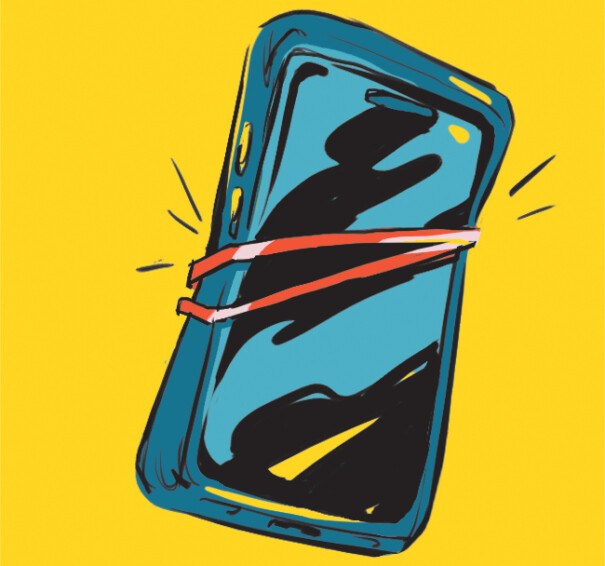
6. And a rubber band.
Putting a band (or hair tie, or sticker) on your phone for a few days works like a speed bump, Price says — a split-second “jolt out of autopilot” that lets you ask yourself if you really need to open your phone right now.
7. Minimize your notifications.
At best, the digital pings — “interruptions” Price calls them — distract you from the moment; at worst, they stress or delight you (that dopamine hit!) — and encourage you to keep picking up the phone. In her book, Price cites a study that showed kids between the ages of 11 and 17 getting a median of 237 notifications a day. “If they were to be spaced out evenly,” she writes, “that’d be nearly 10 interruptions per hour, including while you’re sleeping!”
8. Kick your phone out of your bedroom.
“It’s amazing to me how many people tell me that they finally started charging their phone out of their bedroom and it changed their life,” Price says. She uses a closet as a charging station, but anywhere out of arm’s reach will do. Not only will this curb your scroll-to-sleep habit, but it makes it easier to start the day on your own terms, she says, “rather than having it hijacked by whatever news or notifications might pop up.”
9. Observe a digital Sabbath.
A trial separation period — 24 hours, maybe a full weekend — not only retrains you to fill your time with other things, Price says, but the feel-good effects of the break can last for days afterward. Sound too hard? Start with 12 hours, or even just an evening. And plan ahead: To help her family nix phones some weekends (but not feel totally cut off), Price bought an Ooma, an internet-based “landline.” It costs about $100, and then calls are free. “If you want extra features like call forwarding — useful if you’re trying to take a break from your smartphone but don’t want to miss calls — then it’s about $10 a month extra.”
10. Delight!
Inspired by renowned Philly-based poet Ross Gay and his collection of essays The Book of Delights, Price plays a sort of game with her family and friends: They look for things in the world that bring amusement or joy (“like a cute dog,” Price says, or, recently, “a guy playing a trumpet while riding a unicycle down the Ben Franklin Parkway”). When spotted, you either call it out loud (“Delight!”) or record it — in a notebook, on a slip of paper for a family collection at home, even, yes, in a text chain with friends. The point, Price says, is finding your own non-engineered dopamine hit — and training yourself to look up from your screen and into the world.
Three Smart Buys for an Analog Life
A landline
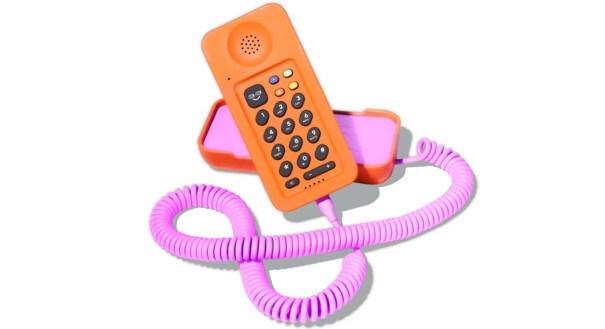
In addition to the Ooma old-school-style landline, Price likes Tin Can ($100), a WiFi-enabled landline aimed at kids, which she says is catching on in her 11-year-old’s social circles. “They all have each other’s numbers” and call to gab, she says. Just like we used to!
An alarm clock
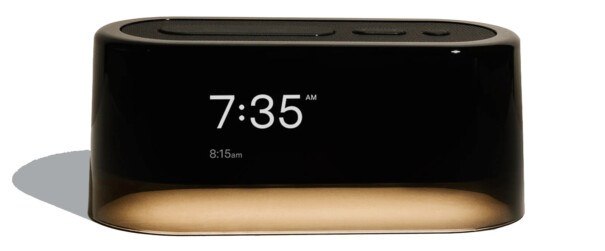
You’ll find no shortage out there of high-tech options that rival or even beat some of those nifty features on your phone, including the New York Times–endorsed Loftie ($120), which eases you into wakefulness with gentle light and soft, programmable sounds. Don’t care about the bells and whistles? One (deeply near-sighted) PM editor swears by the $15 DreamSky — a simple clock with giant, super-readable numbers.
A camera
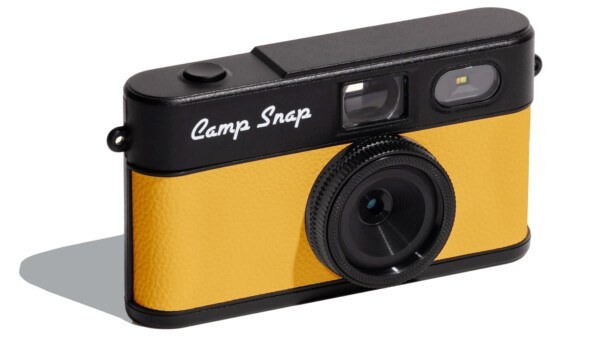
The cute little Camp Snap ($70) takes “surprisingly high-quality” digital pics, Price says, “without a screen to distract from the moment.”
*See here, as well as catherineprice.com for Price’s TED Talk, online phone breakup courses, and free starter kits. You can also subscribe to her Substack, How to Feel Alive.
>> Click here to return to Analog Your Life: A Philadelphian’s Guide
Published as “Analog Your Life: Staring With Your Phone” in the September 2026 issue of Philadelphia magazine.