
After Cancer Left Her Feeling Alone, This Philly Woman Built a Place Where Others Could Feel Seen
People assume the hardest part of cancer is treatment.
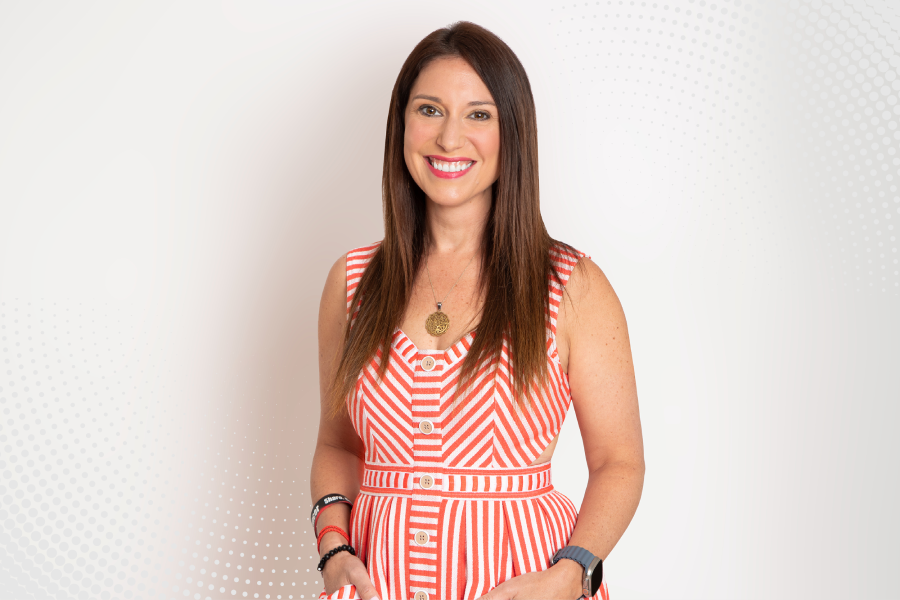
For Jenna Benn Shersher, it was everything that came after.
Diagnosed in her 20s with a rare form of lymphoma that had fewer than 200 documented cases at the time, Jenna spent months navigating treatment, isolation, and uncertainty. Because her immune system was compromised, she was often cut off from the people and activities that had once filled her life.
“There wasn’t really anyone for me to connect with that looked like me that could say, ‘You’re going to be okay,'” she says.
So, to stay connected, Jenna started a blog.
At first, it was a practical way to share updates with family and friends in Philadelphia while she underwent treatment. Instead of repeating difficult conversations, she could share her experience in one place.
But the blog quickly became something more.
What began as a way to keep family informed became something Jenna herself needed: proof she wasn’t alone.
As Jenna wrote openly about the fear, vulnerability, and uncertainty that came with her diagnosis, readers outside her family and friends started reading. They began sharing their own stories with her.
“It turned into this beautiful exchange,” she says.
What Jenna discovered was that people didn’t just want information about what it’s like to undergo treatment. They wanted to connect with someone who understood the weight they were carrying. As she shared her own fears and uncertainty, others felt permission to share theirs as well.
The response showed her that people needed a safe space to talk honestly about what they were experiencing, not just during treatment, but afterward as well.
She took that realization and turned it into Twist Out Cancer.
Twist Out Cancer helps people affected by the disease process their experiences through storytelling and art.
Through its signature Brushes With Cancer program, people affected by cancer—including patients, survivors, caregivers, and loved ones—are paired with artists who spend months getting to know their stories before creating original works inspired by their experiences.
“I remember looking in the mirror and not recognizing the person looking back at me,” she says. “I had lost all my hair. I had lost a lot of weight. I didn’t identify with that person anymore.”
The program offers cancer patients a chance to see themselves through someone else’s eyes, often rediscovering parts of themselves they thought they’d lost.
When participants see their journey reflected through someone else’s eyes, Jenna says, they often gain a new perspective on experiences that once felt overwhelming, painful, or defining.
“Something that feels really hard can suddenly be seen as something really beautiful,” she says.
The need for that kind of connection doesn’t disappear when treatment ends.
In many ways, Jenna says, survivorship brings its own challenges.
After spending months focused on appointments, treatment plans, and survival, many people are left wondering what comes next.
Jenna understands that feeling firsthand.
Shortly after her own treatment ended, people began asking whether she would continue writing about her experience.
“They’d say, ‘Oh, your story’s kind of done now. That chapter’s done,'” she recalls.
But Jenna saw things differently.
Cancer wasn’t a closed chapter. It was an experience that would continue to shape the rest of her story.
She’s seen that realization play out countless times through Twist Out Cancer.
One participant, a young cancer survivor named Roey, struggled to talk openly about his diagnosis. Through Brushes With Cancer, he was paired with artist Danny Cohen. Over months of conversation, Roey began sharing parts of his experience he had previously kept to himself.
The two developed a lasting friendship. Years later, Cohen officiated Roey’s wedding.
For Jenna, it’s a powerful example of what can happen when people are given permission to share what they’re carrying.
“We create what we call unexpected intersections,” she says.
Those unexpected intersections create not only art, but opportunities for deeper conversations.
“There’s such power in healing and in sharing your story,” she says.
It doesn’t require sharing your story with the world. Sometimes, it starts with one trusted person willing to listen.
This article is part of The Caring Collective, presented by Independence Blue Cross, spotlighting the people, organizations, and everyday acts of kindness that help strengthen communities throughout Greater Philadelphia.
This is a paid partnership between Independence Blue Cross and Philadelphia Magazine