7 Easy Ways to Add More Fiber to Your Diet
Because fiber needs the PR glow-up that protein has had.
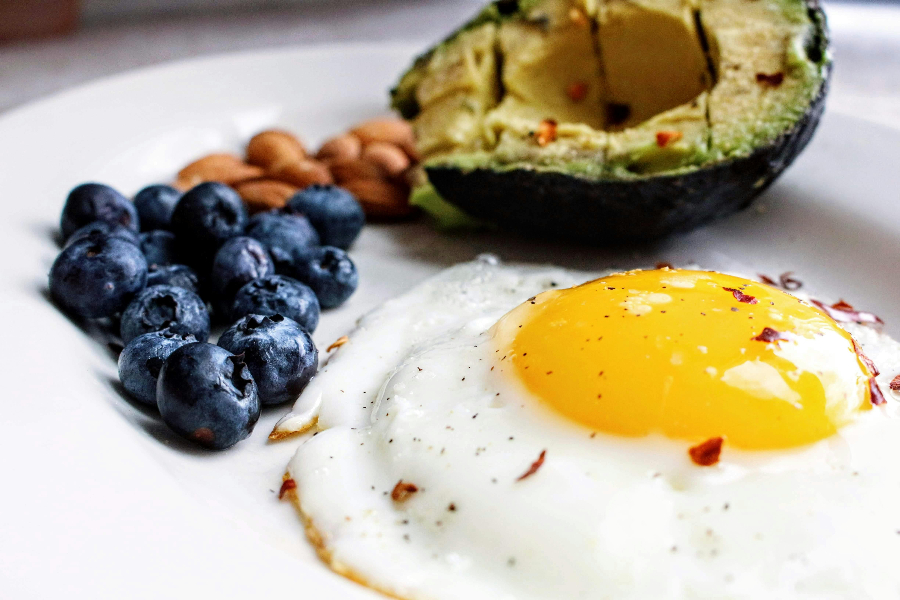
A fiber-rich breakfast / Photograph by Jenna Hamra
When it comes to food, protein gets a lot of hype. The macronutrient, responsible for things like building and repairing muscles, and boosting metabolism, has been added to everything from pancakes and popcorn to ice cream and coffee. (Morning muscle milk, anyone?)
Though protein is a major player for the human diet, most of us are already eating plenty of it. (Adults in the U.S. are consuming about 20 percent more protein than what’s recommended.)
Since we all know how important it is in our diets, it’s time to shift some attention to another nutrient that could use some love: fiber.
Most people don’t get enough fiber, a type of carbohydrate found mainly in vegetables, fruits, whole grains, legumes, nuts, and seeds. According to national health recommendations, women and men under 50 years old should be consuming 25 and 38 grams of fiber daily, respectively. But in reality, we average only about 16 grams per day. This is a big problem, because fiber is indispensable to optimal wellness.
“Fiber is essential for digestive health — it keeps the digestive tract moving smoothly and aids in bowel regularity,” says Stacey Woodson, a registered dietitian nutritionist based in West Philly. “It also helps keep blood sugar levels steady so we maintain balanced energy throughout the day. It may also protect your heart by managing healthy cholesterol levels, while creating that satisfied feeling after meals that naturally supports weight management.”
To help you boost your fiber intake, we turned to four Philly food experts — from dietitians to a lifestyle medicine doc — for their ideas about how to get more of this vital nutrient into our diet.
1. Eat the skin of your vegetables. You can boost your fiber intake by consuming the skin on vegetables like cucumbers, potatoes, and zucchini, says Charlie Seltzer, a Center City-based doctor with certs in obesity medicine and internal medicine. Up to 31 percent of these veggies’ total amount of fiber are found in the skin!
2. Add avocado where you can. “Half an avocado provides three grams of fiber, plus healthy fats and antioxidants,” says Theresa Shank, a licensed registered dietitian and founder of Philly Dietitian. She recommends adding avocado to eggs, salads, or grain bowls to balance protein and fiber in one meal.
3. Lean on beans and legumes. A half-cup of beans has about one-fourth of the recommended daily amount of fiber, says Isabel Vasquez Larson, lead dietitian at Your Latina Nutrition, a Philly nutrition service. Shank adds that incorporating beans (like black, kidney, and pinto) and legumes (think lentils, edamame, and chickpeas) into your favorite dishes (tacos, salads, and chili) and adding them to pastas and pizza crusts are easy ways to make a big impact. Bonus: Beans and legumes are high in protein, so they pack a double punch.
4. Choose your fruits wisely. Fiber content varies widely among fruits, says Seltzer. Blackberries, raspberries, guava, and kiwi are loaded with fiber, for example, while watermelon, grapes, plums, and cantaloupe contain a lot less. So, do some research and find the right mix for your diet.
5. Make frozen food your friend. Vasquez Larson reminds us that frozen fruits and veggies are as nutritious as fresh (and rarely go bad before you get a chance to eat them, the way fresh food can). Add frozen spinach to pasta sauces and frozen fruit to smoothies or yogurt bowls.
6. Know your fibers. There are two types of fiber — soluble and insoluble — and both play important roles, Shank explains. “Soluble fiber dissolves in water and forms a gel-like substance in the digestive tract. It then gets fermented by gut bacteria, which helps lower cholesterol, stabilize blood sugar, support heart health, and aid in weight management. Insoluble fiber, on the other hand, doesn’t dissolve in water and largely passes through the digestive system intact. Its main role is to add bulk to stool and help move waste through the digestive tract, which supports regularity and helps prevent constipation and diverticular disease.”
When it comes to soluble fiber, Shank recommends stirring a small spoonful of chia seeds into water with lemon to support digestion and fullness. Other natural sources of soluble fiber, like psyllium husk or ground flaxseeds, can be added to oatmeal or soups, she says.
For insoluble, Woodson recommends eating leafy greens (great in salads and smoothies), almonds and walnuts (snack time!), and apples and pears with their skin left on.
7. Supplements might help. When it comes to diet, all our experts agree it’s best to use a food-first approach. Still, supplements “can be a useful tool if you struggle to eat enough fiber,” Vasquez Larson says. But keep in mind that supplements are not one-size-fits-all. Shank recommends consulting your doctor, nutritionist, or dietitian to know whether a fiber supplement would benefit you. In some cases, she says, they may worsen constipation, especially if you’re not drinking enough fluids or have an inflamed or “leaky” gut lining.
If you’re cleared to try a supplement, Seltzer is a fan of psyllium husk powder. Even though some people find its texture off-putting, he says, it’s a “health powerhouse,” with one teaspoon containing four grams of fiber.