The Analog Guide to Going Out in Philly
Cities aren’t meant to be consumed through earbuds and algorithms. A field guide to doing Philly IRL — with paper maps, real menus, cash, wandering, and other people.
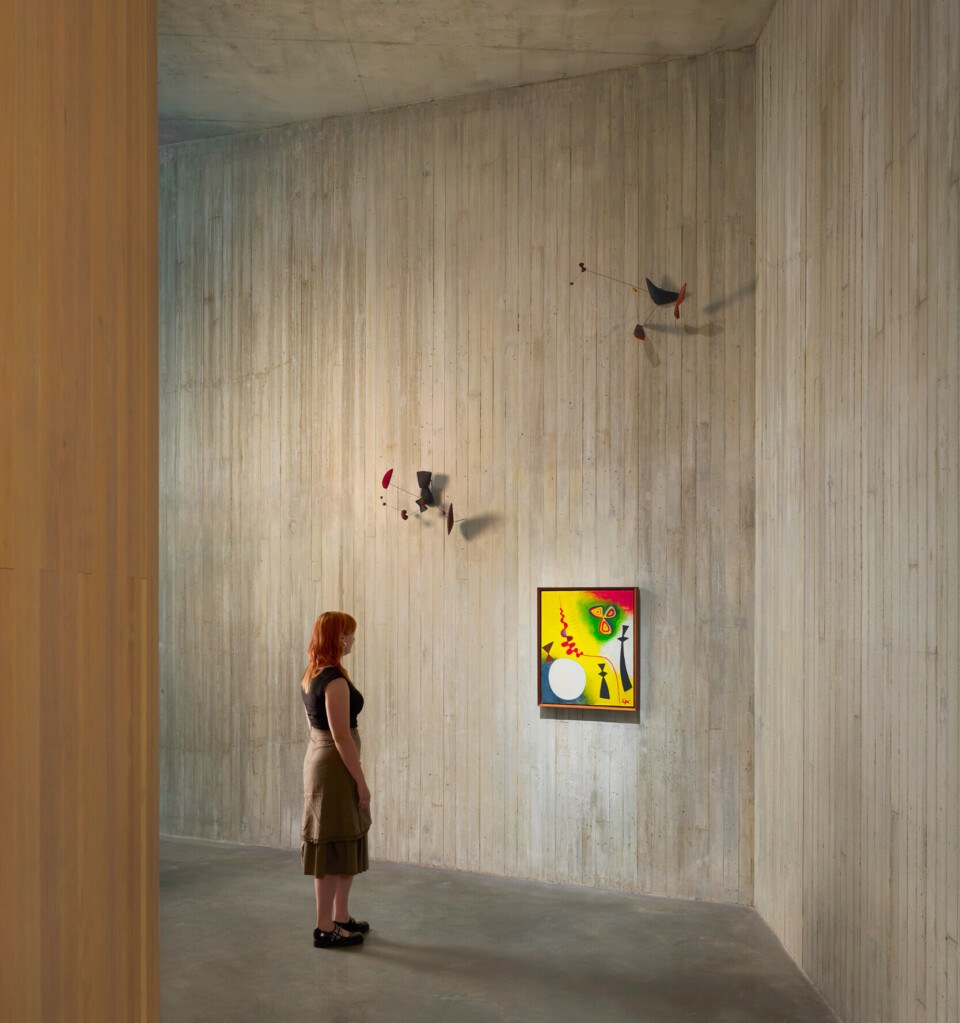
Going analog in Philly: Calder Gardens / Photograph by Tom Powel Imaging for Calder Gardens. Artwork by Alexander Calder © 2026 Calder Foundation, New York/Artists Rights Society (ARS), New York
I’m a twentysomething who feels lucky to live in one of the most dynamic, interesting cities on the planet, alongside 1.57 million others who are lucky to reside here too. I actually want to connect with and be present in this place I call home, but still sometimes go 24 hours or more without speaking to another human or feeling like I’m a part of any ecosystem outside of my own … while also feeling regularly aggrieved by the hassles that come with the solitary tech “efficiency” that permeates every part of the city. Here’s what I want more of: Wandering my way into a coffee shop I’ve never visited. Not worrying if my phone is charged before I go out. Eye contact with fellow citizens. Mental quiet in the midst of a bustling city. Someone else ringing up my orders. The pleasure of looking up and realizing I’ve never noticed that gargoyle, mural, or pocket park before. You know: the real-life magic that drew me in in the first place. You too? Here, some hacks to help. — Shaunice Ajiwe
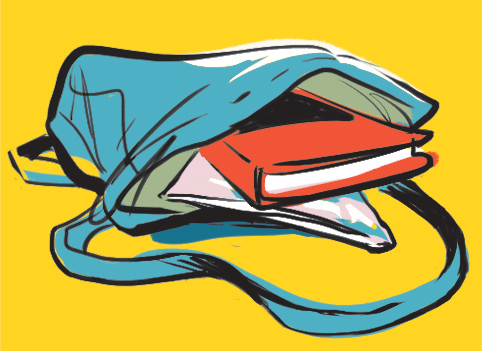
A.B.A.B. (always bring a book, or — ahem — a magazine).
This helps curb doomscrolling and reflexive phone fiddling through every down moment outside the house. Prepare to stand out: In 2023, the National Endowment for the Arts noted that only 48 percent of Americans reported reading a single book over a 12-month span; just this July, The Atlantic declared that “the end of reading is here!” All of which might actually add to the draw of public reading (if you’ve not seen “Hot Dudes Reading” on Instagram, well, there’s a reason the account has 1.3 million followers). Print is back, baby!
Reconnect to restaurants.
Eating out? Skip the QR code and ask for a real menu. (Because nothing says “shared meal” like everyone staring at their own phone, eh?) Ordering takeout? Whenever you can, bypass DoorDash, Grubhub, and Uber Eats and call the restaurant directly — or order through its own website — and pick up the order yourself. The restaurant keeps more of your money instead of sharing part of it with a middleman, and you’ll often dodge a pile of extra fees yourself. If you do decide to use Uber Eats, opt to decline the robot delivery option on the app. Philly’s sidewalks belong to people, not blinking little coolers on wheels — and the best way to keep them from multiplying is simple: Don’t summon them.
Get over your self-checkouts.
Self-checkout is supposed to be faster. It’s also supposed to work, which it often doesn’t (especially at understaffed stores where it’s hard to find an overworked employee to fix register meltdowns). But at your neighborhood market, bodega, independent pharmacy — even Trader Joe’s, FWIW — real, live cashiers still ring you up. And sometimes they even ask how you’re doing! Psychologists have found that these tiny interactions with cashiers, baristas, pharmacists, and other familiar strangers — “weak ties,” researchers call them — make us happier, less lonely, and more connected to our communities. And hearing “Have a good day” is better for your soul than hearing “Unexpected item in the bagging area.”
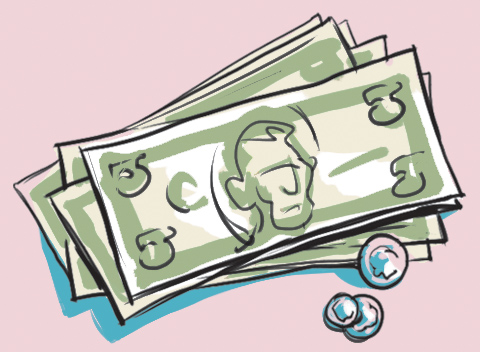
Bring cash.
Handing someone a $20 bill instead of waving your phone over a scanner slows you down just enough to make eye contact, exchange a few words, maybe even become a familiar face. It can also save you money (you’re more aware of your spending) and time (no fiddling with receipts and starting tabs at bars).
Skip the ticket-app trap.
Put a little people power back into the experience of attending a concert, ballgame, or show by not downloading yet another app, resetting yet another password, and praying your phone has enough battery to get you through the gate. Many Philly venues still make it refreshingly easy to buy from an actual human. At the Mann, you can order by phone or at the box office and pick up physical will-call tickets. Live Nation venues — including the Fillmore, Brooklyn Bowl, and Punch Line — also offer will-call. The Kimmel, Citizens Bank Park, and Xfinity Mobile Arena also have real people you can call or visit to buy tickets. Some will send them to your email, a quaint convenience from yesteryear that’s not entirely analog, but it’s a whole lot less app-alog — and you don’t need a degree in computer science to find your tickets.
Ditch the ride-sharing.
Between surcharges, unpredictable wait times, and pitiful payment for drivers, why feed this beast? Instead, join your fellow man by using SEPTA ($2.90 per ride versus $12 or more), riding a bike, or enjoying a nice walk to your destination. You take in more this way. And Philly wasn’t just named the number one most walkable city by USA Today for nothing.
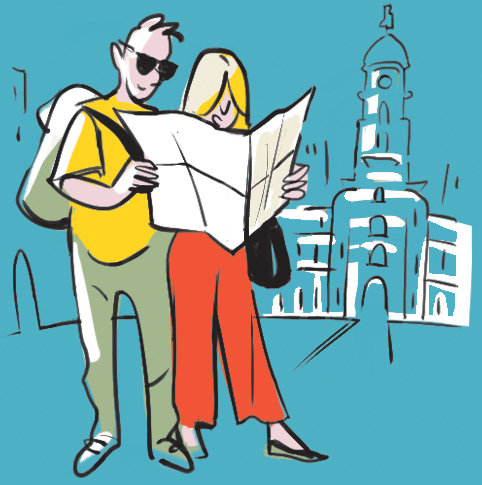
On foot? Use a paper map.
Google Maps is right there, obviously, but hear me out. First, it’s just better etiquette to not stare at your phone, droid-like and drifting, while walking on a public sidewalk. Second, even when you tell it not to, your phone still creepily stores your location data. Finally, a 2024 study in the Journal of Environmental Psychology found that people who rely on GPS develop a poorer sense of direction than those who wayfind using their own observations and memory. “I feel like I can navigate around the city better,” says Maddy Posner, Swarthmore student and member of the Philly Luddite Club. And hey, when your phone dies, the map still works. Get free Philly maps at the Independence Visitor Center or 30th Street Station, or buy one at Barnes & Noble or just about any local gift shop.
How to Find Your People
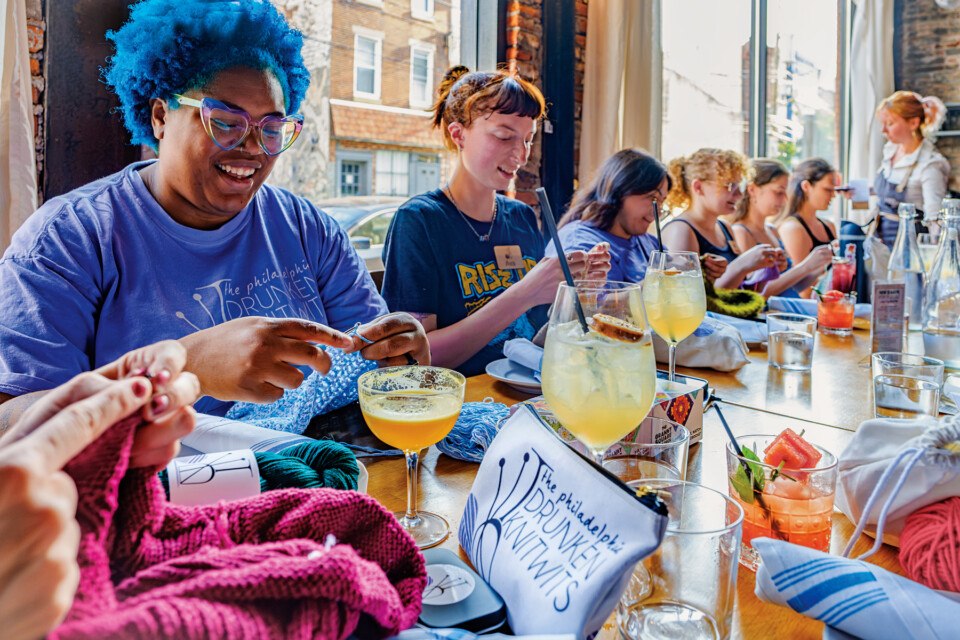
Drunken Knitwits at Emmy Squared in Queen Village. / Photograph by Jeff Fusco
Because everything is easier with friends.
Philly Luddite Club
This college student–led club (open to adults 18 to 25) promotes intentional technology use and offline connection. Member Maddy Posner says joining the group and going to events like New York’s Summer of Ludd — a festival arranged around fun and panels (on, say, how to date offline, or how to organize against data centers) — have helped her have a “more intentional relationship with the online and the offline.”
Cocktails & Crafts
Dominique Clark started hosting craft nights in her living room when she moved to Philly from North Carolina; they quickly grew. Since April 2025, she’s hosted nearly two dozen craft-making events geared toward Black women at Center City bar Strangelove’s. Everyone, Clark says, is creative. “You just didn’t know it until you exercise that part of your brain.”
Philadelphia Public Typewriter Program
This program, run by the repair shop/store/museum Philly Typewriter, put 65 typewriters in libraries and other public spaces for folks to use, which is cool — but they also host events. (Poetry workshops! Comedy nights!) “Our work is not just typewriter restoration,” says Bill Rhoda, co-owner and store manager. “It’s the restoration of the human soul.” 1735 East Passyunk Avenue, East Passyunk.
Drunken Knitwits
An offshoot of a group from Oxford, England, Philly’s Knitwits meet weekly to drink, yap, and work on fiber arts projects. “Nothing keeps you off your phone more reliably than having both hands very busy,” says Philly founder Allison Covey.
Dessert Before Dinner
Founder Madison Seidel’s goal is to take people from “URL to IRL.” Her group hosts a variety of meetups — walks, small-business pop-ups, BYO craft nights — for folks seeking more connections in their lives.
Walk Around Philadelphia
Twice a year, this group spends four weekends walking the perimeter of the city. People often “make a new friend or learn a new cool thing,” says founder — and renowned mural artist — JJ Tiziou. — Courtney DuChene
How to Reclaim Some Fun
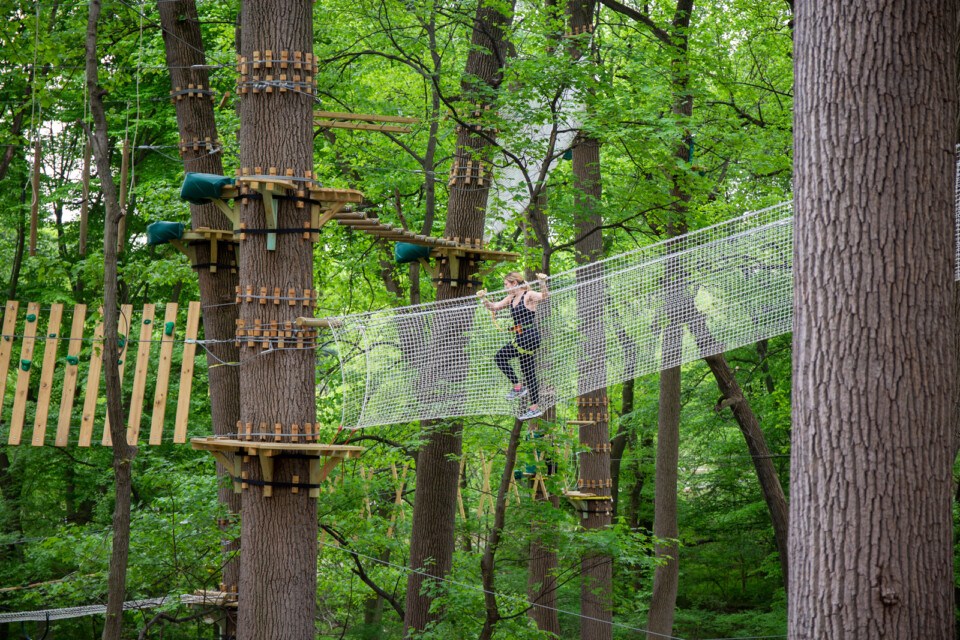
Treetop Quest / Photograph by C. Smyth for Visit Philadelphia
The dictionary definition of fun is “lighthearted amusement or enjoyment.” But that doesn’t capture the deep joy — and meaning — that comes through when I ask people to tell me stories from their lives that stand out to them as fun. After gathering thousands of stories from people around the world, I came up with a new definition — namely, that true fun is the confluence of playfulness (a lighthearted attitude), connection (a special, shared experience), and flow (active engagement and full presence, often to the point where you lose track of time). Want more of that in your life? (Yes, you do!) Think about the last time you felt all of that, and ask yourself: What is it I liked about it? If you were hiking, was it being in nature? The physical exertion? The togetherness, or the solitude? These attributes are your “fun factors” — and you can use them to figure out new things to do and try in and around Philly … starting with this little cheat sheet.
The fun factor: Nature
The fun: Treetop Quest is an aerial obstacle and exhilarating zip line course in which you climb and zoom and rope-walk your way through the lush woods of Fairmount Park.
The fun factor: Music
The fun: Mister John’s Music offers group music classes for adults who want to learn to play an instrument or sing. Low-pressure, lively, BYOB … and known for forming friendships.
The fun factor: Sports
The fun: Heyday Athletic boasts co-ed adult leagues for kickball, pickleball, bocce, broomball, cornhole, and more. “The most hilarious part of my week,” raves one fortysomething Heyday softballer.
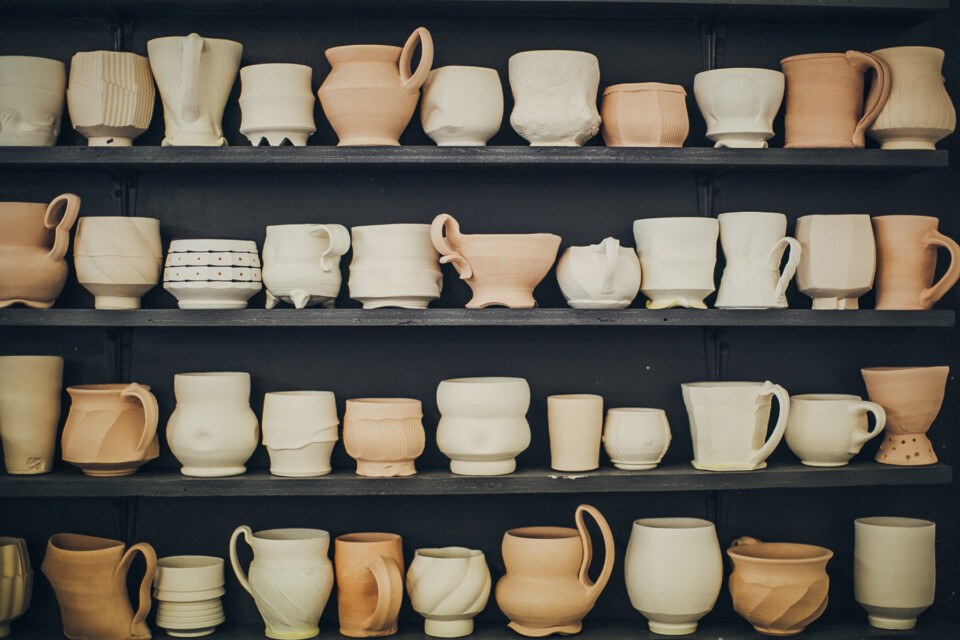
The Clay Studio / Photograph by N. Santos for Visit Philadelphia
The fun factor: Creativity
The fun: Take classes at The Clay Studio for wheel-throwing and handbuilding, or do a one-and-done “date night” option wherein couples (and singles) get a crash course, plus drinks and snacks.
The fun factor: Performance
The fun: At Philly Improv Theater, opt for a one-time workshop or do the eight-week class, which wraps up with an optional showcase finale.
The fun factor: Food
The fun: Try the pasta-making classes at Midnight Pasta, where you (and your crew, if you want) make pasta and then eat it, family-style, along with focaccia, sides, and dessert.
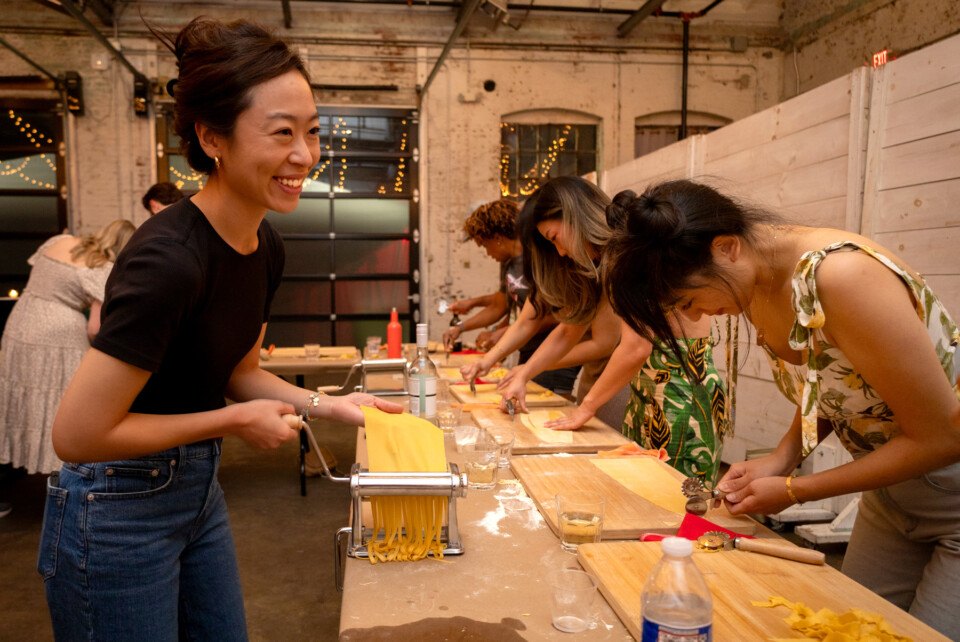
Midnight Pasta / Photograph by Billy Riddle
The fun factor: Challenges
The fun: At Beat the Bomb, you and your pals must make your way through a series of game rooms before time runs out and you get slimed, foamed, or paint-bombed. Good luck!
The fun factor: Dance
The fun: Walker Ballroom Dance has beginner-friendly classes and private lessons in ballroom and Latin dance and West Coast Swing — and they’re all a hoot.
The fun factor: Intellectual Stimulation
The fun: Philly History Pop Ups is the brainchild of Cara Schneider Bongiorno, former Visit Philly media maven and lifelong Philadelphian who offers visits on a pop-up basis and by request, telling little-known stories about fascinating historic Philly moments. (A great addition to a dinner party.)
* Wait, there’s more! Find your own fun factors with the free Philly Mag Fun Factor Quiz at catherineprice.com/fun. — Catherine Price
Illustrations by James Boyle
>> Click here to return to Analog Your Life: A Philadelphian’s Guide
Published as “Analog Your Life: Out and About” in the September 2026 issue of Philadelphia magazine.