
Philly Fromage Expert Emilia D’Albero Explains How to Live Your Best Cheese Life
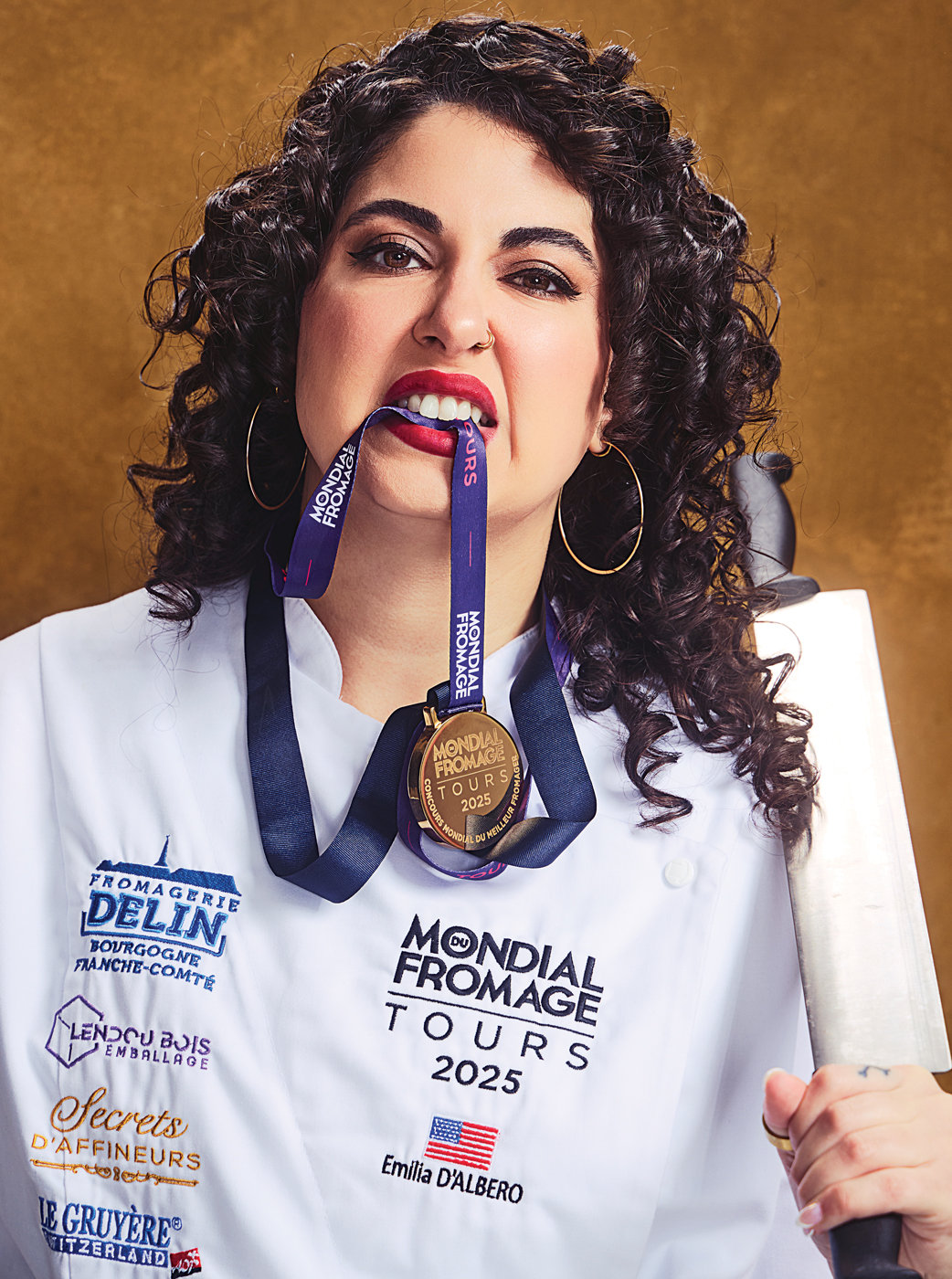
Cheesemonger Olympics gold medalist Emilia D’Albero / Photograph by Stevie Chris
South Philly’s own Emilia D’Albero recently became the first American ever to win a gold medal at the Cheesemonger Olympics in France. Here, she talks Cooper Sharp, living in Point Breeze, and the one huge mistake you’re making with your pecorino.
I was named after … my great-grandmother, who came over on the boat from Italy when she was a teenager.
My job is … spreading knowledge and passion for cheese. I handle sales and marketing for a company that sells cheese packaging and storage and tools.
One cheese I do not like is … industrial-produced Brie that has the rind sprayed on and tastes how I imagine diaper to taste.
The stinkiest cheese you can eat is … Foxglove from Tulip Tree Creamery.
When I want to relax … I watch any hospital TV show. I love watching stressful situations on TV. Watching stressful situations somehow makes me feel less stressed.
My partner, Tommy, is … also a champion cheesemonger, and he is the category manager of cheese and charcuterie for DiBruno’s.
When I was a kid, I wanted to grow up to be … a marine biologist, but it turned out that science wasn’t my strong suit.
I became a cheesemonger by … accident. I was working for Eataly corporate in New York and wanted to become a butcher, and they told me to start on the cheese counter and learn some knife skills. Then I fell in love with cheese, and that was eight years ago.
When I am not thinking about cheese, I am … playing with our dog, Bruna Alpina, named after a brown Swiss dairy cow breed.
A cheesemonger is … someone who specializes in the sale of cheese, butter and other dairy products. But we also tell the stories of the cheese and represent the producers and connect customers with their favorite cheeses. We are stewards and educators.
If you ask me to play Fuck, Marry, Kill with Cooper Sharp, Cheez Whiz, and provolone, I would … kill Cheez Whiz, obviously. I’d marry provolone. And I would absolutely fuck Cooper Sharp. I’m such a Cooper Sharp girl. It’s the only cheese I always have in my fridge.
The most expensive cheese I have encountered is … a Smeraldo white truffle pecorino for around $100 per pound.
People like cheese so much because … there is a cheese for every palate, and also, cheese is a taste of the moment in history when it was made and the place where it was made. Every cheese tells a different story.
If you want me to talk about something other than cheese, you should probably ask me about … sharks or 2000–2010 emo music.

Emilia D’Albero wins the gold medal earlier this year (photo by Alexandre Alloul)
One cheese you should consider for a holiday gift is … Gruyère Alpage, a raw cow’s milk cheese made at a super high elevation in Switzerland. The cows eat such a lush mix of grasses, flowers, and herbs. It comes from a tradition that has lasted hundreds and hundreds of years. And it’s very labor intensive keeping this tradition alive.
The best cheese for a grilled cheese is … Comté, a younger profile but still with that oniony, savory note, and it melts well.
I celebrated my big win by … traveling through France and Italy with my partner, my best friend, and my boss – and eating more cheese.
If you want to try making cheese at home, I would start with … not doing it. Leave the cheese to the professionals. Seriously.
One mistake most people make with cheese is … wrapping it in plastic wrap. That suffocates your cheese and makes it mold faster. Also, buying too much cheese all at once. The key is buying less cheese more often.
The most beautiful space in Philadelphia is … Suraya. Whenever someone visits me, I take them there. And their brunch is unreal.
Living in Point Breeze is … better than I ever dreamed it could be. My quality of life is one I never thought I would have.
On New Year’s Eve, you will find me … dipping nontraditional things into a very high-quality fondue.
The second-best food to cheese is … steak.
A local cheesemaker you should visit is … Birchrun Hills Farm and Perrystead Dairy.
I probably shouldn’t tell you this, but … I love eating puffy Cheetos. As a cheese professional, that feels sinful.
Published as “One of Us: Emilia D’Albero” in the December 2025/January 2026 issue of Philadelphia magazine.
Everything You Need to Know About Pine Street Grill’s Surprise Opening

Dishes at Pine Street Grill / Photograph by Bre Furlong
Howdy, buckaroos! And welcome back to the weekly Foobooz food news round-up. With the holidays upon us, you’d think that things would be slowing down in restaurant world, but we’ve got lots of big news happening this week, including (but not limited to) Amanda Shulman and Alex Kemp’s new restaurant, a coffee shop for the Navy Yard, high-end Mexican in Market East, last-minute gift ideas, and a big Dry January event for all you N/A cocktail fans out there. So let’s get right into it, shall we? We’ll start things off this week with …
Pine Street Grill’s Surprise Opening
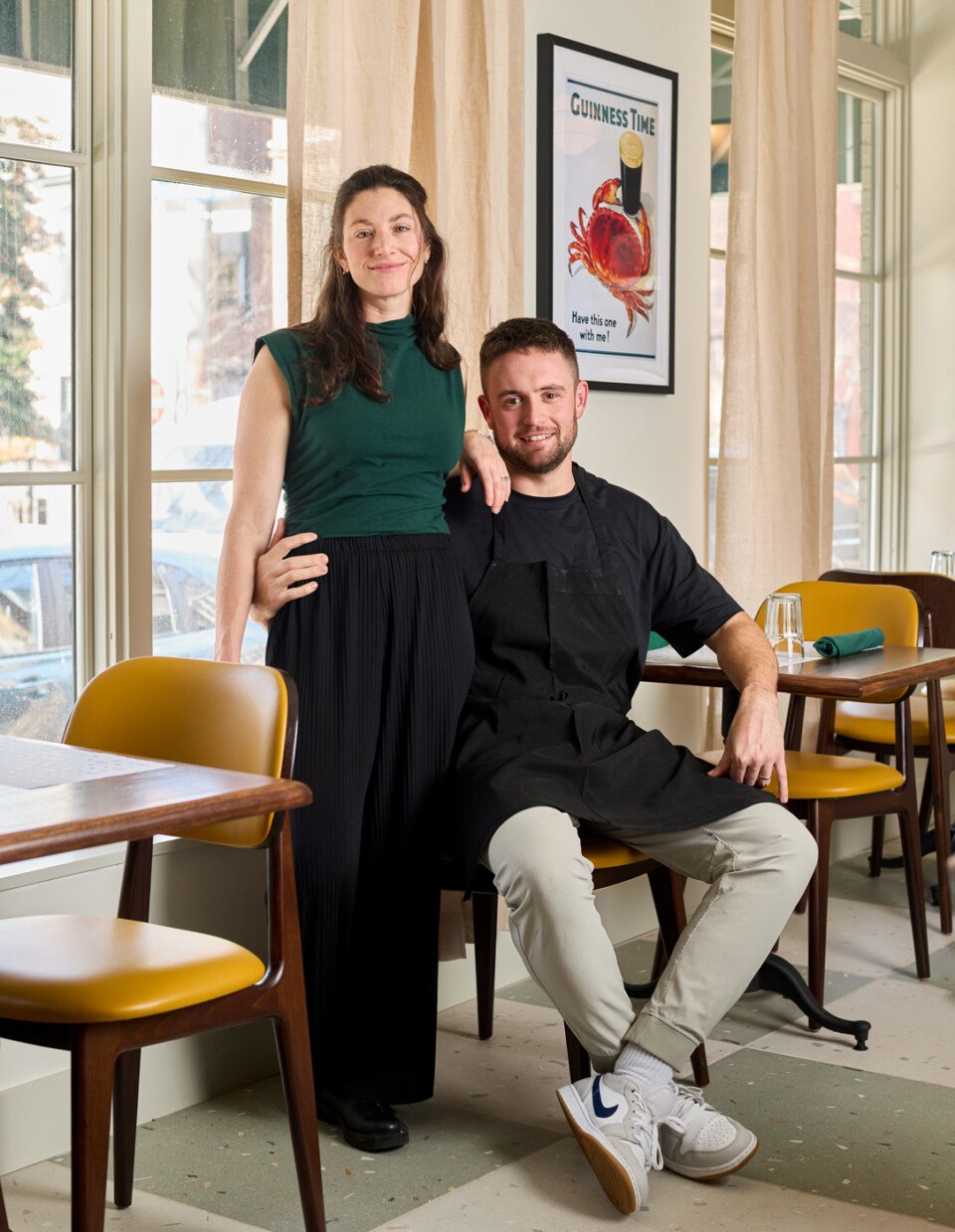
Pine Street Grill-co-owners Amanda Shulman and Alex Kemp / Photograph by Bre Furlong
It was way back in July when we first heard the name Pine Street Grill. The sun was shining, the birds were singing, and we got tipped off (courtesy of some internet sleuthing) that chefs Amanda Shulman and Alex Kemp were sniffing around Fitler Square for a third location, looking to capitalize on the twin successes of Her Place Supper Club and My Loup.
They had a space (the old Dmitri’s at 2227 Pine Street) and they had a name — Pine Street Grill — but back in July, that was pretty much all we knew. And up until about a week ago, we didn’t really have any additional details other than it was going to be an American-style neighborhood spot with a bar and lots of seats held out for walk-ins.
Then, a few days ago (and just weeks after Her Place brought home a Michelin star for Philly), Pine Street Grill opened. I mean, I’m sure it looked different from behind the curtain, but out here in the world, Pine Street just popped into existence, fully formed and ready to serve.
“Join us for a burger and a beer, a rotisserie chicken, a familiar eggplant parm, wings or a salad,” the team said on Instagram. “Bring your babies. Come watch the game. We’ll soon be open every day but Tuesday but have a few funky days while we get our footing and celebrate the holidays. We are so proud of our team and can’t wait to show you what we’ve been working on. Cheers!”
Reservations are available, but half the tables are reserved for neighbors and walk-ins (a new-ish trend in our suddenly-reservations-starved city that I am a big fan of). The menu is straightforward, comforting, and approachable. There are mortadella-stuffed cherry peppers and chicken nuggets with buttermilk ranch, shrimp Louie and soft pretzels with mustard hollandaise. You can have wings or a half rotisserie chicken with gravy, a double-decker smashburger with a side of house mac and cheese, matzah ball soup or acorn squash stuffed fondue, all of it done with the kind of attention to detail that Shulman, Kemp, and their team (including chef de cuisine Jonathan Rodriguez) lavish on everything. There’s a happy hour program with $8 small plates and $10 glasses of red, a kids’ menu, and late-night burger-and-a-beer specials for the adults: $20 for a pint and the house PSG burger with two dry-aged patties, Cooper Sharp, and onion on a seeded milk bun.
Pine Street was open Monday, closed on Tuesday, and is coming back today at 4 p.m. for happy hour. You can make reservations or, you know, just walk right on in if you’re feeling lucky.
Now what else is happening this week …
Hanukkah at Famous 4th Street

Latkes at 4th Street Deli / Photograph by Gab Bonghi
Speaking of Michelin restaurants, Famous 4th Street Delicatessen, the 100-year-old Jewish deli which scored a Bib Gourmand nod at last month’s Michelin ceremony, is right in the middle of its big Hanukkah prix-fixe.
It started on Sunday, December 14th and will run through the 22nd. Included in the multi-course spread are chopped liver with onions served on challah, kreplach dumplings, potato latkes with applesauce and sour cream, herb-roasted chicken or beef brisket, roasted green beans with herb butter, and an assortment of sweet rugelach and sufganiyot for dessert. Best thing about this dinner? They’re letting it go for $39 per person, dine-in or take-out, which is a great deal. Second-best thing? For $155 they’ll set up a whole to-go Hanukkah dinner kit for four people, available for pickup or delivery right here.
Coffee and Wine in the Navy Yard

Happy Bear Coffee rendering by RHJ Associates
The Navy Yard is in the process of turning itself into a destination — a mixed-use retail/residential/service community with a multi-year plan to bring in apartments, shops, restaurants, and everything else a redeveloping neighborhood needs.
One of those necessary things? A coffee shop. A place for people to gather, get their morning jolt, sip lattes and maybe have a sandwich, too. And right now, it looks like Happy Bear is set to be that coffee shop. Founded in 2023 by pals Dan Kredensor and Frank Orman, Happy Bear was a purely online venture — a coffee company and hospitality brand with a charitable bent, pledging five percent of all proceeds to causes chosen by their customers.
Now, though, it looks like Kredensor and Orman will be moving from the virtual to the physical because they’ve just signed the papers on a 3,000-square-foot space on the first floor of a life sciences building at 1201 Normandy Place and will turn it into their flagship brick-and-mortar location — a combination coffee shop, cafe, and wine bar with an opening planned for spring 2026.
Happy Bear will be doing the specialty coffees they’re already known for and expanding into offering a curated wine list and “a refined menu of sandwiches, breakfast items, soups, salads, flatbreads, tomato pie, and other chef-inspired grab-and-go offerings.” So an all-day cafe, essentially, offering all the Philly classics courtesy of a partnership with Carlino’s Specialty Foods.
When construction is done, there’ll be a wine bar and indoor seating, plus an outdoor space overlooking the five-acre Central Green Park. The interesting thing about all this is that, right now, much of what the Navy Yard might become is still speculative. The “retail corridor” that Happy Bear is supposed to be a part of is still being constructed; some apartments are for lease, but many are not. The whole thing becomes a kind of chicken-or-the-egg problem: People won’t want to move to the area if there are no amenities (like coffee shops and wine bars) in the neighborhood. But without many people living there (yet), who is going to visit the coffee shop?
Yes, there are businesses in the area. And yes, people move through the Navy Yard for a variety of reasons. But it’s still going to be an interesting project to watch. I mean, look at Fishtown a decade ago. Or Kensington. Or North Broad. Who knows what might happen at the Navy Yard.
But in any event, soon there’ll soon be a place to get a cup of coffee and a glass of wine. Because you gotta start somewhere.
Now who has room for some leftovers?
The Leftovers
View this post on Instagram
We’ve got another opening just recently announced, this one in Market East, and it’s kind of a big deal.
Washington D.C.-based (and James Beard Award semifinalist) KNEAD Hospitality is coming to town with their first expansion outside of the D.C. market. They’re taking 8,000 square feet of space at 1150 Ludlow Street and turning it into the first Philly location of Mi Vida — an upscale Mexican concept inspired by Mexico City’s culinary scene. Chef Roberto Santibañez already has three locations in D.C. in partnership with KNEAD, offering bright colors and modern Mexican vibes. The new spot will be big, and plunked down just steps from the Convention Center, Reading Terminal Market, and all those tourists. So yeah, it’s gonna be a thing.
They were originally hoping for a mid-2025 opening. When that didn’t work out, the date got pushed back and the best guess right now is a mid-January grand opening. Another thing that makes this interesting is that KNEAD’s founders, Jason Berry and Michael Reginbogin, got their starts in Philly. Berry went to Wharton, and Reginbogin spent a year here working for Starr. So while up to this point they’ve focused their attentions on D.C., this new Mi Vida location will be something of a homecoming for them.
Looking for a last-minute gift for the Eagles fan in your life? Bird Gang Spirits and BOTLD have a limited-edition Irish whiskey with a Kelly-green bottle and the 2025 Super Bowl ring on the label. Distilled and aged in Cork, and bottled in PA, it’s a three-year Irish whiskey, but you’re really picking it up for the pride. Bottles are available online and in all BOTLD shops.
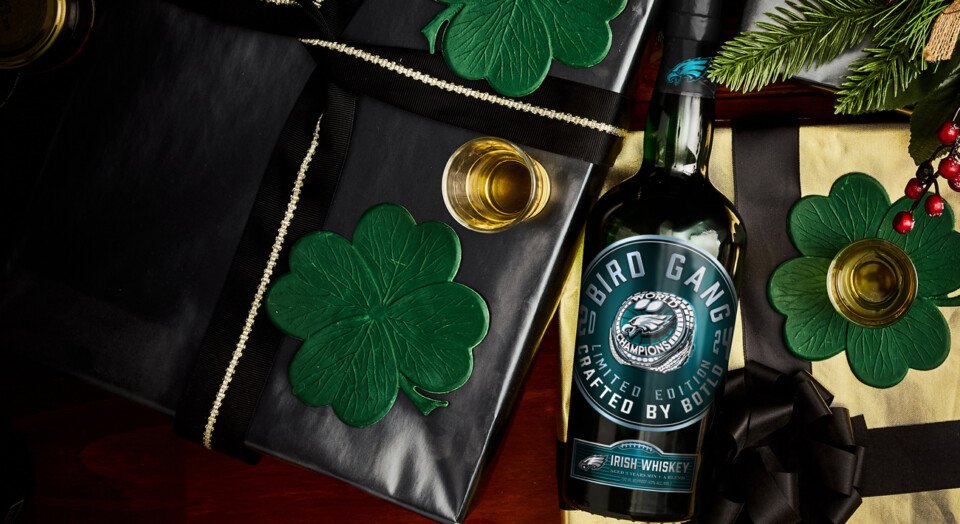
Photograph courtesy of Bird Gang Spirits
And finally this week, if you’re looking forward to Dry January, then I’ve got the perfect event for you.
Dry Vibes, Philly’s biggest zero-proof “social celebration,” is coming back to Philly on Saturday, January 31st at Billy Penn Studios. There’ll be speakers, vendor tastings, an open dry bar full of mocktails, pop-ups from Philly “wellness brands” and celebrity guests from within the non-alcoholic, better-for-you lifestyle space.
Look, it’s not my kind of thing (the word “wellness” just makes me itch), but I know there are lots of you out there who are trying to make changes, live healthier or find some social options for yourselves that don’t involve the liberal application of gin, tonic, and some limes. And that’s cool. The new year is for making changes and trying to live a better life despite the myriad horrors of being alive and sentient at this moment in history. Me? I’m going with tacos, pasta, pie, and cocktails. But you do you.
So if you’re down, tickets for Dry Vibes are available now for around 50 bucks. You can get yours right here.
Just a Picture-Perfect Addison Street Proposal

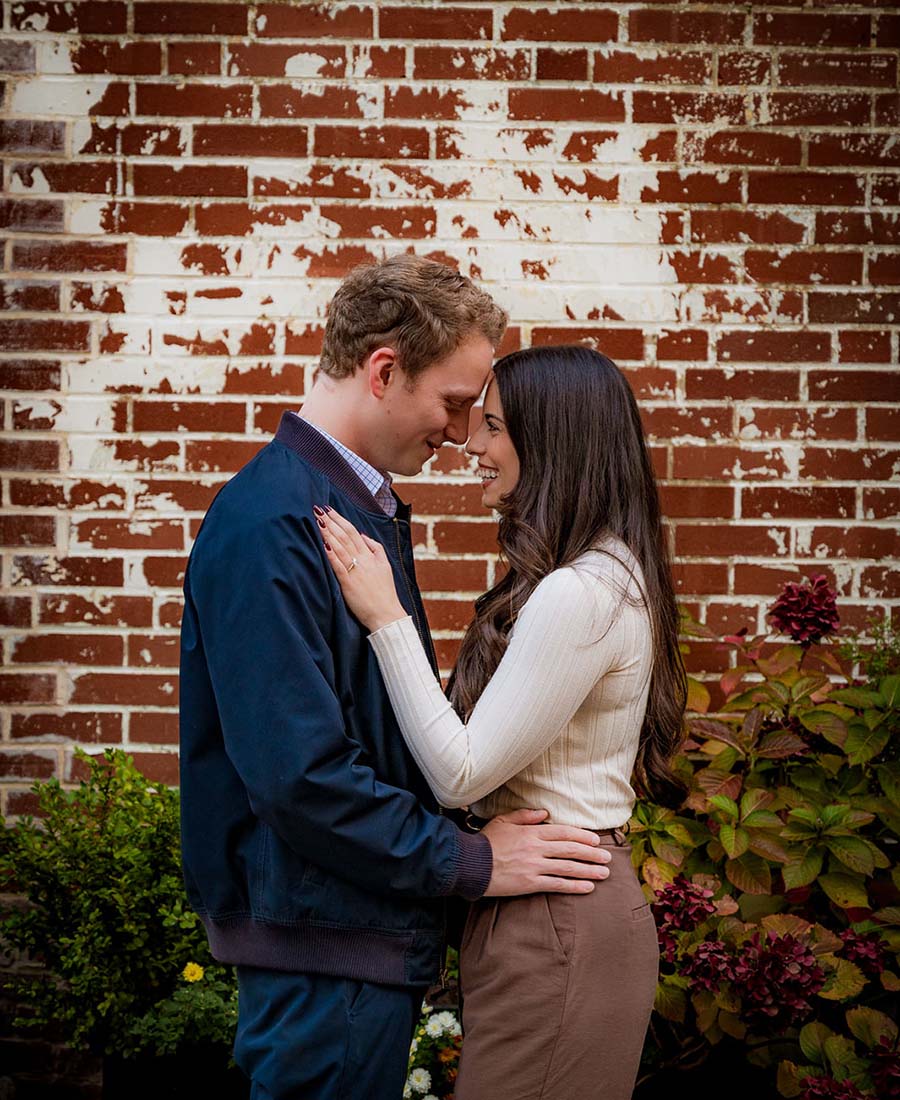
Rob Skalicky proposed to Hannah Beck on Philadelphia’s gorgeous Addison Street. / Photography by RingShot Photography
Proposal season is in full swing at Philadelphia Wedding, and we’re excited to share this “will you” on Addison Street — one of our favorite spots in the city for couples to become engaged. RingShot Photography beautifully snapped the big moment, which you can discover below.
And if you need more inspiration, check out our proposal coverage here. Or if you’d like to submit your own engagement, do so here!
The couple: Hannah Beck, 29, and Rob Skalicky, 30, both of Rittenhouse, where they live with their long-haired chihuahua, Bruno
How they met: Rob and Hannah were introduced by mutual friends while down the Shore, in Ocean City. Shortly after, they went on their first date to Via Locusta, in Rittenhouse. They dated for four years before getting engaged.
The proposal: Rob told Hannah they were heading to drinks at a co-worker’s house followed by a work dinner. It was a beautiful, early November evening, so the couple decided to walk to their destination. He turned onto Addison Street — a classic Philly proposal spot, beloved for its twinkly light-covered trees and historic architecture — and got down on one knee. (The work dinner was, of course, fictive. What followed instead was a romantic night to celebrate their engagement.)

Her reaction: Hannah admits she wasn’t suspicious at all — even though the “work dinner” was scheduled for a Saturday. “He was cool, calm, and collected all day, which kept me totally unassuming,” she says. “It wasn’t until we turned onto Addison Street and Rob started fidgeting with his pockets that I realized the proposal might be happening.” After he asked Hannah to marry him and unveiled his grand scheme, she started crying happy tears. “We went on to have the best night ever.”

His reaction: “I was more nervous for everything to go right — the weather, setting, photographer, plans after, keeping the surprise, etc. — than I was to actually ‘pop the question,’” Rob says. “Seeing how surprised and excited Hannah was made it all the better!”

The post-proposal moments: The soon-to-be weds toasted to their love with celebratory drinks at SkyHigh at the Four Seasons Hotel Philadelphia. Then, they went back to the site of their first date — Via Locusta — for dinner. When they arrived home, Hannah was surprised again: Rob’s cousin had decorated their apartment, and a group of friends gathered for an impromptu engagement party at Cavanaugh’s Rittenhouse.
The wedding plans: The two are early in the planning stages, touring Philly-area wedding venues. They hope to wed in the summer or fall of 2027.
Get more great content from Philadelphia Wedding:
FACEBOOK | INSTAGRAM | NEWSLETTER
That Awful Sore Throat Everyone’s Talking About? Here’s the Deal

Photograph by Andrea Piacquadio
Talk to anyone right now, and chances are they’re sick or just getting over a gnarly infection that comes with a horrible sore throat, lots of mucus, and zero energy for days (or even weeks!). People are calling it the “mystery throat virus,” and claim they haven’t been down for the count like this in years. What’s going on? For answers, we reached out to Eric Sachinwalla, Jefferson Health’s medical director of infection prevention and control, to learn about what’s leaving us bedridden — and how long it’ll take to get back to healthy.
Listen to the audio version here:
It seems like everyone is really sick right now! What is going around?
Most patients who have had that really bad sore throat had adenovirus, a common virus that spreads throughout the year. Unlike flu and COVID, which we can consider treating with prescribed medications, we don’t often test for adenovirus because there’s no real treatment for it — or for other viruses we tend to see this time of year, like parainfluenza and rhinovirus.
So what is adenovirus, exactly?
Adenovirus is a group of common viruses that can cause cold- or flu-like symptoms. It’s pretty contagious because it’s heartier than other viruses — soap and water, or everyday disinfectant, won’t kill it. So it tends to live in the environment longer. You see more clusters of these infections in places like daycares and military barracks because of close contact — it can spread through the respiratory tract, shed through stool, and live a while on contaminated surfaces. As for symptoms, adenovirus attacks many different parts of the body, so you can experience everything from sore throat, runny nose, and cough to middle-ear infection, high fever, and shortness of breath. It can even cause pink eye and diarrhea. It all depends on what strain it is — there are nearly 60 for adenovirus. We don’t necessarily know which subtype is causing illness right now.
Wow! All those symptoms could make it difficult to figure out what you actually have. At what point should you see a doctor?
For sure, this can be tricky. If you’re generally healthy and you’re feeling crummy, but not experiencing shortness of breath or high fever, you’ll likely be okay and get better with supportive care at home. The people who should seek medical attention are those who are immunocompromised, parents of young babies, or have underlying medical conditions like lung or heart disease. But if you’re sick, don’t just show up to your doctor’s office. Call first — they might want to do a telehealth visit if your symptoms sound very contagious.
How many days should you ride out your symptoms at home?
If you’re feeling worse by day three, that might be a good reason to call your doctor and see if what you’re experiencing is worth getting checked out for.
Got it. So if this typically spreads every year, why have people basically been bedridden this time around?
There are different variants, and viruses often mutate, so that could be the case this season. Perhaps this variation is causing these more severe symptoms and just knocking people down. Think back to COVID. At the start of the pandemic, the main symptom was loss of smell, but we don’t see that symptom much anymore. This past summer, the major symptom of COVID patients was a razor-blade sore throat. Viruses — and their symptoms — evolve.
Doctors are predicting that this flu season is going to be pretty rough. What are you seeing?
Like I said, we don’t typically test for adenovirus, but the numbers the City does have aren’t particularly higher than prior years. (Ed. Note: The City of Philadelphia tracks cases of illnesses when they get testing results from local healthcare facilities.) As for this upcoming flu season, the forecast is based on the prior season in the southern hemisphere — it tends to predict how we’re going to fare — and they had more infections than they did last year. But also: Fewer people are getting their flu shots, for a number of reasons. Though the shot isn’t perfect, it can help reduce the severity of symptoms if you do come down with the flu.
What at-home remedies do you recommend that actually work?
The biggest thing is rest, which I know can be hard for some people! You also want to stay hydrated. Not all fevers need to be treated with Tylenol or Motrin, either. A fever is actually a tool of your body’s immune system — it’s how we fight infection. Still, if your fever is accompanied by body aches or chills, maybe you’ll want to turn to medication. And if it reaches 103 or 104 degrees, call your doctor.
Will any of those remedies help people get better, faster?
Unfortunately, nothing I’ve seen is a quick fix. Sometimes, it just takes several days to feel better. For the flu, Tamiflu can sometimes cut off a day or two if you catch it early, but for adenovirus and similar illnesses, you often have to let them run their course. Basic hygiene practices, like frequent handwashing and cleaning high-touch surfaces, typically work the best to keep you healthy.
From Sleep to Skin Care: Here’s How to Support Your Health During Menopause
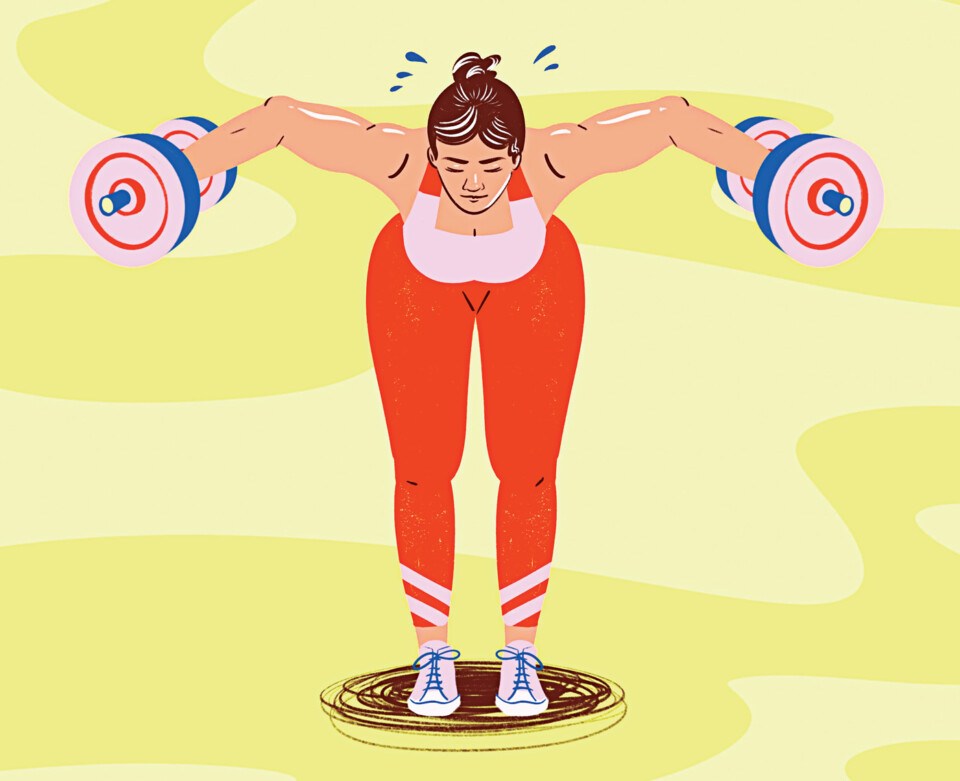
Illustration by Tara Jacoby
Perimenopause and menopause signals a major life shift. Fluctuating hormone levels, especially the drop in estrogen, can lead to changes in your everyday health. Below, four Philly experts share how you can better understand and manage your blood sugar, skin health, fitness regimen, and sleep during peri/menopause.
Navigating Blood Sugar

Photograph by Phil Kramer
Ashley Furlong, integrative health practitioner and owner of Whole Health Studio in Washington Square West
The drop in estrogen during perimenopause directly affects insulin levels and glucose metabolism. Here’s why that matters: Insulin is a hormone that breaks down sugar (glucose) from the food you eat when it enters your bloodstream — and estrogen optimizes insulin activity. So when estrogen declines, insulin has to work harder to get the same job done. If blood sugar spikes are frequent, this can lead to inflammation, weight gain, and hormonal problems, and increase the risk of type 2 diabetes.
Your insulin efficiency follows your body’s natural circadian rhythm — it’s strongest earlier in the day. To support healthy blood sugar during perimenopause, eat a protein-dense breakfast — 20 to 30 grams of protein will stabilize blood sugar, keep you energized, and curb midmorning sugar cravings and crashes — and avoid eating at least three hours before bed to avoid overnight blood sugar spikes that can interfere with sleep.
Navigating Your Skin
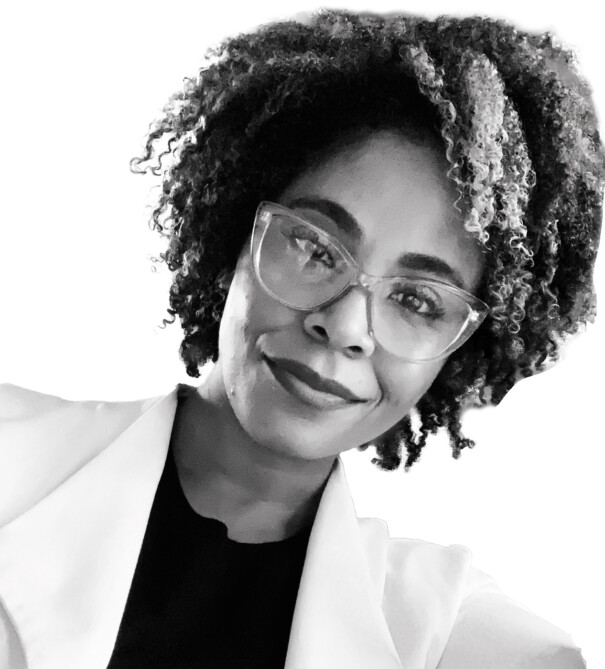
Viviane Aires, esthetician and founder of Viviane Aires Skin Wellness in Rittenhouse
When estrogen levels decrease, we start seeing less collagen production and a reduction in skin elasticity, which can lead to dryness, dullness, and more pronounced expression lines. Some women may also experience acne, facial hair growth, or flushed skin.
Focus on moisturizing, protecting, and nourishing the skin. I always recommend hydrating, gentle cream- or oil-based cleansers, a serum with hyaluronic acid for moisture retention and niacinamide to improve skin barrier function, retinol to encourage cell turnover and stimulate collagen production, and a rich moisturizer. And, of course, a broad-spectrum sunscreen with at least SPF 30 (ideally 50) to protect against further collagen breakdown and prevent hyperpigmentation.
Navigating Exercise

Photograph by Chris Koontz
Shoshana Katz, strength coach specializing in women’s and perinatal fitness; Katz leads perimenopause strength training at KG Strong in South Philly
After the age of 35, the rate at which women lose muscle mass begins to increase, and bone mineral density starts to decrease about 0.3 percent to 0.5 percent each year. How do we combat this? Not with HIIT workouts or classes that keep your heart rate high, but with strength training. Pilates and weighted vests are super, but they do not replace what lifting weights will do for your muscle and bone health. Women need to be lifting heavy — I know this can scare people, but please remember that heavy is relative to you — ideally three or four times per week, though as often as you can is better than not at all.
Navigating Sleep
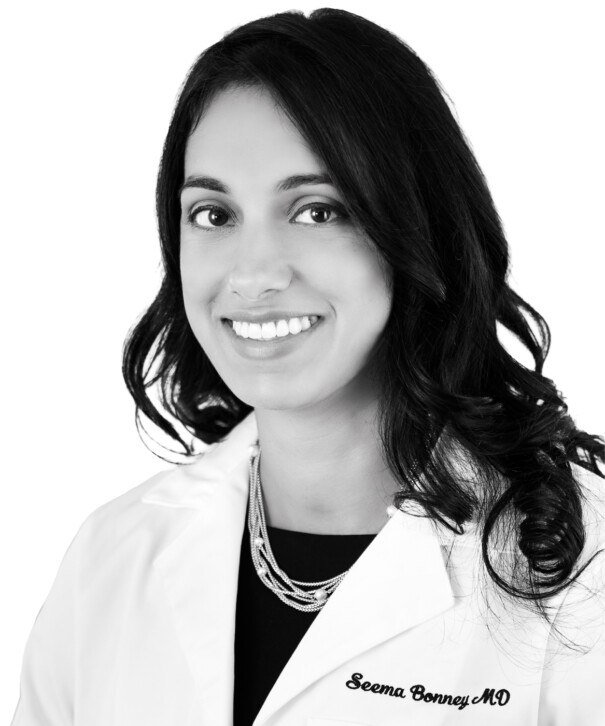
Photograph by Todd Zimmerman
Seema Bonney, functional medicine physician and founder of the Anti-Aging & Longevity Center of Philadelphia
In perimenopause, fluctuating estrogen and progesterone can cause unpredictable cycles, night sweats, and restless nights. Once in menopause, when hormone levels remain consistently low, these sleep difficulties often persist — sometimes compounded by hot flashes, mood changes, or shifts in metabolism. And poor sleep can worsen irritability, contribute to weight gain, impair memory, raise cardiovascular risk, and accelerate inflammation, metabolic dysfunction, and cognitive decline.
Restoring quality sleep requires a total approach. Checking (and potentially treating) hormone levels — including a true thyroid panel and cortisol levels, as well as micronutrients — gives us a clear picture of what the body needs. Non-hormonal strategies such as magnesium, vitamin D, B vitamins, or herbs like valerian, ashwagandha, and black cohosh can also help rebalance sleep.
Published as “The Power of Change” in the 2026 issue of Be Well Philly.
How Stetson Built Its Legacy in Philadelphia

Stetson’s former store on Sansom Street, in 1914 / Photograph courtesy of Stetson
Looking at a Stetson hat, it’s impossible to not think of the West. The very silhouette of the brand’s archetypal cowboy hat calls to mind the region’s rugged topography, its crown pinched and creased like the craggy peaks of mountains, its undulating brim as wide as the plains. It’s an enduring symbol of the Wild West, inextricably linked to Hollywood Westerns and rope- and rifle-wielding stars like Buffalo Bill, Annie Oakley, and John Wayne. And yet the Stetson hat was born here in Philadelphia — in a one-room workshop at 7th and Callowhill streets.
“Stetson is closely associated with the West, but we see ourselves first and foremost as an American brand,” says Stetson CEO Robert Dundon, himself a Philly-area native and Temple grad. “Given that, it’s only fitting that an iconic American brand like Stetson would be founded in a city known as the birthplace of America.”
The company’s 160-year history, celebrated with Rizzoli’s recently released tome Stetson: American Icon, begins thusly: In the 1850s, John B. Stetson, the son of a New Jersey hatmaker, traveled west seeking fortune, adventure, and a cure for his tuberculosis in the clear, dry mountain air. While prospecting for gold in the Colorado Rockies, Stetson noticed the poorly made hats of his fellow pioneers and fashioned a wide-brimmed, waterproof hat from felted animal furs, which he sold to a passing bullwhacker for a five-dollar gold coin.
In 1865, Stetson returned east and opened his namesake business. He soon launched his “Boss of the Plains” design — a flat-brimmed topper with a high, rounded crown inspired by the sombreros worn by vaqueros (the Mexican and Spanish horseback cattle herders who were the predecessors of the American cowboy). The hat catapulted him to success, and within 10 years, his company had moved to a nine-acre campus on the outskirts of Kensington. (This campus would eventually include a hospital, free dispensary, and lending library for its 5,000 workers, who enjoyed Stetson’s progressive benefits — health care, education programs, and profit sharing.)

Bruno Mars for his 2024 collaboration with the brand / Photograph by Daniel Ramos
Though the factory is no longer there — manufacturing moved to Missouri in 1977, then to Garland, Texas, where the company is currently headquartered, in 1986 — Stetson’s Philly legacy lives on through retailers like Alfonso Aramburo, who sells the cowboy hats in Viejo Oeste Western Wear #2, his Italian Market shop. (You might know it by the eight-foot-tall fiberglass cowboy boot stationed out front.)
“It’s the most recognized brand of hats in the U.S. and worldwide,” Aramburo says. “There are so many different profiles, shapes, and materials.” But it’s his own family history with the brand that resonates the most: “My grandfather and my dad wore those hats all the time.” (The brand is also carried locally at Center City’s Les Richards Menswear, Boot Barn in Cherry Hill and North Wales, and Leo’s Apparel in North Philly; Aramburo carries Stetson’s cowboy and dress hats at his Delaware outpost.)
But even as Stetson has steadily risen to stratospheric fame, the company hasn’t forgotten its Philly roots. “Our signature hats are now made in Texas, but we still live by the values John B. Stetson established during his early days in Philadelphia,” says Dundon. Stetson unveiled a limited-edition beaver-fur dress hat called “the Philadelphia 160th Edition” as a tribute to the city it first called home. A five-dollar gold coin emblem glints on the hat band, symbolizing John B. Stetson’s first sale, a happy harbinger of things to come.
The Stetson Story

Founder John B. Stetson / Photograph courtesy of Stetson
1862: John B. Stetson designs and sells his first hat.
1865: Stetson borrows $60 from his sister to found his company.
1874: Production moves to a factory on the outskirts of Kensington.
1906: John B. Stetson dies; he gives most of his fortune to charity before his death.
1911: Fresh off winning the World Series, the Philadelphia Athletics are featured in a Stetson hat marketing campaign.
1932: The company begins producing hats for women.
1977: Stetson moves its manufacturing to Missouri, then to Garland, Texas, in 1986.

Photograph by Blair Caldwell
2024: Beyoncé wears a Stetson hat on the cover of her Cowboy Carter album.
2025: Stetson celebrates 160 years in business.
Published as “City Slicker” in the December 2025/January 2026 issue of Philadelphia magazine.
Lane Johnson’s Season of Strong Mental Health: When Asking for Help Makes You Stronger

Coming off the Eagles game against the Raiders, the two-time Super Bowl champ shares why he’s so inspired by a friend and fellow football great, Las Vegas Defensive End Maxx Crosby.
Philly’s Most Exciting Pizzas Are the Second-Best Thing at Char
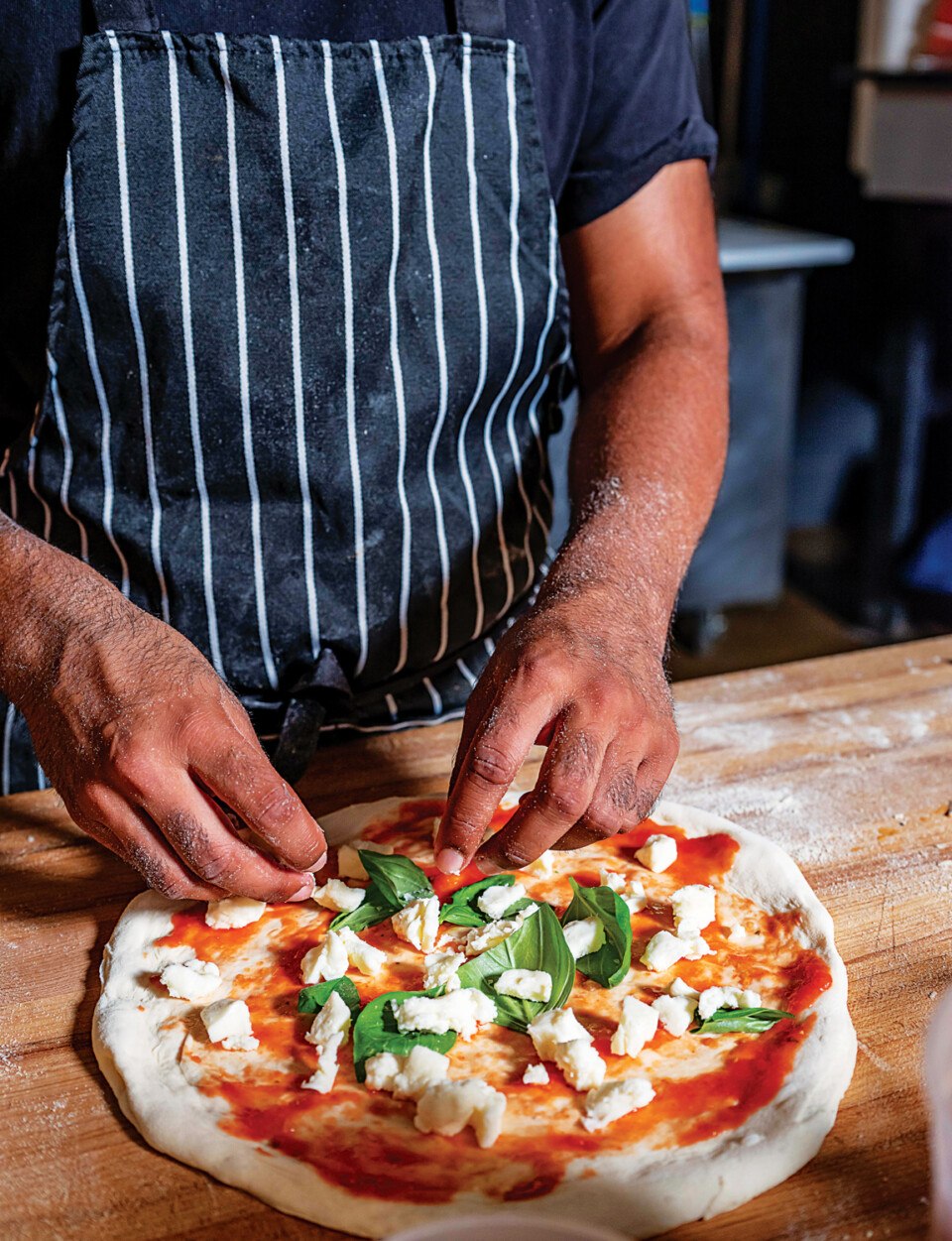
The margherita pizza at Char / Photograph by K.C. Tinari
Behind the counter at Char, owner and pizza savant Viraj Thomas is cutting pies. He’s working the peel inside the small, wood-fired stone oven, making the pizzas dance — rolling them up on their edges, rotating them with an expert’s grace. What he’s making are the most exciting pizzas in the city: simple margheritas with black-bubbled crusts and leoparded bottoms that go thin and chewy in the center; pepperoni with a lace of hot honey that balances rather than overwhelms; specials like a pie topped with delicata and honeynut squash, onions, and pancetta for a slick of meaty, salty fat.
And Viraj does all this while answering emails, joking with his team, introducing himself to customers. He does it while making sure the dining room lights are just right even if, in the early days, lights were the last thing to worry about. A few months ago, massive lines, huge waits, unexpected sell-outs, and an inability to consistently offer workable table service plus walk-up plus takeout without things falling to pieces were his priority. Char was a restaurant learning how to be a restaurant while actively operating as a restaurant, and while there was some fun to be had in that — an undeniable energy and vitality and we’re-all-in-this-together spirit of charming fuck-uppery that defined the whole vibe — it never felt guaranteed that the place would survive.
But it did. And that’s owing to the brilliance of Thomas’s work with that peel. His New School Tomato Pie is genius, pairing squashed red and yellow datterini tomatoes, all sweet and pulpy, with a fall of crisp breadcrumbs for texture and grated Fiore Sardo to bring it all together on that stiff-stretchy, fire-blackened crust. His pizzas feel alive, like the one you’re eating is a unique object, never to be exactly replicated, as singular as any work of art.
And honestly, the pizzas are only the second-best thing. The side plate of beef and pork meatballs, heavy on the slivered onions and fluffed up with ricotta, are magic. Pair them with the little slabs of focaccia topped with clouds of sweet ricotta and slices of fig, and you’ll forget that the pizzas are what you originally came for.
All of this, and Char is just getting started. Thomas began as a teenager with an as-seen-on-TV Roccbox pizza oven, cooking for family, for neighbors, for friends. He cut his teeth at a hundred different pop-ups before he turned 20, then opened Char. He’s 22 now. A baby in this industry.
And I can’t wait to see what he does next.
3 Stars — Come from anywhere in Philly
Rating Key
0 stars: stay away
★: come if you have no other options
★★: come if you’re in the neighborhood
★★★: come from anywhere in Philly
★★★★: come from anywhere in America
Published as “The Next Great Pizza Chef” in the December 2025/January 2026 issue of Philadelphia magazine.
How to Thrive — Not Just Survive — Through Menopause

Illustrations by Tara Jacoby
When Rittenhouse resident Julie Parana had a hysterectomy at 42, she was told that, because her ovaries were left intact, her hormones would be fine and she would go through menopause at a “normal” time. (The average age is 52.)
“But that isn’t exactly what happened,” she says.
Soon after the surgery, strange symptoms started popping up — skin allergies, joint pain, brain fog, an unexplained jump in cholesterol, and lapses in memory that had her worried about early-onset Alzheimer’s disease. Parana, an occupational therapist, didn’t connect the symptoms to menopause right away because, she says, “I didn’t know anything about menopause beyond the typical hot flashes and night sweats.”
When she asked for hormone bloodwork, her doctor told her she was too young for menopause, even though studies have shown that women who’ve had a hysterectomy are twice as likely to have ovarian failure, which can trigger early menopause.
Finally, the hot flashes kicked in, and testing confirmed that Parana’s estrogen was nearly nonexistent. Her doctor sent her a short message through the patient portal: You’re postmenopausal — that explains your symptoms.
“No education, no discussion of next steps, no offer for hormone therapy,” Parana says. Now 45, she knows that menopause, especially when it’s early, can put women at risk for dementia, osteoporosis, insulin resistance and diabetes, and cardiovascular disease. She did her own research, found a different doctor to start her on hormone replacement therapy to help address her symptoms, and then did a deep dive into lifestyle changes she could make to help herself.
A major takeaway she learned? “Your body needs to be a healthy host for the hormones to be as effective as possible.”
In 2025, an estimated 1.1 billion women globally are postmenopausal, with several hundred million going through perimenopause — the multiyear transition period leading up to menopause when levels of reproductive hormones, especially estrogen and progesterone, can fluctuate wildly.
During perimenopause, women endure a barrage of symptoms that range from inconvenient and undignified to miserable, from those Parana went through to night sweats, irritability, anxiety, vaginal dryness, and weight gain. And since women can experience these symptoms for up to a decade (typically for four to eight years) before they hit menopause — defined by the World Health Organization as 12 consecutive months without a period — perimenopause can not only affect physical health, it can take a serious toll on our mental health, relationships, and careers.
Historically, perimenopause and menopause weren’t discussed in polite society. Ninety-one-year-old reproductive endocrinologist Lila Nachtigall recently told the New York Times that when she first went into practice nearly 60 years ago, “Women wouldn’t even come to a doctor because they thought this is something that has to happen and they’re not allowed to complain.”
We’ve come a long way since then. A 2018 study examining perimenopause management reported that upwards of 90 percent of women now seek advice from their doctors on coping with the deluge of symptoms. The subject is no longer taboo at the dinner table (or book club, or gym).
Celebrities, social media, influencers, and pop culture have all helped to usher these conversations into the mainstream. Gwyneth Paltrow has discussed her symptoms frankly in outlets like People and covered the topic on her own website, Goop; Oprah Winfrey had candid conversations with women during her TV special The Menopause Revolution; and Halle Berry and Kate Winslet have both talked publicly about being on testosterone replacement therapy. The Canadian television show Small Achievable Goals, starring two middle-aged female comedians, is a witty yet real take on menopause — progress for an industry that rarely tackles the subject with nuance and depth. Obstetrician-gynecologist and menopause expert Mary Claire Haver educates her Instagram audience of 3.2 million followers about hormonal health, championing the ethos “Menopause is inevitable; suffering through it is not.” And 45-year-old influencer Melani Sanders struck a nerve with her May 2025 video announcing her We Do Not Care Club, a hilarious diatribe that overnight gained her hundreds of thousands of followers who reveled in the diverse concerns that women in perimenopause do not care about: chin hairs, painted toenails, and wearing a bra that fits, to name a few.
But even as this generation of women is finding a more open community to talk about this jarring life change and access to helpful treatment, navigating the stage can still come with significant hurdles. Everyone with ovaries experiences menopause, but finding effective relief and comprehensive care can still feel tedious and overwhelming. Why are so many of us left adrift at this stage of life? And what can we do to reclaim our sense of well-being?
One main problem is that many women don’t know they’ve entered perimenopause — or, in Parana’s case, menopause.
“Women will, on average, see five to seven specialists and wait over five years before their symptoms are diagnosed as being part of the menopause transition,” she says.
In many cases, women don’t know what’s happening to their bodies because their doctors aren’t categorizing their concerns as perimenopause symptoms. Only about one-third of U.S. ob-gyn residency programs report a formal menopause curriculum, according to a 2023 study conducted by the Menopause Society. Training is often limited to a few lectures — or none at all: A national resident survey found one in five received no menopause lectures during residency. There’s also lingering confusion stemming from a 2002 Women’s Health Initiative study that pushed menopause care down the priority list. (More on that last one to come.)
“There’s so much time and literature devoted towards women when they’re pregnant and even postpartum … but then it’s almost like after a woman’s done having kids, you become completely unimportant,” says Kim Einhorn, a Main Line ob-gyn.
Einhorn has practiced medicine for more than 20 years, and, after feeling like she wasn’t being given enough time to treat patients who often required more nuanced and involved care, she recently opened the MP Collective, a concierge medicine service in Bryn Mawr dedicated to women in perimenopause and menopause.
“Because of the lack of education that doctors have had on menopause, they’re just not aware that it’s perimenopause,” she says. “So women come in saying, ‘I want to kill my husband’ or ‘I feel so anxious all of a sudden,’ and no one attributes it to perimenopause unless you’re having hot flashes.”
Einhorn considers this stage, when women are starting to experience more life-impacting or serious symptoms, as the perfect time for interventions that will help them thrive — and that could have a long-lasting impact on health and longevity.
“It’s not hard to help women,” she says. “It’s actually quite easy if you know what you’re doing with hormone therapy, and how to advise them on exercise and nutrition.”
One way Einhorn treats women is with hormone replacement therapy, or HRT — the medically supervised use of estrogen, plus, for women with a uterus, progesterone, and sometimes testosterone to relieve peri/menopause symptoms, prevent bone loss, and treat genitourinary syndrome — all tailored to the individual by dose, hormone type, route (transdermal or oral), timing, and risk profile.
For decades, HRT was widely prescribed for women, starting with estrogen-only therapy in the 1940s. After a link between unopposed estrogen (estrogen therapy without any progesterone or progestin given alongside it) and endometrial cancer was discovered in the mid-1970s, doctors started adding progestin with a separate pill. The combo of estrogen and progestin arrived in the mid-1990s as one convenient pill: Prempro.
In 2002, a study by the Women’s Health Initiative indicated that the medication and others like it carried several hazards, including a 26 percent higher relative risk of invasive breast cancer as well as higher risks of heart disease, stroke, and blood clots. The risk to women who took these therapies, the study asserted, outweighed the benefits, and the trial was stopped early.
What got lost was the denominator. Think of relative risk like saying a car is going 25 percent faster without knowing whether it sped up from two to 2.5 miles per hour or 60 to 75 — technically true, but not the whole story.
In absolute terms, the WHI study translated to eight additional cases of breast cancer, about seven additional cases of coronary heart disease, and about eight additional cases of stroke per 10,000 women per year on Prempro versus placebo. What’s more, the trial’s subjects were women aged 50 to 79, with an average age of 63 — i.e., postmenopausal, and at greater risk for these afflictions than younger perimenopausal women. The study also found benefits to taking Prempro, including fewer hip fractures, less colorectal cancer, and a decreased risk of overall mortality and cancer- specific mortality.
The WHI released its findings — not just in the usual published report, but via press conference and press release and amplified in splashy headlines and melodramatic morning-show segments — and the effect was immediate. By July 2003, U.S. hormone-therapy prescriptions had cratered, with millions of women stopping HRT or never starting.
Peter Attia, a physician and host of The Drive podcast, called this “the greatest injustice imposed by the modern medical system in our lifetime” in a discussion with Rachel Rubin, a doctor of urology and sexual medicine. (If you are a woman or know a woman, please listen to the entire episode, #348, on women’s sexual health, menopause, and hormone replacement therapy.)
Rubin agreed with Attia’s assertion and went on to add, “They misinterpreted the data so drastically, and scared everybody with so much fear, that you actually have an entire generation that has forgotten how to prescribe hormone therapy. And this is the nightmare we’re living in today.”
It’s true — in the 23 years since the study came out, not only did a generation of women fear HRT and suffer through the symptoms of perimenopause and postmenopause, but physicians stopped learning the nuances of how and when to prescribe hormone therapy, creating a void in medical knowledge that we’re only now beginning to address.
Einhorn saw the results of this misinterpreted data firsthand, with her patients suffering through symptoms like hot flashes and insomnia that often snowball into depression, anxiety, and marital problems. But when she suggested HRT, she says, the typical reaction was “‘This is going to give me breast cancer.’ Nothing I could do, come hell or high water, would convince them it was safe enough.”
Now she sees the pendulum swinging back. More of her patients are asking for HRT, a change the doctor credits, in part, to a generational shift.
“We’re not really as okay with just surviving and being patted on the head and told you’ll be fine, it’s just menopause, come back and see me next year,” she says.
Women today are refusing to be dismissed and are demanding more, but many are still experiencing the unintended consequence of the WHI study — that lack of understanding from medical providers of the signs of perimenopause and what can be done to alleviate symptoms.
When Grace*, 43, from Wilmington, complained to her ob-gyn that she was experiencing unexplained weight gain, she was told to be happy she doesn’t have any real problems. (Weight gain, especially in perimenopause as hormones fluctuate wildly, can cause insulin resistance and increase the risk of type 2 diabetes, not to mention putting added strain on joints and the pelvic floor.)
At 48, Stella*, who lives in Grad Hospital, told her ob-gyn she’d been bleeding for almost four straight weeks. He offered an IUD as a fix and moved on — no workup, no conversation about perimenopause, no plan.
Lee*, 42, from Port Richmond, was instructed that to combat her symptoms, she should lose weight and go to the gym, and that she wasn’t a candidate to take estrogen because she gets migraines. The truth? HRT can help stabilize hormone fluctuations that trigger migraines for some perimenopausal women.
“It’s been completely devastating to hear that this should be normal, and to be prescribed antidepressants when I am asking for help with biological issues like painful intercourse, night sweats, and insomnia,” Lee told me. “The answer has to be somewhere beyond ‘Lose weight and try working out.’”
Surrounded by women my age in this stage of life, I hear these stories with depressing regularity, and, fueled by my intense perimenopausal mood swings, I feel just as much indignation and frustration with each one.
Though I am now waking up in a cold sweat, dealing with chronic joint pain, and experiencing extreme irritability (sorry, family!), I’m relieved to be part of the generation that’s not satisfied to simply endure these indignities. Along with more awareness and less stigma surrounding menopause conversations, there are more options than ever available to help women thrive through these changes.
I found a health care provider with experience prescribing hormones — and more important, one who understands that each woman needs different doses, combinations, and delivery methods, and that it can take time to home in on the ideal combination. I’ve also made a few key lifestyle changes, including eating more protein (muscle loss accelerates in perimenopause), cutting back on cocktails (I have enough trouble sleeping as it is), and lifting weights (to help prevent osteoporosis).
As I navigated my own symptoms and frustrating medical experiences, I started noticing another encouraging sign. In the past few years, a host of wellness retreats and specialized programs have emerged, aimed specifically at educating women about perimenopause and menopause. It’s a stark contrast to decades when women’s health beyond the reproductive years was largely ignored — when the wellness industry focused primarily on helping women maintain their youthful appearance rather than supporting them through major life transitions, including this one. Now, finally, there are spaces designed around the reality that women need comprehensive support, education, and, yes, some pampering during what can be a physically and emotionally challenging time.
So when I read about the Power Through Perimenopause retreat at Mii amo, a wellness resort in Sedona, Arizona, I signed up, hoping to gain a better understanding of exactly what is happening to my own body, and how to help myself feel better. (Okay, and to spend several days eating wholesome gourmet meals I did not have to cook, submerging myself in spa treatments and stints in the sauna, and hiking the winding trails among the towering spires of Boynton Canyon.)
The retreat was led by Angela DeRosa, a doctor of osteopathic medicine who has been treating women with estrogen, progesterone, and testosterone for more than 30 years and who co-founded the Hormonal Health Institute in 2018.
In a room with views of the pristine red-rocked landscape outside, she explained to our group of robe-clad women why the current medical system fails so many of us during this transition, and how, as life expectancy has risen — in the U.S., women’s increased by nine years from 1960 to 2015 — we live with, and endure the symptoms of, menopause longer.
“We now live one third to half of our lives in menopause,” she told us. “We shouldn’t be stoically accepting it.”
DeRosa ticked through the symptoms of estrogen deficiency (hot flashes, night sweats, frequent urinary tract infections, heart palpitations, and more) and testosterone deficiency (low libido, fatigue, memory loss, migraines, and weight gain, to name a few), and armed us with strategies to advocate for better care. (For the record, DeRosa echoed Peter Attia’s assessment of the WHI study, noting, “This was malpractice against women — it’s been over 20 years, and we still haven’t recovered.”)
Beyond educating me, including providing laser-focused insights about my own hormones and how to get symptom relief through HRT, nutrition, and exercise, my stay at Mii amo was a desperately needed reset and reminder that I — a mother, wife, business owner, and journalist — need to take care of myself, too.
I got a myofascial release massage to help soothe the joint stiffness and decreased connective tissue elasticity that can result when estrogen plummets. I sipped nighttime sleep tonic made with lavender, cherry juice, and chamomile to combat my frequent insomnia. And I basked in the omnipresent relaxed vibe that’s the hallmark of a stay at the resort.
In the spirit of the fearless visionary Melani Sanders, at Mii amo, we do not care that we have not applied mascara in days. We do not care that we wear our robes and slippers to dinner. We do not care that after the two-hour Desert Mist Renewal treatment — a transportive scrub, a wrap, and a full body massage — our hair, caked with jojoba and beeswax, is giving Medusa.
The retreat reminded me that we don’t have to white-knuckle our way through these years. We can actually feel good and flourish.
The movement toward better menopause care is gaining ground closer to home, too, with new ways to care for yourself. One is Julie Parana’s practice, the Menopause OT.
Once Parana got herself to a good place with hormones, nutrition, and weight training for muscle mass and osteoporosis prevention — women can lose up to 20 percent of their bone density in the five to seven years following menopause — she had an epiphany. As an occupational therapist, she’s spent her career helping patients manage their health conditions, and she realized she could provide similar aid with menopause. So she got certified in women’s health and became a certified menopause coach.
“What I want women to know is that you don’t have to suffer, but it does require action, and it does require putting yourself first,” she says, noting that this concept can be hard for women who are often taking care of their kids, working full time, and/or caring for elderly parents.
Parana helps women do just that with her “six pillars of midlife wellness,” including mindset and identity, nervous system regulation, stress management, movement, nutrition, and sleep hygiene.
What she hears most from clients? “I wish I’d started doing this sooner.”
More good news: More than a dozen states, including Pennsylvania, are considering bills to mandate provider training, expand insurance coverage, and generally boost awareness about menopause care.
And last year, the Menopause Society, a national nonprofit medical organization that’s been dedicated to education about and research into midlife women’s health since 1989, sold out the in-person registration for its annual conference for the first time, indicating that doctors are seeking more training as patients are being more vocal about wanting care.
“I know doctors that have been going to that meeting for 20 years and never bothered to register right away, because it never sold out before,” Einhorn, a certified menopause provider through the Menopause Society, told me. (A Menopause Society Certified Practitioner, or MSCP, designation means the provider is specifically trained and credentialed to give safe, effective, and comprehensive menopause-related care — training most general clinicians never receive in medical school.) “And last year they were shut out of the meeting.” This year’s conference sold out too, but providers were able to attend virtually.
Einhorn’s practice, the MP Collective, is another positive indicator, as are other centers in the Philly area, like gynecologist-founded SiBelle Women’s Health and Aesthetics in Horsham and the Balanced Woman in Ardmore.
“What’s so empowering about this phase of our lives in perimenopause is that we’ve been conditioned to not be the important ones,” Einhorn says. “We’re subjugated when we’re pregnant, because it’s all about the baby, and after that purpose is done, we’re told we have no value to the world, but it’s completely untrue. The reason why human females live beyond menopause — we’re one of the only mammals that do — is because we have a purpose and meaning. Women in our generation going through it right now are learning how to feel empowered and live the best part of their lives.”
* Names have been changed to protect privacy.
Published as “The Power of Change” in the 2026 issue of Be Well Philly.
Philly Today: Bots on Tinder Are Using Local References to Seduce Philadelphians
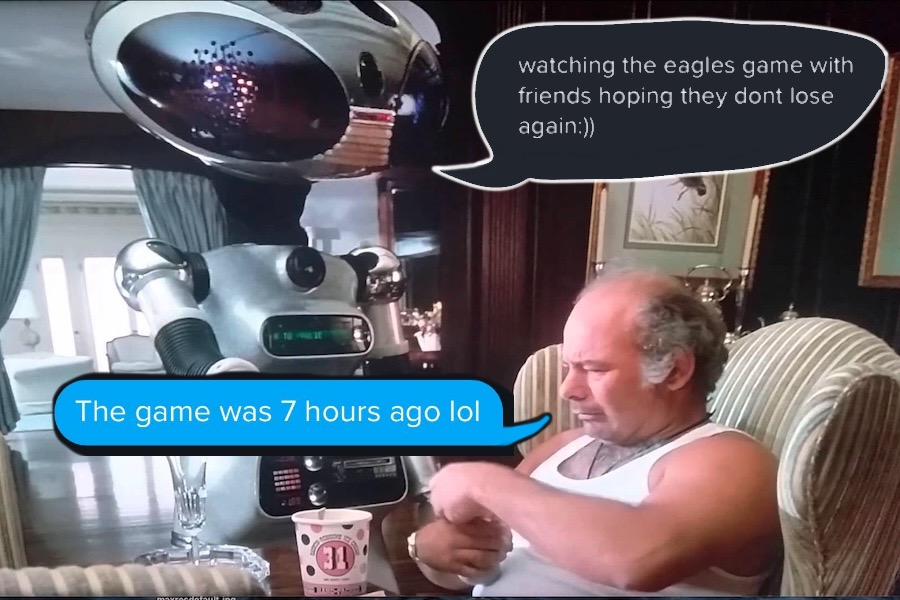
Rocky IV featured a Paulie/robot romantic subplot. / Pic from IMDB
Check phillymag.com each morning Monday through Thursday for the latest edition of Philly Today. And if you have a news tip for our hardworking Philly Mag reporters, please direct it here. You can also use that form to send us reader mail. We love reader mail!
Bots on Tinder are Using Local References to Seduce Philadelphians
It’s the most wonderful time of the year. Arguably. With multiple caveats and asterisks, and blind eyes turned toward basically all the news of the day. Especially recently.
It’s a time when r/Philadelphia is avalanched with blissful snow pics. Space savers are doing their thing. And over on Tinder, robots are integrating local landmarks into their speech in order to seduce Philadelphians. Or to rip them off somehow, I guess. They tried it on one Philly Tinder user and Redditor yesterday. Twice.
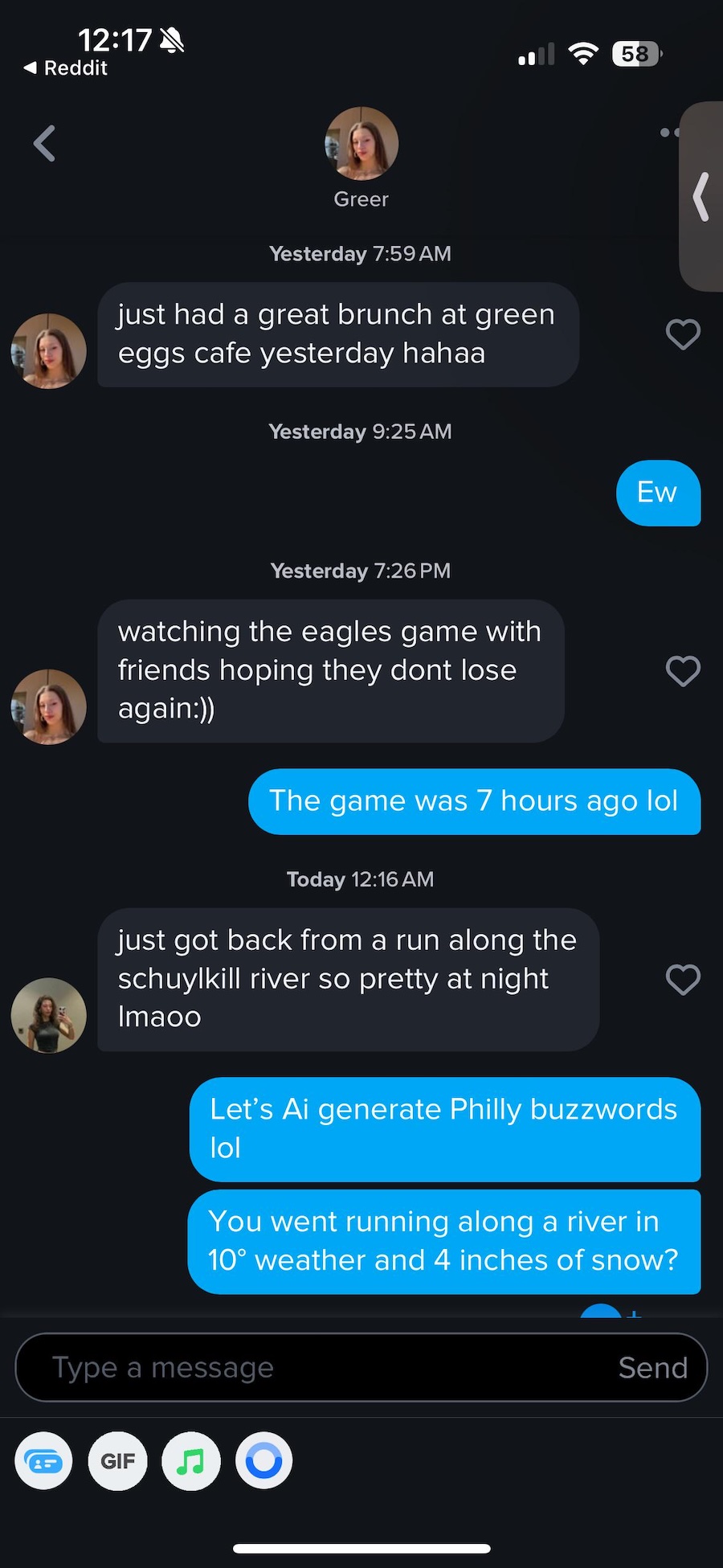
I chatted with the Tinder user — who preferred to remain anonymous — to learn more.
I’m not on Tinder. What’s the bot situation?
There are a ton of bots, seemingly more than actual humans.
Is this the first time you’ve encountered Tinder bots posing as Philadelphians?
They normally don’t mention any landmarks or places or anything, but I got two yesterday mentioning Philly things.
What a world.
Yeah, it was honestly very funny. And I did end up going on a Tinder date last night with an actual human and we had an amazing time. My opening line was, “Please don’t be a bot,” lol.
Aw, that’s nice.
Of course, this situation brings to mind Rocky IV, wherein it is strongly implied that Paulie and his servant robot are romantically involved, much to the delight/horror of the Balboa family.
Meanwhile the lesson for Philadelphians in the dating scene is: Be careful out there. Sure, this time the bots didn’t quite pass the Turing test, but the future looks bleak. In addition to all the creeps, scammers, and people who say jawn more than once a month, there are also robots.
Remember what Futurama says:
Local Author Drops New Spooky Story
Stephanie Feldman, author of the 2022 dark Philly fantasy novel Saturnalia, just published a new spooky story in the Sunday Morning Transport called “A Skull in Reverse.” Here’s, just a little taste.
A month after Kim moved into her forever home, the attacks began.
It was December, midnight. Kim slept on the couch — downstairs was warmer in the tiny ranch, the worst house in the best neighborhood she could afford. A bright touch roused her, like snowflakes on her eyelids. She blinked awake to two white lights dilating in the window, setting the cheap drapes aglow, then ablaze. Kim instinctively lifted her hand, as if to repel the glare, and the room plunged back into darkness. For an instant, she felt flush with power.
Then she realized a car had rolled up her driveway, nearly to the living room window, and cut its headlights.
Car door slam, footsteps, knock-knock-knock, and Kim jumped, as if the shuddering door were another slat in her rib cage.
Keep reading here.
Santa Claus vs. the Dead Milkmen
Philly punk legends the Dead Milkmen dropped a brand-new Christmas single this week. “Santa Claus is Coming for Your Eyes,” featuring Rodney Anonymous on lead vocals, is very on brand: silly, subversive, driven by weirdness. Catchy, in a Dead Milkmen kind of way.
By the Numbers
4-5 inches: Snow accumulation in Philly this weekend.
6,000: Number of PECO users who lost power thanks to the snowstorm.
2: Minimum number of cars involved in single-car accidents in Philadelphia during the snowstorm. One hit the J. Crew Factory at 16th and Chestnut. The other hit a pole in Oxford Circle and knocked out the power for a while.
91 percent: That how often Philly’s fentanyl tests positive for the veterinary sedative medetomidine. The New York Times came to town to talk about the latest horrors of this city’s addiction crisis.