


The Era of Year-Round Sports: Five Ways to Help Young Athletes Stay Injury-Free
The off-season isn’t what it used to be. For many young athletes, the end of one season just means it’s time to lace up for the next. School seasons wrap up, travel leagues begin, tournaments fill their weekends, and specialized training keeps them conditioning in between.
While all that activity can be great for building skills, confidence, and a passion for their sport, it can also be a lot for growing bodies to hustle year-round.
From warming up the right way to prioritizing recovery, the sports medicine experts at Nemours Children’s Health are sharing five ways parents can help young athletes stay strong, avoid injury, and keep doing what they love.
Start with the right gear.
Before they hit the field, court, or rink, take a fresh look at what they’re wearing. Since kids grow quickly, the helmet, shoes, and protective gear that may have fit perfectly last season may not offer the same fit or protection today.
Make a habit of checking equipment at the start of each season (if your season is year-round, take a look every three to four months). Replace anything that’s damaged, worn out or too small. Depending on your sport, that might mean refitting a helmet, buying a new mouthguard, replacing protective eyewear, or repadding other sport-specific safety gear. Luckily, many brands make kids’ gear adjustable, so small changes can be made when they’re in between sizes.
And don’t overlook the safety standards behind the gear. A lot of protective equipment needs to meet standards of the organizations that oversee the sport. For example, bicycle helmets should carry a Consumer Product Safety Commission (CPSC) safety certification, while hockey masks should be approved by the Hockey Equipment Certification Council (HECC) or Canadian Standards Association (CSA).

Rethink the pre-game stretch.
If “stretch before you play” was drilled into you as a kid, it’s not entirely wrong, but experts recommend a subtle update to the routine. More recent research shows that holding a static stretch before exercise doesn’t necessarily prepare muscles for activity and may actually temporarily reduce muscle performance.
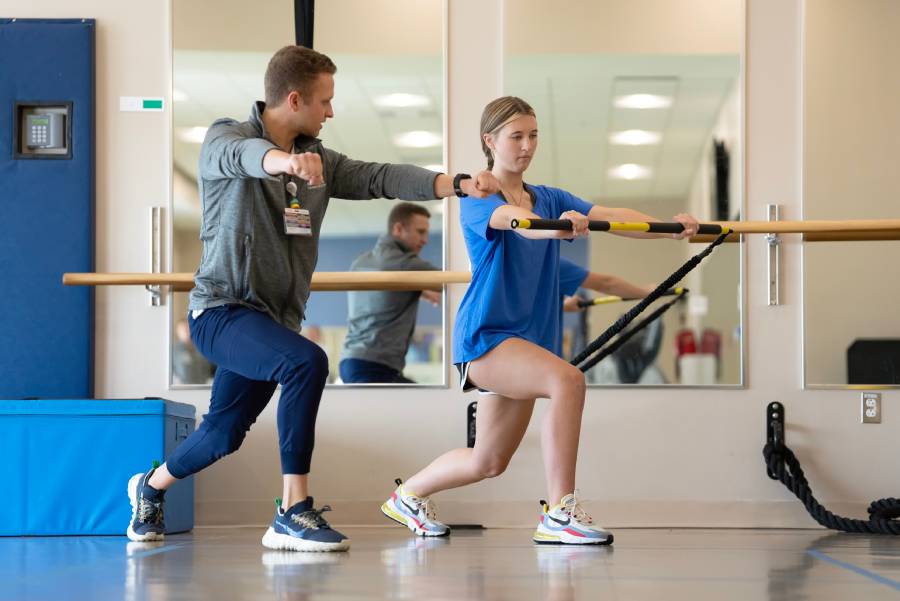
Instead, encourage young athletes to get their bodies moving before practice or competition. Nemours Children’s Health recommends warming up with lighter versions of the activity ahead. Runners can start with a light jog, baseball players can take easy practice swings, and tennis players can begin with light volleys. Those types of warm-ups and dynamic movements, like high knees, hip circles, squats, and lunges, help warm the body while preparing muscles and tendons for what’s ahead.
Save those longer, static stretches for after activity, and think of the pre-game warm-up as exactly that, a chance to gradually get the body ready to move.
Mix up the routine.
More practice doesn’t always make perfect. In skill-based sports, this can be a challenging mindset to adjust. While a lot of practice may improve technique in the short term, it can also increase the risk of overuse injuries in the long term—especially when the same movements are repeated throughout the year.
Nemours Children’s Health sports medicine experts recommend building variety and recovery into their schedule. Rather than running every day, for example, young athletes can alternate running with swimming, strength training, or another activity that challenges the body in a different way. Active rest days are important, too, giving muscles and joints time to recover between workouts.
For kids accustomed to bouncing from one season or team directly into the next, cross-training can also be a chance to try something new while building strength and athleticism in different ways.

Fuel for the activity ahead.
Between school, practice, and weekend games, it’s a challenge to do it all while making time for healthy meals and hydration. But a balanced diet that includes carbohydrates, protein, healthy fats, fruits and vegetables is key for fueling activity and recovery.
Encourage them to drink water throughout the day rather than waiting until practice starts or they feel thirsty. Longer or particularly intense activities may require additional hydration and electrolytes, but for many young athletes, consistently drinking water before, during and after activity is a good way to stay hydrated without relying on electrolyte drinks.
And while older athletes may become more interested in protein powders, supplements, or other performance products, their nutritional needs aren’t necessarily the same as those of adult athletes. When in doubt, a sports dietitian can offer ideas for meals and snacks appropriate for their age, activity level, and stage of development.
Know when to sit one out.
A little muscle soreness can come with an active lifestyle, but persistent pain shouldn’t be something young athletes simply learn to play through. If your child continues to experience pain during practices, games, or other activities, having them evaluated can ensure there isn’t an underlying injury or area that needs support and can make a big difference in their performance and confidence.
The decision to sit one out isn’t always easy for young athletes, especially when they feel pressure to make the team, keep their starting spot, or avoid letting down coaches and teammates. But making sure they know that speaking up about pain, fatigue, or feeling overwhelmed is part of being a good athlete can help reframe rest as something that benefits both themselves and their team.
For many minor injuries, taking some time away from activity may be all the body needs to recover. But knowing when to rest, when to return to the game, and when an injury requires specialized care isn’t always so straightforward, especially for kids and teens whose bones and joints are still developing.
If pain persists, an injury keeps coming back, or something just doesn’t seem right, the pediatric orthopedic and sports medicine specialists at Nemours Children’s Health can help identify the problem and create a plan to get your young athlete safely back to doing what they love.
To learn more about pediatric orthopedic and sports medicine at Nemours Children’s Health, visit nemours.org/services/sportsmedcenter.
This is a paid partnership between Nemour's Children's Health and Philadelphia Magazine