


Secrets of the Pine Barrens
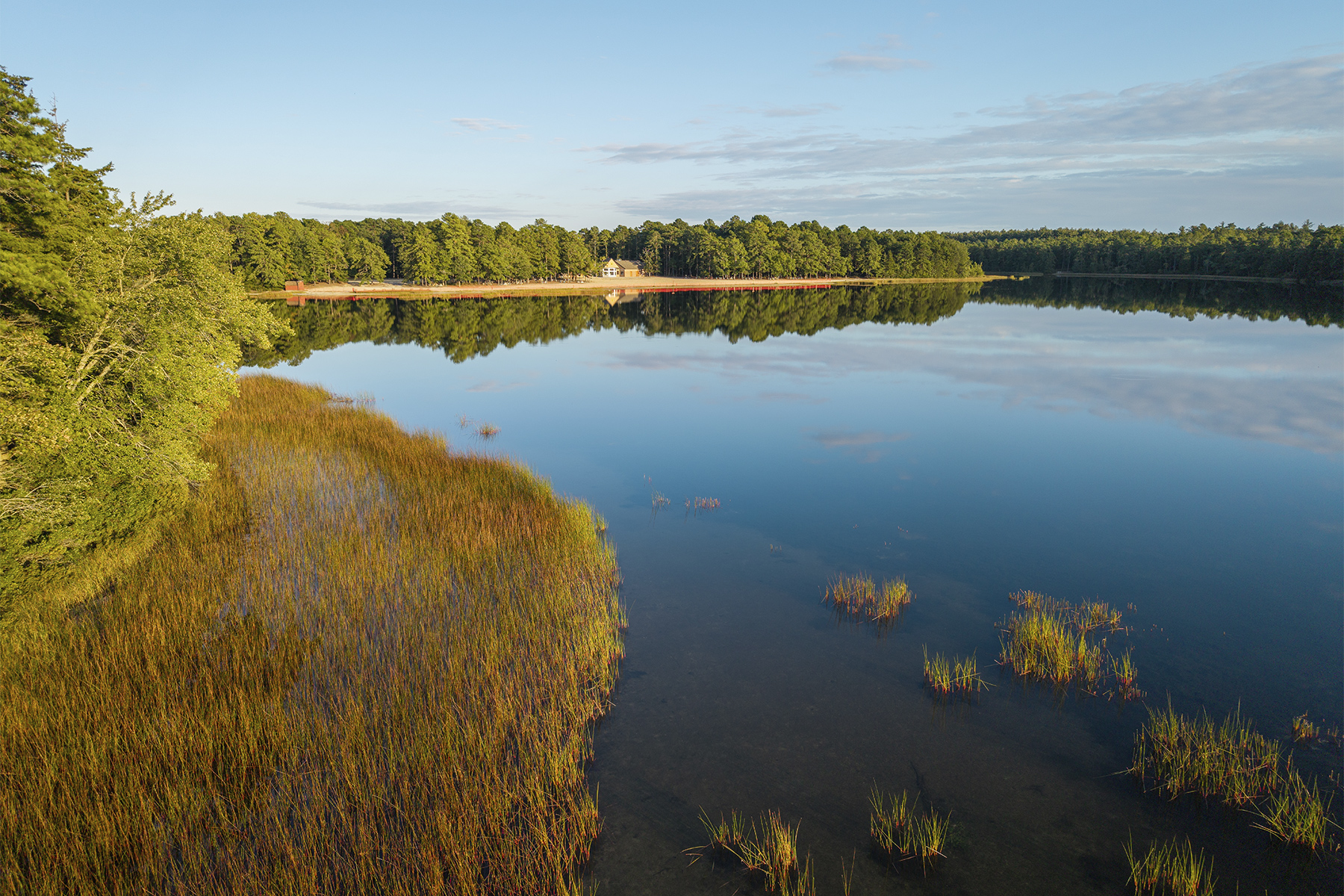
Explore the Pine Barrens / Photograph by Kyle Kielinski
Misunderstood, oft-overlooked, and best known to most Philadelphians as the yawning green liminal space between the city and the Shore, the Pine Barrens are, in reality, magical, if you know what you’re looking for. (What you’re looking for: blueberries, bogs, farm stands, outdoor adventure, homegrown wine, and much natural splendor. And the Jersey Devil, of course.) Here, your guide to all of that and more.
A Love Letter to the Pine Barrens
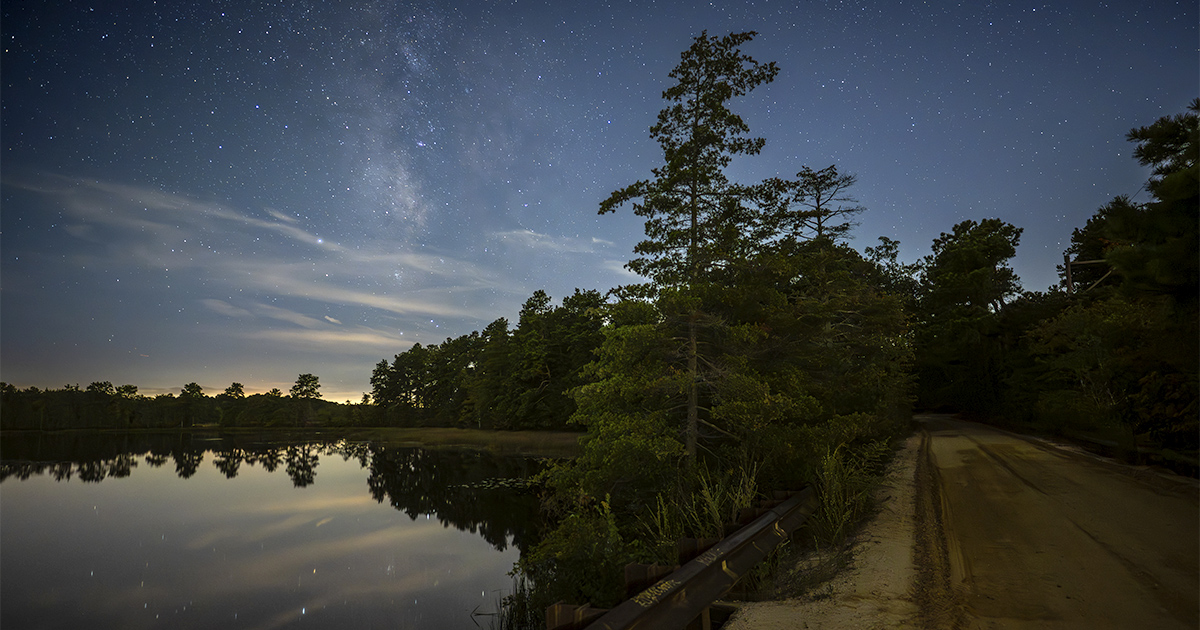
Born and raised among the pitch pines and sugar sand, local author Kim Kelly shares what it was like to grow up as a Piney in New Jersey’s hidden ecological wonderland. Keep reading …
Outdoor Adventures
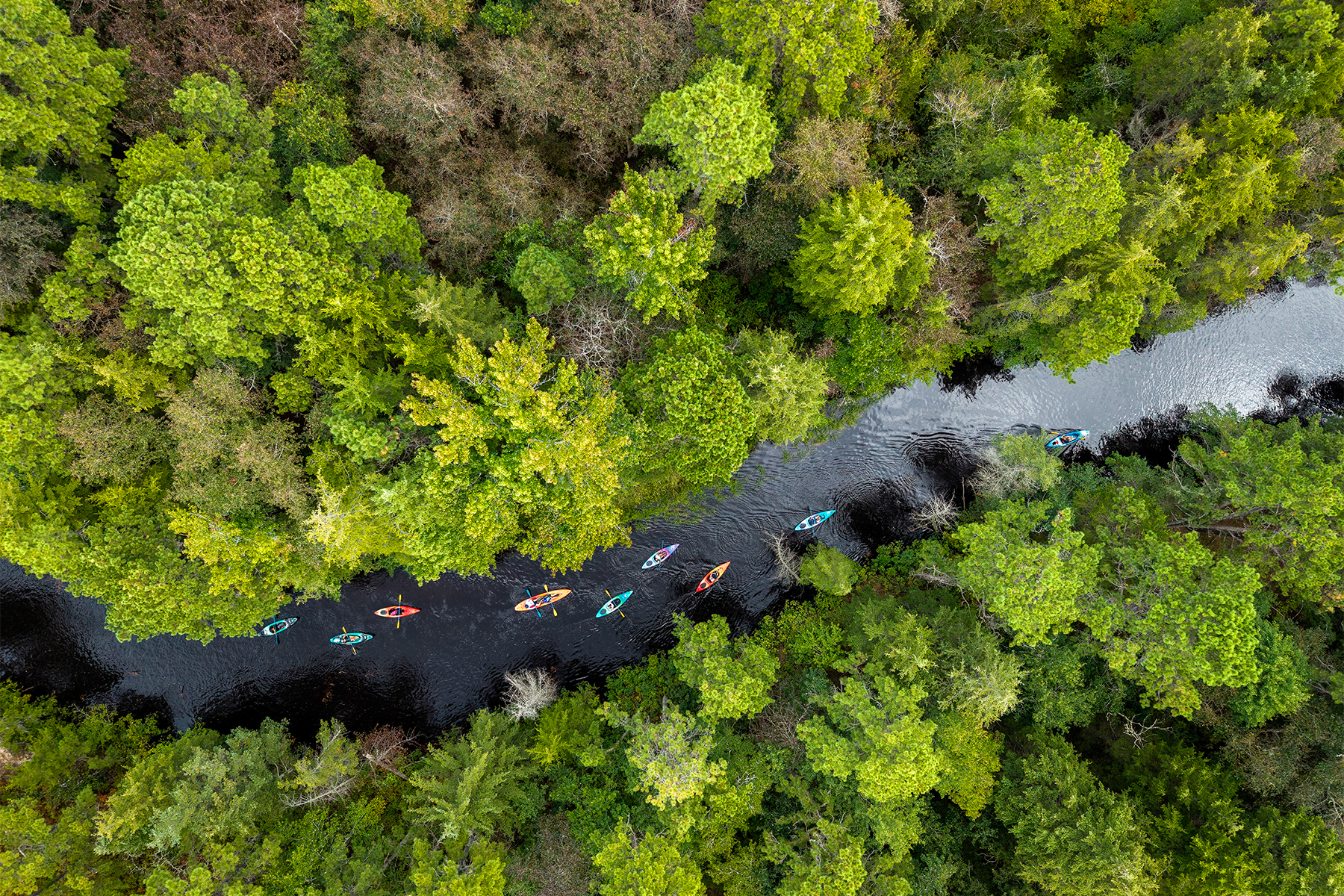
Kayaking on the Batsto River / Photograph by Kyle Kielinski
How to hike, camp, paddle, swim, and become one with all those mesmerizing evergreens. Keep reading …
Sleep Tight
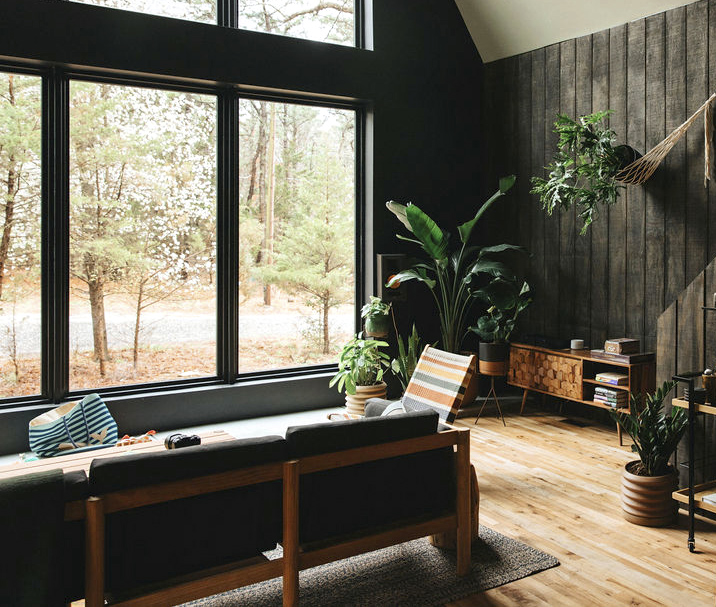
Inside the Lokal Chalet / Photograph by Justin James Muir
Don’t want to camp out? Here’s where to spend a comfier night.
For a woodsy retreat … book the Lokal Chalet (two-night stay from $600) in Egg Harbor City. It’s ideal for small groups and families who want a peaceful, nature-filled escape — without the hassle of pitching a tent. Located on 30 acres of dense forest, this three-bedroom, two-bath cabin satisfies with a fully stocked kitchen; fire pits; a game garage with ping-pong, darts, a mini basketball hoop, and cornhole; and an outdoor hot tub, from which you should absolutely stargaze on at least one evening.
For something posh (and historic) … stay at the sprawling Château Renault (rooms from $189), also in Egg Harbor City. One of the nation’s oldest continuously operating businesses — and arguably its most historic winery — Renault dates back to 1864 and even claims to have produced the first American-style champagne. Treat yourself at the new spa, tour the winery, indulge at the oft-praised Taste 1864 — however you end up spending your time, expect a surprisingly luxurious escape on the edge of the wilderness.
For a little of everything … spend a weekend at La Casita Farmstay (two-night stay from $654). This Instagram-worthy guesthouse, conveniently located for both Pinelands exploration and a day at the Shore, sleeps 10 and blends rustic charm with a beach-house aesthetic. Inside, the bright colors and tropical decor pay tribute to the host family’s Caribbean roots; outside, a farm awaits. Help collect the freshly laid eggs; assist with feeding the goats, ponies, and chickens; or check out the honeybee apiary. If you like a more passive experience, you can just settle in to watch the animals graze in the pasture, cozy up on the porch with a book, and roast marshmallows at the fire pit. — C.S.
Where to Eat in the Pines
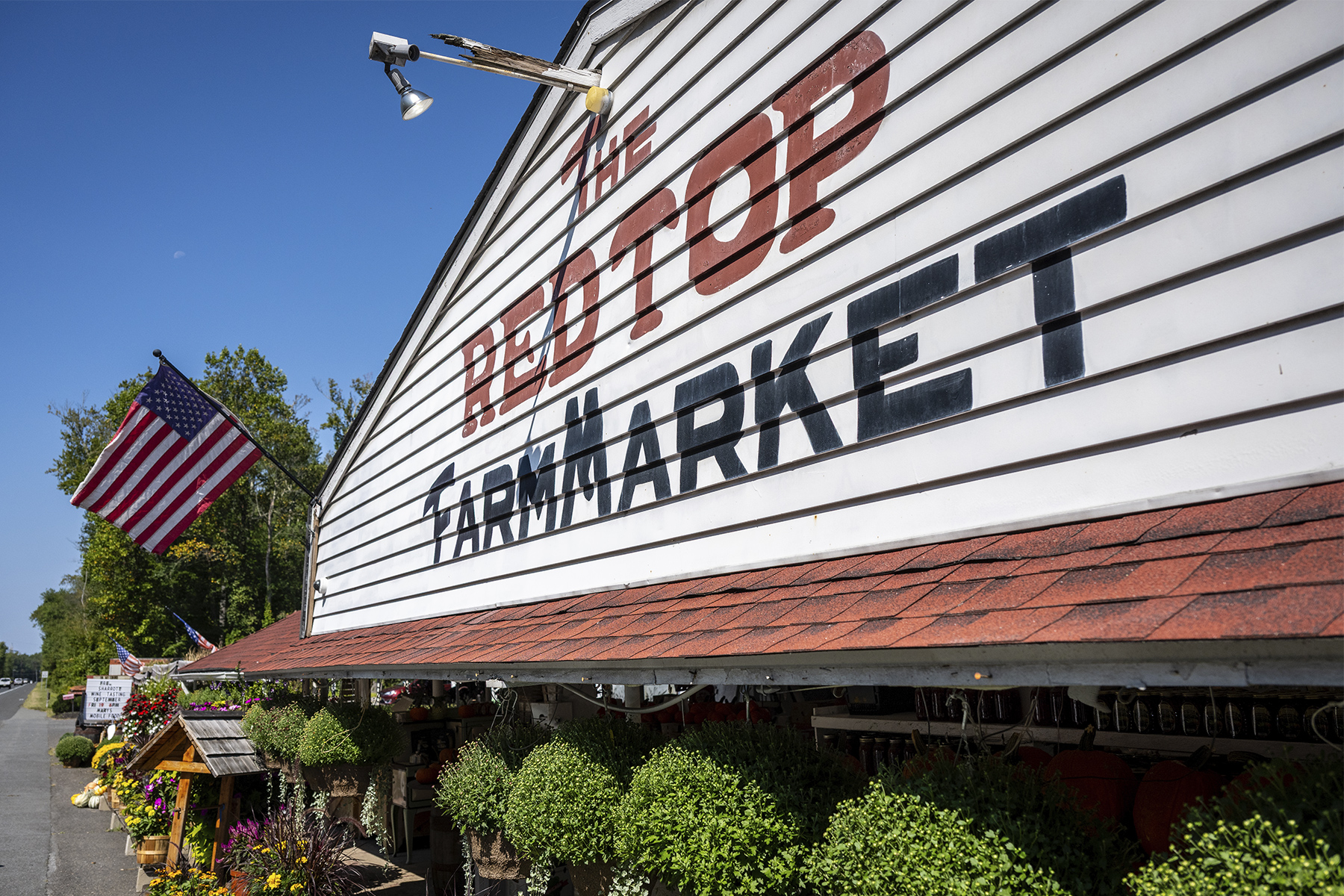
Red Top Farm Market / Photograph by Kyle Kielinski
Stock up on produce grown just down the road, fresh-baked pies, and barbecue you didn’t know you needed at these roadside favorites. Keep reading …
Grape Expectations
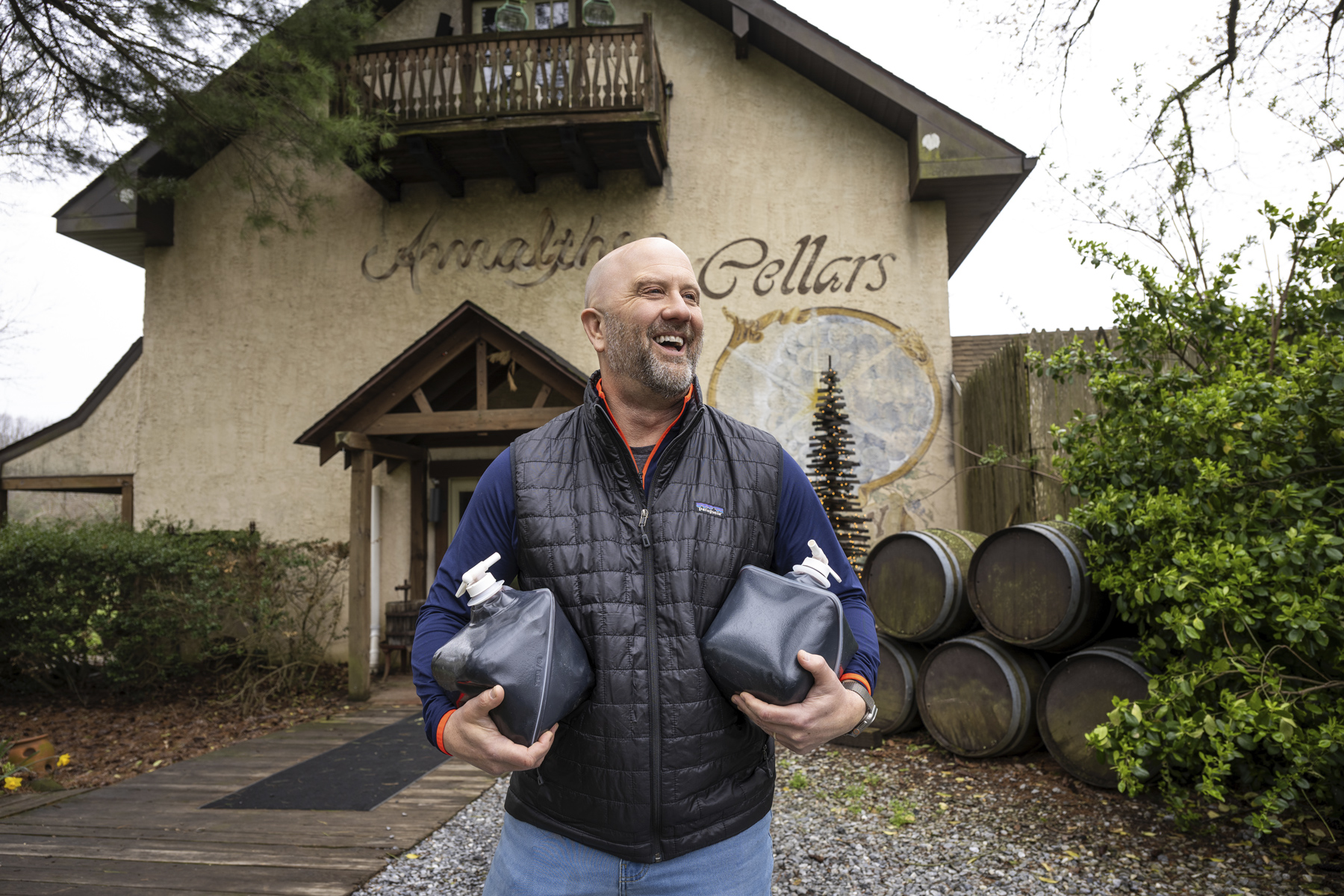
Phil Misata, a frequent customer at Amalthea Cellars / Photograph by Kyle Kielinski
Yes, seriously: There are drinkable wines in this region. You just have to know where to find them.
When it comes to well-known wine regions, the Pine Barrens is probably not among the places most people think of. But New Jersey actually has quite the wine-growing history, dating back to the colonial years. In 2006, the Outer Coastal Plain, running from Cape May to Monmouth County, was established as an American Viticultural Area (a designated U.S. grape-growing region).
The area’s terroir is suited to growing cranberries and blueberries, yes, but also grapes — thanks to, among other things, low hills, sandy soils, plenty of drainage, and a long growing season stemming from the maritime winds coming inland from the Atlantic and the Delaware Bay.
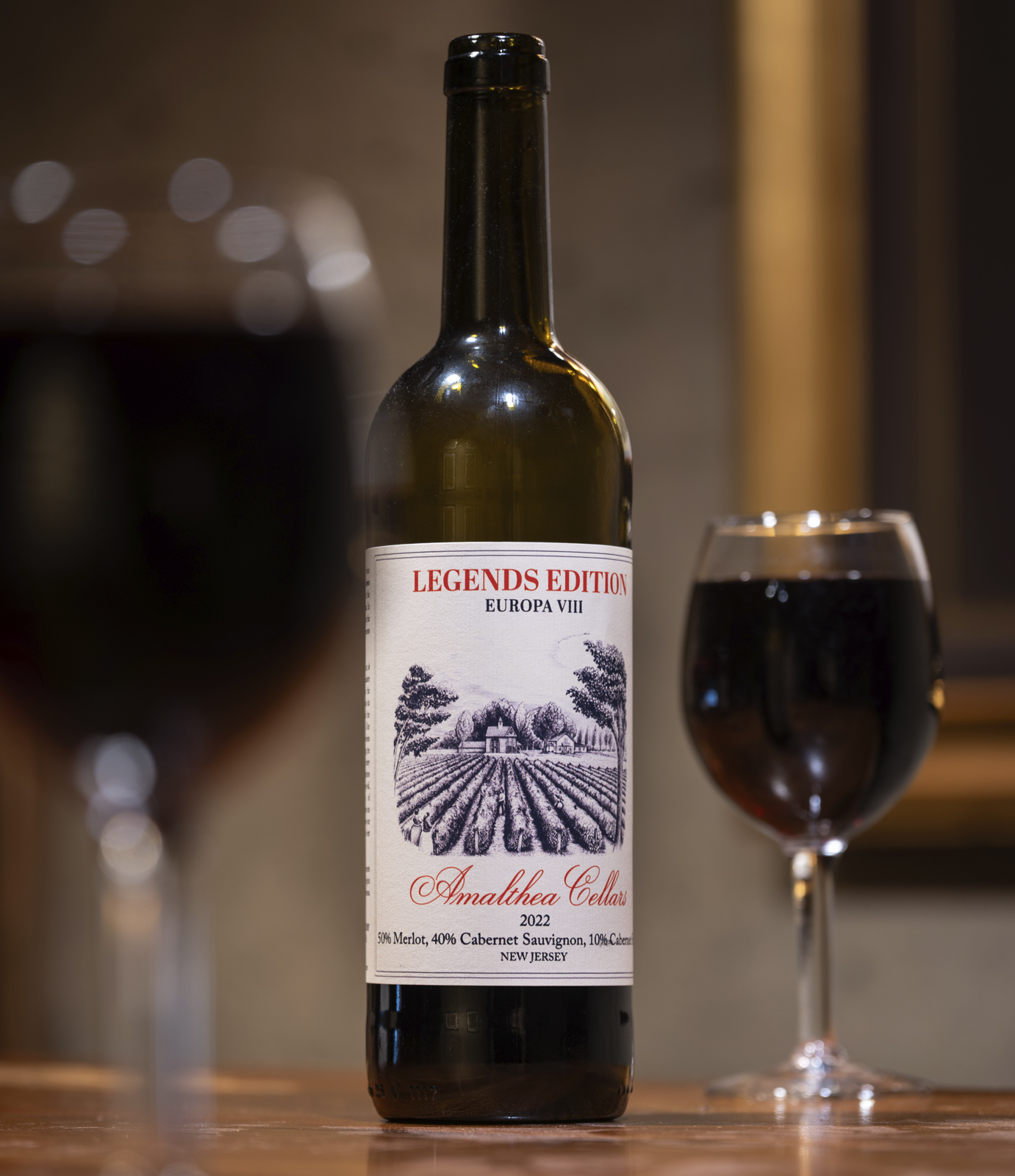
The Europa VIII at Amalthea Cellars / Photograph by Kyle Kielinski
So now you’re saying, Okay, sure: You can produce wine here. But is it any good? We’ll let you make your own judgment, but, after sampling our way through 14 bottles from various local wineries on a recent Tuesday, the (many) wine drinkers on our staff can tell you that Amalthea Cellars in Atco has a strong selection. The Carmé is an easy-drinking, approachable red blend, with the majority of its grapes sourced from Jersey vines. (Amalthea gets its grapes from both its own 10-acre estate and other vineyards throughout the AVA.) The estate-grown Vidal Blanc, while too sweet for some, is layered and complex, with citrus and honeysuckle notes. A clear favorite? The Europa VIII, the latest in Amalthea’s signature series featuring a blend of merlot, estate-grown cabernet sauvignon, and cab franc. The tannins add structure without overpowering the wine, with baking spices (cinnamon, nutmeg) and a hint of tobacco on the nose. We’ll be revisiting the Europa on our next Pine Barrens trek — and you should uncork a bottle too. — K.S.
Pick a Pine Barrens Wine: Cabernet fans, you’re in luck! Winemaker Louis Caracciolo, of Amalthea Cellars, says the Pine Barrens lends itself to cabernets both sauvignon and franc. The longer growing season gives the reds more time to hang on the vines. Bordeaux native Edward Sparks, winemaker and vineyard manager of White Horse Winery in Hammonton, agrees. But if you’re looking for a good white, Sparks suggests going for an albariño. The Spanish varietal — known for its crisp acidity and citrusy notes — likes the heat and humidity of the Outer Coastal Plain. — K.L.P.
Legends and Lore of the Pines
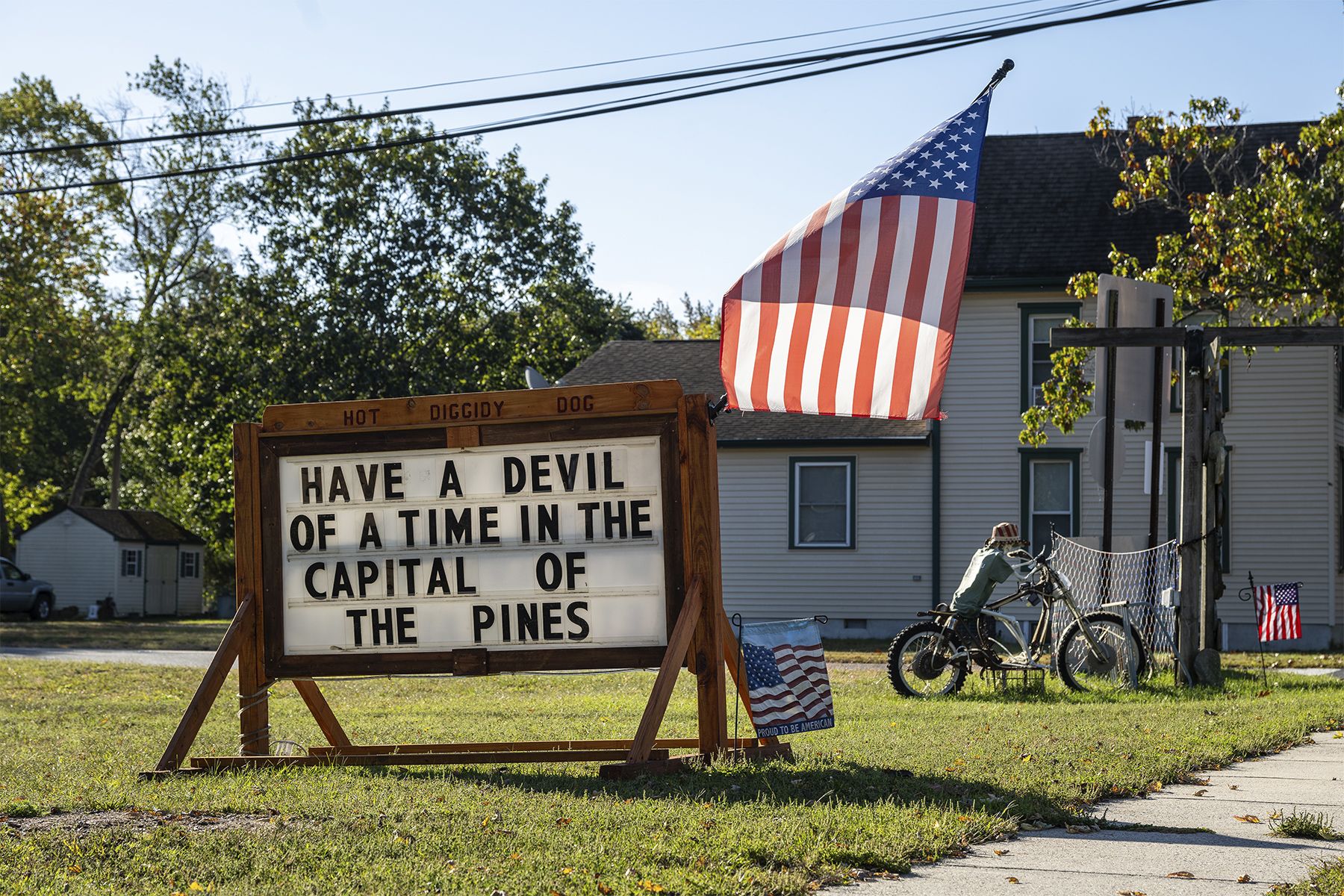
Photograph by Kyle Kielinski
Most people have heard about the Jersey Devil. But the Pine Barrens is brimming with spooky specters, unexplained phenomena, and paranormal entities — or at least lore about them all. With your eyes (and mind) open, you might just spot one out in the woods. Keep reading …
On Tour
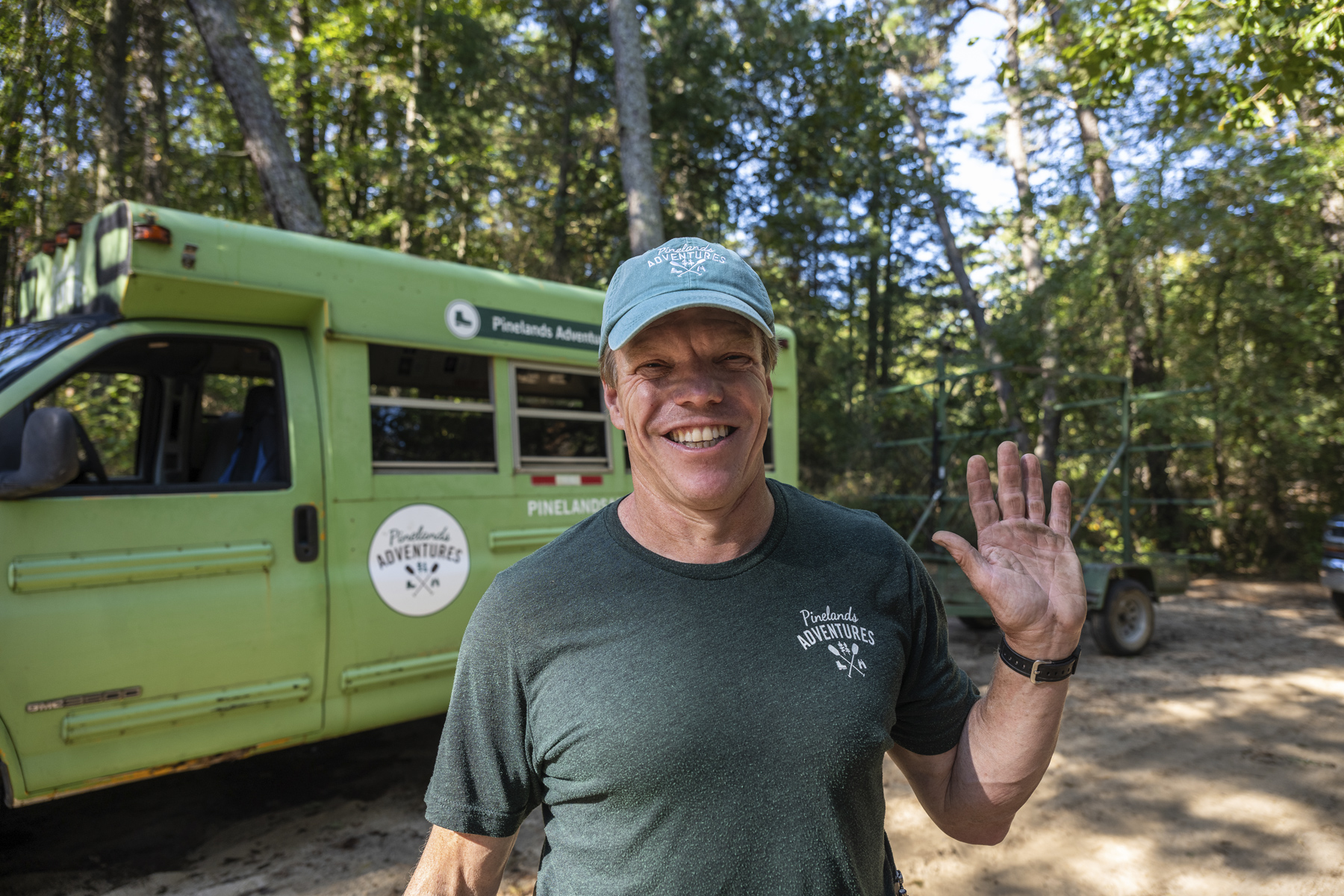
Pinelands Adventures tour guide Kevin Wilson / Photograph by Kyle Kielinski
Six fun ways to get to know the Pine Barrens:
Sure, you could just wander the Pines alone and hope to see some sights, but then you’d miss out on all the stories and history of the place. Like, for instance, the vital role it played in the early industrial revolution. Free walking tours of Historic Batsto Village leave from the visitors center and take you into the epicenter of New Jersey’s early glassmaking and bog iron industries. (Take note: You’ll want to call ahead to see if a tour is offered the day of your visit and what time it departs; programs are offered based on staff availability.) Expect to stroll past ruins and buildings from the late 18th and 19th centuries — including the post office, one of the four oldest operating in the U.S. today. Or delve even deeper into the region’s forgotten contributions with the Lost Industries in the Pines tour, which departs by bus from the Pinelands Adventures office in Shamong and explores this post-industrial forest, once a thriving community centered on ironworking, glassmaking, and lumber and cranberry production. You’ll hop off the bus to explore on foot remnants of its heyday, including an old iron furnace and cranberry bogs, listening to an expert guide weave tales of history that has all but disappeared. Want to head out at your own pace? You might try Deep in the Pines, a free app that uses augmented reality, audio guides, and interactive maps to introduce local myths and legends, forest foraging, and native fruits — those blueberries and cranberries, natch — that have helped define local agriculture.
If science is more your thing, there’s also Pinelands Adventures’ family-friendly Pine Barrens Discovery Tour, an aquatic adventure combined with an ecology lesson that takes you by kayak through the waters of the region. Keep your eyes peeled for beaver lodges as you glide through Goshen Pond (be gentle with those paddles!), and trek along the banks of the Mullica River, where guides will point out local plant life (like bug-eating carnivorous pitcher plants) and the creatures, including painted turtles, that call these wetlands their home. You can even try your hand at dip-netting to get a closer look at water insects and fish.
Finally: Other tours take you down a different path as the sun sets and this cedar wonderland comes to life. History and the supernatural intersect as guides of the Spooky Lantern Walks at Whitesbog Historic Village tell tales of the creatures and spirits one might encounter after dark. But it’s not just about ghouls and goblins: The Pine Barrens boasts some of the East Coast’s darkest skies, regularly drawing astronomers there to study the heavens. For the rest of us (including your curious kiddos), public star watches to glimpse planets and meteor showers are regularly hosted by the West Jersey Astronomical Society at Batsto Village, Smithville Park, and Atsion Field. Look up! — C.S.
Greetings From Hammonton
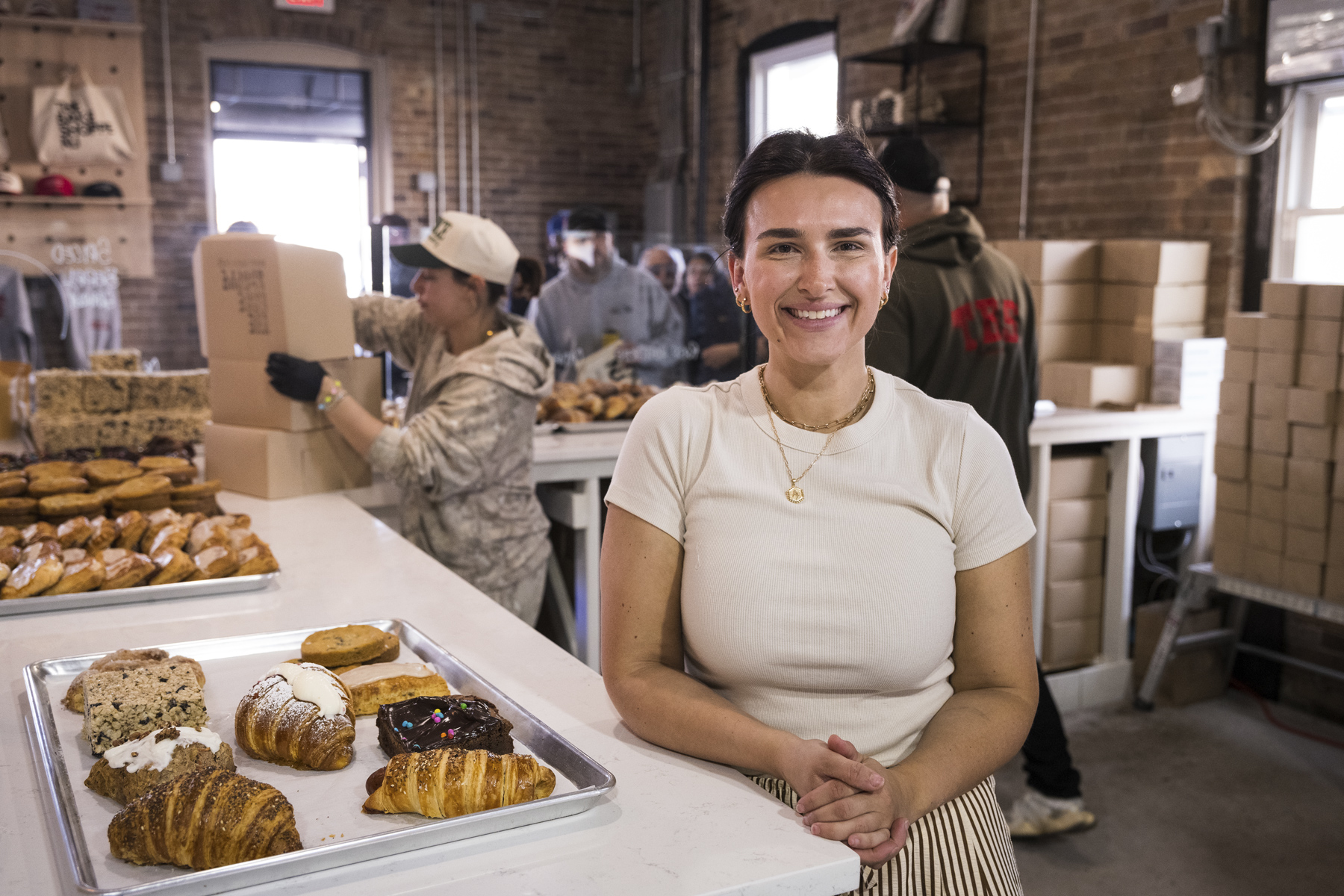
Owner Amanda Richardson at The Bakeshoppe / Photography by Kyle Kielinksi
Yes, it’s the blueberry capital of the world, but there’s more to this charming town than just fresh fruit. Keep reading …
Jersey Made
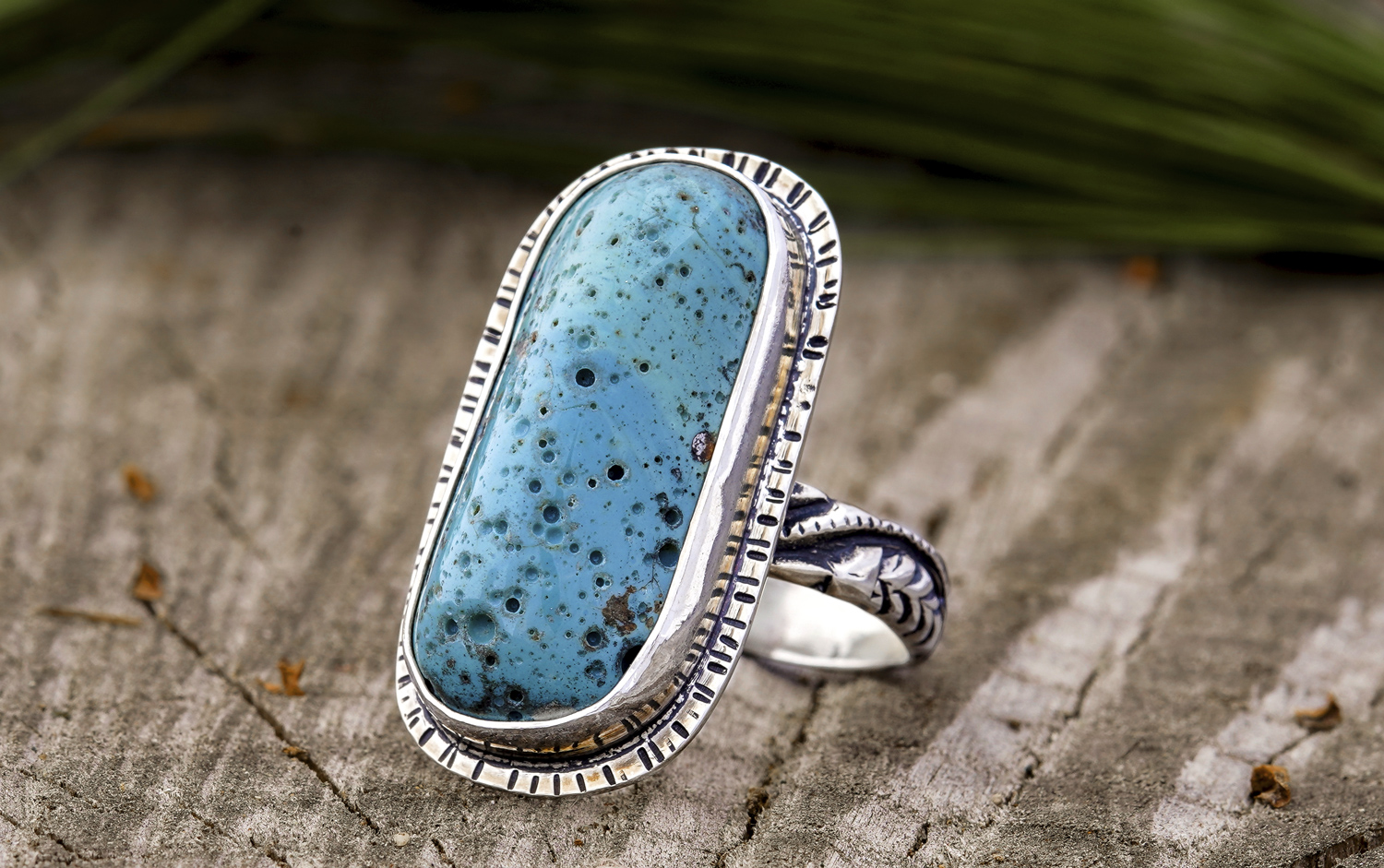
Slag ring by Michele Cole, $182 / Photograph by Michele Cole
The Pines’ thriving community of artisans use found and natural materials to create their one-of-a-kind wares.
An apiary and herbal homestead, Pine Barrens Post produces everything from artisan honey to natural skincare products. Owner Lauren Vitagliano is in the process of building out and opening a brick-and-mortar in Sweetwater this summer, where you’ll be able to pick up a few of her beeswax candles, made using antique bottles she dug from the banks of the Mullica River. “They hold stories, and rather than throw them away, I think it’s a special way to honor items of the past,” she says.
The folks behind the Pine Barren Makers Fest, set for September 19th and 20th in Hammonton, also run Pine Barren Pallet Works, specializing in woodworking — charcuterie boards, reclaimed tables, mosaics, and smaller items like sweet custom maple or walnut stamps that will make you want to press your design on everything.
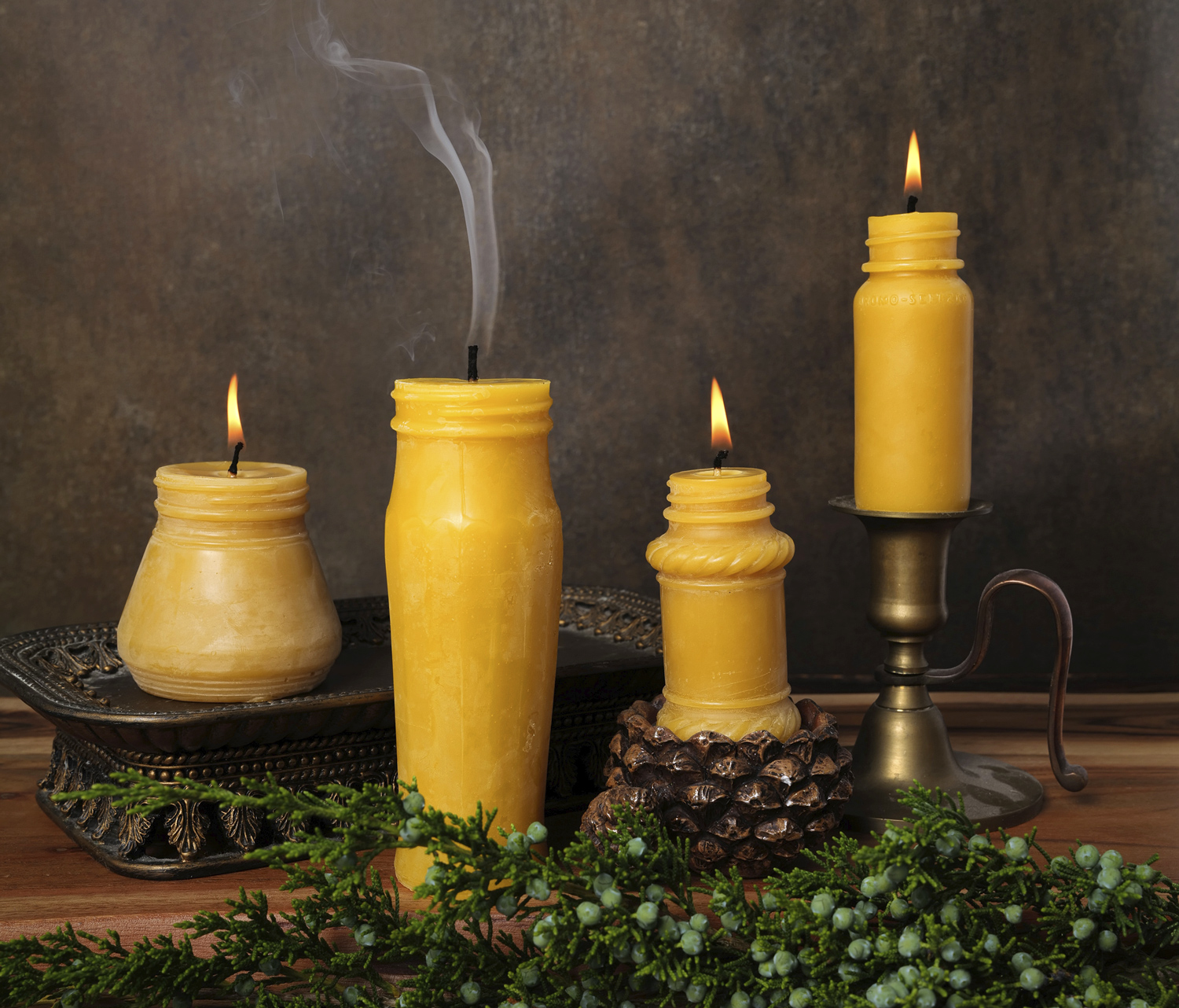
Antique bottle beeswax candles by Pine Barrens Post, from $10 each / Photograph by Linda Taylor/Campe Studio
Jewelry designer Michele Cole and her husband find, cut, and polish Pine Barrens slag glass — a by-product of 18th- and 19th-century iron ore smelting — before she turns them into one-of-a-kind rings.
Misfit of Mourning takes the dearly departed creatures of the natural world and beautifully preserves them with moss and dried florals in shadow boxes, glass jars, and cloches.
The beaches, marshes, and woods are where Skelfish Metals artist Mike Neall finds inspiration for his art pieces made from stainless steel, including a hanging sunflower, heat-treated to bring its yellow-gold hue to light. You can find all artists at farmers markets around the area or via their websites. — K.S.
Published as “Secrets of the Pines” in the May 2026 issue of Philadelphia magazine.