Meet the Rest of This Year’s Health Hero Challenge Semifinalists
Learn more about who they are, what they do, and what they stand for.
Last week, we introduced you to five of the 10 semifinalists of this year’s Be Well Philly Health Hero Challenge presented by Independence Blue Cross. Today, you get to meet the rest!
Remember, you can cast your vote once per day, every day, through July 31st for who you believe should be named the 2025 Health Hero and win a $15,000 donation to their selected charity. (The two runners-up will each win a $2,500 donation to their charities of choice.)
Without further ado, meet the second half of the semifinalists:
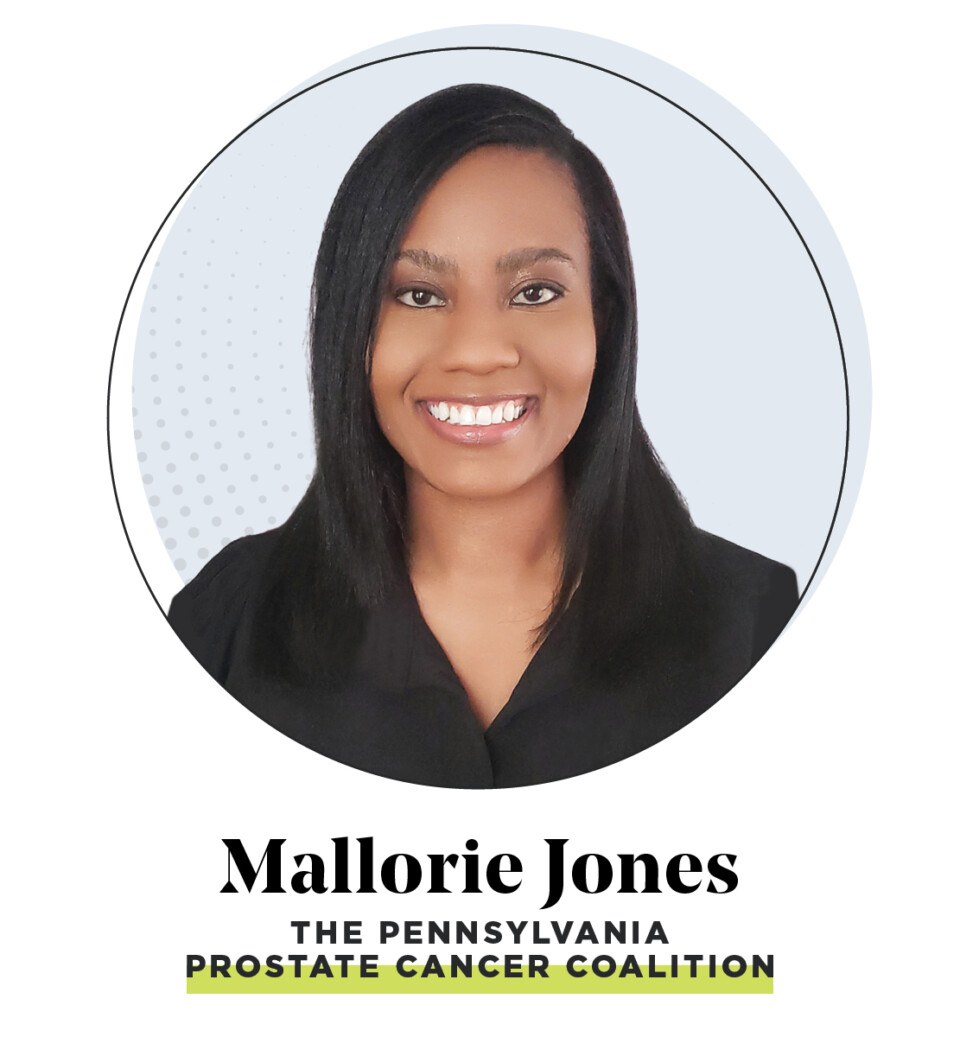
Who: Mallorie Jones, project manager of Health Equity, Community Outreach, and Community Engagement at the University of Pennsylvania and the Abramson Cancer Center. Jones helped curate and launch Penn’s first mobile prostate cancer project, which has screened and educated approximately 1,000 men in and around Philadelphia.
Nonprofit of choice: Pennsylvania Prostate Cancer Coalition, which aims to educate men on prostate cancer screenings and risk factors, and provide general prostate cancer education in the state of Pennsylvania. According to the American Cancer Society, “about one in eight men will be diagnosed with prostate cancer during their lifetime, but each man’s risk of prostate cancer can vary, based on his age, race/ethnicity, and other factors.” Prostate cancer is the second-leading cause of cancer death in American men.
What motivates you to improve the lives of your community members?
“I started my work because I wanted to increase access to life-saving care and resources to underserved people in my community. A few months after traveling, meeting with different people, and talking about the importance of PSA testing for prostate cancer, I was able to convince my own health-reluctant father to get his PSA test. If I hadn’t done that, we would not have been able to catch his early-stage prostate cancer. He went on to be treated and cured of prostate cancer, and volunteers with me to speak with other men who may be hesitant about testing. Although general health and education motivated me to begin with, it is the fact that every man is someone’s father/son/brother/cousin/uncle/son/somebody that motivates me today. Every person in my community is someone’s someone, and that means they deserve all of the care, attention, and assistance that I can possibly give.”
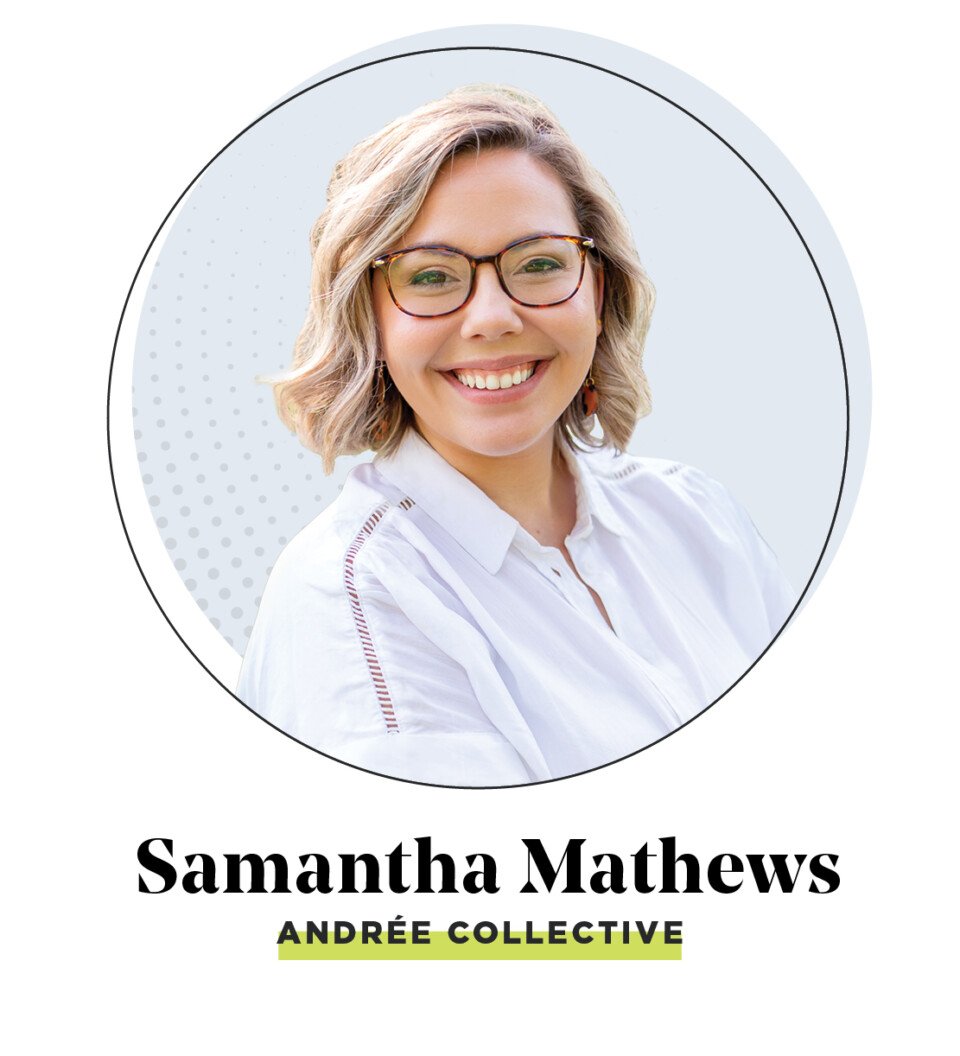
Who: Samantha Mathews, a licensed professional counselor specializing in trauma who founded Andrée Collective to support female survivors of domestic violence, sexual assault, and human trafficking.
Nonprofit of choice: Andrée Collective, a nonprofit that provides integrated services to address the core challenges survivors face: emotional recovery, financial insecurity, and employment gaps. Through trauma-informed individual and group counseling, financial literacy courses, and a hands-on apprenticeship program in the wedding and events industry, Mathews says the organization helps women heal, gain independence, and build sustainable careers
What motivates you to improve the lives of your community members?
“Andrée Collective was born from both my lived experience and professional work with survivors. Having witnessed the devastating effects of domestic violence during my younger years, I’ve long been motivated to champion female survivors of abuse. Early in my career as a trauma therapist, I recognized a critical gap in services for women trying to rebuild their lives after leaving abuse.
What keeps me going, especially on the hard days, are the moments of breakthrough. Sometimes it’s in a therapy session when a survivor begins to believe she’s not alone. Other times, it’s when a woman masters a new job skill and uses it confidently while working an event. Often, it is in the community created by the work we do at Andrée Collective, spaces where survivors and staff alike recognize that they are not alone. Witnessing these moments of transformation, of women stepping into their power, is what fuels me to keep showing up, building, and advocating.”

Who: John Matthews, who founded Ride Hard Breathe Easy in 2019 in memory of his mother, who died of lung cancer. Prior to establishing the nonprofit, Matthews cycled across the United States to raise money and awareness for lung cancer.
Nonprofit of choice: Ride Hard Breathe Easy, which helps vulnerable lung cancer patients — those struggling to afford the basics that allow them to “breathe easier” — with things like getting a ride to an appointment, staying nourished, and keeping the lights on during the most difficult time of their lives, according to Matthews.
What motivates you to improve the lives of your community members?
“A week before she died, I promised my mother that I would ‘do something.’ That promise started with a cross-country bike ride and has driven every step I’ve taken since to support lung cancer patients.
My parents, who raised six children with grace and grit, instilled in us the value of giving back. My mother, born on a farm in County Mayo, Ireland, often reminded us, ‘Many hands make light work.’ Her compassion and wisdom guide our mission every day. And today, dozens of volunteers have joined that mission, helping us ensure that 92 cents of every dollar we raise goes directly to patients.”

Who: Samuel Menaged, founder and president of The Renfrew Center, which opened in 1985 as the United States’ first residential eating disorder program.
Nonprofit of choice: The Renfrew Center Foundation, a nonprofit “built on the belief that education, research, and advocacy are essential tools in the fight against eating disorders,” says Menaged. Since 1990, the foundation has provided free and low-cost educational resources, hosted national conferences, and supported research that informs more compassionate care.
What motivates you to improve the lives of your community members?
“I’ve been guided by the voices and experiences of those we serve — courageous women and girls who have entrusted us with their stories and allowed us to walk beside them in their recovery. Their strength, resilience, and capacity for growth continue to motivate me every single day. My commitment has always been to create spaces where healing feels possible — where patients are met with compassion, instead of judgment, and where community becomes a vital part of recovery.”
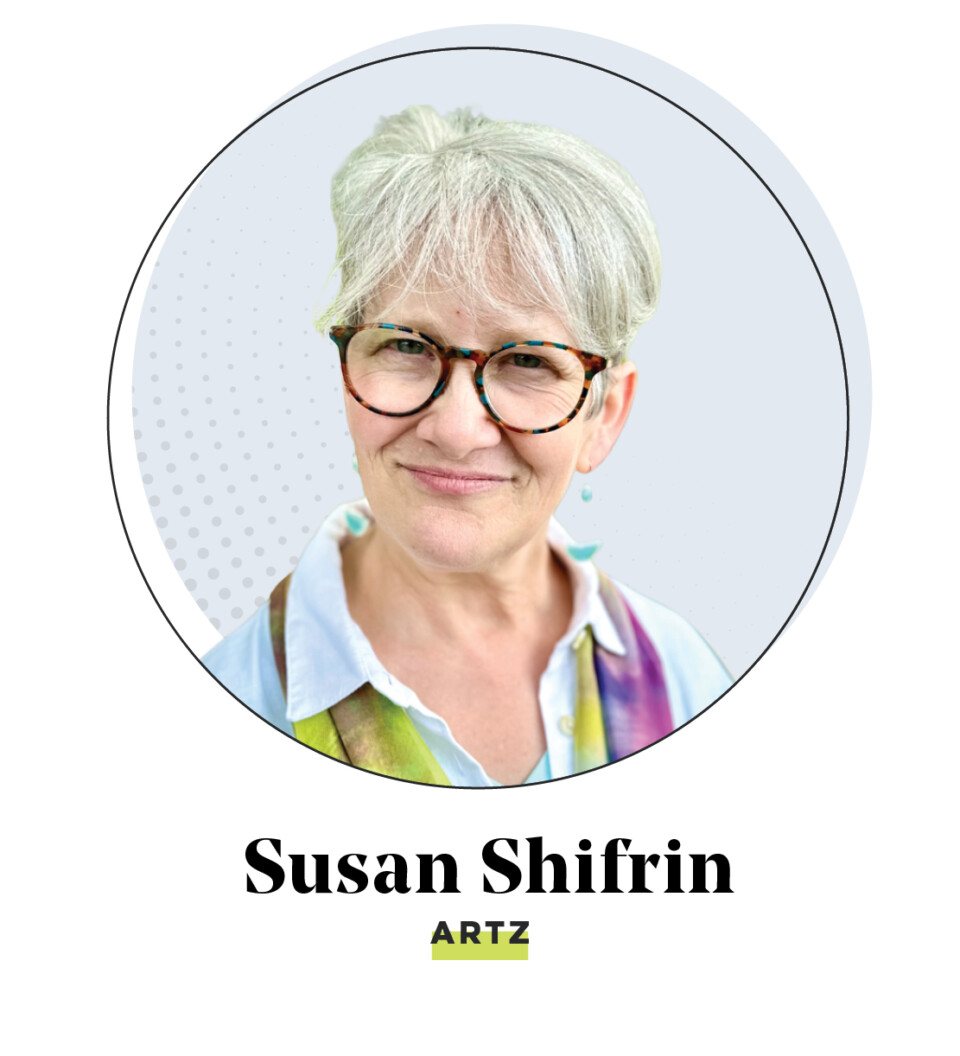
Who: Susan Shifrin, an art historian, curator, educator, and arts accessibility champion who founded ARTZ Philadelphia in 2013.
Nonprofit of choice: ARTZ Philadelphia, a nonprofit whose mission focuses on improving quality of life for — and diminishing the impact of stigma on — people affected by dementia and their care partners. The organization’s programs “connect people with dementia and those they love with artists, cultural organizations, and each other.”
What motivates you to improve the lives of your community members?
“My mother lived with dementia for nearly twenty years, so I have lived this story in my own life as a care partner, [which] helps [me] guide the care partners with whom I work as ARTZ Philadelphia’s director. I want them to be more informed, more empathetic, more supported, and more forgiving of themselves than I was as a care partner. And likewise, I want the people with dementia who become part of our community to feel seen, heard, validated, and valued for whoever they are in this moment, as hard as it is for their families to think of them as not who they were in past years.”
Vote once per day, every day, now through July 31st!