How Pennsylvania Farmers Are Adapting to the Apple Shortage
A historic frost decimated apple orchards this year, but farmers are creating ways to still make the most out of fall.
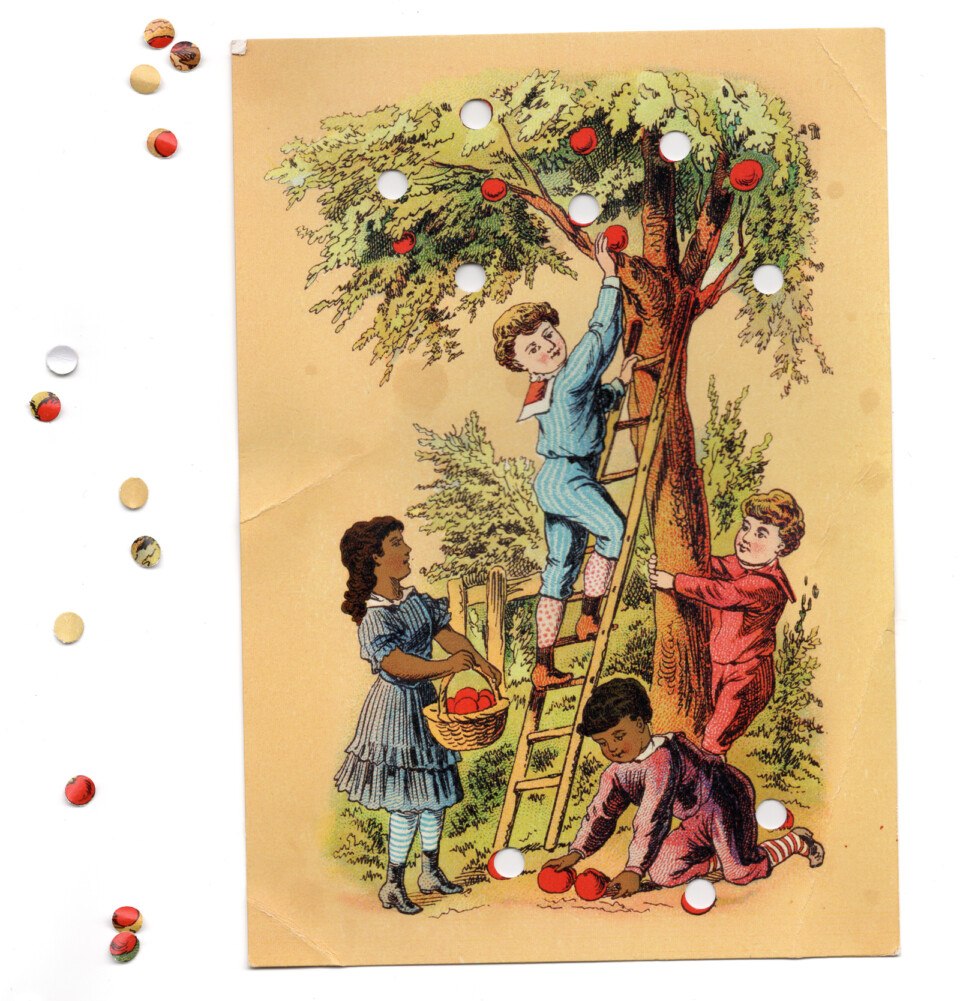
Where have all the apples gone? / Illustration by Leticia R. Albano
Listen to the audio edition here:
The trouble began in April. A record-breaking heat wave coaxed Pennsylvania’s fruit trees to drop their petals early. But days later, once flowers had made way for fruitlets, an unseasonable freeze rolled in. Another would arrive by month’s end. The result? Apples left discolored or hollowed out by “frost ring,” along with cropless acres of pears, peaches, and plums. Local fruit farms hadn’t seen a loss of this magnitude since the 1930s.
“I’m projecting about five percent of the apples we normally have,” says Jeremy Zeager, a manager at Highland Orchards in West Chester. That number is in line with what many other fruit farmers are facing. The total damage is estimated to be close to $200 million, including a loss of 70 percent to 90 percent of the state’s apples, according to the Pennsylvania Department of Agriculture.
So, are we looking at apple austerity this fall? Yes and no. Depending on how you like to celebrate peak apple season, you might just need to adjust your expectations.
At Highland, for example, which primarily focuses on a pick-your-own business, Zeager says to expect limited hours and far fewer varieties of apples than the 50 they typically have on hand. “I’m looking at my Honeycrisp trees right now, and I’m not seeing much,” he says. (As for which varieties fared better or worse, it varies from farm to farm, due to where trees were planted and their elevation.) The price of cider may increase too, given the likelihood of needing to ship in some apples from outside the mid-Atlantic, Zeager says. “New York’s in the same boat as we are, so the stuff is going to have to come from farther away.” Plus, there’s the current cost of diesel fuel.
But it’s not all bad news. Highland, like plenty of orchards, will still offer hayrides, a corn maze, and adult beverages to enjoy, along with a bevy of crops unmarred by the freeze.
Don’t cancel fall, in other words. “We still have pumpkins. We still have doughnuts. Nothing is preventing us from making cider ice [a slushy-like drink], which people really like,” says Nathaniel Woosley of Solebury Orchards in New Hope. “It’s still important to support local farms that have had these losses.”
Beyond the impact on local farmers, the freeze is troubling Pennsylvania’s alcoholic cider industry as well. Craft cideries — there are roughly three dozen, twice as many as a decade ago — are coming to terms with the fact that certain blends may not be possible this year, or they might taste different, or due to crop scarcity they might carry higher price tags.
“The big elephant in the room is that prices are up on everything,” says Brian Dressler, co-owner of Dressler Estate, a cidery and bar in Downingtown. “It’s taken discretionary dollars out of the wallets of consumers that might be used on our products.”
The very thing that makes craft cider so special — an emphasis on hyperlocal sourcing of ingredients — is forcing cider-makers like Dressler to rely on existing inventory while they make contingency plans, such as sourcing from Michigan or Wisconsin, for winter production. Consumers can help both cideries and farms in one fell swoop by partaking in those beverages this fall.
“Trying cider is a great way to support local agriculture,” says Ben Wenk, a seventh-generation fruit farmer and owner of Ploughman Cider, which operates Pip’s Taproom in Fishtown. “No single weather event is going to change that.”
Five Ways to (Still) Do Apples This Fall
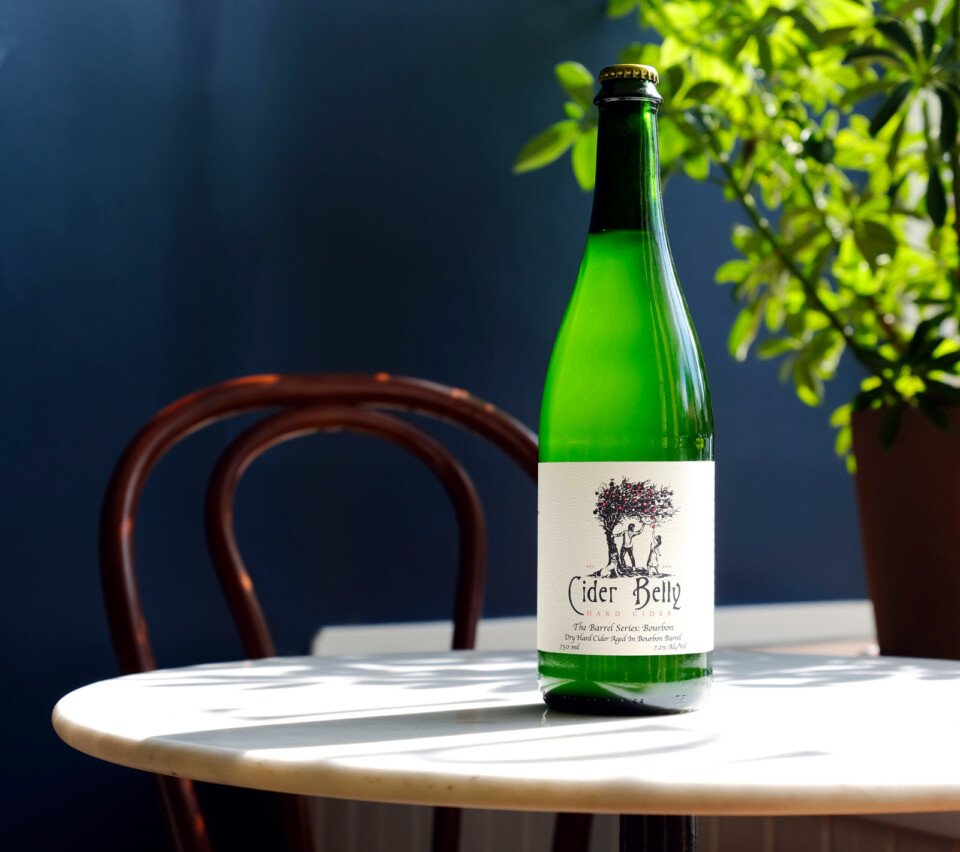
A bottle of cider from Cider Belly / Photograph by Billy Cress
1. Enjoy Philly Cider Week
From pop-up cider speakeasies to guided tastings at various locations in the city and suburbs, the region’s premier cider event returns from October 25th through November 1st.
2. Try a Taproom
Cideries are well stocked for the fall despite the poor harvest. Whether it’s Pip’s in Fishtown, Cider Belly in Chestnut Hill, or Dressler Estate in Downingtown, the region has a deep bench of craft talent.
3. Plant Future Seeds
The Bucks County Foodshed Alliance is trying to raise $100,000 for local fruit farmers. Until October 1st, you can donate directly on the 501(c)(3)’s website or visit a fundraising partner like Owowcow Creamery, which is pledging proceeds.
4. Pick Your Own Whatever
Sure, plenty of orchards will still have pick-your-own apples — but only while supplies last. You can support local farmers by going to pick pumpkins, vegetables, and other crops too.
5. Slurp Cider Ice
At Solebury Orchards in New Hope, this delicious concoction — essentially, cider meets water ice — will cushion the blow if you can’t go apple-picking.
Published as “Where Have All the Apples Gone?” in the September 2026 issue of Philadelphia magazine.