A Three-Course Meal for $20? Honeysuckle Midday Tackles Restaurant Accessibility
From daily harvest platters to Creole-spiced scallops, the sliding-scale menu offers award-winning food at prices tailored to every budget.
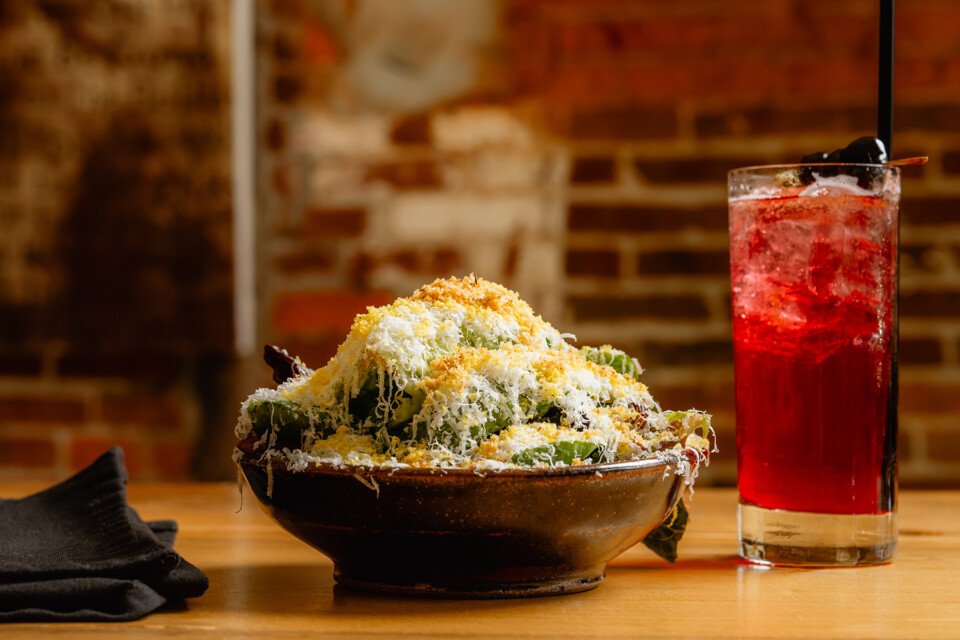
Blackcaesar at Honeysuckle / Photograph by D. Knoll
Listen to the audio edition here:
Last week, I told you about the global “Pay-What-You-Can Day” dinner happening at Post Haste in Kensington on August 26th, and its weekly dinner services that operate under the same model. Now, Omar Tate and Cybille St. Aude-are bringing the idea to Honeysuckle, their phenomenal North Broad Street restaurant.
On September 17th, the couple will launch “Honeysuckle Midday,” a pay-what-you-can lunch service that will gather some of the best dishes from their dinner menu into a three-course prix-fixe format. Guests can opt to pay $20, $35, or $55 — whatever they can afford or are comfortable paying.
The idea is part of a movement happening in the global restaurant industry right now, which is reckoning with issues of community, accessibility, and value for consumers. It asks a large question: What is hospitality worth if not everyone can take part in it? The individual efforts of Post Haste, Honeysuckle, and others are small-scale experiments in how to make the experience of dining out more equitable. Though the approaches vary, they’re fueled by an urge to care for and engage with the community of neighbors in which the restaurants exist.
And “experiments” is exactly the right word here because there is no easy, one-size-fits-all answer to the questions being asked. Restaurants are businesses. They have bills, expenses, and payroll to cover. They have to keep the lights on. But hospitality, at its most elemental, is about welcoming people in and feeding them. Pay-what-you-can meals and sliding-scale pricing are attempts to reconcile these competing differences with the increasing inability of people to afford the comforts of a simple meal out.
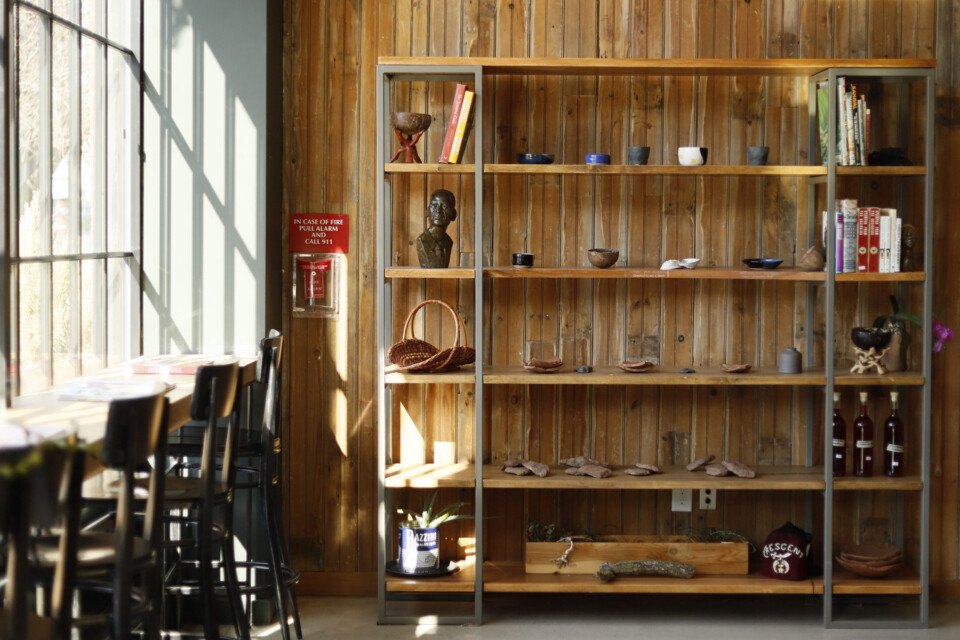
Honeysuckle / Photograph by Haamza Edwards
Philadelphia has tried this before. EAT Café, for example — a West Philly nonprofit restaurant that opened in 2016. It operated entirely on a pay-what-you-can model for a couple years, but then closed in 2019 — evidence, perhaps, of both the appeal of the idea and the difficulty of sustaining it.
Honeysuckle is trying a more limited version: Every Wednesday, Thursday, and Friday, from 11 a.m. to 3 p.m. Omar, Cybille, and their crew will serve a three course lunch drawn from its regular repertoire. And the opening menu looks solid, with first-course options like the daily harvest platter (rotating selections from their partner farms), the excellent salad russe, and clabber — Creole-spiced scallops with a West African XO sauce and Osetra caviar. There are mains like epis-roasted chicken seared in coconut fat, BBQ sweet potatoes, mussels Escovitch or beef and broccoli. And, to finish, bean pie or water ice. If you’re down for it, you can also do add-ons (like the fish hoagie and McDonald’s Money Burger topped with caviar and truffles) for an additional cost.
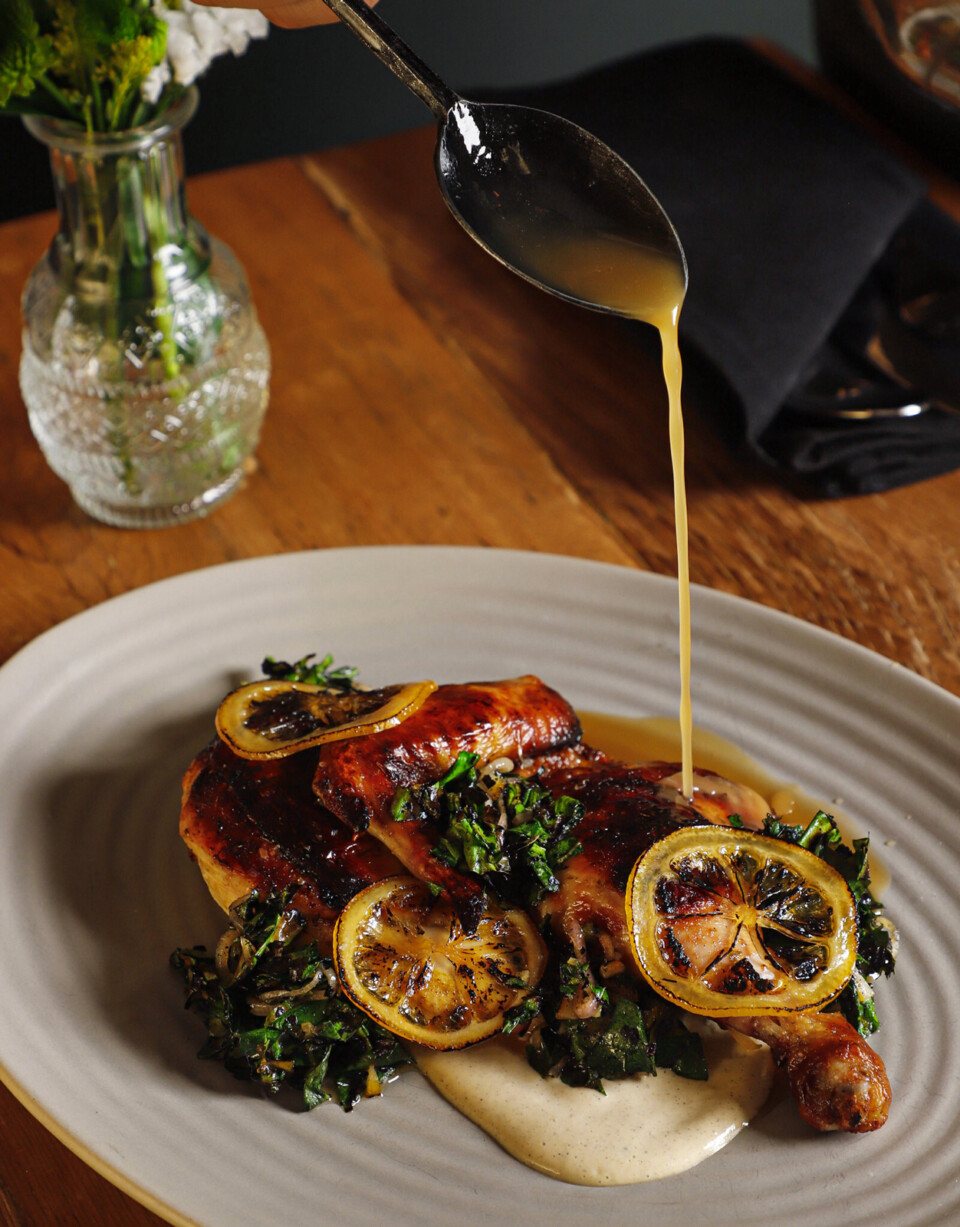
Epis Roasted Chicken at Honeysuckle / Photograph by Haamza Edwards
So the Honeysuckle team is not short-changing anyone. They’re offering a full-on tasting with greatest hits pulled from their award-winning dinner menu, only at a price meant to let more people through the door. And that, of course, is the entire point: If accessibility is going to mean anything, it can’t simply mean offering people who have less a lesser experience. If you want someone to have the experience of a meal at Honeysuckle, you’ve got to do what Honeysuckle does best. You’ve got to be Honeysuckle, no matter the price point. And that’s something that Omar and Cybille understand. In order to truly model accessibility and hospitality, sometimes you have to just open your doors and serve. It may not totally solve the problem of inaccessibility the restaurant industry faces, because, honestly, nothing ever will. Not completely. It’s too big and unwieldy, forever at the mercy of unpredictable market forces. But there’s decency in the attempt.
And these programs are exactly that: an attempt. At equity. At responsibility. At community. At hospitality for everyone. And an attempt will always be better than doing nothing at all.