Meet the First Five Semifinalists of the 2026 Health Hero Challenge
Get to know their selected charities and what motivates them to help others.
Last week, we announced the 10 semifinalists for this year’s Be Well Philly Health Hero Challenge presented by Independence Blue Cross.
To give you a better sense of who they are and the charities they’re supporting, we’ll be posting information about all 10 semifinalists over the next two weeks — what they do, what makes them heroes to so many, and what nonprofits they tirelessly support. We think you’ll be as inspired as we are about all they’re doing to improve the well-being of their community members.
As a reminder: You can vote once per day, every day until July 31st for who you’d like to see in the final round. The winner who’s crowned the 2026 Health Hero will receive a $15,000 donation to the nonprofit of their choice. The two runners-up will each receive $2,500 toward their designated charities, too.
This week, we’re introducing you to the first half of the 10 semifinalists. Next week, you’ll get to know the remaining five candidates.
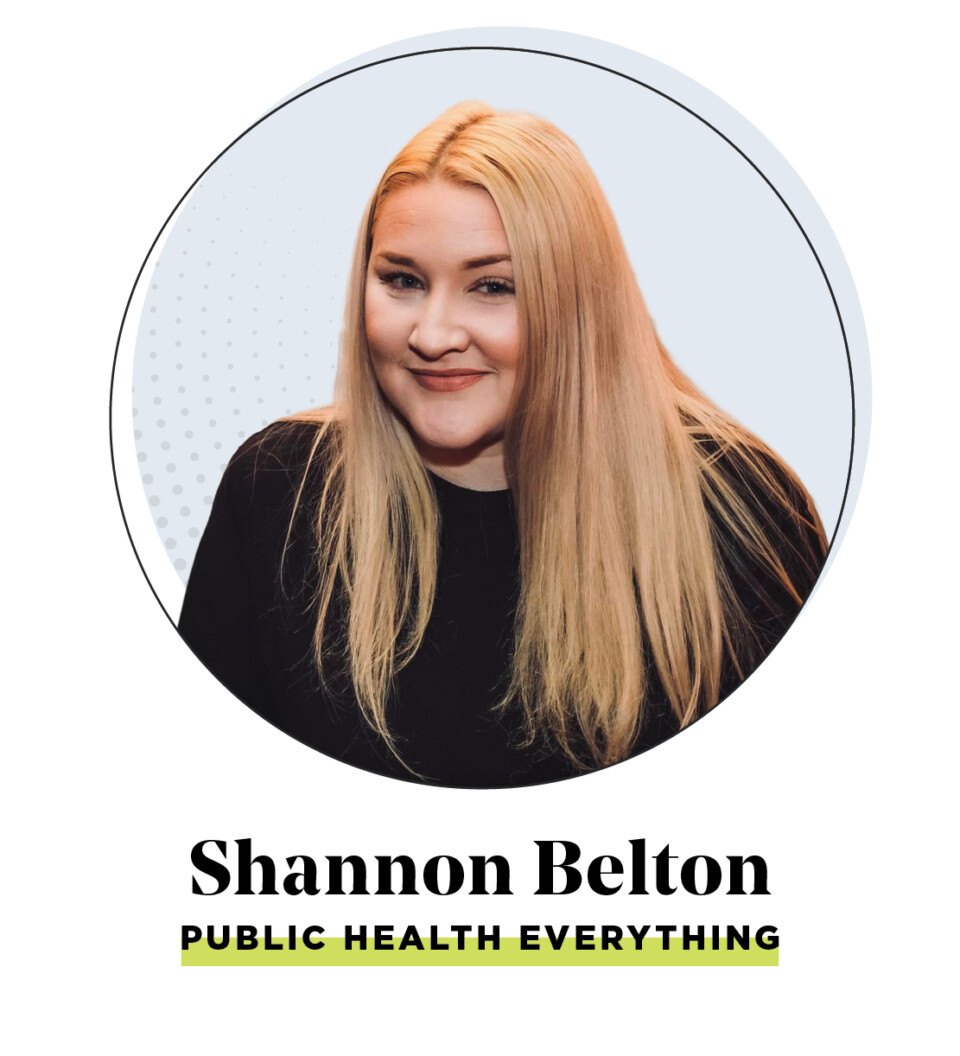
Who: Shannon Belton, executive director of Public Health Everything. Belton has worked in the substance-use treatment field since 2015, overseeing hospital-based overdose response programs in Bucks and Montgomery counties. Belton eventually started distributing overdose-reversal medication directly into communities — this, coupled with efforts of suicide prevention education, set the foundation for what Public Health Everything would become.
Nonprofit of choice: Public Health Everything, a nonprofit that works to reduce preventable illness, overdose deaths, and health disparities by providing practical tools, education, and support directly to those who need it. The organization focuses on health-vulnerable populations, including people transitioning into the community from the criminal justice system, drug treatment programs or unstable housing situations, as well as college students, veterans, and new mothers.
What motivates you to improve the lives of your community members?
“I’ve come to believe that none of us gets where we are on our own. Working in recovery made that belief even stronger. The patients I cared for were never just ‘patients’ — they are members of our community … [who] want the same things most of us do: a chance to build a good life and care for the people they love. Substance use can make those goals feel out of reach, but it does not erase their humanity. That is why I see this work as both a privilege and a responsibility. We all have different gifts, and I believe we have an obligation to use them to make life a little easier for someone else. Sometimes it means listening without judgment, helping someone meet a basic need, or reminding them that they are still worthy of hope and dignity. I believe our communities are strongest when we take care of one another.”
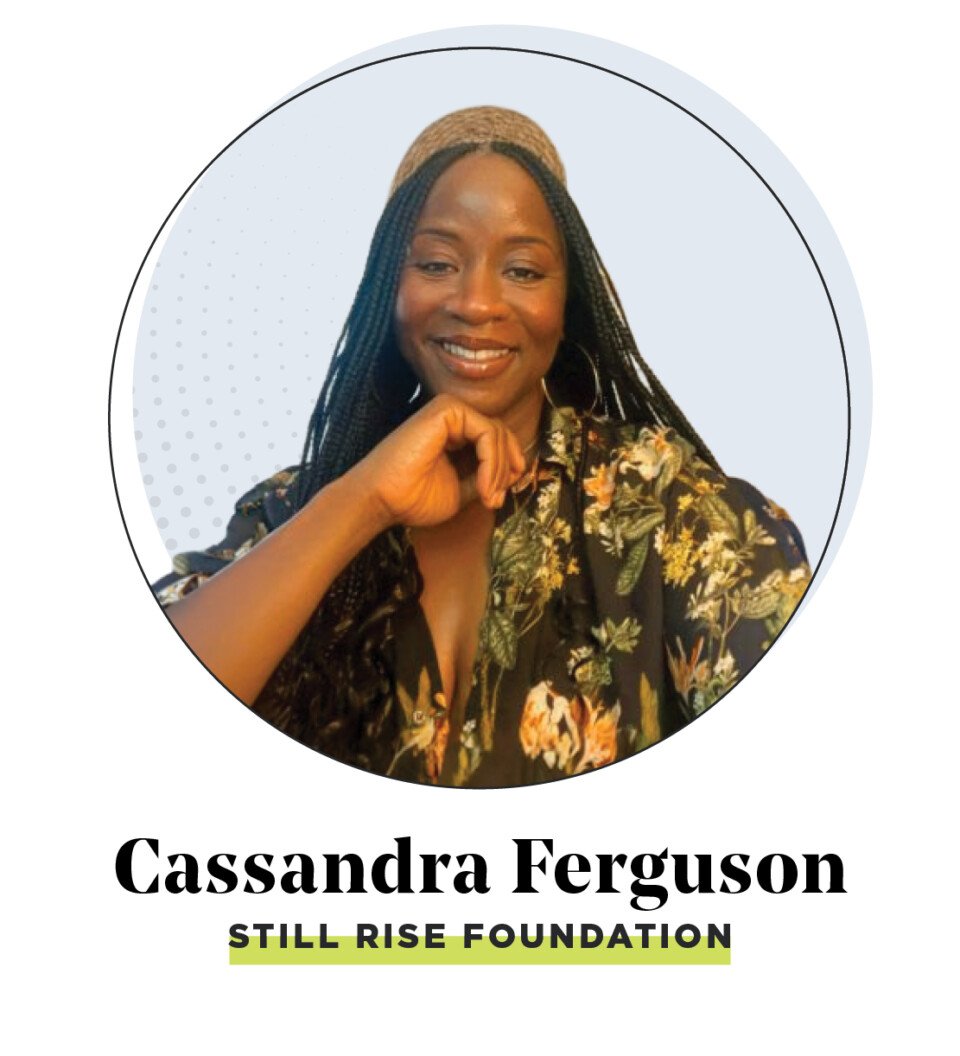
Who: Cassandra Ferguson, an international psychologist and founder of Black Lotus Holistic Health Collective, a therapeutic space in Historic Rittenhouse Town designed for BIPOC wellness practitioners to help care for those in their communities.
Nonprofit of choice: Still Rise Foundation, which provides immersive retreats on its 40-acre, oncologist-founded farm in Bucks County for those navigating cancer or chronic illness. Programs are designed around the principles of food as medicine, and feature interactive sessions and discussions led by physicians and naturopathic practitioners with a focus on whole-person health and science-based wellness, such as gardening and cooking classes.
What motivates you to improve the lives of your community members?
“I provide many of the holistic health modalities and provide individual and counseling to cancer thrivers [of Still Rise]. I also curate workshops and presentations to mitigate burnout, trauma, and compassion fatigue for groups, organizations and companies. A genuine love for people, a desire to be in and of service using the gifts of my own suffering to effect change is what motivates me.”
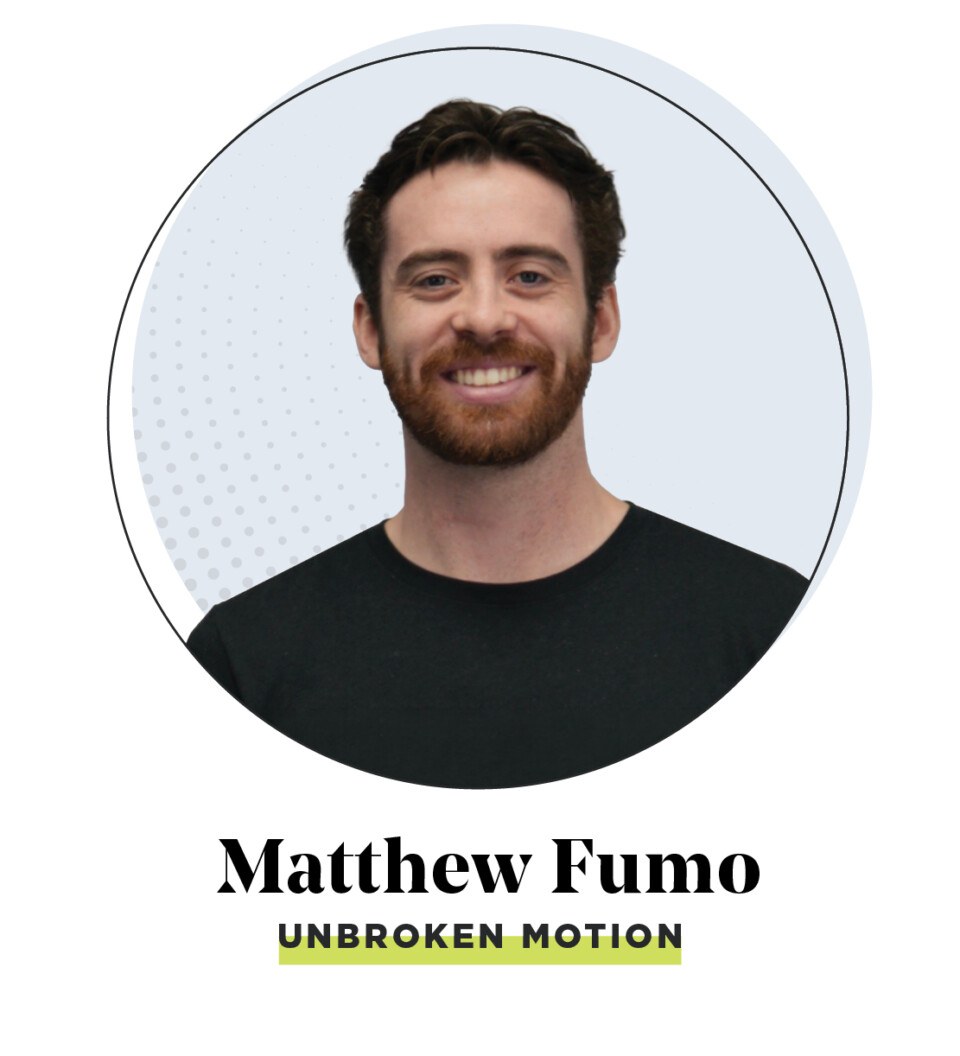
Who: Matthew Fumo, founder of Unbroken Motion. In 2017, Fumo, then 19 years old, suffered a severe spinal cord injury as a result of a diving accident and was left paralyzed from the neck down. His recovery — which resulted in his walking again, and years later, completing a triathlon — showed him “how much of a difference access to care and a positive support system can make.”
Nonprofit of choice: Unbroken Motion, whose mission is to empower individuals living with paralysis by removing financial and physical barriers to care, providing access to essential therapies, adaptive equipment, and financial assistance. The nonprofit also brings people together through events and outreach, creating a community where individuals and families can connect, share experiences, and support one another.
What motivates you to improve the lives of your community members?
“After my injury, I realized how quickly life can change and how important it is to have people who believe in you. I was fortunate to have that throughout my recovery, and it changed my life. Knowing that our work can give someone hope, help them keep moving forward, or remind them they are not alone is what motivates me every day. I want others to have the same chance to pursue their goals that I was given.”
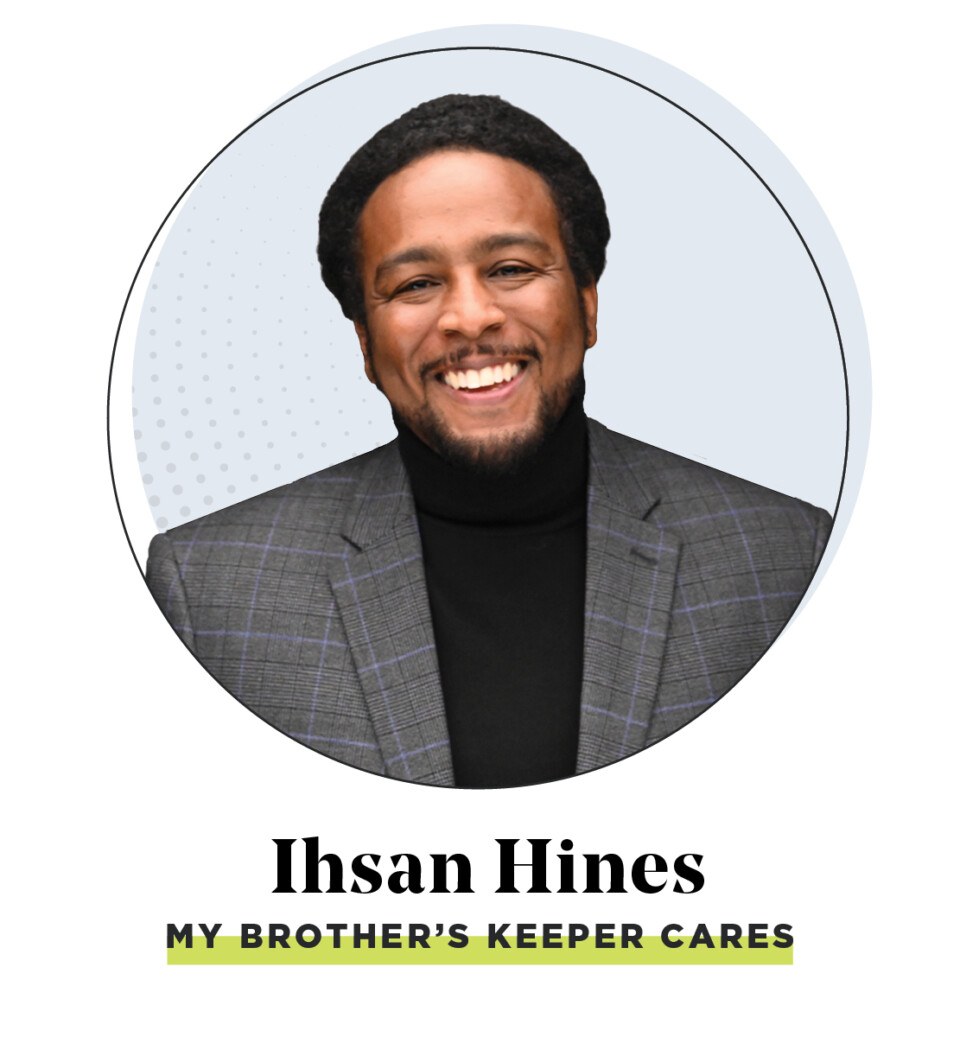
Who: Ihsan Hines, who founded My Brother’s Keeper Cares after losing his younger brother, Atif, to suicide. “The experience was devastating and forever changed the way I viewed mental health and the importance of community support,” he says. “Every program we offer is rooted in the belief that no one should have to struggle alone.”
Nonprofit of choice: My Brother’s Keeper Cares, which promotes mental health awareness and suicide prevention through mentorship, leadership development opportunities, educational workshops, fitness initiatives, art therapy experiences, and community events. “Our goal is to reduce the stigma surrounding mental health while empowering youth and families with the tools, resources, and support they need to thrive,” Hines says.
What motivates you to improve the lives of your community members?
“My motivation comes from understanding both the pain of loss and the power of support. Losing my brother taught me that many people are fighting battles we cannot see. Too often, individuals suffer in silence because they feel alone, ashamed, or unsure where to turn for help. I am motivated by the opportunity to change that reality. Whether I am mentoring a young person, hosting a mental health awareness event, or building partnerships that create opportunities for underserved communities, I want people to know that their lives matter and that help, hope, and healing are possible.”
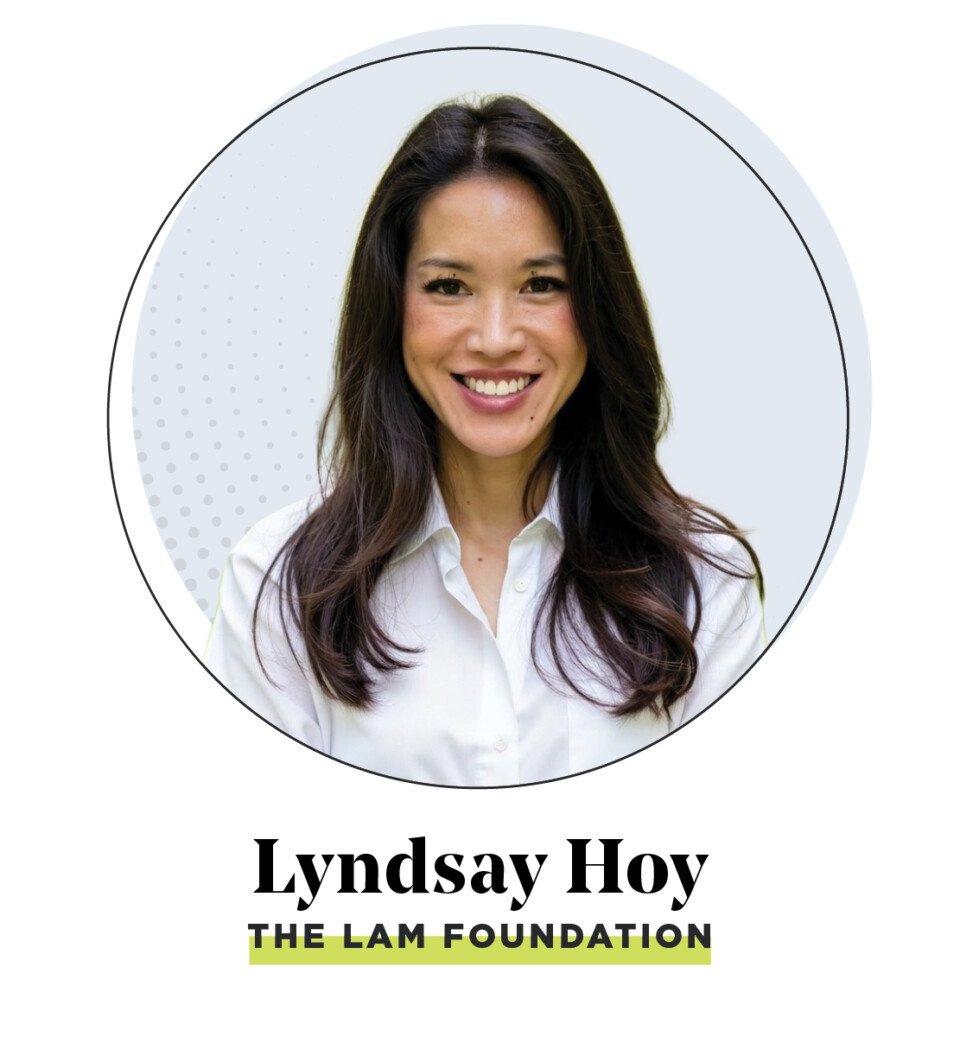
Who: Lyndsay Hoy, a board-certified anesthesiologist and former assistant professor of clinical anesthesiology and critical care at the University of Pennsylvania’s Perelman School of Medicine. In 2013, during her anesthesiology residency at Penn, Hoy was diagnosed with lymphangioleiomyomatosis (LAM), a rare, progressive lung disease. Hoy now serves as vice chair of strategy and mission for The LAM Foundation (below), helping to shape patient-centered research, women’s health priorities, and the foundation’s long-term vision.
Nonprofit of choice: The LAM Foundation, a nonprofit focused on women living with lymphangioleiomyomatosis (LAM), a rare, progressive and estrogen-sensitive lung disease. The organization aims to “catalyze new treatments, and ultimately a cure, by advancing research, supporting compassionate care, and amplifying the voices of women with rare diseases,” Hoy says, “and transforms the experiences of women living with LAM into research that drives discovery, connects patients and families to a supportive community, equips clinicians with the knowledge to deliver better care, and accelerates the path toward a future where no one faces LAM alone.”
What motivates you to improve the lives of your community members?
“I am motivated by the heartbreak of being diagnosed with a rare, progressive, incurable disease in the prime of life. LAM often manifests when women are building careers, relationships, and futures, and suddenly, those women are confronted with enormous questions about disease progression, relationships, families, and a life they didn’t plan for. LAM stands at the intersection of lung disease, estrogen biology, reproductive health, and rare diseases, offering a unique window into some of the most important unanswered questions in women’s health. This creates an opportunity to strengthen how our health systems support women across life stages. My efforts focus on raising visibility for LAM and helping build better pathways so women with rare diseases are seen earlier, supported more consistently, and included more fully in research and care.”
Vote once per day, every day, now through July 31st!