
Requiem for Fleur’s: A Great Restaurant You’ll Never Eat at Again

Dishes from Fleur’s / Photography by Mike Prince
Listen to the audio edition here:
By the time you read this, Fleur’s will be closed.
And that sucks. It sucks for all the usual reasons that any restaurant closure sucks. It means hopes dashed, people out of work, families left in the lurch, and dozens of lives and careers upended or thrown into a spin.
But the news about Fleur’s sucks a little extra because this was a huge project (130-seat restaurant, rooftop bar, event space, boutique hotel) that took years to put together. It had three serious industry heavyweights behind it (veteran chef George Sabatino, Josh Mann who did 16 years with Starr as an FOH pro, then a few more with Defined Hospitality, and Graham Gernsheimer, ex of Amis, Osteria, Frankford Hall, Loco Pez and elsewhere), and all of them had spent decades working for other people, running other peoples’ kitchens, bars and dining rooms. Over the years, these three guys kept bumping into each other, crossing paths in kitchens and back offices, until finally they decided they wanted to make something of their own, together. It was their big swing. Their retirement plan. The last restaurant any of them were going to work in.
“It felt like we’d found a home here,” Sabatino told me when I got him on the phone last week, just heading into the last couple days of service. And he meant that in every way.
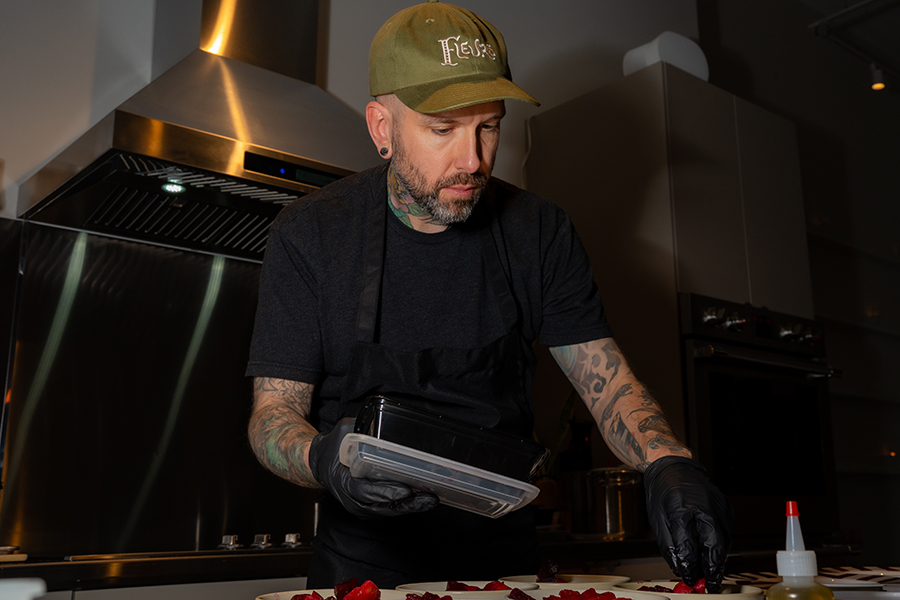
George Sabatino
Fleur’s lasted seven months, opening day to closing night. The news about their closing broke late last week and, last night, it was all over. I ate my last meal there about a week before the announcement, prepping for a review that will never run, unwittingly taking part in a story where the end had already been written, just not yet made public.
Were there red flags? Absolutely. The slow tide of 6:30 p.m. reservations, the nearly empty bed of ice in the display case at the end of the raw bar, the fact that I was able to park almost right in front of the restaurant. I’ve been doing this a long time. I should’ve seen these signs from a mile off. But I didn’t.
And do you know why? Because the restaurant was really fucking good.
There were uni custard tarts with a shock of lemon and spoonfuls of golden Osetra caviar for the high rollers, plates of oysters with watermelon mignonette, white bowls of beef tallow frites at happy hour that paired perfectly with the rich and fatty pork terrine cut with a sting of pear mustard. The Parisian gnocchi (with local mushroom ragout, hazelnut oil, a bass note of thyme leaves) tasted like summer forest air at dusk, the heat of the day still rising from the ground, and Sabatino (who has always had a way with vegetables) also served thick slices of sweet potato here, creamy-soft and sharply grill-marked, topped with sunflower seeds for texture, then a line of mustardy sauce gribiche, threaded with dill, that cut through the heavy starch and sweetness like a razor.
At the bar, there were gin martinis spiked with white Armagnac, rum-and-rye Green Stripe cocktails, and a playlist of French pop and jazz filling the space when it was light on actual customers. Yes, service could be a little spotty. And the space itself always felt slightly unfinished to me (lots of white latex paint over brick, mezzanine seating guard-railed with white cutouts of the restaurant’s floral logo), but that was fine. Fleur’s was always going to be a work-in-progress at this point in their multi-phase roll-out, so even if it sometimes felt as if a very nice long bar and lounge were dropped into the middle of a not entirely built-out room, that was all easy to forget when the food started coming.
“We have made mistakes,” Sabatino told me on the phone. “We need to figure that out. But there’s lessons in here, for sure. I’m just beginning to process it.”
He tells me that none of this — the announcement, the closure — was the neighborhood’s fault. None of it was the staff’s fault. He says that they (he, Mann, and Gernsheimer) didn’t consider the neighborhood enough. That they didn’t provide the kind of experience that people were looking for.
“We wanted it to be the kind of place where you could show up in your gym clothes, sit at the bar, and get a roast chicken,” he explained, but that also they wanted it to be a destination. And trying to force a project to be both of those things at once? That rarely (if ever) works.
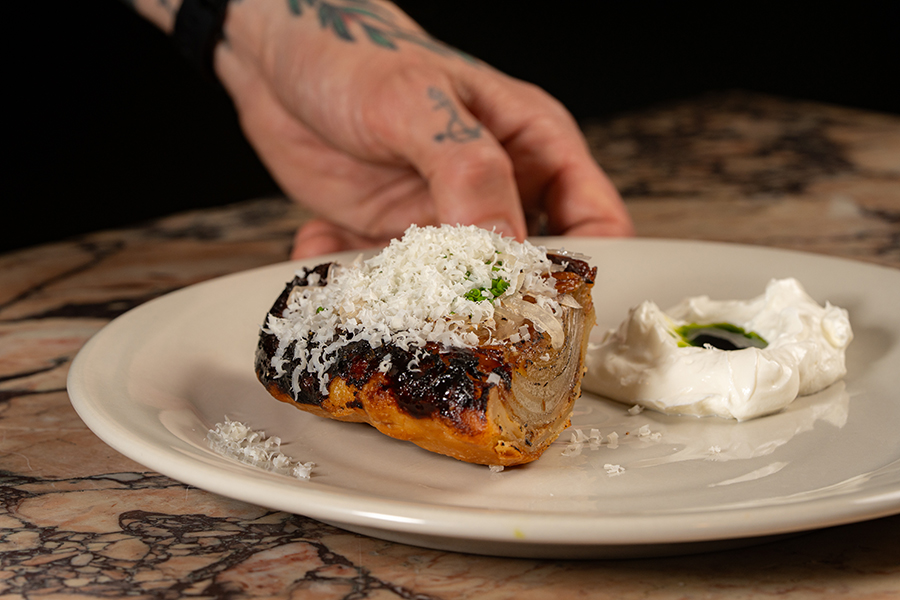
Tropea onion tarte tatin
On the other hand, the kitchen did make a very good roast chicken. Or half-chicken, actually — split along the breast, juicy, warm and with this ideal, crispy, black-and-golden skin. The kitchen separated the bird into a breast and wing, drumstick and rib, piling them on the plate with whatever sides strike them. In the gray months, a spray of green herbs and rich pommes duchesse or a cheesy gratin. More recently, as the seasons turned, quartered and roasted baby potatoes, a red and green pepper Basque piperade that leant a spark to the tender meat, and all of it swimming in a rich and buttery sauce that felt, in the early days of spring, like a luxury earned after a long, cold winter. At my last dinner, at one of the last tables Fleur’s would take, I paired mine with a Tropea onion tarte tatin, served like half a pie on a dark plate, under a bright white snowfall of grated Gruyère and with a curl of cultured cream to the side, dotted with a well of chive oil.
Tropea onions are Calabrian, extremely sweet (for an onion), and shaped like old-fashioned Christmas lights — bulbous in the middle and pointy at the end — and Fleur’s kitchen had used them whole, cut with tangles of sweated, miso-marinated shallots, baking the onions soft and caramelizing them the same way you would apples in the more recognizable version of this recipe. It was amazing. Overwhelming. And it killed me that I couldn’t finish the whole thing (half an onion pie is a lot of onions for one man), but the first bite of it, before I had any idea what I was getting myself into, was remarkable. Unlike anything I’d tasted in forever. A rich and deep and woody sweetness, the bright garlic flavor of shallot, the bluntness of the pie shell and sour cream bite — all of it perfectly balanced. All of it incredibly delicious.
And that matters but, ultimately, it didn’t really matter, you know? Because Fleur’s closed anyway. Because Fleur’s was already closing while I was eating my onion tart, even if I didn’t realize it then.
“We knew a few weeks ago,” Sabatino told me. Knew that it was all going wrong. That they were probably going to have to close. “There’s something past saying, Okay, we have five cooks scheduled tonight and we’re going to cut a couple of them and just cover stations.” And that’s where Fleur’s was. The doom of it was already written, even then.
And the owners wanted to be as kind and as transparent about this awful thing as possible. They wanted to let their staff know as far in advance as they could so they could help get them placed elsewhere. They didn’t want payroll checks to start bouncing. They didn’t want suppliers to go unpaid. So they made this hard decision. They would close. Stop the bleeding. Seven months and they were going dark.
In my reviews, I used to live and die by the idea that nothing mattered more than the food. That I could be seated on an old milk crate in an alley in the rain, and if the food was good, I was going to call the place a success. But that black-and-white thinking — that misguided absolutism — was a younger man’s arrogance. It was a willful disregard for the thousand small choices that go into the opening of any restaurant, and the countless daily struggles of owners and operators just trying to keep the lights on. If it were just about the food, Fleur’s would still be here. My review would still be running. I’d be celebrating a place that was young and maybe a little bit clumsy, but growing well into the restaurant it someday wanted to be.
But that’s not the world we live in now.
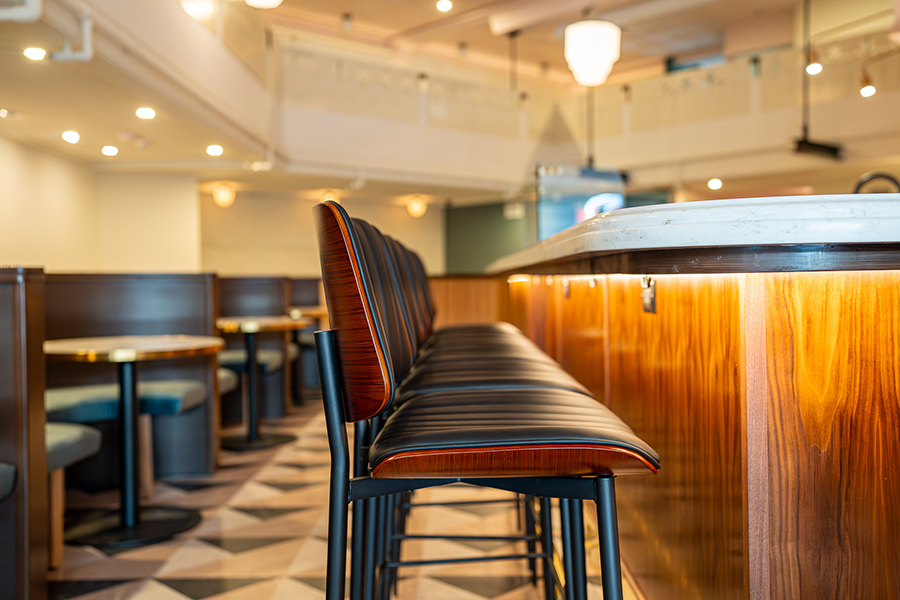
The bar at Fleur’s before it opened in September 2025
Sabatino told me that there aren’t really any plans yet for what will happen with the Fleur’s space. He and Mann and Gernsheimer own the building — the massive 14,000-square-foot former furniture showroom and warehouse at 2205 North Front Street in Kensington — so they’re going to have to do something with it, but right now the ideas are all vapor.
“A 2.0 version would look like more of a neighborhood place,” Sabatino told me. Smaller. Fewer service days maybe. “Brunch right off the bat, for sure.” But he doesn’t really know. None of them do.
But someday, there’ll be a plan. New ideas. A new menu. Fleur’s 2.0 will come together simply because it has to. Because these guys have invested everything — time, money, their professional reputations — into this space. Because, at least right now, Sabatino (who planned his future around this project, and moved into a new place two blocks away about a year ago just so he could be closer to the restaurant), doesn’t see any other way forward.
And when it does, I’ll be there to check it out. Because while I may no longer believe that what’s on the plate is the only thing that matters when it comes to the success or failure of a restaurant, I still think it matters a lot. More than anything, just not more than everything. And one thing that was absolutely true about the team at Fleur’s?
They could really fucking cook.
Philly’s Outdoor Drinking Spots That Are Already Open for the Season
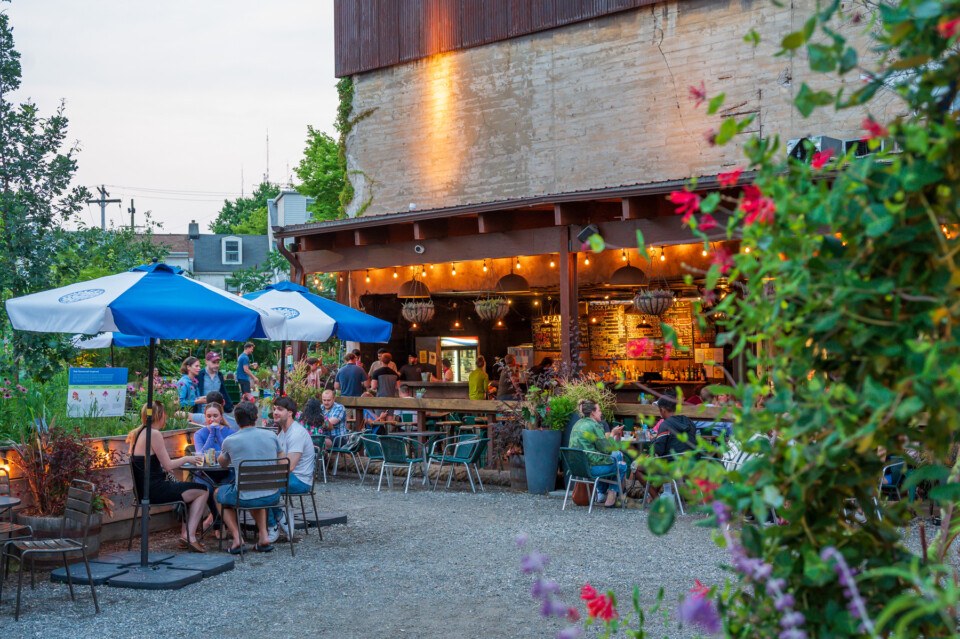
PHS Pop-Up Garden in Manayunk / Photograph courtesy of PHS
Spring is here, so despite the erratic weather, outdoor drinking season in Philly has officially begun! As with nature, the thaw is gradual; we’re waiting on a full roster of beer gardens, rooftops, and patios on which to wear sunglasses and sip cocktails. But that hasn’t stopped some of our favorites from leading the way, 40-degree days be damned. And for that we are thankful. So in that spirit, and to help you get a jump on your al fresco adventures, here are the seasonal outdoor drinking destinations holding it down — plus some more on the horizon.
PHS Pop-Up Gardens
PHS really started the whole seasonal pop-up beer garden craze years ago, so it’s only fitting that they got the season started, too: They soft-opened on March 13th, at 15th and South and in Manayunk. Both locations offer plenty of greenery, food, craft brews, and cocktails; plus events like plant swaps and craft workshops throughout the spring and summer seasons. As for the menus, Manayunk describes theirs as “boardwalk-inspired” with snacks like loaded fries, fried clams, and fish and chips. South Street’s offerings are more “globally inspired,” with new items like chai pretzel bites, Jamaican jerk wings with pineapple and passionfruit chutney, and tofu-ricotta dip with lemon zest and pita. And don’t worry: Both locations still have their frozen drink lineup, including the ever-popular Gritty Margarita (orange and rimmed with black salt, of course). 1438 South Street and 106 Jamestown Avenue.
Walnut Garden / Photograph courtesy of FCM Hospitality
Walnut Garden
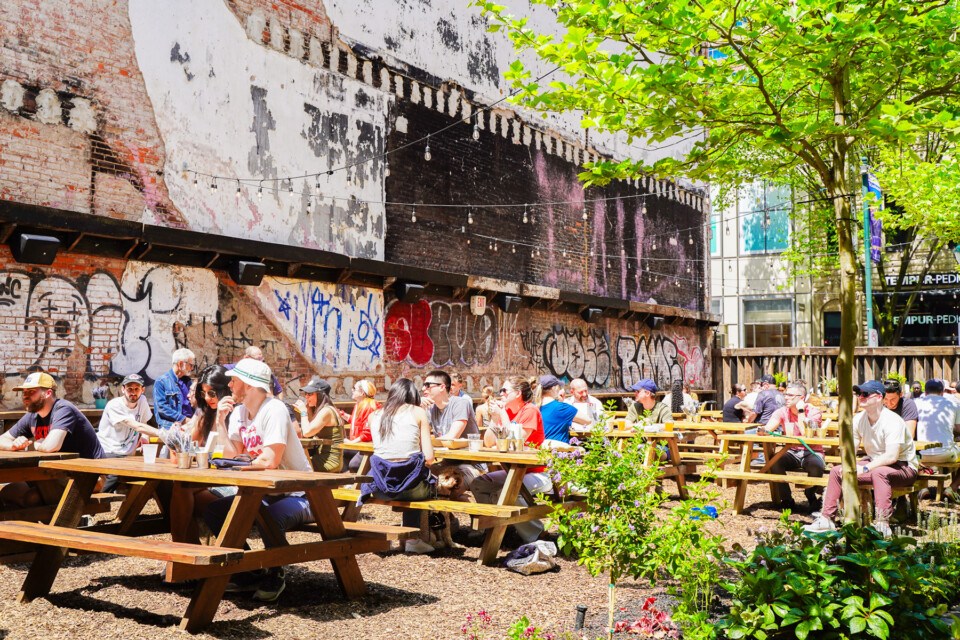
The vacant, McDonald’s-size hole turned beer garden returned to Walnut Street on April 1st. The 11,500-square-foot space in Rittenhouse is laidback and both kid- and dog-friendly, so it works for weekend afternoons as much as it does for happy hour. Likewise, the food menu is approachable with cheesesteaks, chicken sandwiches, and shareable snacks. Bonus: They’re serving up $7 mimosas for Open Streets Sundays through May 17th. 1706-10 Walnut Stree
Parks on Tap
Parks on Tap is already back to touring for the season; this is their first weekend! They’ll be popping over 27 weeks, beginning with the Azalea Garden for their first two. With lots of room to run around, the cleanest bathroom trailers I’ve ever seen, and food offerings like burgers and hot dogs for the kids, this is one of the best ways to spend a lazy weekend afternoon. Even better? A portion of all proceeds benefits each park they visit, ensuring outdoor play can go on long after the tour. Here’s their lineup for the first two months of the season:
- April 8th-12th and April 15th-19th: Azalea Garden (East Fairmount Park)
- April 22nd-26th: Columbus Square (South Philly)
- April 29th-May 3rd: Schuylkill River Park (Fitler Square)
- May 6th-10th: FDR Park (South Philly)
- May 13th-17th: Matthias Baldwin Park (Logan Square)
- May 20th-25th: Clark Park (West Philly)
- May 27th-31st: Water Works (Art Museum)
- June 3rd-7th: Powers Park (Port Richmond)
- June 10th-14th: Burholme Park (Northeast)
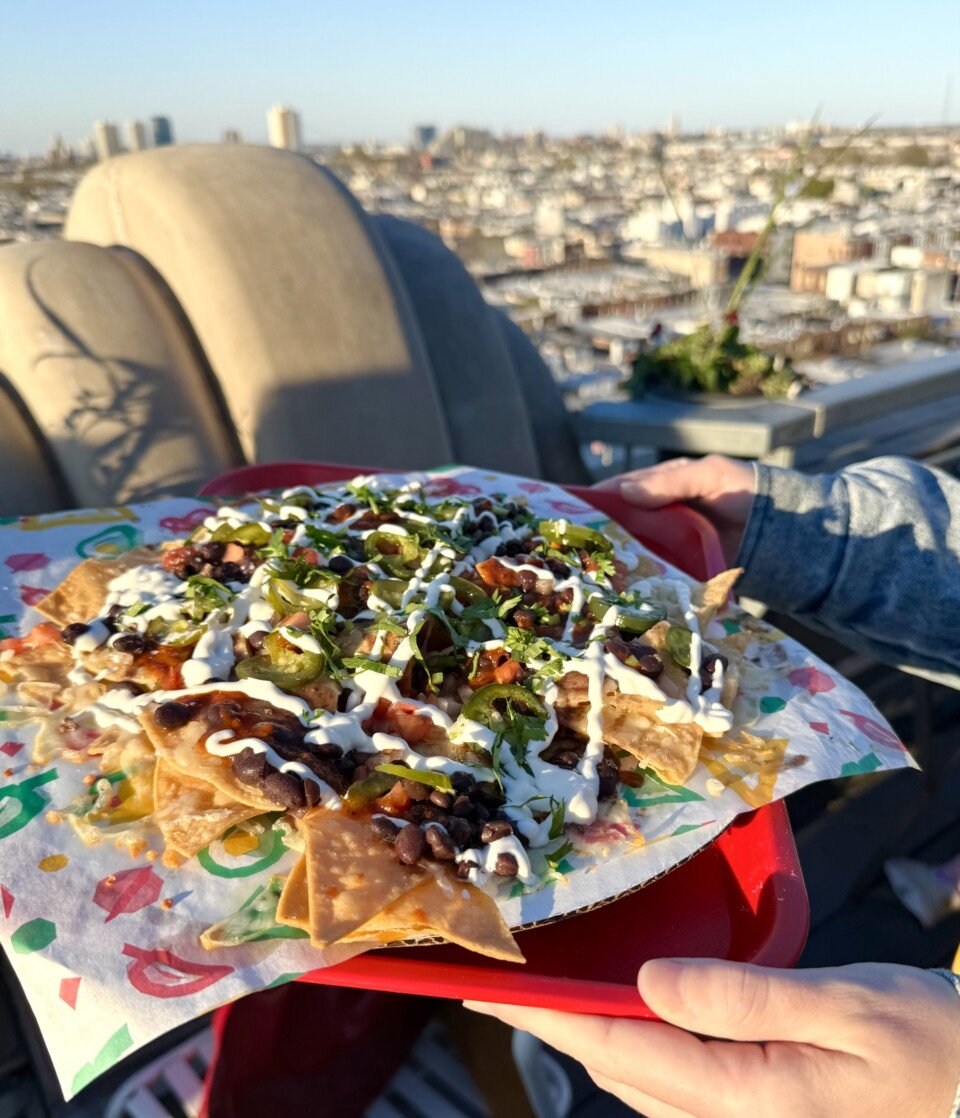
Cantina La Martina nachos at Bok Bar / Photograph by Laura Swartz
Bok Bar
This South Philly rooftop fave just opened this week, and they’ve got an exciting chef residency lineup, too. To kick things off, James Beard-nominated chef Dionicio Jiménez of Cantina La Martina will be serving up tacos, nachos, and churros from April 9th through May 3rd. Here’s the whole lineup:
- April: Cantina La Martina
- May: Tabachoy
- June: Puyero
- July: Gabriella’s Vietnam
- August: Korea Taqueria
- September: Rice & Sambal
- October: Darnel’s
And as always, they’ve got a full season of events, from yoga to drag shows to Salsa Sundays. Check out the calendar here. 1901 South 9th Street
On the Horizon
Frankie’s Summer Club / Photograph by Laura Swartz
Frankie’s Summer Club
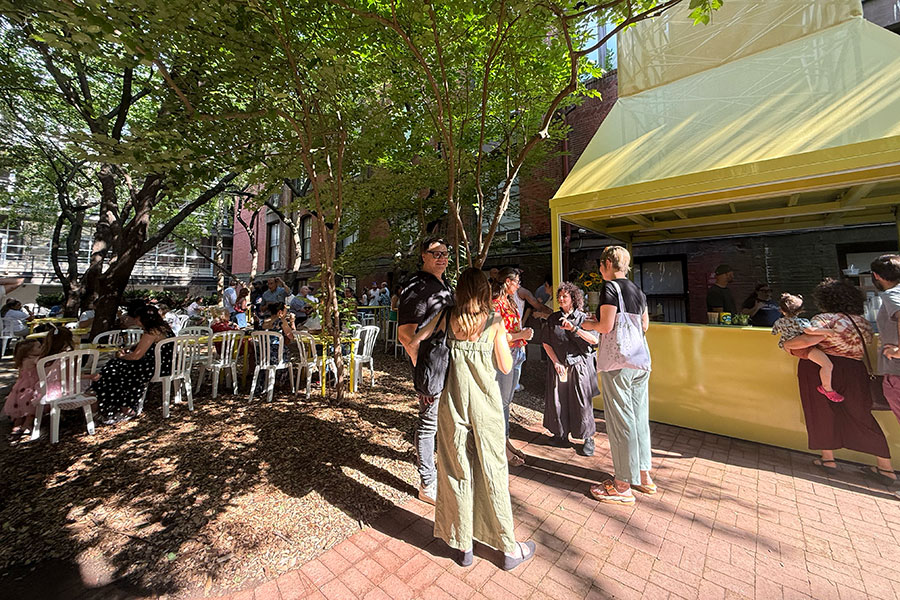
Philly’s newest beer garden opened last summer in the courtyard of what used to be UArts’ Furness Hall, and it’ll be back May 1st. Also returning: food and drink by Irwin’s (the soft-serve is a must) to complement the backyard-party vibes. 355 South 15th Street
Sunset Social
Located on the 1.2-acre Cira Green rooftop park, Sunset Social is planning its return on April 13th! Expect the return of Quizzo on Tuesdays, movie nights on Wednesdays, and kid-friendly movie matinees on Saturdays. Plus, they’ve got Thursdays set aside for the pups this year, with Paws and Pints every Thursday from 3 p.m. to 6 p.m. 129 South 30th Street
Philly’s Driverless Future Is Here, Whether We’re Ready or Not
Is Philly ready for Waymo? / Photograph via Logoboom/Adobe Stock
Mamadu Barry — a 28-year-old structural engineer and part-time Uber driver — was behind the wheel this past February when he first spotted the future, tucked away in a parking lot in University City.
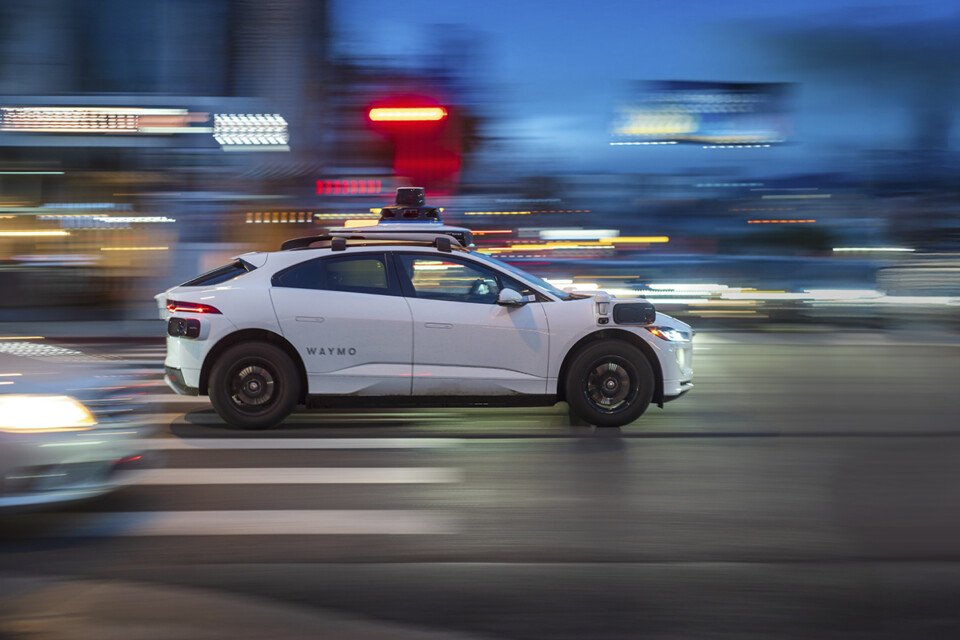
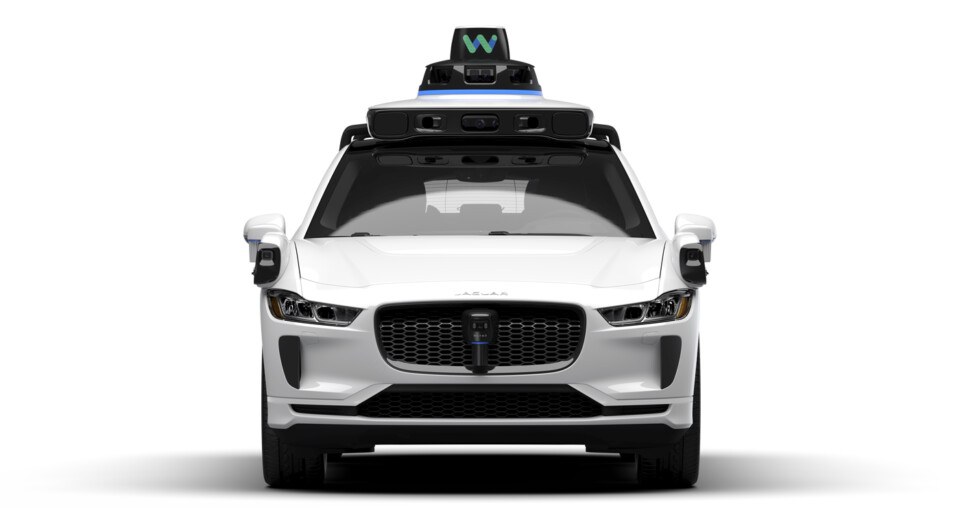
It was a white Jaguar SUV, though not straight from the factory: This model had sensors protruding from the hood like bug eyes. The back windows were pitch black; the front ones were clear. Most distinctively, a 360-degree rotational apparatus was rigged to the roof, striking a passing resemblance to a baby-bottle nipple. Emblazoned on the side of the car, rather than the automaker’s name, was the name of the company responsible for gussying it up: Waymo.
“I’m guessing they’re hiding them in there for now, getting ready to take over the world,” Barry said, when he spotted the vehicle.
He’s not wrong. Waymo — the self-driving car company owned by Google parent Alphabet — has rapidly scaled up its conquests in the past year. Today, Waymo robotaxis are zipping around 10 cities, including Los Angeles and Austin, where they can be hailed via an app. In some places, you can simply order one through Uber.
On a recent visit to Phoenix, where Waymo launched first, I shared the road with several driverless cars. I found their presence unsettling — the stuff of sci-fi — but my friend who lives in the city had actual horror stories, like the night a robotaxi erroneously dropped her off on the opposite side of town. And there was no stopping it.
Ever since, that friend’s husband has been exacting a bit of humanist revenge: throwing wood chips at Waymo cars whenever they’re idling on their street. Sensing danger, the vehicles move along. “I terrorize those things,” he says.
It’s arguably a hopeless rebellion. Hundreds of Waymo cars are on the road each day in Phoenix, the core of a national fleet numbering in the thousands. And Philly could be next. Waymo announced in September that it would be ramping up testing for a launch in several East Coast cities, including ours. You and I won’t be able to hail one for some time, contingent on approvals from PennDOT, but that hasn’t stopped the company from sending in human drivers in their cars to map Philly roads and train its artificial intelligence for prime time.
While Waymo spokesperson Ethan Teicher declined to give a timetable for offering commercial ride-hailing services in Philly, it sounds like the company is barreling toward a soft launch. “Our next step will be to operate the vehicles fully autonomously for employees only,” Teicher says.
You can imagine, probably, that plenty of Philadelphians won’t exactly welcome this future with open arms. Our distaste for outsiders and their ideas is legendary. “Distrust and caution are the parents of security,” Benjamin Franklin once wrote — and not much has changed our views since then.
Still, Waymo’s résumé does stand out for one notable reason: its safety record. According to the company’s own data, which is made available to independent researchers and is regularly submitted to peer-reviewed journals, AI drivers are far from amateurs. In fact, a recent company analysis, covering 127 million miles of trips taken by its fully autonomous robotaxis, suggested that autonomous vehicles are now vastly outperforming humans. The Waymo system, says Teicher, “achieved a tenfold reduction in serious-injury-or-worse crashes, and a twelvefold reduction in injury crashes with pedestrians.”
It’s quite the sales pitch, offering a tantalizing vision of the future, absent some of the worst forms of human behavior. AI drivers, after all, don’t text and drive. They don’t punch out someone’s mirror in anger; they don’t argue with their spouse while driving down 76. They don’t smoke or sneeze or answer the phone. They never try to flirt with you (or worse). To be clear, there are caveats to the company’s sterling record: Most driverless trips have been completed in safer-than-average driving conditions (avoiding freeways and hazardous weather for the most part). Still, the opportunity to save lives is a powerful motivator for embracing them.
Plus, proponents say, these cars are improving constantly due to deep-learning tools and advancements in computer vision, like the system affixed to the Waymo roof — those spinning baby-bottle nipples — which can “see” about 1,600 feet into the distance.
Adopted on a mass scale, advocates argue, driverless cars could be a public health breakthrough as much as a technological one. Some boosters have gone as far as to suggest that Vision Zero, the goal of eliminating traffic fatalities, might finally be in reach. (In Philly alone we average north of 100 traffic-related fatalities each year.)
Writing in The New York Times last year, Jonathan Slotkin, a neurosurgeon based a few hours northwest of Philadelphia, in Lewisburg, compared the early Waymo data to a groundbreaking clinical trial. “In medical research, there’s a practice of ending a study early when the results are too striking to ignore. We stop when there is unexpected harm. We also stop for overwhelming benefit, when a treatment is working so well that it would be unethical to continue giving anyone a placebo,” he wrote. Driverless cars, he believes, fall into the latter category.
Barry is less enthused. He’ll face immediate consequences from Waymo’s deployment, though he feels fortunate that ride-share earnings are not his primary salary. “I have friends whose lifestyle and family income are going to be very challenged,” he says. Waymo, after all, is partnering with Uber in some cities — ditching drivers in favor of AI. “[Uber] is a billion-dollar company, so [robotaxis] are not going to impact them that much. But for us? It could tank the entire industry for drivers.”
All of which highlights the obvious tension at play here. Road safety is a laudable goal. But at what expense? It gets downright existential, if you think about it: What is the human toll of replacing truck and ride-share drivers with robots in the country’s second-poorest big city? And, good or bad, are we ready for it?
Given a choice between modernity and tradition, Philadelphians will often side with the Luddites. Our public sector has at times been notoriously slow to adopt emerging tech (even email) over the course of decades. We had SEPTA tokens in circulation until two years ago. And who doesn’t look back fondly on the decapitation and dismemberment of hitchBOT? OK, maybe that last one had little to do with technology per se, but it seemed to amplify a familiar message: In Philly, no robots need apply.
Of course, in reality, it’s far less one-sided than that. While the city has had its fair share of technological failings, there has also been progress in some areas, like City Hall pulling the right levers over the past decade to promote electric vehicles and implementing various “smart city” pilots. And we have plenty of techno-optimists, it turns out, intrigued by the potential of Waymo to reshape how we live. “I imagine in a hundred years, future citizens of Earth will think it’s crazy that humans — with all of our flaws and distractibility and mixed judgment — were ever allowed behind the wheel of something so powerful,” says Jennifer Leonard, founder of a consultancy that advises law firms on AI strategy. There are plenty of folks in agreement with her in that modern town hall, Reddit, though there opinions range from “Philly drivers are scum” and Waymo should be an “order of magnitude safer” to those who’d prefer if we could bolster SEPTA before we see driverless cars hit the streets. Those mixed reactions are reflected in Harrisburg.
“It would be great if it turns out driverless cars are significantly safer than people behind the wheel of vehicles, but we know there are other proven things that make the roads safer,” says Philly-based Democratic State Senator Nikil Saval, who sits on the transportation committee. “Increased public transit is what we should be devoting ourselves to and orienting our cities around.”
In other words, maybe autonomous vehicles (AVs, for short) are a legitimate public-safety innovation, but they also invite concerns of their own, including from an environmental standpoint: While Waymo cars are emissions-free, like other advanced forms of AI they require significant electricity — and producing that, for the most part, requires, well, emissions. “These are like data centers on wheels,” Saval says. “Are we prepared for the massive increase in computing needs?”
There are also legislative and engineering feats that welcoming AVs would likely require: considering measures such as congestion pricing to offset the influx of volume on the roads that will result from AVs and changing our citywide approach to parking — a touchy subject for Philadelphians and elected officials.
But even more than all of these concerns, Saval says, he’s thinking about the potential human toll: “What are we prepared to do about those Uber drivers?”
We can’t rely on the big technology companies, because they have shown that they don’t care for their workers up to this point.” — State Senator Nikil Saval
About a decade ago, we were collectively asking the same question about taxi drivers when Uber stormed into Philly. Between 2014 and 2017, the value of a taxi medallion — the source of family-sustaining wealth for many taxi drivers — plummeted from a high of more than $500,000 to $10,000. Uber and Lyft eventually grew the total amount of jobs for drivers, although they ended up remaking them in the mold of the gig economy. Today, 74 percent of the roughly 29,000 Uber ride-share drivers in Philly work part time, or fewer than 30 hours per week. After expenses, they make an estimated $21.29 per hour. It’s better than the state’s paltry minimum wage ($7.25 per hour) but rarely enough to be considered a career.
One lesson that can be learned from the transition away from taxis is that some technologies don’t just obliterate jobs; they also transform the nature of work over time, often worsening outcomes for workers until there’s less to fight for and automation becomes inevitable. In other words, Uber had to crawl before Waymo could run.
Saval worries that this is a slippery slope — from taxi drivers to contract workers, and now contract workers to robots — that we’re right to be losing sleep over. “We can’t rely on the big technology companies, because they have shown that they don’t care for their workers up to this point.”
According to Waymo, the company employs local workers in the 10 cities where it’s currently operating at scale. Though Teicher declined to provide a specific number of jobs, he listed some of the positions that regularly need to be filled: operations partners with expertise in vehicle maintenance, construction and skilled trades, fleet management, and more — all told, “hundreds of people to support our service.”
Waymo also employs dozens of “remote assistance agents” in the Philippines. Wired recently wrote about these workers and their roles, describing them as “human babysitters” for robotaxis, which has led some conspiracy theorists to suspect that fully autonomous cars are currently a ruse — that there’s a person manning the joysticks abroad, like an episode of The Twilight Zone come to life. Even if that’s a stretch, the outsourcing of work to the Philippines is indicative of what can reasonably be expected of a Big Tech company’s relationship to employment in a city like Philly.
With roughly 29,000 active ride-share drivers in the Philly area, the situation has caught the attention of some in City Hall. Workforce concerns are one reason members of City Council, including at-large Councilmember Jim Harrity, recently called for hearings to study the wide-ranging impact of self-driving cars — including job displacement and consumer costs. In a city like San Francisco, where Waymo has grabbed 10 percent of the ride-hailing market share, the average fare remains 12 percent higher than Uber’s and 17 percent higher than Lyft’s.
It’s also difficult to imagine those costs going down substantially, at least anytime soon, considering that Waymo, the industry leader in self-driving cars, is billions of dollars in the red.
In the meantime, though, there’s also a chance that all of this hand-wringing over jobs in the short term is simply delaying the future, even slowing down the city’s ability to develop our infrastructure and economy for a new age. Besides, the question of whether Philly should or should not allow Waymo onto our streets is moot. It’s up to the state — not City Council — to allow Google to operate its robotaxis here (or not). And given that robots are expected to replace millions of driving jobs across the country over the next several decades, why would it be any different here?
Instead, this moment presents an opportunity to determine how this technology is deployed here — and who will ultimately benefit from it.
I want us to not only hold on to thinking about how we regulate the AV industry currently, but also hold on to the promise of what they mean for our society.” — State Representative Napoleon Nelson
State Representative Napoleon Nelson, a Democrat from Montgomery County, fears that without embracing AVs, Philly could slide backwards in more ways than one. “I think that all cities will need to have Waymo to be considered a real 21st-century metropolitan space,” says Nelson, a Mount Airy native and MIT computer science graduate. And, in fact, he thinks there are benefits to be gained far beyond Waymo.
Before robotaxis swarm our streets, Nelson would like all taxpayers to have access to the same technologies. He worries that the healthy fears over job losses related to robotaxis have overshadowed some of the positives around self-driving technology — such as the creation of newfound mobility for seniors and individuals with disabilities who could own a car without needing to drive it.
“I want us to not only hold on to thinking about how we regulate the AV industry currently, but also hold on to the promise of what they mean for our society,” he says.
Some women in media stories on the subject have reported that AVs feel safer precisely because they’re empty, considering the troublingly high rate of sexual assaults and harassment from ride-share drivers. Of course you hear counters to that, too. A recent article in the Washington Post described a phenomenon of passengers feeling like “sitting ducks” when people make threatening gestures toward the AI-controlled car, including multiple accounts of male drivers trailing and harassing women in Waymo cars. And the anxiety doesn’t end there. It’s not hard to imagine a world in which someone manages to hack into a car and drive off with you inside.
For Nelson, a Wharton MBA, these debates — and others, including Saval’s concerns over energy consumption — are not reasons to dismiss the technology altogether. He fears that knee-jerk instinct will hold us back from realizing that the toothpaste is already out of the tube when it comes to AI: “I do buy into the benefits of capitalism, and its ability to supercharge the innovation cycle,” he says. In his mind, there’s an opportunity to approach the adoption of driverless cars thoughtfully and with an eye toward equity, especially in a place like Pennsylvania. The state boasts a unique blend of institutions, such as Carnegie Mellon University, that are advancing the science behind these technologies; these institutions could be brought to the table with elected officials and workers to approach the future of driverless cars more thoughtfully.
“We’ve got the labor,” says Nelson. “We’ve got the strongest unions in the country. If there’s going to be a place that’s going to marry technology with the workforce, that should be happening at the table here in Harrisburg.”
In fact, the most fervent admirers of driverless cars have gone as far as to suggest that politicians who block Waymo will have blood on their hands, especially in a place like Philly, where traffic deaths are higher than in most cities.
What remains unclear is the timetable in Harrisburg for a decision on Waymo’s future in the commonwealth. Saval says that so far, he’s heard no rumblings about an impending hearing on Waymo from colleagues on the state’s bipartisan transportation committee. That doesn’t mean it can’t come together quickly.
In the meantime, nothing is stopping us — except, of course, the humans involved — from pushing for improved mobility and reduced accidents throughout the city and state. “There are many ways to get at safer streets,” says Saval. “Most of them are proven, and most of them don’t involve cars whatsoever. That will remain true, with or without the use of AI, and I hope we keep our sights on that.”
Back in early 2021, just as my own new sense of normal — or lack thereof — began to settle in during the pandemic, I took a plunge into the uncanny valley of artificial intelligence.
I visited a drone laboratory; I picked the mind of President Obama’s AI czar; I tried impersonating Jeff Goldblum using ChatGPT. All of it was reporting for a podcast called AI Nation, which, unfortunately, has lost relevance with each passing day due to the breakneck speed of AI advances.
One piece of content that hasn’t lost relevance, though, is a conversation with Andrew Hawkins, a senior transportation reporter for The Verge. At the time we spoke, he was one of the only people who’d ridden in the back of a Waymo in Phoenix, prior to the company’s public launch. And he recalled the first time he experienced a degree of hope as a passenger in a driverless car: witnessing a Waymo slam on the brakes for some pigeons in the middle of the road.
“You can very easily see a callous human driver just barreling through the flock of pigeons without any second thought,” Hawkins said, half-jokingly. “And yet this benevolent AI decided to spare the life of the lowly pigeon.”
That anecdote has been on my mind since Waymo’s arrival in Philly, because it clarifies something we can miss in thinking about AI: We often don’t trust our fellow humans to make the right decisions. I’d wager that some of the mistrust toward AI is a more generalized product of our lack of trust in one another, as a whole, which reached a new high during the pandemic.
As we turn over more control to AI in our daily lives, one risk is that we lose our ability to solve problems — because why would we, when the robot can do it? With the ingenuity that remains, perhaps the most pressing need is to find a way to make sure that AI is working for humanity, not against us, driving us toward a place we actually want to be.
We Asked, You Answered: Would You Waymo?
Photograph courtesy of Waymo
Riders and drivers around Philly on the prospect of driverless cars hitting the streets
“I’ve seen them in L.A. They’re everywhere there; my friends use them all the time. I can see using Waymo here, for low-stakes rides in which being late wouldn’t matter. What really appeals to me is not having to deal with a person when you’ve been out late, it’s midnight, you’re tired, and you just want to get home in peace. I wouldn’t use Waymo for my mom, though. She’s 90, and I call Ubers for her a lot. If she’s not at the exact address for pickup, she and the driver can communicate with each other and figure it out. With Waymo, who figures it out with you?” — Erin, 61, Chestnut Hill
“I’ve never been in one, and will never be if I can help it. Hope they end up in the same ditch as hitchBOT. The only thing driving robots are good for are spare parts for my car.” — Nicole, 37, Point Breeze
“Philly is the last place I would use a robot car. Philly drivers drive insane, first off. Secondly, the potholes, the amount of construction, the way pedestrians are … it’s just way too much. You need to learn how to drive efficiently and politely, but aggressively, in Philly. I don’t think a robot can handle all those desires.” — Saloua, 27, South Philly
“Waymo stops way too long at stop signs. Design one with a South Philly slide.” — Kate, 37, Fishtown
What the fuck is Waymo?” — John, 66, Whitman
“I am not ready for Waymo. I know I’m on the far end of the tech spectrum — like, I don’t have ChatGPT on my phone. All my friends do, but I won’t do it. I think it’s the downfall of humanity. I know that’s not the same as driverless cars, but it falls under the same umbrella — an umbrella I don’t trust. If the data makes you feel safe, then you go for it. I’m not there.” — Carrie, 45, Wayne
“We’ve been in a Waymo three times. It was actually a really cool experience because we got to put on music we liked and Mama got to sit in the front seat. It wasn’t that scary. It was actually really cool. I would definitely do it again.” — Nuala, 9, East Passyunk
“I’d never use one. I don’t trust technology that hasn’t been proven safe. If the brakes fail on a car, the driver still has a chance to get it to stop. Who tries to stop Waymo? — Robert, 65, Roslyn
“I’d take a Waymo because it eliminates human error. The cars have cameras and won’t get distracted, so it seems safer.” — Zoe, 18, Mount Airy
“For me, the Waymos cannot get here fast enough — and that’s mainly because they are programmed to obey the speed limit (as opposed to many humans I know).” — Jen, 46, Fairmount
Published as “Your Ride Is Here. Your Driver Is Not.” in the April 2026 issue of Philadelphia magazine.
Is David Uosikkinen the Ringo Starr of Philadelphia?
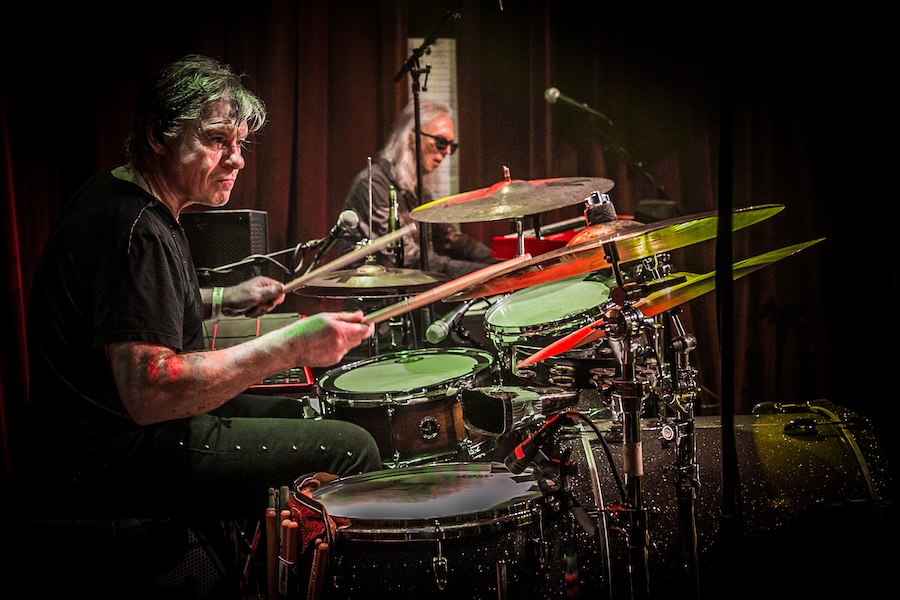
David Uosikkinen’s In the Pocket only plays music with a Philly connection. / Photograph by Dallyn Pavey Uosikkinen
Thanks to Gamble and Huff, Philly was known for its soul, its R&B, even its disco, in the ’70s and early ’80s. But rock-and-roll was a tougher road. Philly bands were often forced to haul their gear up I-95 to court the attention of major label reps in New York.
The Hooters were different.
“I remember with us, and with [Robert] Hazard, labels started coming down to Philadelphia, to check us out on our own turf,” drummer David Uosikkinen recalls.
It was 1981, and the band was playing a long run of Monday nights at the edgy rock and cabaret club Grendel’s Lair at 5th and South. “There were like a handful of people at the first show,” recalls Uosikkinen. “By the time we were done playing [the residency], there was a line three blocks down on South Street.”
The labels came running and the rest is history. The Hooters went on to tour the world, storm the radio waves with a slew of hits — “All You Zombies,” “And We Danced,” “Day by Day,” “Satellite,” “Johnny B,” etc. — and play gigantic concerts like Live Aid in 1985 and Roger Waters’s famous The Wall concert in Berlin in 1990. To this day, the Hooters still have an active fanbase in Germany and neighboring countries.
Seventeen years ago, after living in California for a while, Uosikkinen moved back home and discovered a Philadelphia on the upswing. The Phillies had just won a championship, downtown was hopping with sidewalk dining, and lots of his friends were still making music.
Almost immediately, he and his wife and manager Dallyn Pavey Uosikkinen started dreaming up In the Pocket — a homegrown supergroup dedicated to making music with Philly connections. The band has a “rotating lineup”; on any given night you’re likely to spot Charlie Ingui of Soul Survivors, Tommy Conwell of the Young Rumblers, Richard Bush of the A’s, and more up there on stage. A typical setlist may include “Expressway to Your Heart,” “Back Stabbers,” “Woman’s Got the Power,” “Punk Rock Girl,” and more.
In the Pocket has a reputation for high energy, feel-good concerts that shed new light on old (and sometimes forgotten) favorites. In addition to the Spinners’ “I’ll Be Around,” the band is looking to record a reboot of “98.6,” a lovely but minor hit by local “sunshine pop” artist Keith from 1968.
Late last year, when rock radio legend Pierre Robert passed away, both the Hooters and In the Pocket were summoned to play the tribute show at the Fillmore. Uosikkinen, of course, was behind the kit for both — despite having his bass-drum knee replaced just five weeks earlier.
“I desperately wanted to play that show,” he recalls. “I started walking and pushing myself on the steps. Even if it was a little uncomfortable, I was like, I gotta do it.” A live recording from that night may eventually see the light of day.
Next month, the Philadelphia Music Alliance is hosting a gala at the Kimmel Center to celebrate this year’s inductees into the city’s Walk of Fame, and David Uosikkinen’s In the Pocket is one of the bands enlisted to perform. It’s an easy choice: The Hooters already have their own shiny brass plaque on Broad Street.
This year’s inductees include Philadelphia Orchestra conductor Yannick Nézet-Séguin, the Philadelphia Boys Choir, Broadway star Hugh Panaro (he played the title roles in Sweeney Todd and Phantom of the Opera), award-winning producer and music director Adam Blackstone (whose CV includes Rhianna, Maroon 5, Justin Timberlake, etc.), rapper and pioneering hip-hop radio DJ Lady B, legendary free jazz astronauts the Sun Ra Arkestra (led by centenarian saxophonist Marshall Allen), PA State Rep and veteran broadcaster Louise Williams Bishop, and renowned jazz and blues percussionist Pablo Batista.
The evening’s festivities also include bestowing a lifetime achievement award upon Earl Young, the prolific founder and drummer for the Trammps — making it an especially powerful evening for Uosikkinen. In The Pocket has been known to include “Disco Inferno” into their set lists. He’s very much a fan of Young.
“Earl didn’t play a lot of drum fills — he grooved,” says Uosikkinen, basically a walking talking encyclopedia of drummer knowledge. “He was the king of the four-four. I mean, there were other guys — Charles Collins and Keith Benson were [great] session guys — but Earl was the king. And he played with everybody.”
A stroll down Broad Street backs him up. Young already has five plaques on the Walk of Fame for his work with the Trammps, Philadelphia International Records’ esteemed house band MFSB, the Salsoul Orchestra, the Baker-Harris-Young rhythm section, and John Davis & the Monster Orchestra.
“I hope [Philly Music Alliance] keeps doing this, honoring the past, and looking forward to the new stuff that’s happening,” says Uosikkinen, citing younger acts he enjoys like Catbite and Low Cut Connie. He appreciates anybody “fighting the good fight” these days. The rise of AI-based music has been on his mind recently. Haven’t people been trying to replace drummers with robots for years?
“I get the drummer jokes, but listen, the rhythm is created by the man behind those drums, pushing it.”
If honorees Early Young or Pablo Batista want to join In the Pocket on stage, Uosikkinen says he’ll gladly turn over the sticks and the spotlight to them.
So … is David Uosikkinen the Ringo Starr of Philadelphia — the worldly rock veteran known for assembling a skilled group of all-stars to keep the music alive?
He ducks the comparison. “I’m humbled by the great drummers in Philadelphia — I mean Questlove, Pat Berkery, just some great, great drummers,” he says, before recalling all the great jazz concerts he saw with his dad at the Lambertville Music Circus in the ’60s.
In the Pocket, he says, is about a lot of things: celebrating the city’s musical past, keeping himself fresh, and having a good time with his fellow musicians. “This is a way of pulling the guys together and honoring what made us want to do what we do.”
Philadelphia Music Alliance 2026 Walk of Fame Gala will be held May 13th, 7:30 p.m., at Marian Anderson Hall at the Kimmel Center, 300 South Broad Street. (P.S. The Hooters are playing this year’s WMMRBQ, May 9th with Alice Cooper, Everclear and more.)
I Tried It: Can a Spa Fix Your Sleep?
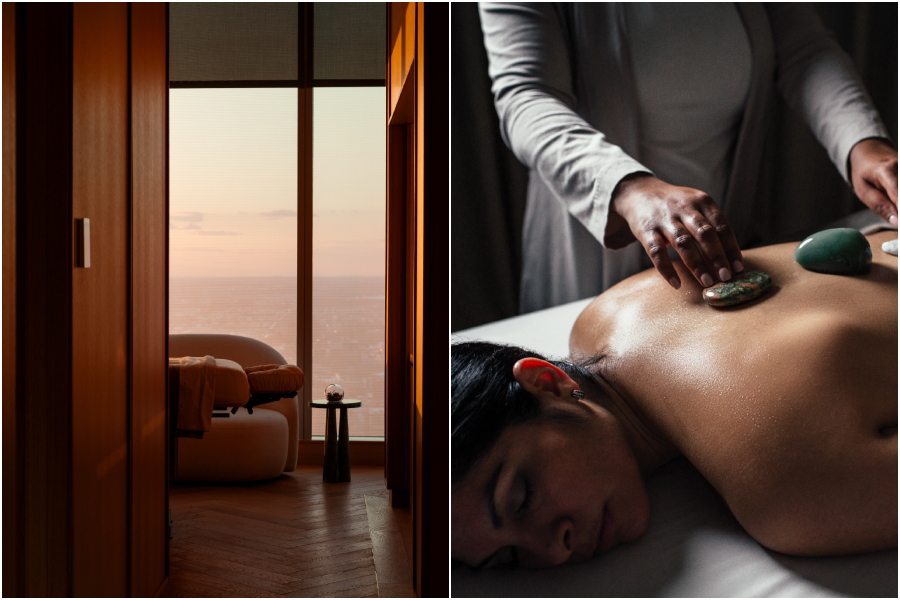
Health and wellness editor Laura Brzyski relays her experience getting a rest-focused spa treatment at Four Seasons Hotel Philadelphia’s new Sky Garden floor. / Photographs: The Sky Garden spa suite, by Joe Thomas (left); a massage treatment, by Southcote Digital
Listen to the audio edition here:
I’ve always had high sleep needs. That means I function best on 10 to 11 hours of sleep per night — and no, that’s not an excuse to get my 40 winks and then some.
While there’s little data on people like me, known as “long sleepers,” research shows that sleep duration is not one-size-fits-all and is often influenced by a person’s genetics and circadian rhythm. Many experts chalk up the problem to oversleeping — they claim that more than nine hours of sleep can make a person feel more tired or could signal an underlying medical issue — but I’ve had the tests and studies done: No sleep apnea. No low levels of iron or essential vitamins. No thyroid issues. (Though, I’ve not yet ruled out chronic fatigue syndrome, a condition that’s difficult to diagnose — Stanford scientists have created a blood test that identifies an associated biomarker, but it’s still in the pilot phase — and has no cure.)
And while I’m still trying to convince my husband of the science, studies suggest women need more sleep than men, yet our ever-fluctuating hormones — due to our menstrual cycles and the lead-up to menopause — often disrupt our ability to get quality rest.
(Also, I genuinely love catching some z’s. Sleep is, as writer Sara Protasi argues in this delightful essay for Aeon, delicious.)
During the early days of the pandemic, though, I, like many others, experienced bouts of insomnia due to increased anxiety. My sleep was so royally messed up that I eventually went on a sleep retreat to figure out how to combat my recurring tossings and turnings. The experience altered my mindset and my approach to sleep health — I learned tactics to naturally wind down before bed and to keep calm during middle-of-the-night wakings. But I’m still not completely immune from insomnia, especially during periods of high stress. It’s not just a me problem, either: According to a recent Gallup poll, U.S. adults are both severely stressed and sleep-deprived, clocking in fewer than seven hours per night.
While lack of sleep is a real problem in today’s go-go-go world, many of us forget that lack of rest — or feeling physically, mentally, emotionally, socially, and sensorially at ease and capable of refueling — is also grinding us down. So, I was intrigued when I learned that Four Seasons Hotel Philadelphia launched new spa treatments, some of which are designed to support optimal rest, at what they’re calling Sky Garden, the hotel’s never-before-used floor set on the 45th level. (The refurbished space is home to eight residential-style rooms and suites, including a killer 4,000-square-foot penthouse, and a private, one-person spa suite.)
The Four Season’s main spa on the 57th floor is one of the best in the world — it’s the only spa in Philadelphia with a Forbes’ five-star rating, a designation given to just 123 others around the world — but the treatments, like those at most spas, don’t target specific health or lifestyle needs. So, while you might leave feeling totally pampered regardless of whether you get a massage, facial, or body scrub, you may nonetheless bring home low energy, a dysregulated nervous system, or stress you’re still struggling to stave off.
The brand-new spa services at Sky Garden just 12 levels below the 57th floor spa aim to do just that. “High Vitality,” as the service menu is called, is designed around precise outcomes: stress relief through services like breathwork and yoga; more restful sleep via acupuncture, sound therapy, and Reiki; and immunity support with lymphatic drainage, IV therapy, and a comprehensive facial. (Senior spa director Stéphanie Cherbakow Baron, a believer that longevity should be at the core of the wellness industry, developed the menu after spending two decades working closely with and learning from energy healers, acupuncturists, breathwork facilitators, and other wellness practitioners across the world.)
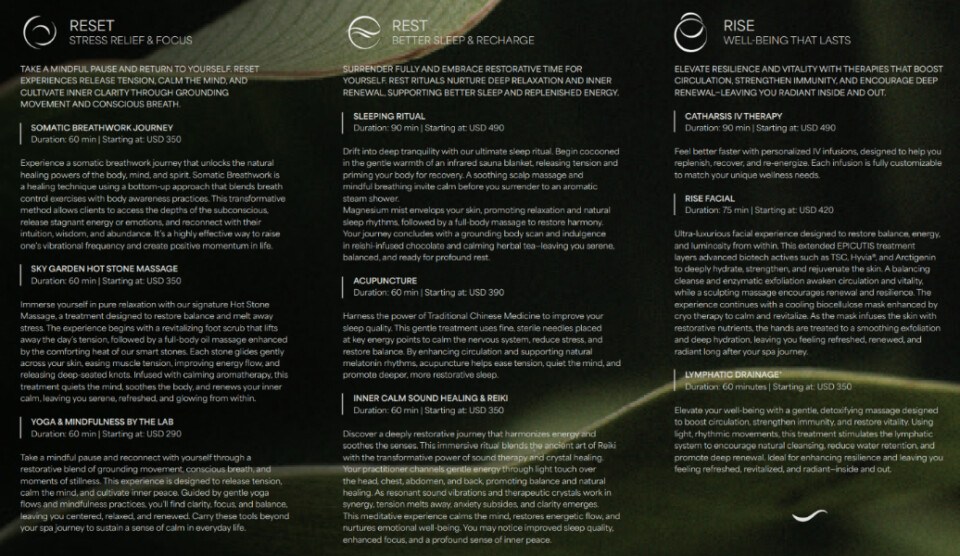
The full High Vitality spa treatment menu / Image courtesy of Four Seasons Hotel Philadelphia
It’s a shift we’re seeing globally: Many spas and wellness resorts are now tailoring their services toward longevity — which Vogue deemed one of 2026’s biggest wellness trends — and, as a result, are altering their approaches from providing temporary relaxation to results-driven treatments that aim to provide measurable, long-lasting health benefits.
Given my personal history with sleep issues and the current, universal rest deficit, I wanted to give one of the new “High Vitality” services a try.
Sky Garden’s spa suite is discreet and private, tucked in a quiet corner on the floor. The suite itself is spacious, but not too big — there’s a single-person bathroom with a shower, one massage bed, and a small sofa by the floor-to-ceiling windows that overlook Center City and the Schuylkill River. Because I’m here with rest as my goal, the curtains have been closed against the afternoon sun, dimming the room. The effect is instantly calming — I feel in the right place and headspace, and also a bit ready for bed, despite it being midday.
I’ve opted for Sleep Ritual (starting at $490), a 90-minute treatment comprising contrast therapy, two kinds of massage, and sleep-supporting refreshments — all intended to calm the nervous system and nurture deep relaxation, backed by the belief that rest is something that can be structured and facilitated.
My spa therapist and I discuss why I’ve selected Sleep Ritual — parenthood, work, and the chaotic state of the world have left me feeling tired-but-wired — and how I hope to feel after (relaxed in mind, body, and soul). There’s no other assessment for diagnosing — they aren’t prescribing meds, after all. The thought is, if you’ve chosen a rest-focused service, you likely need it.
The treatment begins with time spent in an infrared sauna blanket that’s laid out atop the massage bed. It’s more like a sleeping bag — a toasty, cozy cocoon — enveloping my body from the neck down in complete warmth and allowing my tight muscles and stiff joints to loosen.
As I let the infrared heat do its thing — it has several physiological benefits, including helping muscles to relax and supporting immune function, both necessary for getting optimal rest — I put aside any stressful or negative thoughts. I figure if my head isn’t free of anxiety, my body won’t be, either. How can I achieve rest if I’m not practicing or embracing it when the time, space, and support are all at my disposal?
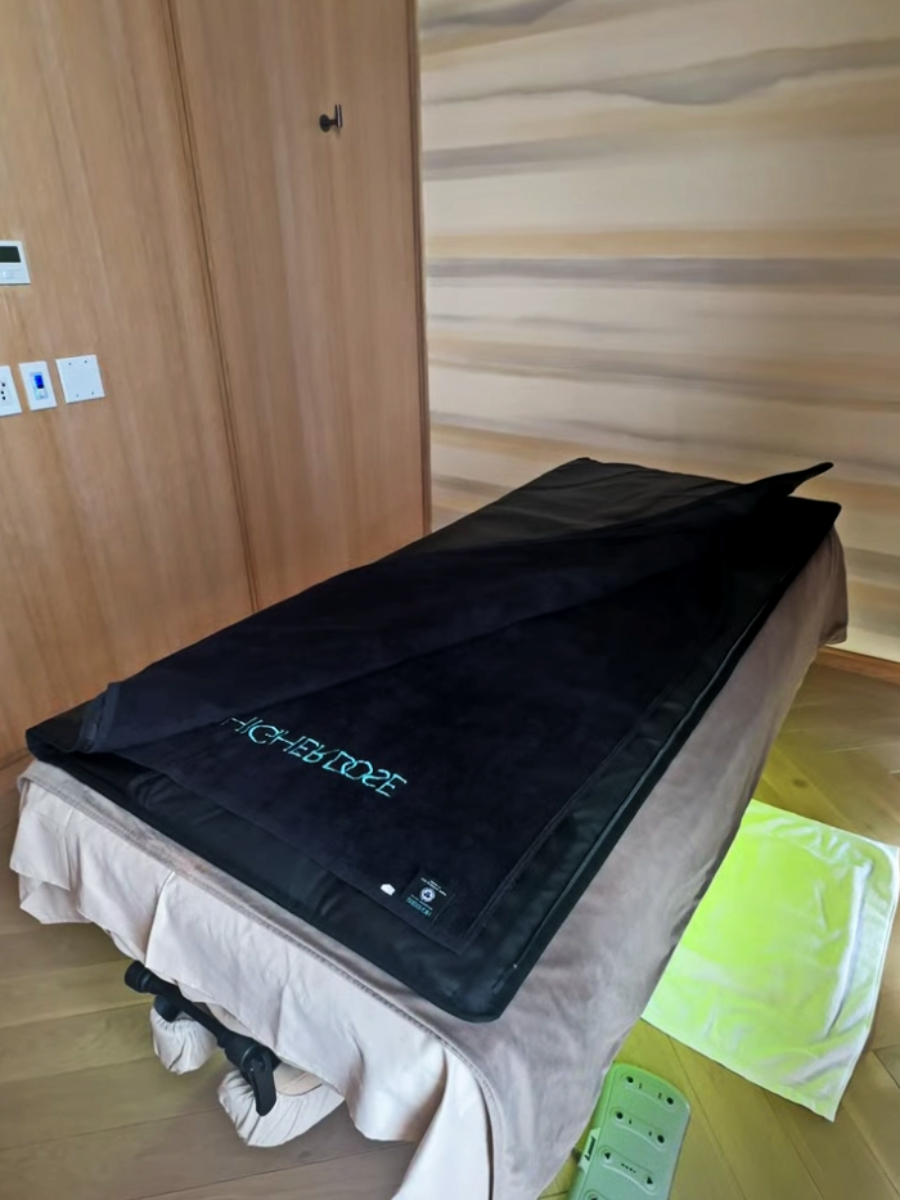
The Sleep Ritual begins with time in an infrared sauna blanket. / Photograph by Laura Brzyski
My body warms and I’m starting to sweat a bit — for some people, that feeling might not be relaxing, but as someone born during a heat wave, I am in my natural element, which puts me at ease. The therapist starts massaging my scalp, and the rhythmic nature of her hands in my hair almost cause me to doze, and no wonder: Massaging the head has been said to reduce the stress hormone cortisol and boost serotonin, a neurotransmitter that aids in the production of melatonin, which regulates the sleep cycle.
She tells me, with a whisper, it’s time for me to enter the private shower and run cool water on my body, the second part of this contrast therapy. This is surprising to me, as cold water is known to jolt the body awake — which doesn’t seem to fit with this rest protocol — but I also understand that nobody wants to be sweating for the rest of a spa service, so I oblige. The cold water hits, and I’m immediately taken out of my peaceful reverie — I’m more alert now — and it takes a few minutes for my body and mind to fall back into a relaxed state. (Later, I learn that contrast therapy has the potential to improve sleep quality — how long and how well you snooze — as raising then lowering of your core body temperature can help shift your nervous system from fight-or-flight to rest-and-digest.)
I return to the massage bed — I now understand why it’s called a “bed” — for a full-body treatment, customized to my areas of tension, like my aching hamstrings and upper-body knots. Normally, any good massage will make me a little sleepy, but this one really settles me, thanks to a magnesium mist sprayed directly onto my skin. Magnesium, an essential mineral the human body needs to function properly, is known for its sleep benefits, including improving sleep quality and reducing stress and anxiety, which often contribute to insomnia. While there’s currently little evidence to show our skin can adequately absorb magnesium via topicals — oral supplements are recommended more often — some skin experts believe non-harmful placebos can be powerful, especially when it comes to catching z’s.
As the service ends and I rise from the massage table in a way that resembles a big stretch first thing in the morning (bedhead included), I find a pot of Sleepytime tea — a caffeine-free herbal blend with calming ingredients like chamomile and lemongrass — and a piece of dark chocolate from the good-for-you chocolate brand Alice. (This particular one is made with reishi mushroom, a stress-reducing adaptogen, as well as magnesium and chamomile.) I sip some tea and decide to nibble the chocolate closer to bedtime. It’s only 3 p.m., after all.
Later that evening, as I’m lounging on my couch, I forgo my typical dessert — ice cream or cookies — and grab the chocolate that’s meant to be the final flourish of my restful experience. Though I can’t taste the sleep-supporting ingredients and don’t totally buy into the idea that this single bite will have that great an impact, I feel heavy-eyed and ready to be horizontal.
By 9 p.m., I’m in bed — oh, how Friday nights have changed — and eventually drift into what turns out to be a deep, restorative sleep. So much so that when I wake up at 8 a.m. the next morning, I don’t groan at the time on the clock. I may be awake earlier than I normally am, but I’m not tired at all. I actually feel completely rested and even energized.
There are no miracle cures to rest, and exhaustion isn’t just about sleep deprivation, but maybe what I’ve experienced — what this new spa service has to offer — isn’t a placebo after all.
I climb out of bed, relieved that, for at least this morning, my rest feels earned and not chased. I’ll take that as a win.
Four Seasons Philadelphia is located at 1 North 19th Street in Center City.
Can City Council Fix Our Reproductive Healthcare Crisis?
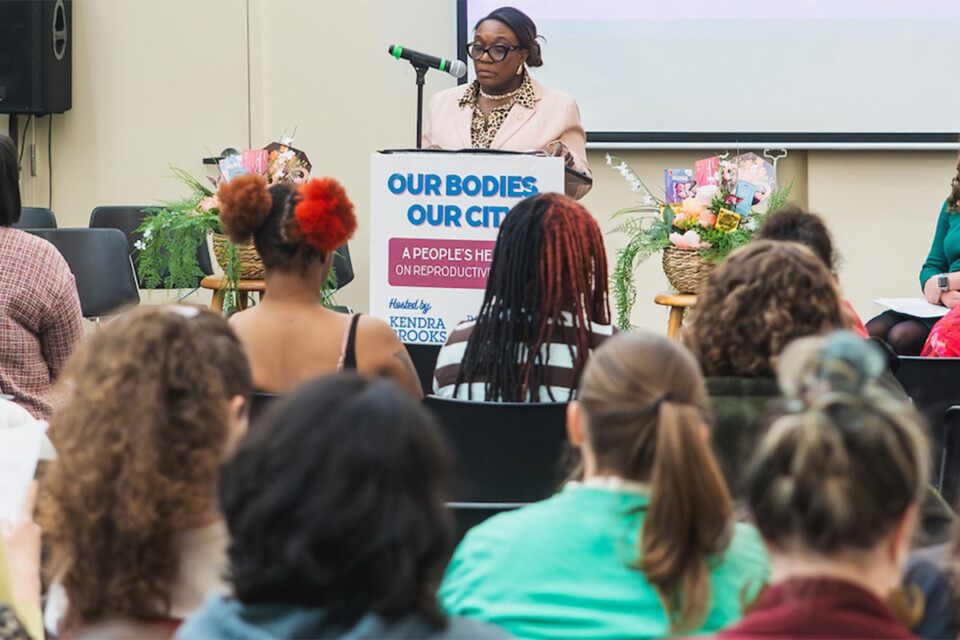
Federal and local funding cuts are decimating an already precarious healthcare landscape, especially for Philadelphia’s most vulnerable communities. City funding — and an opportunity to advocate at City Hall on April 9th — could help with that.
How to Celebrate Local News Day
The Philadelphia Citizen and Philadelphia magazine invite you to take part in this first-ever day of action. (But you can also celebrate tomorrow, and the day after that … )
The Classic Color Palette: Decor Ideas for a Black-and-White Wedding
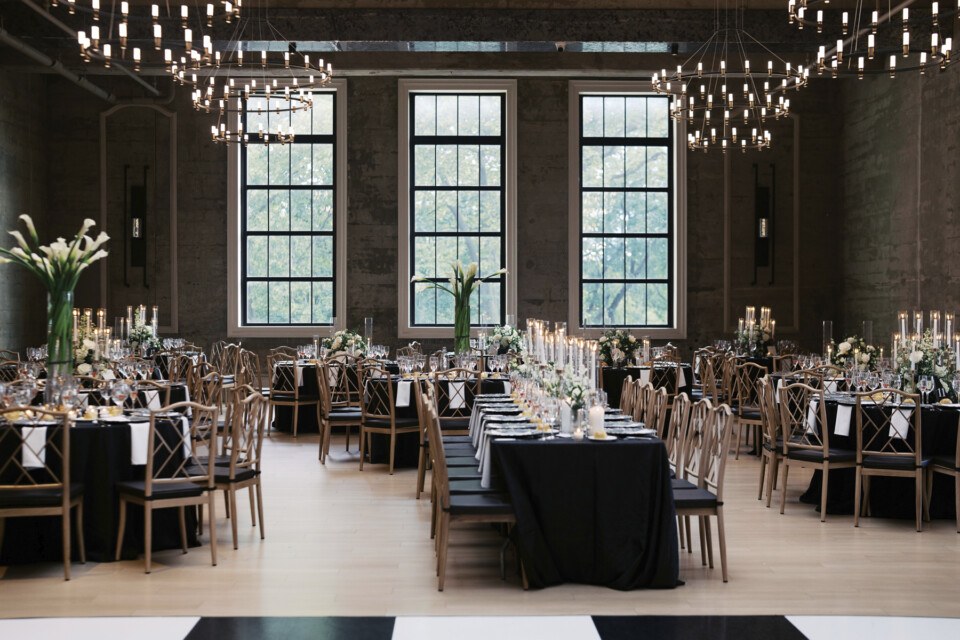
The timeless black-and-white decor of Mikayla Costa and Matthew Schmidt’s wedding at the Switch House by Cescaphe in Fishtown / Photograph by Denise Marie Photography; coordinator: Erin Quiles (Cescaphe)
When it comes to wedding colors, there’s nothing more classic than a crisp black-and-white combination, and two new venues, both opened in 2024, play perfectly into the palette.
Finley Catering’s the Ivy at Ellis Preserve in Newtown Square — a modern, barn-like space with a black exterior and a soaring white vaulted ceiling — was an ideal backdrop for the weddings of Jamie Hoagland and Matt Pinto and Bianca Arena and Chris Falconetti.
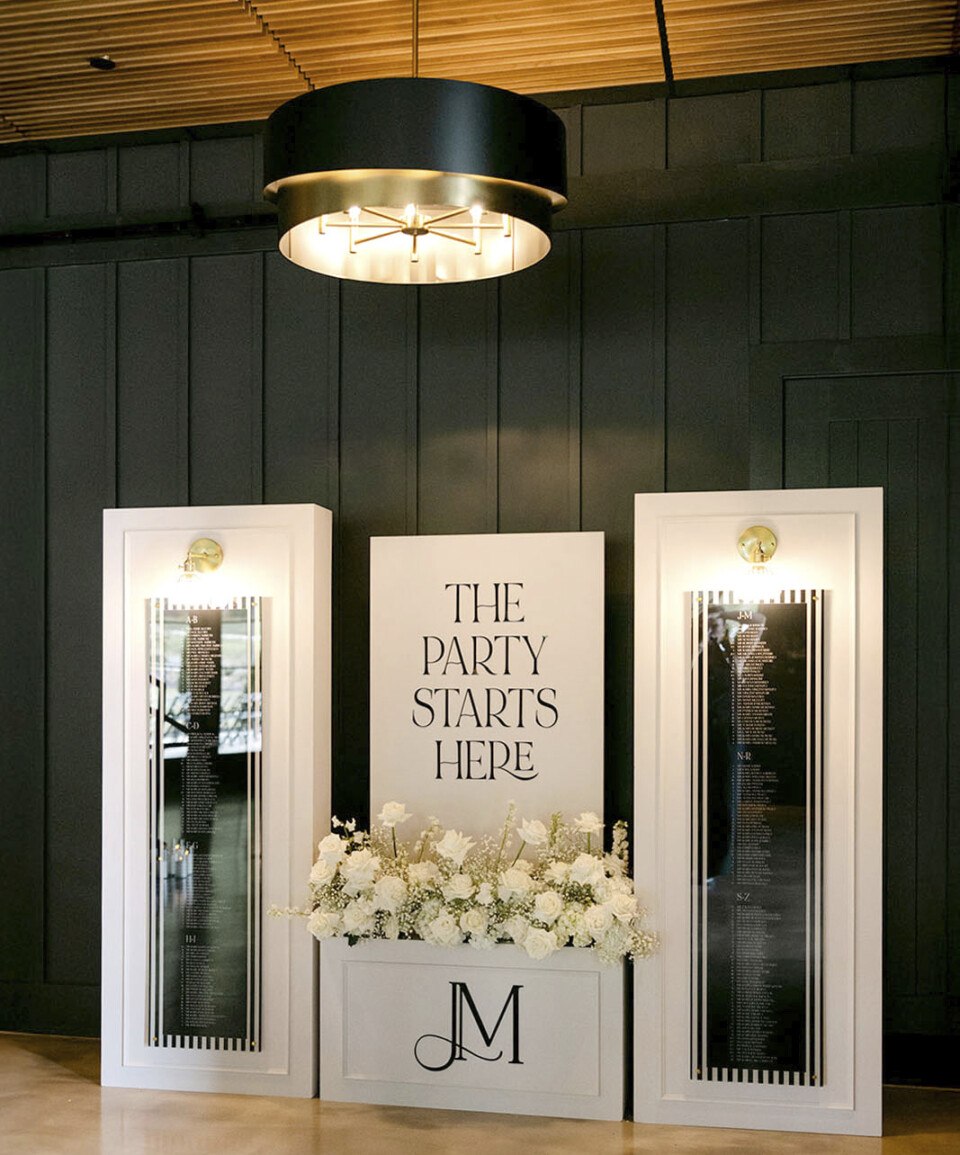
Jamie Hoagland and Matt Pinto’s sophisticated seating chart / Photograph by Alexandra Eveland Photography; planner: Designs By Daisy Events
Jamie and Matt’s seating chart installation from By Mia & Co. popped against the venue’s moody walls, while Bianca and Chris’s sweetheart table was lush with glowing candles and cascading florals by NE Flower Boutique.
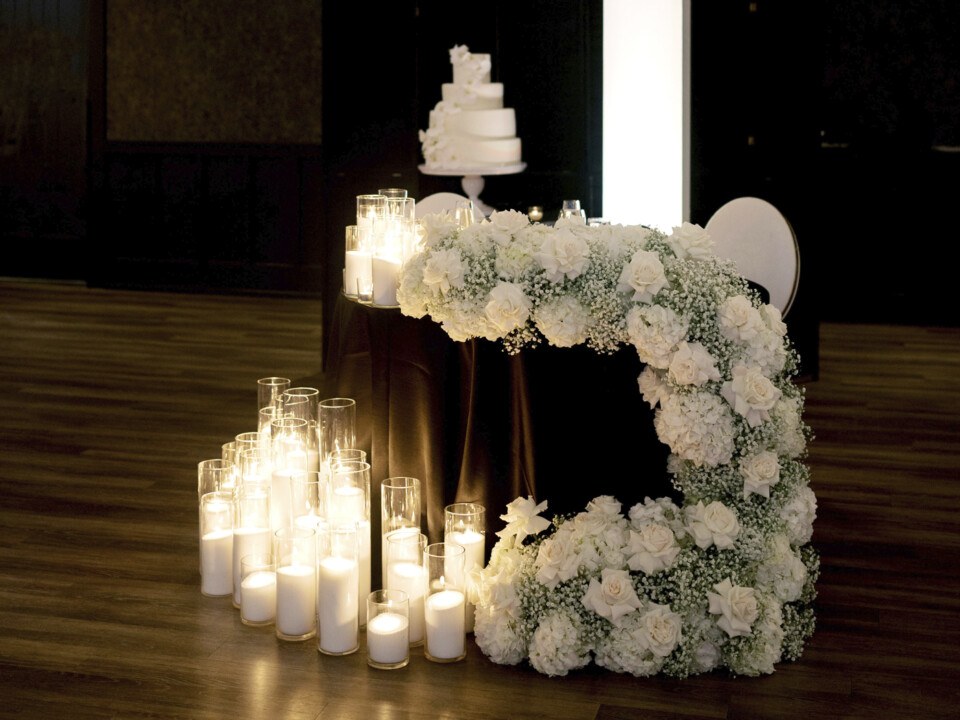
Bianca Arena and Chris Falconetti’s romantic sweetheart table / Photograph by Denise Marie Photography; planner: Olive Street Events
At the Switch House by Cescaphe in Fishtown, a historic industrial building (and former PECO plant!) with original exposed concrete walls, mirrored accents, and a spectacular floating staircase, Mikayla Costa and Matthew Schmidt hosted an elegant celebration with striking florals by Beautiful Blooms.
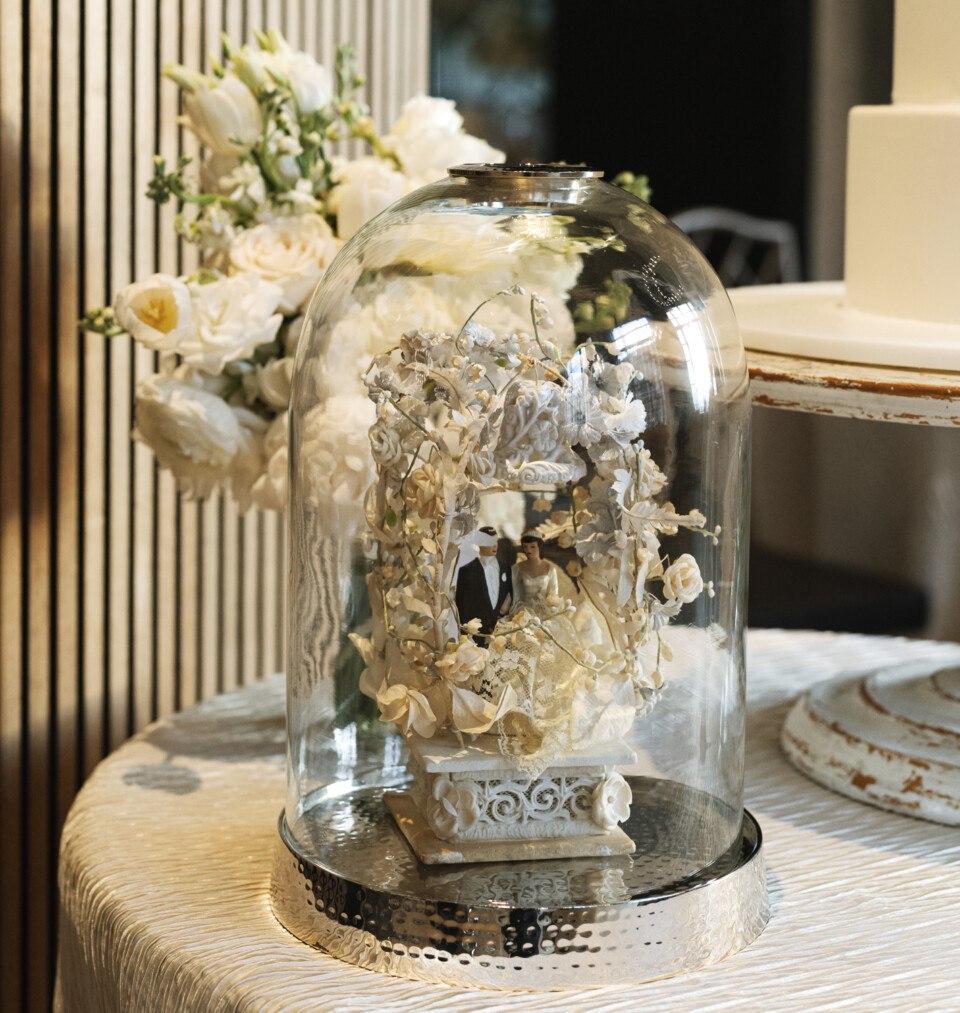
Taylor Koretsky and Drake Wilson’s sweet family memento / Photograph by Grace & Ardor Co.; planner: Starry Nite Party Designs
Taylor Koretsky and Drake Wilson highlighted the industrial space with an abundance of candles and sentimental touches like Taylor’s grandparents’ wedding cake topper displayed in a cute cloche.
Published as “Opposites Attract” in the Winter/Spring 2026 issue of Philadelphia Wedding.
A Day in the Life of Philly’s Rising-Star Baker
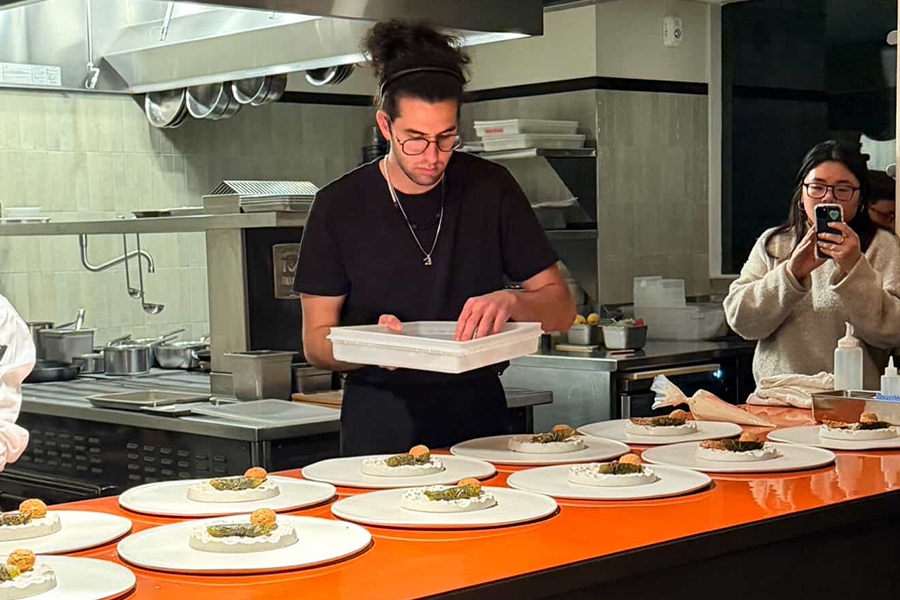
Saif Manna, owner of Manna Bakery / Photography courtesy of Saif Manna
Listen to the audio edition here:
Saif Manna of Manna Bakery has had no formal training as a pastry chef, and yet the 27-year-old is one of the most promising emerging bakers in Philadelphia right now.
The Temple graduate began baking cookies in his student apartment during the pandemic after his girlfriend at the time asked him to make her some; she liked his cookies so much that she asked him why he wasn’t selling them — and so, he did just that.
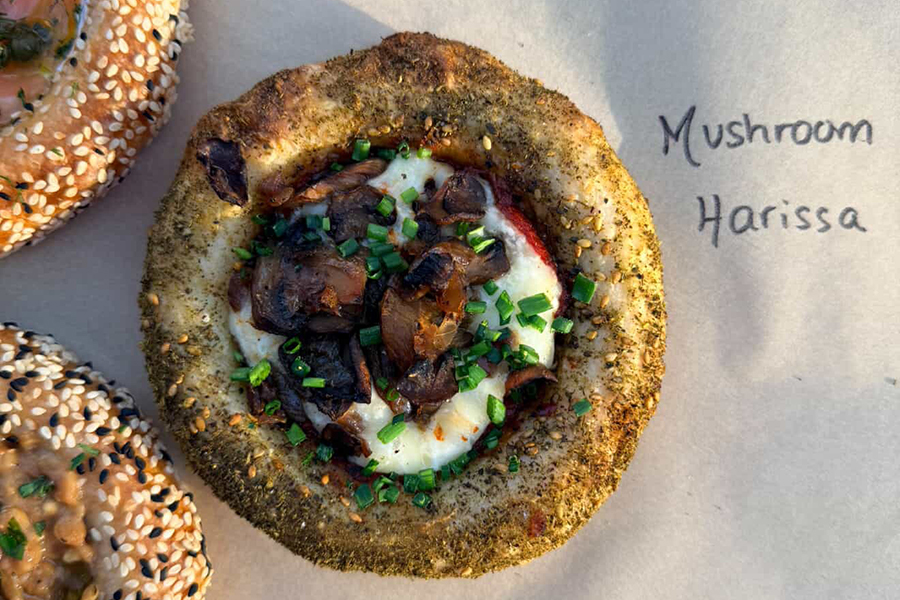
A couple of months later, he started expanding his repertoire, crafting baked goods inspired by the flavors of his grandmothers’ Levantine cooking. Now, Manna takes an array of treats — including manakeesh (flatbreads) tinged with harissa and za’atar, sweet and savory buns (the chicken sumac is a standout), and slices of rich Basque cheesecake, in addition to perfectly crisp, chewy cookies — around Philly’s farmers’ markets, where they draw long lines. (In the past, he tells me, people have waited as long as two hours to get their hands on his pastries, but better planning has cut that time down to 30 minutes or less.)
Since graduating, Manna has been focused solely on these pop-ups, but soon he’ll open a brick-and-mortar storefront in the former Essen Bakery space at Kensington’s 110 West Berks Street. He began working on the bakery in March and hopes to open to the public in May.
Interested to see what it takes to get a bakery up and running, I asked Manna to break down what a typical day looks like in the lead-up to opening. Naturally, it involves rising before the sun, a lot of problem-solving, and, somehow, hitting the gym.
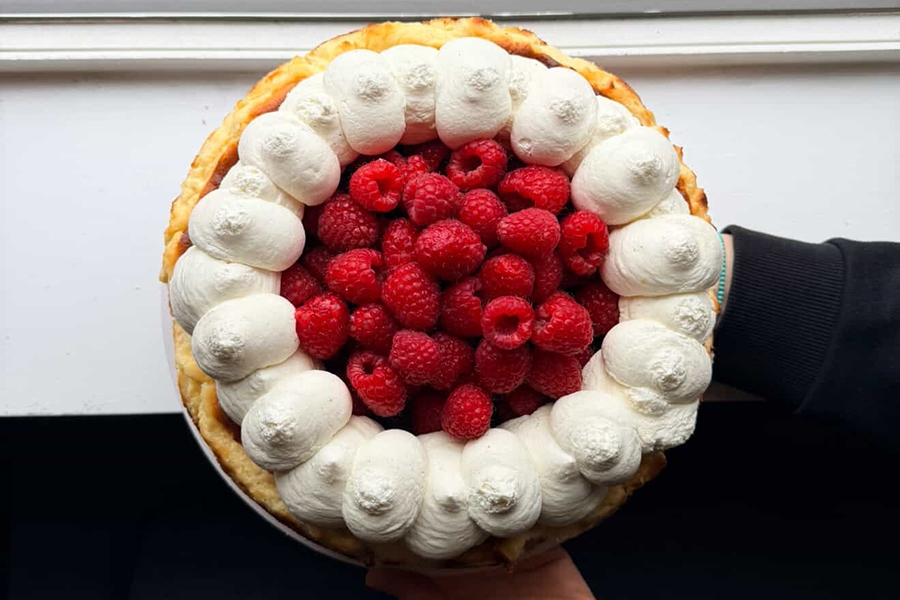
Manna Bakery raspberry Basque cheesecake
4-5 a.m.: Manna gets up when most of us are still sleeping. “That is the baker’s schedule,” he says. He used to wake up as early as 2 or 3 a.m., but is hoping to start later once Manna Bakery is open. At such an hour, you’d think Manna would reach for coffee, but instead the pastry chef knocks back a glass of water and a few supplements. “It puts me in a good state of mind and body so that I’m able to do the work that I’m doing,” he says. “The work is intense.”
6 a.m.: After making the 10-minute walk from his Kensington apartment, Manna arrives at his new bakery. “Right now, we’re really in the middle of organizing everything, which is very difficult moving from a commissary [at Char Pizzeria] to a big kitchen,” he says. “I just want to make sure everything is laid out perfectly because one of the most important things for a smooth operation is organization.” Walking around the space, Manna considers how the layout of the kitchen will impact the production flow for his team, and how guests will experience the dining area. He’ll also “identify the pain points of the day,” and write them down. “It’s always easier to tackle these things when you have a list,” he says. Fixing the bakery’s counter is among Manna’s top priorities. “That thing is caving in and it’s going to collapse at one point in the near future,” he says. He’s upgrading the fixture by adding cream travertine tiles — a nod to his late father, as it was one of his favorite stones — that’ll bringing an earthy feel to the space, and changing the shape to “get a curve on it to give it a more warm, welcoming vibe.”
7:30-8:30 a.m.: Manna goes to his local gym to squeeze in a workout — a habit he sticks to three to four times per week. “It just gets the blood flowing, it gets me feeling better, it gets me awake,” he says. “I was a former student athlete, so being active and moving and exercising is a very important part of my weekly and daily routine.” Manna played tennis at Temple, where he majored in political science; and before that, he was on the Division I tennis team at Texas A&M. He hasn’t picked up a racket in a while, though. “The past year has been extremely busy,” he says, and he wants to find time to play more often. At the gym, Manna limits himself to an hour of exercise. “Sometimes my workouts can go easily over two hours, but I don’t do that to myself anymore,” he says. His job is physical enough. “What I do is exhausting,” he says. After working out, he heads home; when the bakery is open, Manna expects he’ll go straight there.
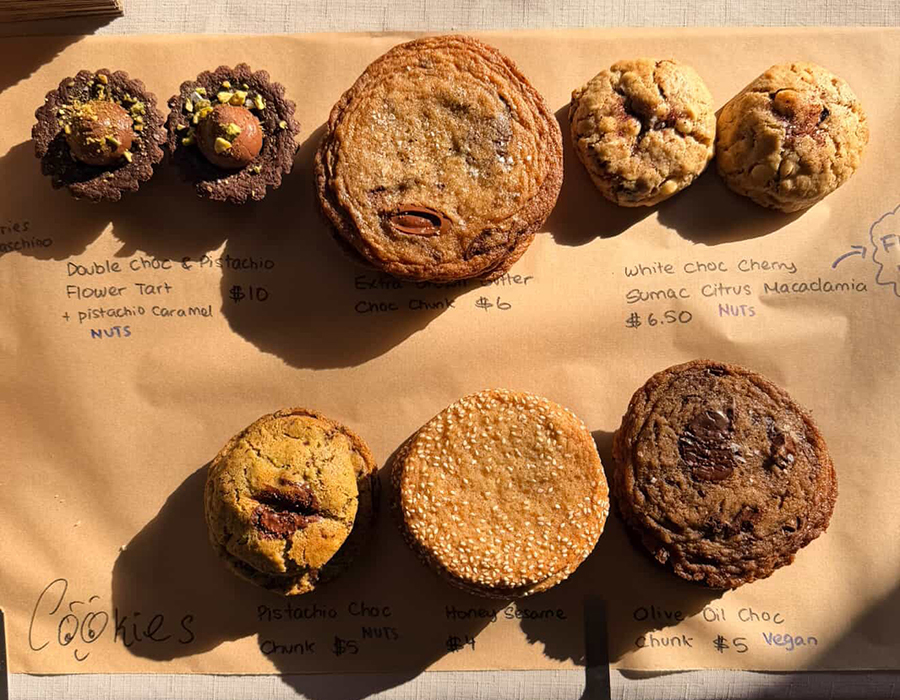
9:30 a.m.: Manna is back at his apartment for a little something to eat — and no, he still hasn’t had any caffeine. “For me, coffee is a luxury thing,” he says. He’s more likely to reach for a cup of matcha or mushroom coffee, but when he does have the traditional stuff, it’s often a latte; he’ll take it hot in the cooler seasons and iced in the summer. “A lot of work goes into crafting the perfect cup of coffee, which we’re going to try and do in the bakery cafe,” Manna says, noting that he’s still mulling over a few options for the coffee they’ll pour there. In his home kitchen, Manna will whip up a quick breakfast of eggs — either scrambled or boiled and drizzled with olive oil and za’atar, or made into a cheesy omelet — and avocado. On the side, he’ll have some sheep’s yogurt (growing up in Dubai, Manna developed a taste for “a nice sour yogurt”), topped with seasonal fruit and toasted almonds or hazelnuts.
10 a.m.: After breakfast, it’s back to the bakery, where Manna starts running down his to-do list. Between tasks, he lets in plumbers, the contractor who’s there to fix the counter, and others working on the place. “It’s a lot of people walking in,” he says. Meanwhile, Manna and his team of two bakers focus on organizing everything from the walk-in fridge to the package room. When he got into the bakery in March, Manna says, “nothing was where it should be.” Of course, it was helpful moving into a space that was set up as a bakery — he also bought most of the existing equipment, which made things easier — but there’s still work to be done. “Now we’re in that reorganization phase,” he says. “I stand there and stare and say, ‘Yeah, this doesn’t make sense being here,’ and then we end up thinking another way.”
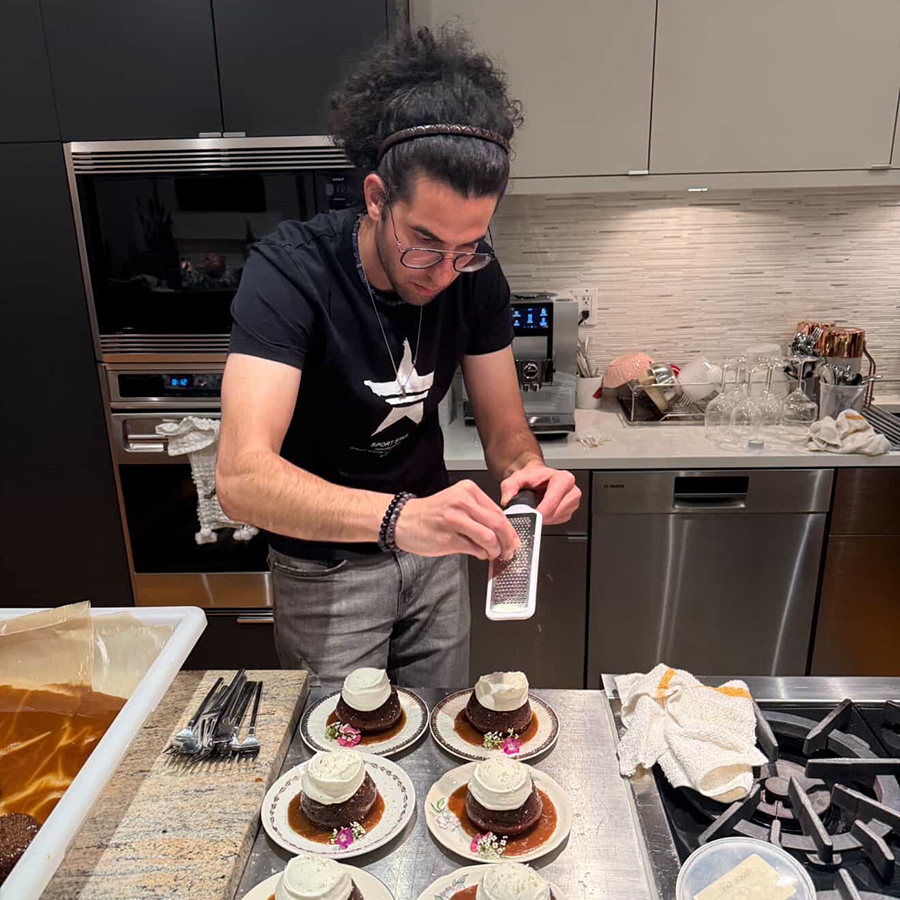
11:30 a.m.-2:30 p.m.: Most people are thinking about lunch around this time of day, but it’s usually the last thing on Manna’s mind. Instead, he’ll have a snack — often, a handful of almonds, cashews, or macadamia nuts, a date, and some dried fruit — to tide him over until dinner. “I’m not someone who can eat when there’s a lot on their mind,” Manna tells me. “I like to do what I call conscious eating, so I’m always looking at the food that I’m eating and really tasting and enjoying it. So if I’m not going to have that moment of enjoyment, then I won’t really sit down and eat.” Instead, from late morning into the afternoon, candidates in the running for a job at the bakery might stop by for an interview; when we speak, Manna is looking to fill a handful of front-of-house positions, as well as add two more bakers to the team. (As for the farmers’ markets, which he plans to continue when the shop is open, he has a separate team of five bakers.)
2:30-3:30 p.m.: The baker checks in on his team’s progress, and maybe gets an update from the contractors, before it’s time to lock up for the day.
4:30 p.m.: Manna closes up the bakery — a new part of his routine that he’s still getting used to. “There’s more than just one door now,” he jokes. When he’s done, if he’s not exhausted, he’ll walk around the neighborhood to decompress. And because no world is smaller than a Philly neighborhood, he’ll often bump into people he knows on his stroll. “Many of them are so happy that the bakery is opening in the area,” Manna says. “It also makes me feel really happy that people in the neighborhood are excited to see us open.” He’ll also think about how the day went and ask himself if he made enough progress. “With a food business, timeline is so important,” he says, noting that it’s essential to stay on track to pay rent and his staff. Then, his mind turns to food. He’ll swing by Riverwards Produce to pick up dinner provisions to cook at home — usually some seasonal vegetables and, for protein, lamb, ground beef, or hearts and liver (chicken and beef are his go-tos). But if Manna and his wife, Stefaniya Surikova, can’t decide what they want to eat, the couple will default to one of their favorite neighborhood spots: Kalaya.
5 p.m.: Manna and Surikova go to Kalaya to get a table before the dinner rush. They start with the shaw muang (ground chicken, cucumber, and Thai chili encased in flower-shaped dumplings) and pla muk thod kreung (fried curry calamari, long hot peppers, lime leaf, and nam jim waan, a sweet-and-sour dipping sauce). For their entrée, they’ll get the goong thod kluae (river prawns fried in brown butter, with shrimp paste and seafood nam jim), pla nung manao (steamed branzino with lime, fish sauce, cilantro, and seafood nam jim), and pu pad pong karee (a stir-fry dish with colossal crab, egg, Thai chile paste nam prik pao, Chinese celery, and crab roe) — all of which are served with jasmine rice — and gaeng pae (goat and lamb curry made with a house spice blend, toasted coconut, and pickled cucumbers and coconut turmeric rice on the side). “If we’re lucky enough to see Nok [Suntaranon] in the space at Kalaya, we may sit down and chat with her,” Manna says of the restaurant’s James Beard Award-winning chef. “If we happen to sit with Nok, she probably would have told me 10 or 15 different things that I need to get done before I’m open,” he adds. “She’s always giving me very wise advice.”
7 p.m.: After walking off dinner on the way home, Manna will sit down to respond to some emails from his phone or do some admin, like reviewing sketches for the bakery’s forthcoming new logo.
7:30 p.m.: Manna winds down for the night by cracking open one of the two books he’s reading — right now, they’re Mikhail Bulgakov’s The Master and Margarita and Aki Kamozawa and H. Alexander Talbot’s Ideas in Food. (Yes, even in his downtime, he’s thinking about work.) “I create all my recipes, so I’m constantly looking for inspiration,” he says. “A lot of it I get from my grandmothers and from memory and nostalgia and experiences, but there’s also a lot out there when you’re just reading a book and then something comes to mind that sparks an idea.” On nights when his eyes are too tired to read, Manna will put on the TV. Currently, he’s watching Being Gordon Ramsay. (Yes, more food content.) However he chooses to unwind, a cup of herbal tea is a must. Manna’s preferred blend — a mix of raspberry leaf, spearmint, and lemon balm with other foraged herbs and flowers — comes from one of Surikova’s many bags of tea from her native Russia. And if he’s feeling like something sweet, he’ll have a little raw honey, or “a small dessert” of cottage cheese with honey and berries.
8:30 p.m.: It’s time for bed, as per the baker’s schedule. Tomorrow’s a big day: He and his team will test the kitchen in the new bakery for the first time — a key step towards opening. “You can’t really figure those things out when you’re not working,” the pastry chef says. “It has to be in the moment. So tomorrow will be the first day, and I’m super excited for that.” Like always, he’ll be up bright and early.
Colman Domingo Is (Finally) About to Become a Household Name
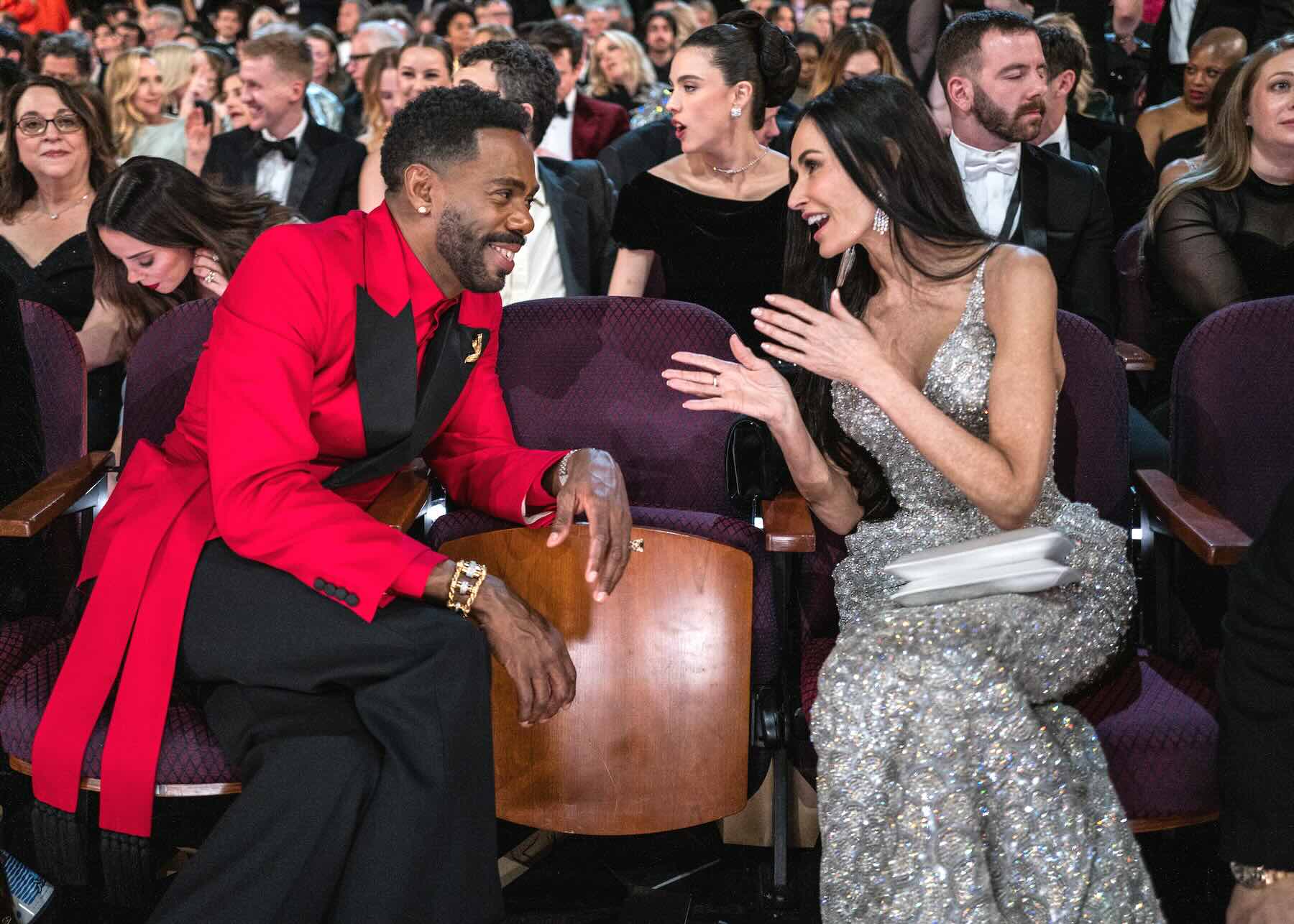
Demi Moore rubs elbows with Philadelphia’s own Colman Domingo at the 2025 Oscars ceremony. Domingo hosts Saturday Night Live this week. (Getty Images)
Listen to the audio edition here:
If you’re remotely up on what’s happening in the world of entertainment, you no doubt know the names Adrien Brody, Timothée Chalamet, and Ralph Fiennes. How about Bradley Cooper, Paul Giamatti and Cillian Murphy? One of the things these men have in common, other than fame and wealth and leading generally charmed lives, is that they were nominated for Best Actor in the 2024 or 2025 Oscars. You know who else was? Philadelphia’s own Colman Domingo. Both years. And yet, when I’ve spoken with some generally well-rounded Philadelphians whom I normally respect, I’m amazed when they scratch their heads and ask, “Who is that again?”
That response, I expect, is all about to change.
Though he now makes his home in L.A., Domingo is a Philadelphian through and through. He spent his formative years at 52nd and Chancellor streets and attended Overbrook High School, where he had gym class with none other than Will Smith. “He was popular,” Domingo recalls. “Me? Not so much. I was the nerdy kid on the school newspaper.” From Overbrook High, it was off to Temple, where Domingo pursued a career in journalism. While at Temple, he wound up taking a theater class as an elective, at the suggestion of his mother.
“My family saw me as being a really shy kid, but my mother knew I had a bit of a personality,” he explains. “It was just hard to make it come out. So she encouraged me to take an acting class as an elective, to help me come out of my shell. And I immediately knew that the theater was where my heart lied and that I could tell people’s stories, but in a different way.” He dropped out of Temple to pursue his dream of being on stage and screen.
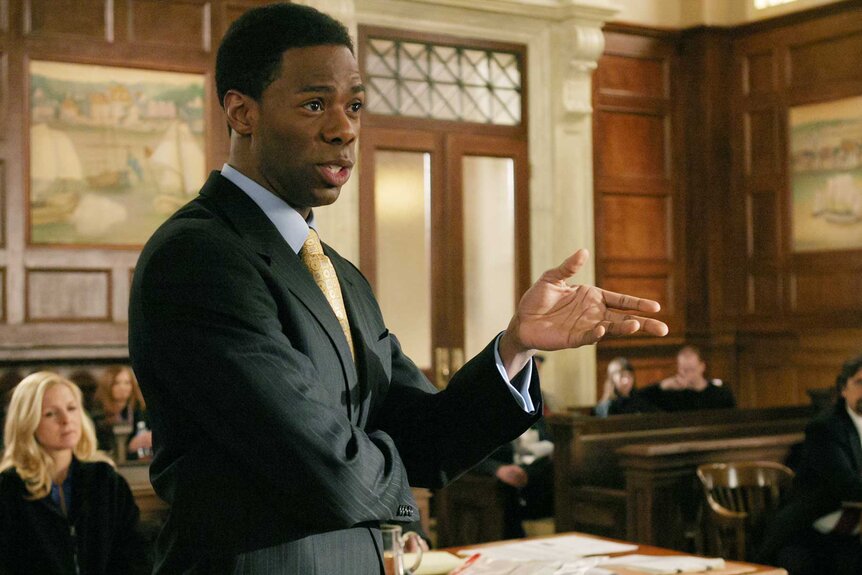
Colman Domingo in Law & Order (photo courtesy NBC)
Domingo struggled at first to find success. Like Claire Danes, Idris Elba, Philip Seymour Hoffman, and a slew of other actors, he did the before-they-were-famous Law & Order thing, appearing in three versions of the franchise. He eventually landed a small part in the groundbreaking 2013 film The Butler. (Variety called Domingo, then a virtual unknown, “excellent” in it.)
Domingo’s career picked up in 2015 when he landed a major role in the cult-followed AMC horror series Fear the Walking Dead. In 2019, he took on the recurring role of Zendaya’s sobriety coach in the HBO hit Euphoria.
Then came the Oscars. In 2024, the nod was for Domingo’s starring performance in the critically acclaimed, Obama-produced biopic Rustin, about West Chester–born civil rights leader Bayard Rustin, and then, in 2025, prison drama Sing Sing. (An NPR critic raved about his “special kinetic energy” in that.) And who voiced the Cowardly Lion in last year’s Wicked follow-up, showed up as a drag queen dancing with Sabrina Carpenter in her “Tears” video, and, around the same time, appeared on the cover of both GQ and Esquire? Yep. Colman Domingo.
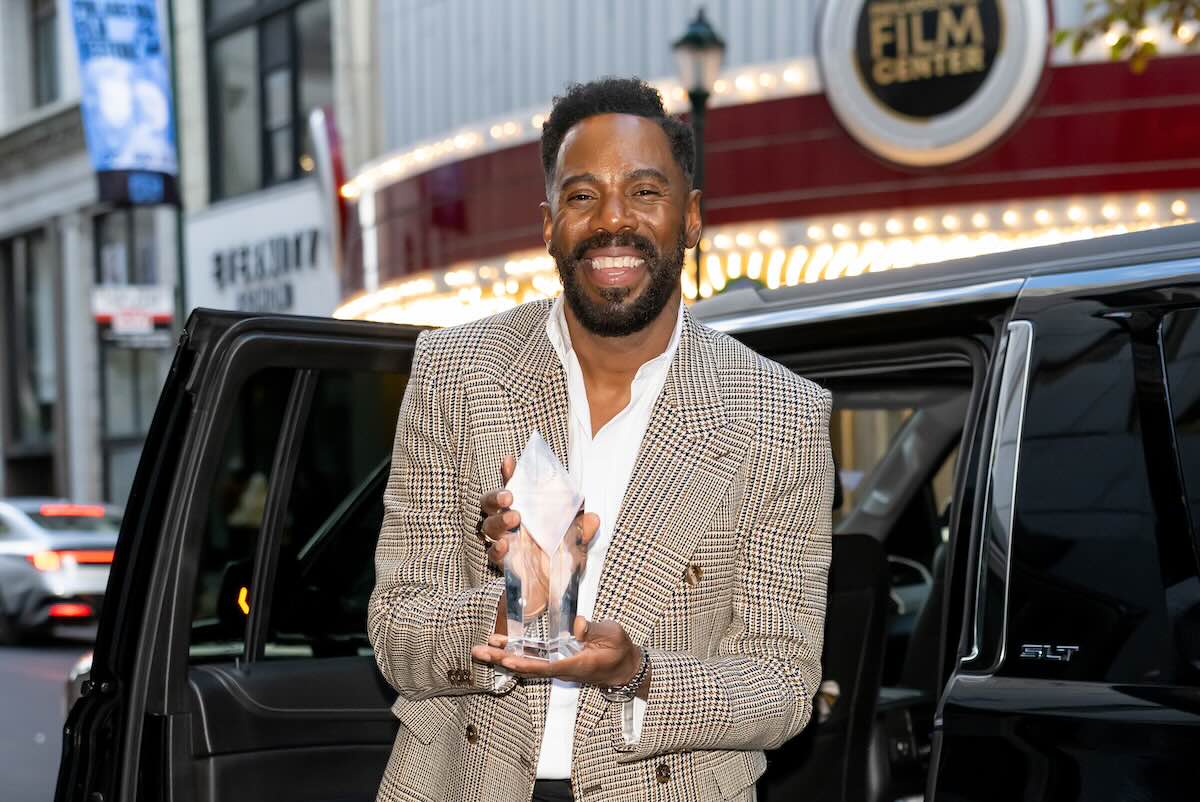
Colman Domingo is seen after receiving the 2025 Lumière Award during the 34th Philadelphia Film Festival on October 26, 2025 in Philadelphia (Getty Images)
He’s not slowing down. Far from it. This Saturday, Domingo makes his hosting debut at Saturday Night Live. I asked him how he’s been preparing for that, since live sketch comedy on national television is a bit different than scripted movies and TV shows where you get multiple takes. “I’ve recently watched a lot of SNL,” he told me with a laugh. “Especially the opening monologues, because they can kind of really make or break the episode. The opening monologues that I appreciate the most are from real tried and true comedians like Dave Chappelle and Chris Rock.”
The next day, Euphoria returns to HBO after a long hiatus. And then there’s Michael. On April 24th, the Michael Jackson biopic will begin screening all over the globe, with Domingo playing the Jackson family’s controversial father, Joe, without whom the Jackson 5 (and, by extension, the entire career of the most famous pop star of all time) wouldn’t have existed. He’s returning to Philly in May to give the commencement speech at Temple, his (almost) alma mater. And in June, at the kickoff of summer blockbuster season, Domingo co-stars as a conspiracy theorist in the new Steven Spielberg sci-fi epic, Disclosure Day, a movie that has been shrouded in no shortage of secrecy.
“This is a movie about hope and about the question of whether we are alone in the universe,” he says of the film. “And if we invite that question in, what would it do to us? Would it dismantle our civilization, or would it rebuild it in some way? I think it’s really about that. It’s really about a great argument of who are we in this big thing called the universe, and what’s possible.”
So, yeah, we think that maybe a few more Philadelphians will know the name Colman Domingo by the end of the summer.
As for what Domingo will say to the thousands of Temple students he’ll be addressing on May 7th, he tells me he isn’t sure. “I’ve been working on some ideas,” he says. “But with things like this, I tend not to really know what I’m going to say until the day I have to say it.” I’m guessing it will be something like what he told me in a previous interview, back in 2021, when I asked him what advice he gives to anyone who tells him they want to be an actor: “Bet on yourself.”
That mantra certainly has worked out very well for him.