Breast Cancer Rates Are on the Rise in Younger Women. Here’s a Closer Look at Their Stories.
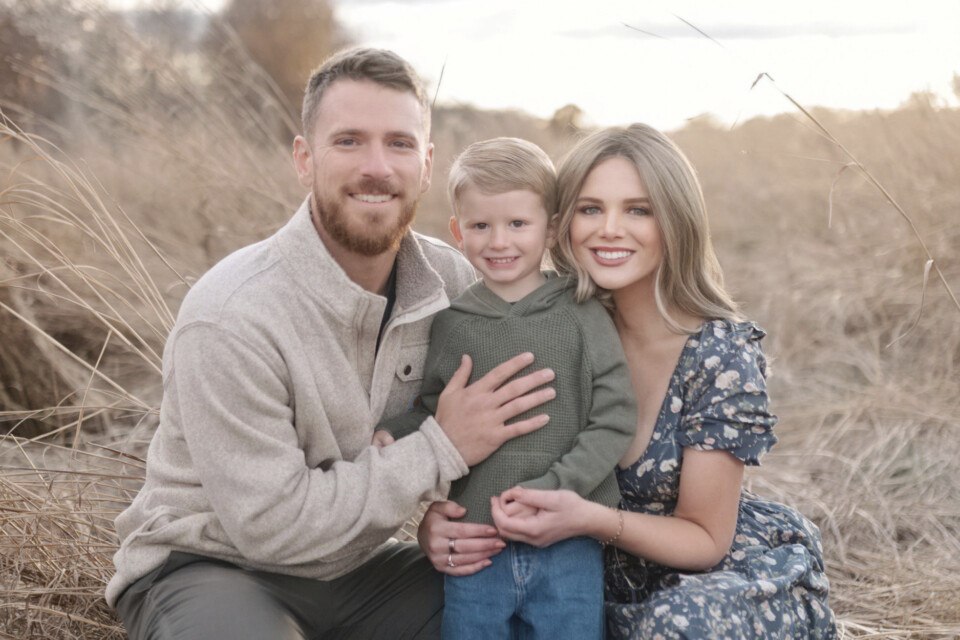
Just before Amanda Kuhl’s son turned 2, she and her husband, Chad, decided to try for a second child. During her annual checkup on Jan. 6, 2023, she discussed her plans with her OB-GYN, but the conversation shifted when her doctor found a lump in her breast. Kuhl, then 30, had just finished breastfeeding and assumed it was something like a clogged duct. A mammogram, ultrasound and biopsy said otherwise. Kuhl was diagnosed with stage 3 invasive ductal carcinoma.
Treatment came fast: a double mastectomy in February, reconstructive surgery in March, chemotherapy from April to September and finally 25 rounds of radiation. With a small child and a husband who played for the Washington Nationals, Kuhl was already juggling a lot.
But sadly, her story is not unusual. Breast cancer rates are rising among young adults and medical experts can’t pinpoint why. Treatment for women under 50 comes with added complications—fertility chief among them. And those considerations extend into cancer survivorship—with post-cancer life taking on a whole new meaning.
By the Numbers
The American Cancer Society estimates that 324,580 women will be diagnosed with invasive breast cancer in 2026. One in 10 of those patients will be under the age of 45.
Still a small share, but the incidence rate is rising for women under 50, climbing 1.4% every year between 2012 and 2022—compared to roughly 1% for women over 50. More troubling: Women under 40 are 40% more likely to die from breast cancer than those over 40, and are more likely to have aggressive forms of the disease—larger tumors, negative hormone receptor status, overexpression of HER2 protein and triple-negative breast cancer.
Why the increase? “The feeling is it’s multifactorial,” says Dr. Susan Domchek, Executive Director of Basser Center for BRCA at Penn Medicine. One thought focuses on reproductive health—earlier menstruation, delayed childbirth and lower breastfeeding rates all can affect risk at a population level. Researchers are also looking at alcohol consumption, as well as endocrine disruptors and environmental pollutants.
The higher mortality rate may stem from later diagnosis; women under 40 generally don’t have regular screening. “There are unique issues to young women,” Dr. Domchek says. “We’re asking: Is it fundamentally a different disease, or is it a combination of later diagnosis and undertreatment?”
Juggling Routine
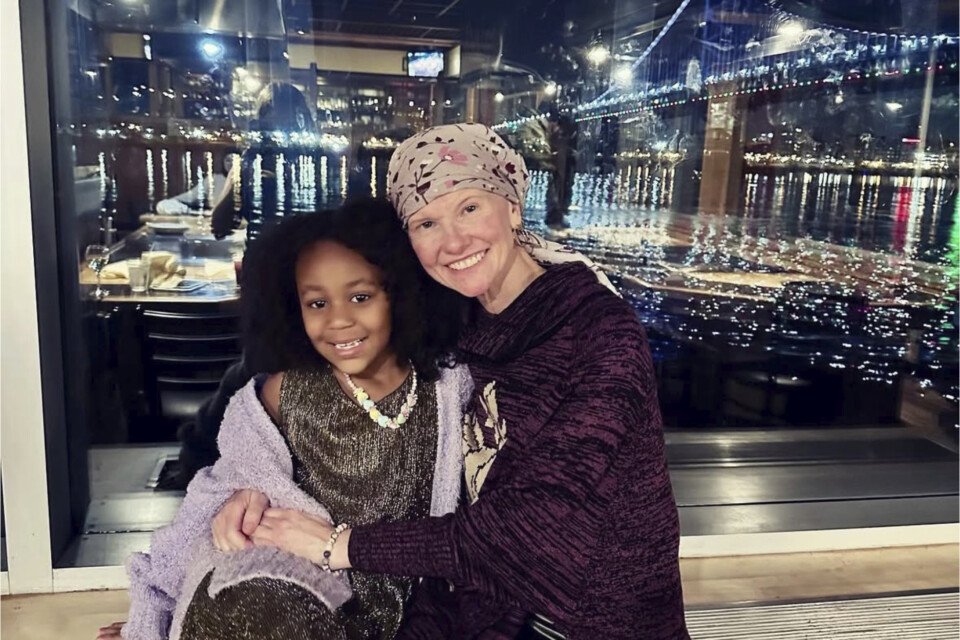
At her annual mammogram in September 2023, Holly Heenan learned she had a mass in her breast. A biopsy confirmed HER2+ stage 2 breast cancer.
“The hardest part when you’re diagnosed with breast cancer, or any type of cancer, is the waiting,” Heenan recalls. “I was like just give me the plan, and I’ll be ok.”
A single mom with a career as a financial controller at a large company, Heenan worked through six rounds of chemo, showing up to infusions with her laptop. “The first few, I didn’t feel bad,” she remembers. “By the fourth or fifth, I started to feel sick.” Her company was supportive, and if she needed to, she’d work from home in bed or take naps during the day.
Heenan also had to balance motherhood with cancer care. She was open with her daughter, then 5, about her illness. She bought age-appropriate books on the disease and let her see the bandages post-mastectomy. “You don’t want to scare them,” she says, “but you don’t want to make them think that it’s scary.”
Kuhl remembers a similar tension between taking care of herself and being present with her son. “It was hard to balance the traditional mom guilt with this medical mom guilt.”
Body Conscious
Chemo’s side effects vary greatly—from nausea and mouth sores to night sweats and hair loss. For Kuhl, a former Miss Delaware and Miss America competitor, losing her hair was one of the hardest parts. On Mother’s Day, she asked her husband to shave her head—she was tired of pulling out clumps of it. “I was like, I can’t do it anymore. Let’s just shave it and hope for the best.”
Steroids also put weight on her. “It was a really hard thing for me physically to see that change both with my hair and weight gain,” she says. “And then the fact that my breasts were taken from me and they were different.”
Heenan developed cystic acne from the chemo that made her feel unattractive, and an infection forced the removal of one reconstruction spacer, leaving her lopsided for a time. In total, she had four surgeries. “Mentally I was exhausted,” she says.
Starting Over
After Heenan’s last surgery, she took time off from work. She’d walk along the Schuylkill River each day asking herself what she really wanted to do with her life. She kept going back to her passion: thrifting. “I thought this is it in my gut—and I’ve always gone with my gut.”
That fall Heenan quit her job and opened a consignment shop, Another Chance, in Fishtown. She still does bookkeeping for small businesses on the side.
Heenan had support for her life change from her circle. “I told the CFO of my old company, and he said he understood why I wanted to do this,” she says. “He told me to follow my dreams.”
Now that both women are cancer-free, they’re supporting other women on their own cancer journeys. “I was so scared at first, but at the end of the day, you are only given what you can handle,” Kuhl tells others. “It may seem like a super uphill battle when you start, but it goes by so quickly. It’s a blip on the radar, a chapter in the book.”
Click here for more way to Think Pink.
This is a paid partnership between Think Pink and Philadelphia Magazine