Women Are Less Likely to Get CPR in an Emergency. Here’s Why That Needs to Change.
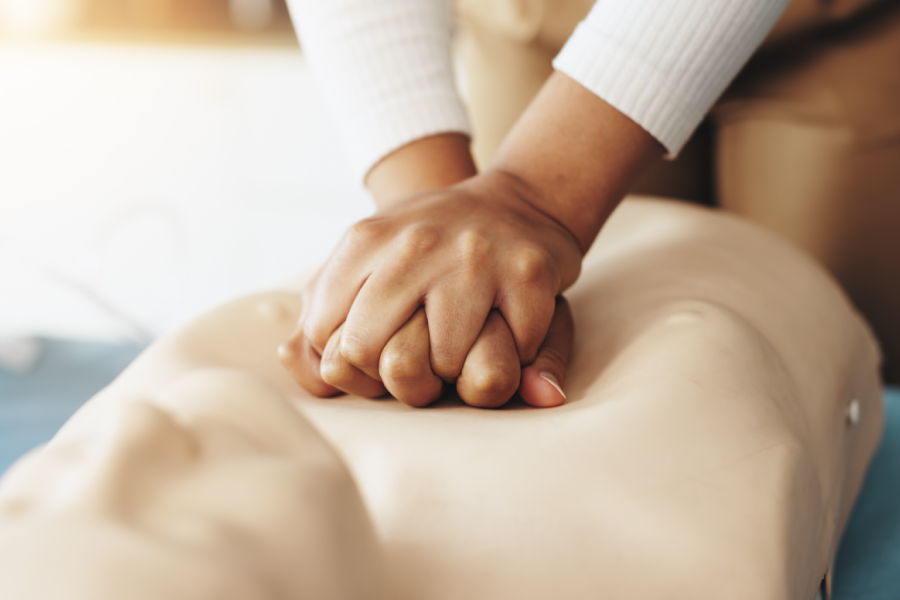
People are less likely to perform CPR on a woman. The American Heart Association is trying to change that.
If you suffer cardiac arrest, CPR can double your chance of survival. Yet women who experience cardiac arrest outside a hospital are less likely to receive it. A 2024 Duke University study found that women are 14 percent less likely than men to receive bystander CPR or defibrillation—a gap that holds across race and ethnicity. And because only about 10% of people who have cardiac arrest outside the hospital survive, removing this barrier is critical.
Why the hesitation? Several factors play a role, says Sabrina Islam, M.D., a cardiologist at Temple University Hospital. One is lack of awareness that women face the same cardiovascular risk as men. “It remains the leading cause of death in women,” Dr. Islam says.
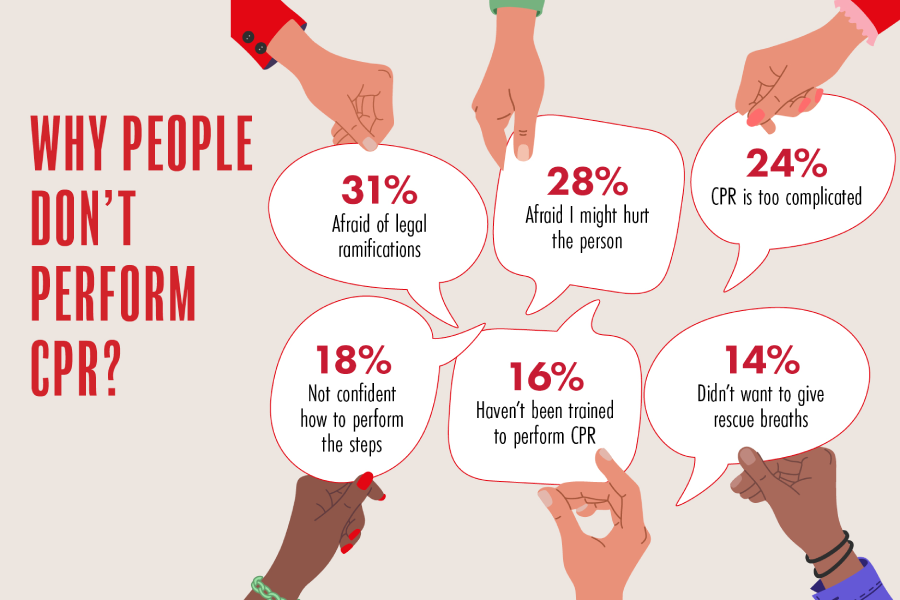
Another hurdle for women is the mistaken belief that CPR is performed differently on them. “The technique is exactly the same for women as for men,” Dr. Islam says. “A woman’s body may appear different from a man’s, but CPR is trying to improve circulation throughout the body. The frequency of the chest compressions, all of that is the same.”
Starting quickly is crucial. “Time is of the essence,” she says. Without oxygen to the brain and vital organs, damage becomes irreversible.
Dr. Islam says that with any cardiac arrest, bystanders should call 911 and start hands-only CPR right away. “Sometimes,” she says, “starting CPR while waiting for help to come might be the difference between life and death.”
For more on heart-healthy living, visit Go Red.
This is a paid partnership between Go Red For Women and Philadelphia Magazine