


The True Cost of Veterinary Care—and How Pet Insurance Preparedness Safeguards You and Your Pet
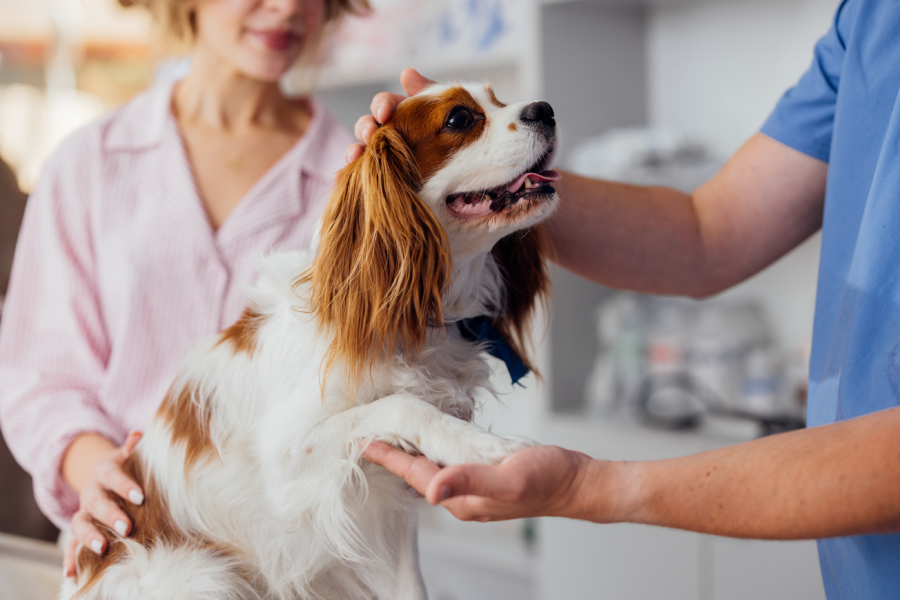
Vet bills have climbed steadily in recent years, leaving many pet parents frustrated by the high cost of care. Several factors contribute to rising veterinary costs. According to an article on dvm360, wages for veterinarians and their staff have finally begun to increase after years of stagnation—a change that was long overdue. At the same time, the prices of essential medical supplies and pharmaceuticals have risen. Advances in veterinary diagnostics and treatments, while improving outcomes, have also driven up the cost of diagnosing and treating pets.
Veterinarians are often seen as the most compassionate among healthcare providers, but compassion alone isn’t financially sustainable. To keep their practices running, veterinarians must charge enough to cover their expenses and ensure the continued availability of high-quality care.
Facing the Real Costs of Pet Emergencies
Let’s be honest about what emergencies cost. A typical emergency room visit can run between $1,500 and $5,000. Surgery—such as for an intestinal blockage—can easily reach $4,200 or more. These aren’t rare extremes; they’re ordinary crises that happen to ordinary families.
The shock of these numbers can lead to decision-paralysis, especially when every minute counts for a suffering pet. Preparedness removes that terrible pause between diagnosis and action, clearing the path to care.
This is the hidden truth about pet emergencies: they rarely come alone. One health crisis often reveals another. What starts as a limp can become surgery, then recovery, then ongoing management. The families who navigate these challenges successfully are prepared.
What Preparation Really Gives You
Financial preparedness offers something invaluable: presence. When your pet falls ill, you shouldn’t have to weigh love against expense. Being there—fully present—making the best medical decisions without financial fear, is what truly matters.
Preparedness isn’t pessimism; it’s protection for the bond you’ve built. We plan for so much in our lives—insuring our homes, saving for retirement, budgeting for vacations. Yet, we often overlook insurance the furry family members who depend on us completely.
With pet insurance, the right questions come naturally: Will this help? What’s the recovery like? What gives my pet the best chance? Not: Can I afford this?
When to Start Shopping for Pet Insurance
The best time to look for pet insurance coverage is when you first get your pet. New policies typically don’t cover pre-existing conditions, so getting coverage before health issues arise is the smartest move.
What to Look for With Pet Insurance Policies
Most standard pet insurance plans cover unexpected accidents and illnesses. You want a policy that helps with big-ticket items, such as emergency surgeries, cancer treatments, and hereditary conditions. Look for a plan with no caps on annual or lifetime payouts to ensure you’re never left footing a massive bill alone.
First-time pet insurance shoppers sometimes pick the cheapest monthly rate without checking the reimbursement percentage, but a low premium might actually mean a high deductible or low payout limit. Failing to read the policy exclusions is another frequent error. You need to understand exactly how the annual deductible works before signing up, because skipping the fine print can lead to disappointment when you need to file a claim.
Why Philadelphia-based Healthy Paws Is a Top Choice for Pet Insurance
As veterinary care grows more sophisticated and expensive, especially for advanced diagnostics and treatments, more pet owners are choosing insurance. Healthy Paws stands out as a top choice for several reasons:
- Comprehensive Coverage: Healthy Paws offers accident-and-illness plans, which cover a wide range of unexpected accidents, illnesses, emergency surgeries, cancer treatments, and hereditary conditions. This is broader protection than accident-only plans.
- Coverage options with no payout limits & 90% reimbursement: Their policies have options with no caps on annual or lifetime payouts and up to 90% reimbursement, ensuring you’re never left footing a massive bill alone, even in the case of ongoing or severe health issues.
- Competitive Pricing: While accident-and-illness plans tend to cost more, Healthy Paws offers competitive pricing, including a 10% discount for eligible PetSmart Treats Rewards members. This can make their policies more attractive if you are already considering this type of coverage.
- Fast Claims Processing: Healthy Paws is known for prompt claims processing, which means you can focus on your pet’s recovery rather than worrying about reimbursement delays.
- Transparent Policy Terms: Healthy Paws clearly outlines what is and isn’t covered. While preexisting conditions and routine care exam fees are excluded to keep premiums lower, their transparency helps pet owners avoid unpleasant surprises.
Conclusion
The rising cost of veterinary care makes financial preparedness more important than ever for pet owners. Pet insurance is a powerful tool that helps you manage unexpected expenses, ensuring you never have to choose between your pet’s health and your financial stability. By investing in pet insurance early, you protect both your budget and the special bond you share with your pet—giving you peace of mind and the ability to make the best medical decisions when it matters most.
Learn more about Healthy Paws Pet Insurance at healthypaws.com.
This is a paid partnership between Healthy Paws and Philadelphia Magazine