
Patients From Around The World Are Traveling To This Philly Hospital For Lung Transplants. Here’s Why.

For people with irreversible lung disease, a transplant can offer something priceless: a second chance at life. But for patients with complicated medical conditions or those who are typically considered too high-risk for a transplant, that chance can feel out of reach. Many transplant programs are simply not equipped to handle the additional challenges of complex cases.
Day-to-day life with advanced lung disease becomes a calculation of energy and oxygen: whether the portable tank is charged, how many times it will be necessary to walk upstairs, and whether it feels safe to leave the house. Simple daily tasks become exhausting.
At Temple Health, one of the nation’s leaders in lung transplantation, patients who have been turned away elsewhere are finding hope. The Temple Lung Center consistently ranks among the highest-volume transplant centers in the country as well as surpasses national benchmarks in patient outcomes, including post-transplant survival rates.
“Temple’s strength isn’t just surgical skill—it’s the entire ecosystem around it. The experience and collaborative approach of Temple’s multidisciplinary transplant team equips them to handle both common and complex transplant cases,” says Dr. Rachel Criner, a pulmonologist at the Temple Lung Center in Philadelphia.
Temple’s accelerated evaluation process, fastest time-to-transplant rate in the region, and multidisciplinary approach all expand access for those who need it most.
The “Yes” One Patient Never Expected
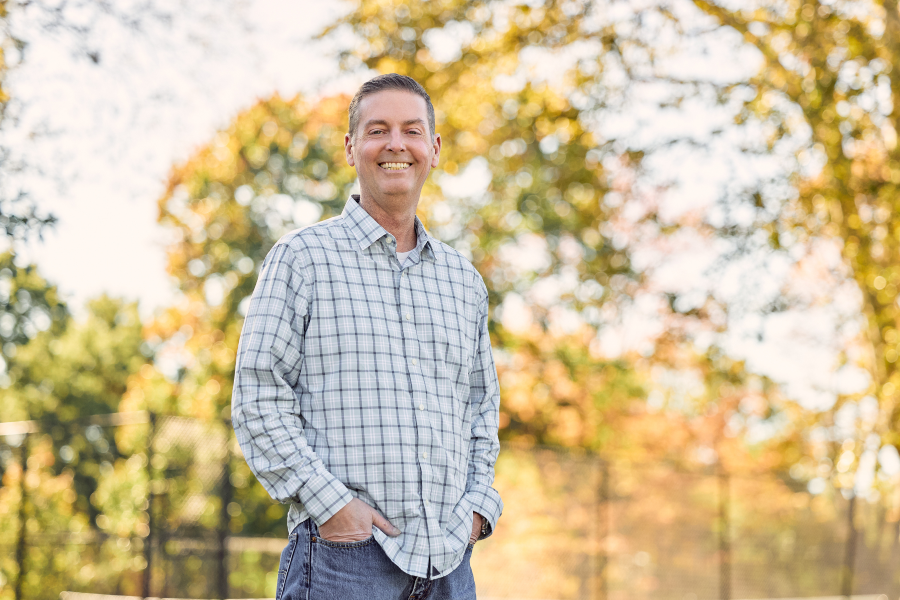
No one knows this more than John Kelly. After two decades living with scleroderma, a disease that gradually scarred his lungs and made breathing a struggle, his doctors told him his only remaining options would be a double lung transplant. He was stunned.
He began the evaluation process at a major hospital, but was told the combination of his esophageal dysfunction, reflux, and autoimmune disease made the surgery too risky. Without a double lung transplant, his time was limited.
“I didn’t even know a double lung transplant was possible,” he recalls. “But the main pulmonologist I was working with did his medical school training at Temple University Hospital. He told me to try Temple—they specialize in my kind of cases with scleroderma and with the esophageal issues I have.”
Within a week, John was meeting with the transplant team at Temple. His previous tests were transferred, new evaluations were completed, and shortly after, the transplant committee delivered the news he had hoped for: Temple could take his case.
“I think about a week later, maybe a little less, I was actually put on the lung transplant list,” John says.
With his name on the list, he was able to move through the system quickly, at a time when every moment mattered.
Advanced Streamlined Care
Temple’s team moved quickly with the kind of precision that only comes from deep, specialized experience. Hours after getting the call that a donor match was available, John was admitted, evaluated, and surrounded by surgeons, anesthesiologists, respiratory therapists, cardiologists, nurses, and transplant coordinators who understood the complexities of scleroderma, esophageal dysfunction, and long-standing lung damage.
“Cases like John’s require not just surgical expertise, but a coordinated effort across the entire transplant team—and that is what sets Temple apart,” notes Dr. Kartik Shenoy, a pulmonologist at the Temple Lung Center in Philadelphia.
His double lung transplant lasted more than eleven hours.
By the next morning, he was breathing on his own.
By day five, he was completely off oxygen for the first time in over a year. And just two and a half weeks after surgery, he was strong enough to go home—an outcome that reflects Temple’s place among the shortest post-transplant hospital stays in the nation for AAMC teaching hospitals.
Behind those outcomes is a commitment to pushing lung transplantation forward. Temple is one of the first hospitals in Pennsylvania to use a form of lung perfusion technology that keeps donor lungs functioning in a near-living state during transport. For patients like John, that means donor lungs can travel longer distances and remain healthy enough to save a life.
Even after patients leave the hospital, advanced care continues.
John returns regularly for follow-up appointments, including pulmonary function testing, imaging, and swallow studies, all guided by Temple specialists who understand the long-term needs of transplant recipients.
“Our commitment to patients doesn’t end when they leave the hospital,” says Dr. Shenoy.
For John, that consistency made all the difference.
“They knew exactly how to handle my scleroderma and my esophageal issues,” he says. “Every step of the way, I felt like I was in the right place.”
A Life Transformed

Before his transplant, John Kelly’s world had narrowed to what his failing lungs allowed. He was on oxygen 24 hours a day, unable to climb the stairs to his bedroom without stopping to catch his breath. Even simple tasks—walking to the mailbox, carrying groceries, standing long enough to cook dinner—required planning, pacing, and recovery.
“Something as simple as walking up the stairs to go to bed? I dreaded it,” he remembers.
Seven months after surgery that life feels distant. John is hiking, golfing, and preparing for the long-overdue honeymoon to Italy that he and his wife postponed years earlier.
“It’s going to be different now because I will be able to go on those long, tourist walks. I can climb the Wright Brothers National Memorial, I can walk the hills, and I can walk all the stairs,” John notes. “Traveling is actually more exciting because I’m not thinking to myself, ‘how am I going to do that?’”
Temple physicians see this kind of transformation often.
“A lung transplant doesn’t just extend a patient’s life—it restores the ability to live fully,” explains Dr. Criner.
For people across the region, the country, and the world who need the highest level of lung care, especially those who have been told there are no options left, Temple offers a chance to reclaim the life they thought they had lost.
This is a paid partnership between Temple Health and Philadelphia Magazine