
The 25 Most Philly Athletes of All Time
Who are the most Philly athletes of all time? / Photo-illustration by Neil Jamieson
On May 20, 1871, the Athletic Base Ball Club of Philadelphia took to the field in front of 2,500 fans for the very first professional sports game ever played in Philadelphia. They lost 1–0; it’s unknown how many fans called WIP after the game to complain.
Ever since that first game, this city has had a love affair with the pitchers, running backs, middleweights, goalies, point guards, and thoroughbreds who have called Philadelphia their home. We have a parasocial relationship with our athletes, one born of years — decades — of frustration that occasionally combusts into parades down Broad Street.
But what does it mean to be not just a Philadelphia athlete, but a Philly athlete? There’s no single definition. There’s an underdog aspect to it for sure. Blue-collar. Gritty — the adjective, not the orange blob (though we love them, too). Most Philly athletes aren’t from here but manage to feel of here, pulled to this city as if by fate. They’re not always the biggest names or the brightest stars — though many are — but they’re the names that first come to mind when you think about all those attributes.
In fact, if you think about it, some of the biggest names in Philly sports history don’t really check those boxes, do they? In the end, we had to settle for the fact that, sometimes, you just get a feeling about someone.
So here it is: The 25 Most Philly Athletes of All Time. We’re revealing five picks a day, starting at #25 and working our way to the top spot — so settle in and return each day as the countdown builds.
And stay tuned next week for a few other tidbits honoring the world of sports: the Philly-est moments in history, the off-the-field personalities who have helped fuel our fandom, and the list of the players we fought (and fought and fought) over who didn’t quite make the cut.
25
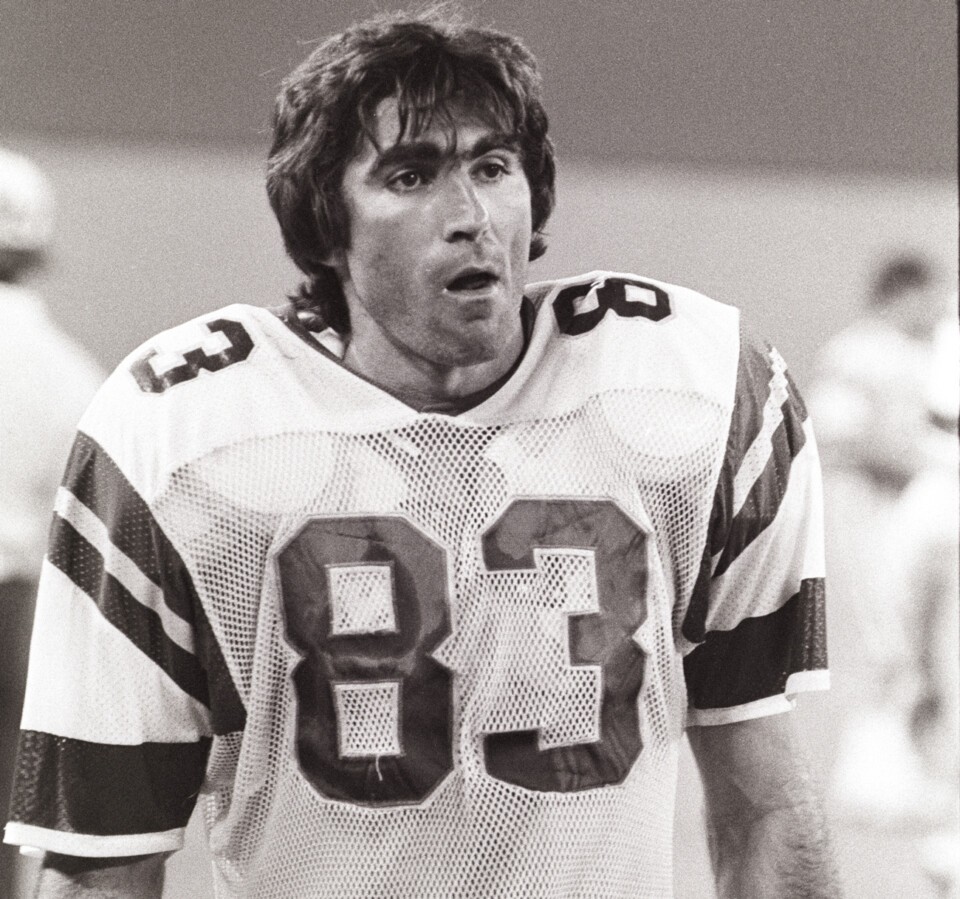
Photograph via Getty Images
Vince Papale
Football
Let’s ignore the pabulum that was Invincible and just focus on the subject. On Vince. Is there anywhere other than Philly in the ‘70s where a teacher with no college football experience could wind up not only playing for the Eagles, but playing 41 games? Where a former high school pole vaulter can step into the league at 30 goddamned years of age and become a captain? The answer, of course, is no. Papale is a cipher through which we can view the whole city. If you understand him, and why he’s so special, you immediately get Philly. If not? Maybe just head back up 95 to New York. — Bradford Pearson
24
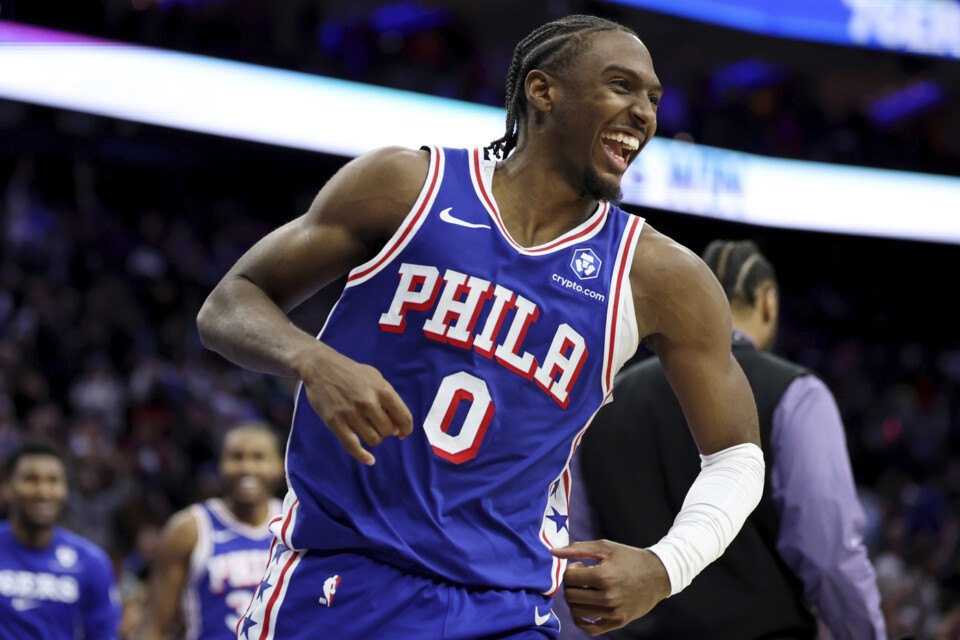
Photograph via Getty Images
Tyrese Maxey
Basketball
Is it premature to slot Maxey here? Maybe. But here’s what we know six years into his career: Maxey’s the truth. He’s exactly what Philly yearns for in a franchise player. Overlooked. (He slipped to 21st in the NBA Draft.) A grinder. (How many players can you think of who have gotten better every season they’ve been a pro?) Tough. (As of press time he was averaging a combined 2.9 steals and blocks per game, and could become the first point guard since Gary Payton in 1996–97 to average more than three. Oh and he’s dropping 30 points a game.) Beloved. (Just look at that smile.) Yeah, he’s still pretty young, and yeah, this could all still go sideways. But we bet that when you reread this in 20 years you’ll wonder why he was so low on the list. — B.P.
23
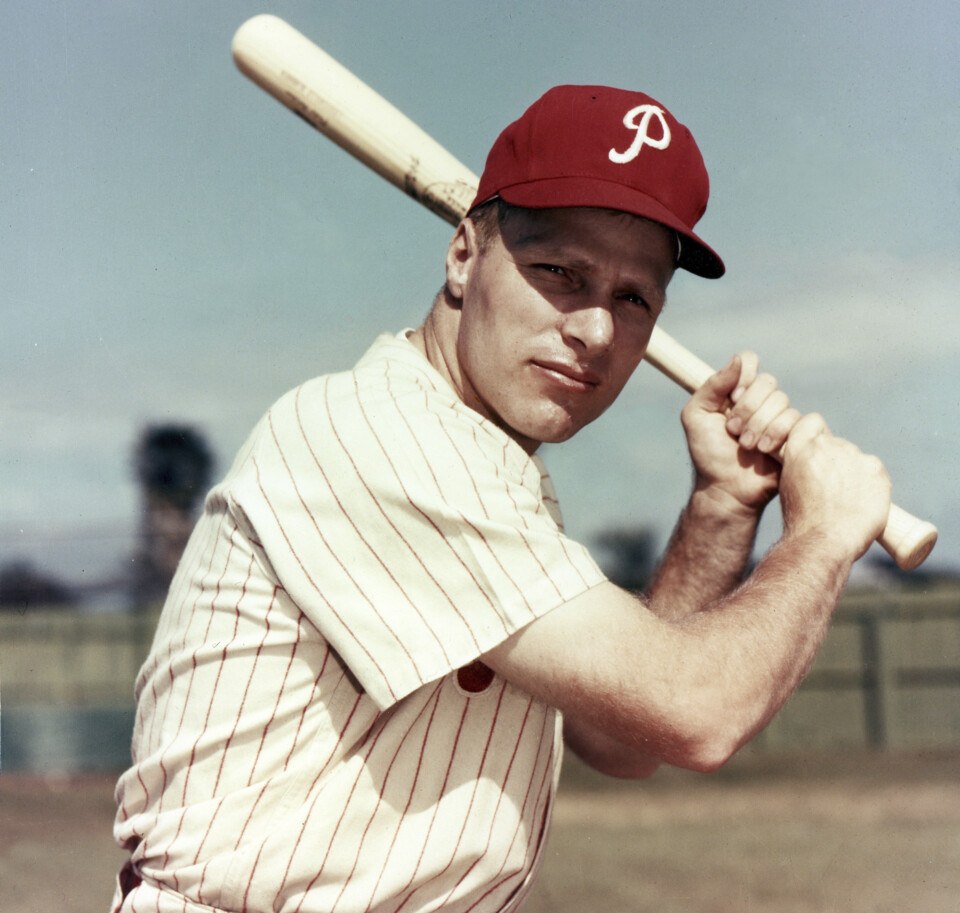
Photograph via Getty Images
Richie Ashburn
Baseball
On July 30, 1995, Ashburn stood at a lectern in Cooperstown, New York, and stared out at the crowd — tens of thousands of people clad in Phillies red, the largest crowd ever to attend a National Baseball Hall of Fame induction. The lightning-fast center fielder and longtime announcer, who’d waited 28 long years for the honor (fans had taken to plastering “Richie Ashburn: Why the hall not?” bumper stickers on their cars), addressed the throng with the self-effacing wit that had endeared him to Philadelphians for nearly five decades: “Well, they didn’t exactly carry me in here in a sedan chair with blazing and blaring trumpets.” Two years later, when Ashburn unexpectedly died of a heart attack, thousands of fans waited hours in the September mugginess to touch his cherry casket and pay their respects; his body lay in state in Fairmount Park’s Memorial Hall, a tribute typically reserved for presidents and senators, but this time paid to the closest version Philly had to that — Richie Ashburn. — B.P.
22
Photograph via Getty Images
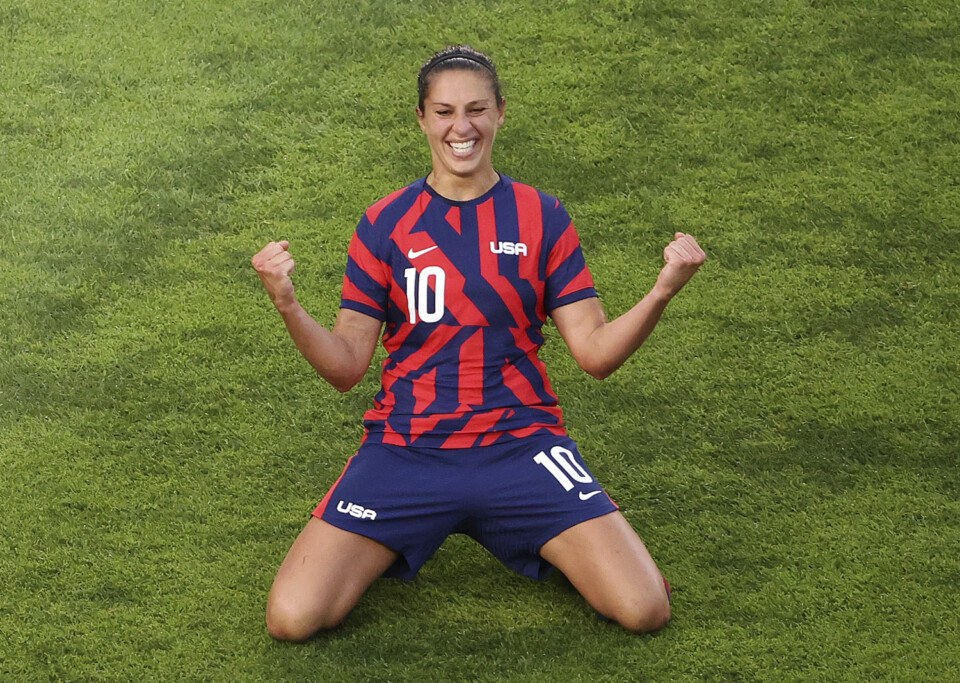
Carli Lloyd
Soccer
“I operated like an emotionless machine,” Lloyd said on May 3, 2025, in a speech during her induction into the National Soccer Hall of Fame. “I was intense, and I truly believed that the only way for me to survive in such a cutthroat environment was to be that way.” And this was during an apology, to her teammates, coaches, and all of us, really, for her attitude during her 17-year soccer career. It’s true, the Delran native was all of those things. She also demanded excellence from herself — after every Women’s National Team game, Lloyd would return to the pitch for sprints and push-ups. And when she blasted a hat trick in just 16 minutes during the 2015 World Cup final? When she hoisted that trophy not once but twice? When she scored the gold medal– winning goals in two (two!) Olympics? We all saw the reward. — B.P.
21
Photograph via Getty Images
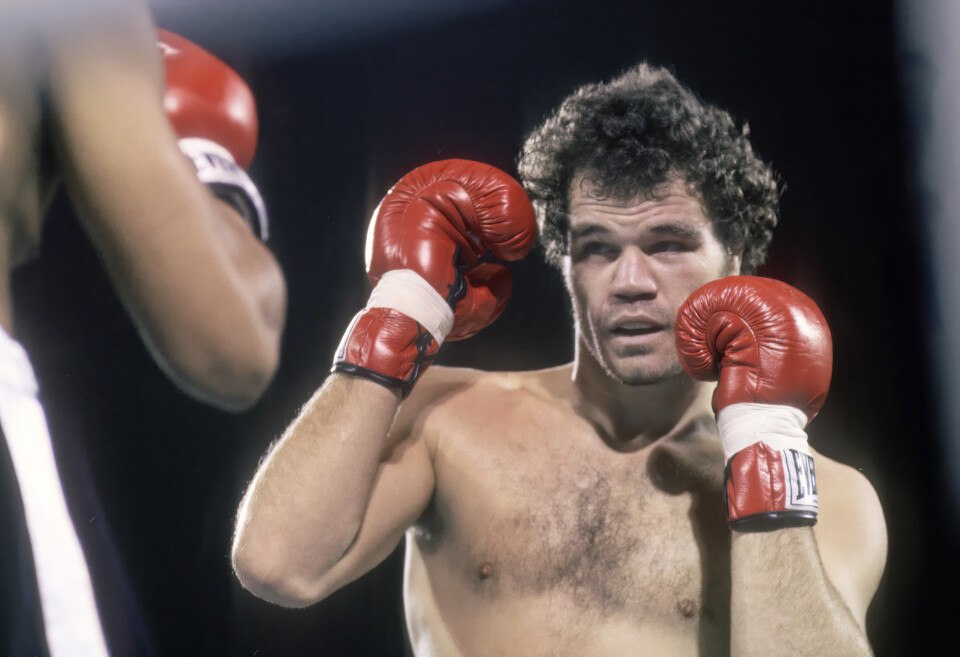
Randall “Tex” Cobb
Boxing
Whether you knew him as the bouncer at Doc Watson’s Pub, the “Warthog From Hell” in Raising Arizona, or the heavyweight contender with the granite chin, Cobb was a Philly legend. A native Texan, Cobb moved here in 1975 after hearing he could get paid for getting hit in the face. Soon he was the only white boy taking daily punishment at Joe Frazier’s North Philly gym.
That was Cobb’s great talent: taking a punch. He’d lead with that scarred mug of his until opponents grew tired of hitting it. Though he beat heavyweights like Earnie Shavers and Leon Spinks, he is best remembered for losing 15 of 15 rounds in a 1981 title loss to Larry Holmes. The beating was so brutal it drove Howard Cosell to quit announcing the sport. “Unless I cure cancer,” Cobb quipped, “retiring Howard will be my gift to mankind.”
His toughness extended beyond the ring to Philly’s most infamous street brawl. In Grays Ferry, Cobb — a karate black belt — defended Daily News columnist Pete Dexter against a mob of some 30 men armed with bats and tire irons. Later, when friends funded his religious studies at Temple University, the fighter and sometime movie actor remained unsentimental and witty: “Listen, sunshine, you’d be looking for God too if you’d spent 50 years getting hit in the mouth.” — Larry Platt
20
Photograph by Chris Lachall
Stevie Williams
Skateboarding
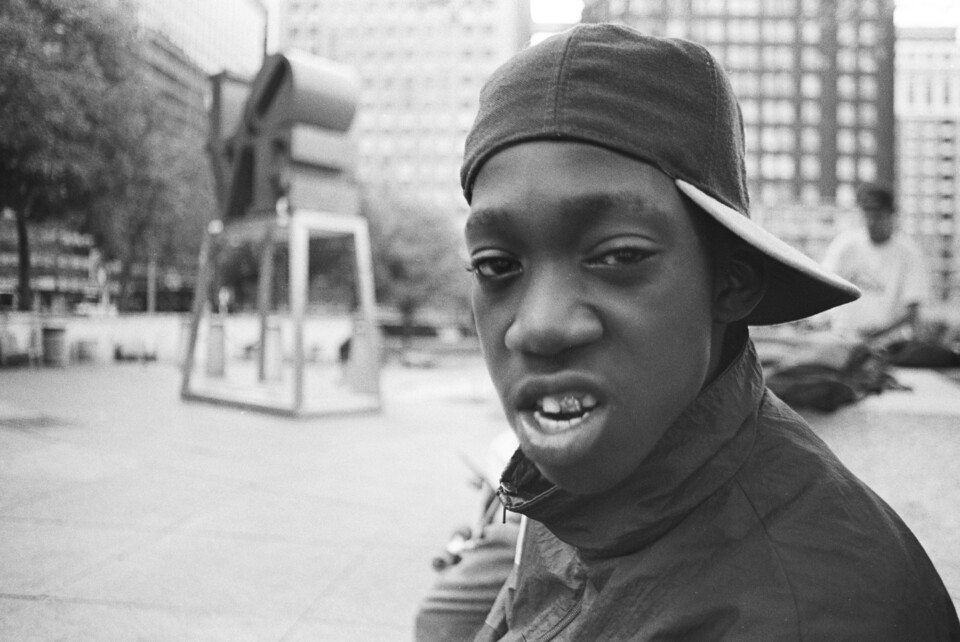
In the late winter of 1994, Transworld skateboard magazine came to shoot its first-ever photo package of LOVE Park, the gray and pink granite palace of street skateboarding in the shadow of City Hall.
A young Black skateboarder caught the photographer’s eye. “Don’t shoot those kids — they’re just dirty ghetto kids,” another skater said. But the photographer was undeterred, and soon images and videos of Li’l Stevie Williams rocketed across the skateboarding world, bringing the just 14-year-old Williams and his scuzzy pack of LOVE Park friends to magazine racks and VHS players around the world.
By 1999, Williams and Josh Kalis had taken over the LOVE Park scene, planting a flag for Philly as the skate capital of the East Coast. It wasn’t all smooth — Williams spent much of his late teenhood homeless, broke, and drinking too much — but all that changed by 2000, with shoe deals and deck deals and his face plastered on billboards from here to San Francisco. When Williams struck out to launch his own skate brand in 2002, there was only one name it could be: DGK. Dirty Ghetto Kids.
A decade ago, after years of confiscating boards and arresting and hounding the skaters who spent their days and nights there — trying, hoping, to follow in Williams’s footsteps and kickflips — the city of Philadelphia finally tore down LOVE Park, ripping out the granite ledges and fountain that traveled the world in tattered skate magazines and on worn-out VHS tapes. During the demolition Williams walked in and sobbed at the sight of it. It was a gut punch. A loss. But also, sort of a win: How many athletes can say they were so good at their sport, so inspiring, that their arena was destroyed because of it? — B.P.
19
Photograph by Doug Pensinger/Getty Images
Jameer Nelson
Basketball
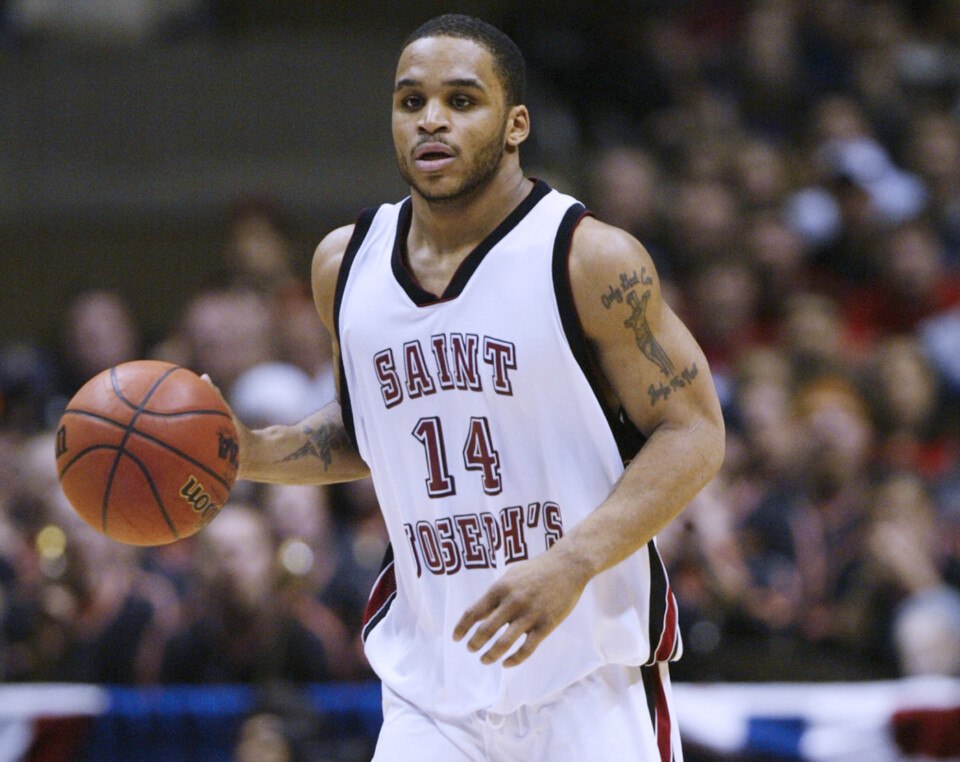
The February 16, 2004, Sports Illustrated cover told the whole story in just 13 words: “Meet Jameer Nelson, the little man from the little school that’s beating everyone.” Of course, there was a lot more story there, like how Nelson honed his game on Chester’s 7th Street Courts; how the little man — he was listed at six feet but that always seemed aspirational — escaped the crime and murder of his hometown for Hawk Hill, where he led St. Joe’s to a 27–0 regular season in his senior year; how he captivated a whole city and a whole country as the little school climbed the rankings all the way to number one. That could be the whole story, and it would be enough. But then the little man goes to the NBA, and not only plays but becomes an All-Star. And then that All-Star, every summer, brings his younger Orlando Magic teammates back to his childhood home in Chester, to show them how a life can start, and how life, if you work really, really damn hard, can become something much bigger than you could ever imagine. — B.P.
18
Photograph by Rob Carr/Getty Images
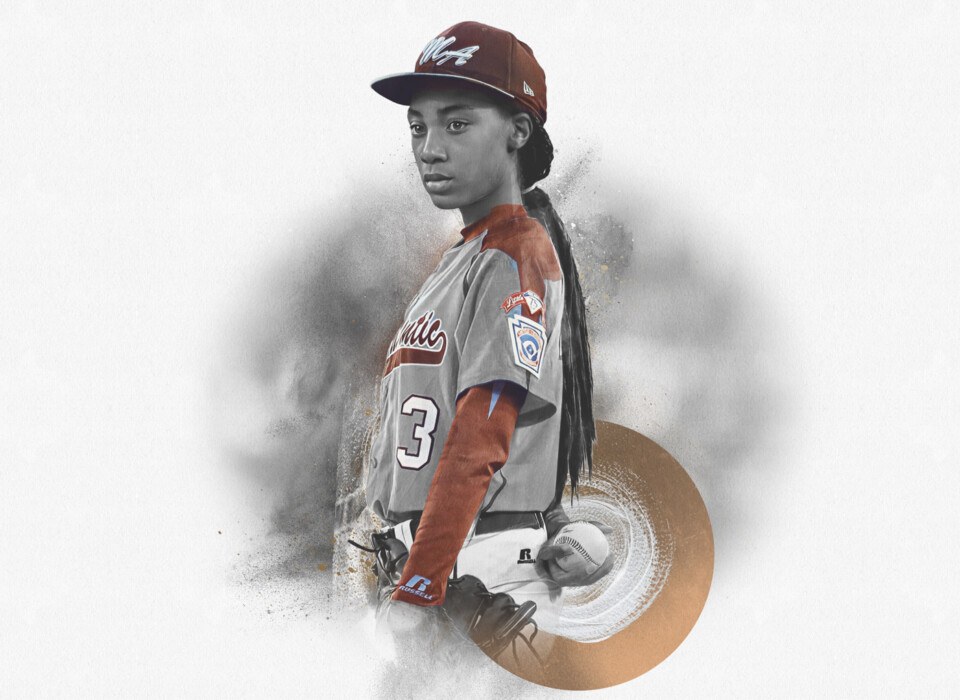
Mo’ne Davis
Baseball
Mo’ne Davis celebrated her 13th birthday six weeks before the 2014 Little League World Series, in which she became the first girl in series history to earn a win as a pitcher. She did it with a shutout.
Back then, it was clear that there was something special about Davis. On the cover of the August 25, 2014, issue of Sports Illustrated (she was also the first Little Leaguer to earn that honor), she’s a skinny kid with a thick, low ponytail of braids, wearing her team’s retro blue and burgundy Mid-Atlantic uniform. Her cheeks puff as she exhales and delivers a fastball.
“Remember her name” the cover says, and readers — and anyone who saw that ball come in at 70 mph — complied. Clearly, this kid was confident. Strong. A standout. Atop the mound of a sport men, largely white men, have dominated for going on 180 years, she, a Black girl from South Philly, represented a change, something bigger than herself. Something revolutionary, you might say.
Davis’s team performed well in Williamsport, exiting after falling to and then throwing their support behind the eventual winners of the whole thing, Jackie Robinson West, representing Washington Heights, Chicago. All the while, kids, baseball fans, Mike Trout, Kevin Durant, and Michelle Obama cheered on Mo’ne — by then a one-name star. She belonged to Philly, for sure, but she also belonged to something bigger: a movement to make the sport more inclusive, the unfulfilled promise of women’s sports, and something else, too.
Davis had her own story, and we gobbled it up. How, at age seven, she caught the eye of coach Steve Bandura. He was dragging the infield at the Marian Anderson Rec Center at 17th and Fitzwater; she was throwing a football in the outfield. Keep reading …
17
Photograph by Herb Scharfman/Sports Imagery/Getty Images
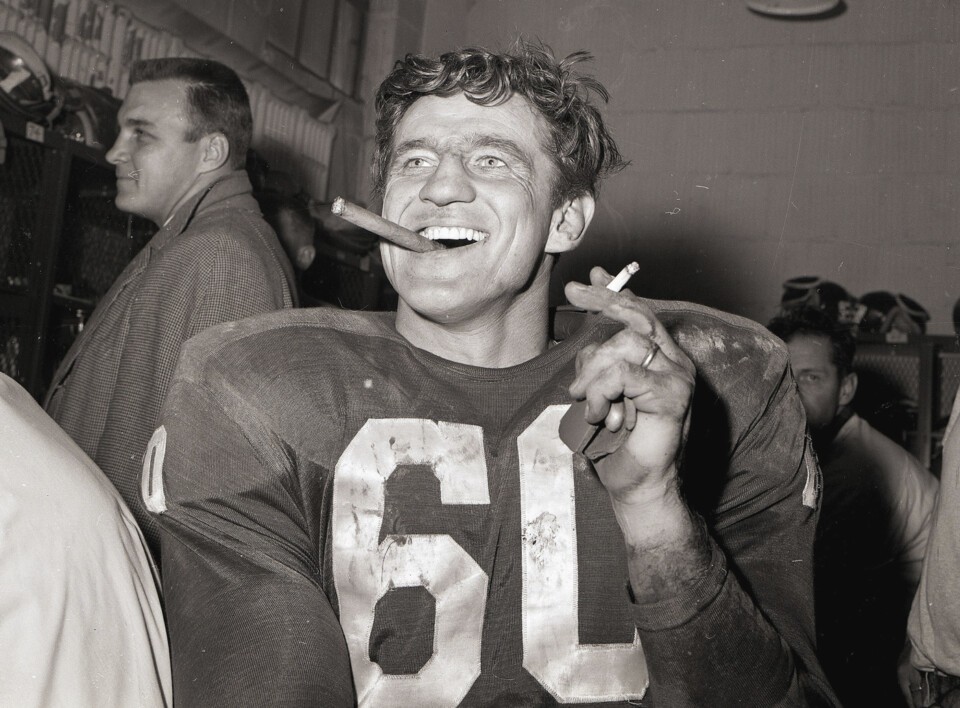
Chuck Bednarik
Football
If workmanlike toughness is a Philly-specific phrase, there might be no athlete more emblematic of the city than Bednarik, the Eagles linebacker and center who spent his falls and winters making ferocious tackles and his offseasons selling concrete. The Bethlehem, Pennsylvania, native earned All-America honors at the University of Pennsylvania, then became an iron man in kelly green, missing just three games from 1949 to 1962. In between, “Concrete Charlie” earned eight Pro Bowl invitations and was named an All-Pro six times, and his No. 60 was retired in 1987. His style was unrelenting — and matched his numerals. Known as “the 60-minute man” for playing every down, the two-way athlete relied on a killer instinct he acquired as a fighter pilot during World War II, dodging shrapnel and gunfire over Germany. Those harrowing near-death experiences helped put the gridiron in perspective, but they also gave him an edge over his opponents. According to Slate, the first-ballot Hall-of-Famer’s vicious hit on the Giants’ Frank Gifford became an iconic photo and “perfect NFL propaganda,” while his tackle of Packers running back Jim Taylor secured the Eagles a 1960 championship. “I don’t think anyone 100 years from now will remember me,” Bednarik told Philly Mag a decade before his death in 2015. Didn’t he know? You should never underestimate Philly’s collective memory. — Jake King-Schreifels
16
Photograph by Craig Durling/WireImage
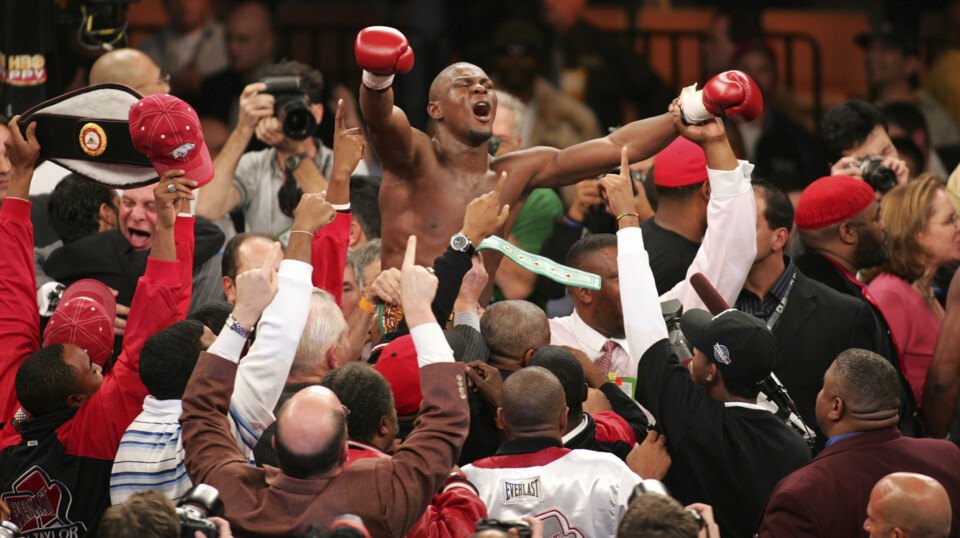
Bernard Hopkins
Boxing
Hopkins was a boxing champion who carried a very Philly trait: a huge chip on his shoulder, a resentful belief that he’d been shortchanged and underestimated. His career was an athletic grudge against the establishment, a war against the world. Hopkins, who grew up in survival mode on Germantown Avenue, did time at Graterford for youthful crimes; when he got out, with his jailers joking he’d be back soon, he dedicated his life to proving his doubters wrong. He won one battle after another, reaping growing purses and vindication. After he shockingly beat Antonio Tarver in 2006, defying every expert naysayer in the media as a 41-year-old three-to-one underdog, he strode to the side of the ring where the press rows were and just glowered at everyone. It was part of his celebration. Hopkins held the world middleweight title for a decade. Tactical in the ring rather than bombastic (some might even say dull), he outboxed greats like Oscar De La Hoya and Roy Jones. By avoiding damaging slugfests, he kept his body unharmed enough to win a 2011 title at the record age of 46 (then breaking his own record by winning titles at 48 and 49, as well), and he kept his mind sound enough to thrive as a promoter and investor. “The Executioner” had fans in the city, but he never really opened himself up to connect with the public as a local celebrity. Resentment is hard to shed; it’s not entirely clear how much he even liked his fans. — Don Steinberg
The list only gets tougher from here — so check back tomorrow for the next five.
Published as “The 25 Most Philly Athletes of All Time” in the March 2026 issue of Philadelphia magazine.