

Econ 101 Tells Us How to Make Philly Better
What can we do to increase demand for Philadelphia?
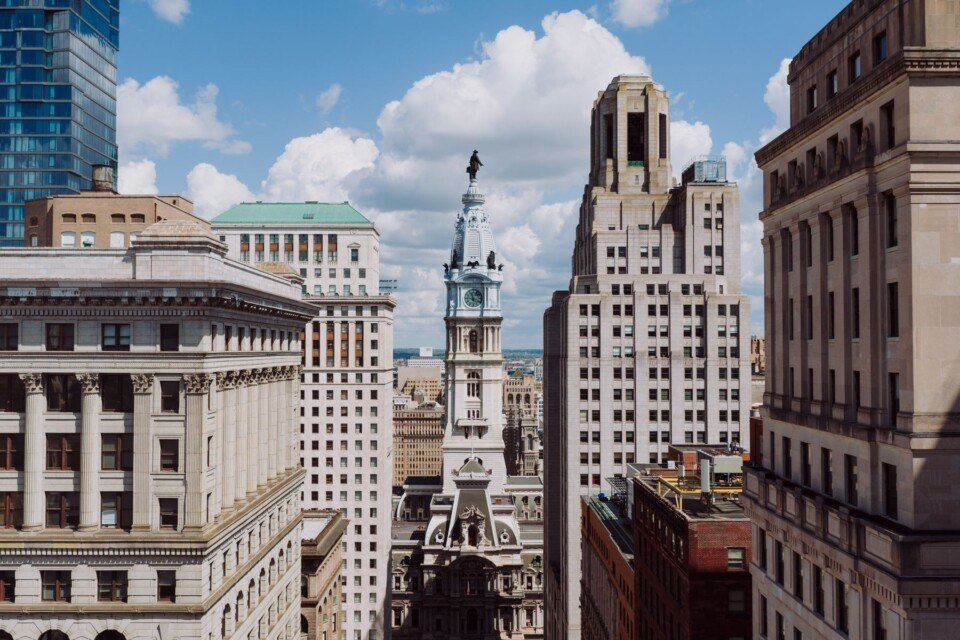
A few weeks ago I was in a meeting discussing possible incentives to spur more development in Philadelphia. Some smart ideas were put forward, but as I sat there I couldn’t help but wonder if we were thinking about the problem all wrong.
We were talking about how to increase supply, when what we really should be thinking about is the opposite: How can we increase demand? Put another way: What can we do to make Philadelphia so attractive that people, companies, and developers want to be here, even without a subsidy?
As we all remember from Econ 101, demand is what really drives growth, whether you’re talking about a product, service, or real estate.
Henry Ford launched the American car industry by building a product — a reasonably priced automobile — that large numbers of people wanted and could afford.
Steve Jobs grew Apple into one of the world’s greatest companies because he created things — from computers to iPods to iPhones — that customers couldn’t get enough of.
America itself became a prosperous nation because people from other countries wanted — and still want — to be here.
I’m not saying incentives don’t matter. Center City Philadelphia’s resurgence in the first couple of decades of this century was definitely helped by supply-side incentives like Keystone Opportunity Zones, enterprise and empowerment zones, and the 10-year tax abatement that went into effect in 2000. That abatement spurred developers to build new buildings and renovate old ones, but it wouldn’t have meant much if Center City wasn’t a place that people already wanted to be.
That’s something we should remember as we try to keep moving Philadelphia forward in this post-COVID era.
So what can we do to increase demand? The good news is, Philadelphia already has a lot of qualities people love. A great location. A strong sense of community. Fantastic restaurants and sports teams that people are passionate about. Residents who are down-to-earth and hard-working.
But we need to build on that solid foundation with other things that increase our desirability. I’ve written frequently about the need to reduce our business taxes, and I continue to push that idea. More competitive tax rates would make Philadelphia more desirable to more businesses — from entrepreneurs to large corporations — which would create jobs that ultimately benefit everyone.
Case in point: West Palm Beach, Florida, is in the middle of a building boom right now because of demand. Businesses like its friendly tax policies, while workers like the lifestyle the city offers. Companies with of thousands of high-paying jobs are relocating there, despite office rents approaching $150 to $200 per square foot. In Philadelphia, by comparison, our office rents are between $20 and $50 per square foot.
But there are other things we need to focus on, too. It’s great that crime has dropped so much in the last few years — hats off to Mayor Parker and police commissioner Kevin Bethel — but we still have a significant problem with street homelessness and mental illness. I’m an advocate for declaring a state of emergency to address these issues. We should demand coordinated, all-level governmental involvement to get individuals off the streets and provide them the services they desperately need.
When it comes to schools, we need to keep pushing to make our education system as great as the rest of our city. Nothing would do more to attract middle-class families — and lift lower-income kids out of poverty — than a first-class education system. A focus on practical, workforce-driven skills, financial literacy, and technology should be at the core of the curriculum.
And simply put, doing business in Philadelphia must be made easier. We can take a page out of the Commonwealth of Pennsylvania’s book. The state has adopted an array of initiatives dedicated to cutting the red tape and getting things done faster and more efficiently — and it’s paid off.
Those are just a few ideas. I’m sure there are dozens more that would help make Philadelphia an even more attractive place to be.
We have the ability to make Philadelphia a city where companies want to stay or even relocate their headquarters. We just have to focus on the cure (demand) and not the band-aid (supply). We have to be like the cell- and gene-therapy companies that target the root genetic causes of a disease, rather than just managing the symptoms.
The important thing to keep in mind, though, is the bigger idea: As long as we make Philadelphia a product that people can’t resist, we’ll be a city that can’t lose.