
What the Hell Happened to World Cafe Live?
Walkouts. Resignations. Arrests. Lawsuits. Inside the spectacular unraveling of a beloved Philly institution.
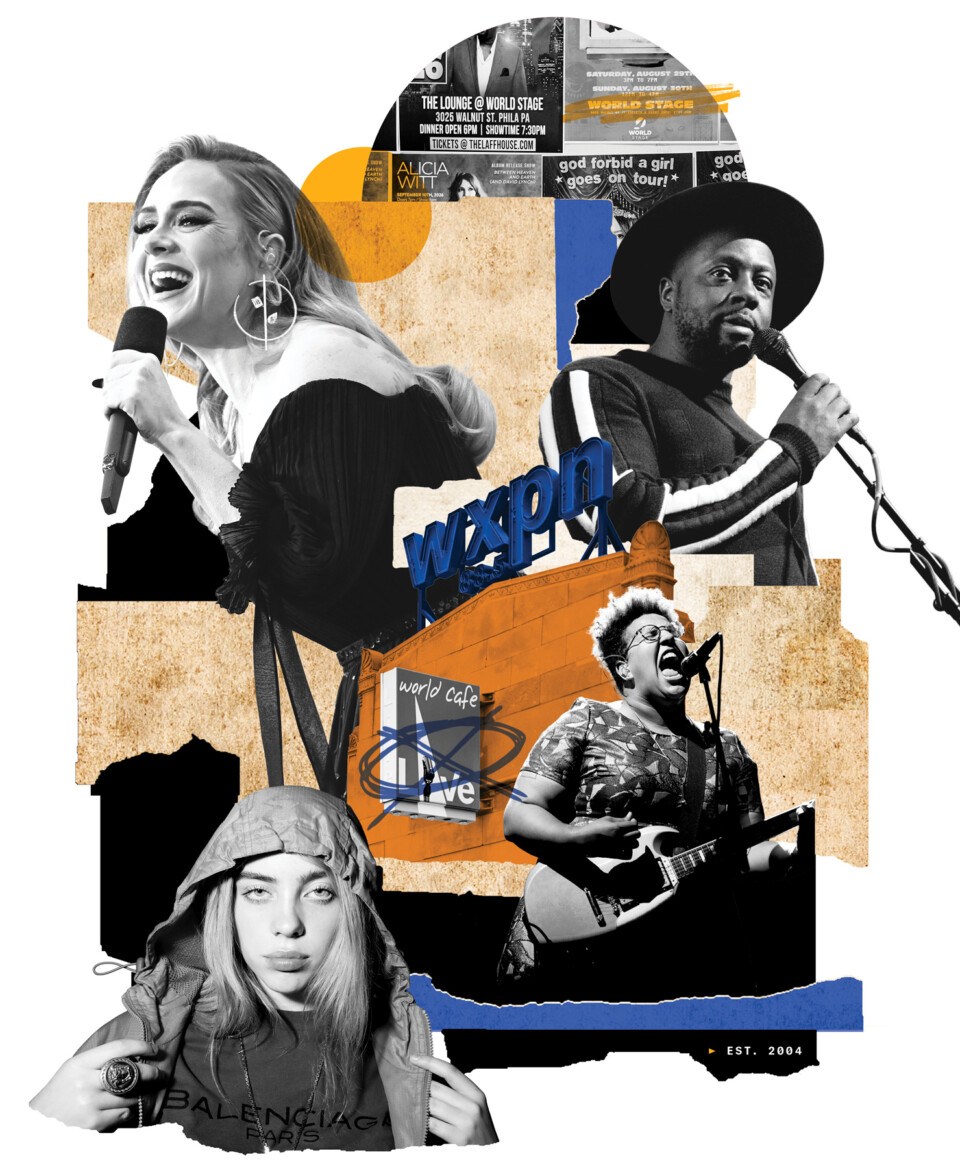
Illustration by Leticia R. Albano; photographs via Getty Images and Gene Smirnov
The middle-aged man sitting at the bar hadn’t been there before. That’s what he told the bartender, Eddie,* as he ordered his drinks — a shot of Jameson and a Guinness. Eddie had been working the bar at the University City music venue World Cafe Live for five months. Now, on April 4, 2026, his employers were in the midst of bankruptcy proceedings and the venue had a new name: World Stage. None of this was on Eddie’s mind as he settled into what he expected would be a slow evening, since the Grateful Dead tribute band playing that night had drawn a thin crowd. He passed the drinks to the man, who was sporting a goatee and a Hawaiian shirt, and served a couple of other early arrivals.
As Eddie debated with the other bartenders about where to go out after their shift, he glanced toward the entrance and saw a few flashlight beams cutting through the dim vestibule. He figured security might be helping an attendee who’d overdone their pre-show ritual. Then he saw the vests. And the guns. Then he saw the words “Liquor Enforcement” on the chest of the officer leading the charge.
Oh great, he thought. There goes my shift.
It wasn’t until Eddie looked down at the form an officer was filling out, as he asked questions about Eddie’s weight and former high school, that he realized the events of the evening were more than just a little annoying. The officer had checked the box labeled “arrest.” It was then that Eddie and the two bartenders working with him learned that the venue did not have a valid liquor license. They had been cuffed for illegally selling booze to the middle-aged liquor control agent with a taste for Irish imports. Eddie would wake up the next morning — Easter Sunday — blanket-less and cold, on a concrete slab in a holding cell at Philadelphia Police Department headquarters.
Eddie had been swept up in the latest of a string of headline-grabbing incidents at World Cafe Live. Over the previous year, the venue had seen labor unrest, financial free fall, lawsuits, trouble with state liquor enforcement, and failed digital dreams. News reports were rapid-fire, but none told the complete tale. Philadelphia’s artists and music lovers were left to wonder, What the hell happened to World Cafe Live?
Those interviewed for this story include nearly two dozen former World Cafe Live employees and stakeholders — musicians, board members, and current and former managers, some of whom requested anonymity — as well as World Cafe Live founder and former CEO Hal Real, who until now has not spoken publicly about what happened, and Joe Callahan, the man charged with saving the flailing institution, who resigned suddenly in late July. These interviews, along with court records and internal documents obtained by Philadelphia magazine, piece together how the cherished music space devolved into crisis. All the while, those who tried to save it appeared to fundamentally misunderstand not only how it worked, but what had made it so vital to Philadelphia in the first place.
It was late 2024, and Hal Real was facing a crisis. Over two decades, he had established a stalwart independent concert venue and built a thriving community around it. Now, as it neared its 20th anniversary, World Cafe Live was floundering. Real was well past retirement age, and his own finances were on the line.
The venue had been Real’s vision since the 1990s. A real estate lawyer who loved music and live shows, he yearned for a space where “grown-ups” could take in live music in “a setting where your feet don’t stick to the floor.” So he decided to build his own.
In a shrewd move, Real offered to make space inside his new venue for WXPN, the University of Pennsylvania’s established public radio station, from which it could broadcast its programming, including the popular World Cafe show. In exchange, the venue could license the program’s name — and tap into the station’s 300,000 listeners. Penn happened to own a former plumbing supply showroom at 30th and Walnut with a signature Art Deco exterior. Under a site lease, Real, WXPN, and the project’s developer, Carl Dranoff, spent more than $15 million renovating the building into a combination restaurant, club, concert hall, and recording space. Real’s “house of music for Philly” opened in 2004.
For a while, things seemed to go okay. World Cafe Live proceeded to make a name for itself as an artist-friendly venue and laid-back community gathering place. Its 650-person and 220-person concert halls hosted rising stars, aging legends, jazz nights, university fundraisers, private parties, and WXPN’s wildly popular Free at Noon concerts. Philly’s civic community admired the free music programming WCL provided to schoolkids. Audiences were loyal, and servers attended to a steady stream of regulars. The success led Real to expand: World Cafe Live at the Queen opened in Wilmington in 2011.
Real liked to call his venue a place “for musicians on their way up and on their way down” (both Billie Eilish and Adele performed there just as they were taking off, while artists like Michelle Branch and Gavin DeGraw booked shows well past their 2000s peaks). But WCL’s mission prioritized Philly-based artists at all points in their careers. “The status of playing the venue was a big deal,” says Tyler Lane of punk group Astro Alloy. “We felt cool. We’d get to kind of brag that we got the World Cafe Live show.”

Singer John Legend onstage at World Cafe Live in 2008 / Photograph by Lisa Lake/Getty Images
Musicians raved about the venue’s acoustics. “We knew that if we invited people to that show, we would sound our best,” says Owen Lyman-Schmidt of Makeshift Hammer, a gutter folk duo. They loved the employees, too, adds Andy Molholt of indie rock group Speedy Ortiz. “The staff was really awesome; they really cared about music, and that’s what made that place so special.”
Employees viewed each other as family, say those I spoke with. Sure, there were issues — some felt the pay could have been higher, or raises more frequent, and there were occasional operational snags typical of a lean crew. But employees liked coming to work, and they believed in the mission. “I’ve never stayed at a job that long,” says former guest services manager Hayley Simmons. “Overall I felt heard by management, and I felt like they actually cared.”
Eventually, cracks began to show. Over the years, WCL had hovered around profitability but never quite achieved it. Debt piled up, much of it dating back to the building’s early-2000s renovations. In 2017, Real closed the Wilmington spot, citing an unsustainable financial model. A few years later, he announced that WCL was going nonprofit in order to survive Philadelphia’s “fiercely competitive concert market.” Real reasoned that the move would unlock fundraising that could help nudge WCL into the black. In December 2019, Real shifted control of the venue to LiveConnections.org, the 501(c)(3) he started in 2008 to host the kids music programming.
By then staff had grown accustomed to periodic scares: Murmurs of financial difficulties trickled down from management. Deferred maintenance became routine. “Every two or three years, everyone [would say] the sky’s falling,” says production coordinator Adam Henaghan. “Then Hal would pull some favors out of his ass and just keep it going.”
COVID made a bad situation worse. Extended lockdowns meant no new shows, and no cash flow, all while expenses like rent and insurance kept accruing. With WCL already millions in debt, by the end of LiveConnections’ fiscal year, in July 2020, the organization was $4 million in the red.
There was some relief. The National Independent Venue Association, co-founded by Real in 2020, lobbied Congress for aid. In 2021, WCL received roughly $3 million in national Shuttered Venue Operators grants. It went toward outstanding pandemic bills, like rent and utilities, and reopening costs. Penn offered another lifeline: After years of deferred rent increases and sporadic payments, the university forgave $300,000 in unpaid rent, according to court records. In April 2022, after the Omicron COVID variant halted operations once again, Real stopped paying the rent altogether. Penn, apparently understanding, made no moves to evict Real. All told, the $4 million shortfall was reduced to $600,000.
WCL’s predicament was not unique. Even before the pandemic, major entertainment operators like AEG and Live Nation had been cornering the market with ever-growing empires. Meanwhile, artist fees increased, ticketing platforms locked venues into unsustainable ticket policies, and alcohol sales — traditionally the piece of the biz with the highest margins — plummeted. As a result, nearly two-thirds of independent music venues did not make a profit in 2024, a recent industry report found. Most of those managed to keep their debt from spiraling, but a fifth “struggled to maintain their business.” WCL was among them.
Yet when WCL celebrated its 20th anniversary in October 2024, it seemed to be through the worst of it. The venue had completed some necessary rehab projects, was still offering competitive artist fees, and continued to host free community programming.
Real’s booking manager, Helen Smith, was killing it with 10 events a week and major acts like Bright Eyes, Haley Heynderickx, and Alex Warren. But margins were thinner than ever. Historically, even sold-out concerts barely broke even. Now, labor costs had increased, food prices had inflated, and alcohol sales had fallen by nearly half.
Something, too, had changed for Real. “That same joy that I’d experienced and loved for 20 years, it was very hard to find,” he recalls. “I was burned out financially, physically, and emotionally. I was not going to be able to do the kind of fundraising that was needed. It was like, ‘I was the guy to start it, and I was the guy for 20 years. I’m really not the guy anymore.’”
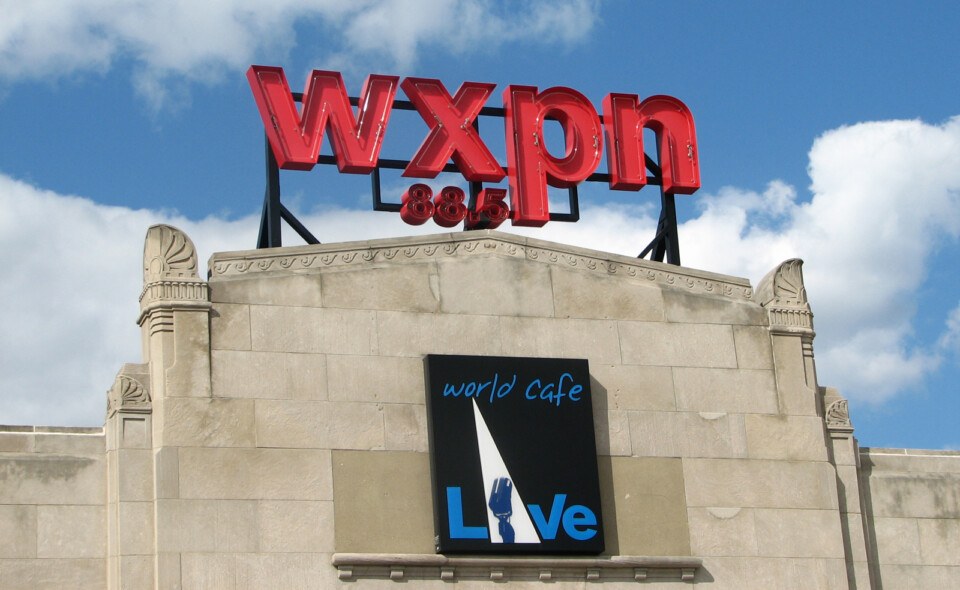
As the end of 2024 approached, Penn asked Real to resume paying rent, court filings show. Donald Trump had won a second term, and Penn, anticipating federal funding cuts, needed to find new sources of revenue. The university told Real he had until March 2025 to find a capital partner who could commit to monthly rent payments.
Records show just how dire Real’s situation had become. Back in 2006, he obtained loans to cover development costs at WCL and secured them with the mortgage on his then-second home in North Carolina, where he was hoping to retire. Nearly 20 years later, those loans still totaled $1.4 million, and interest rates were high. WCL also owed credit card debt, state and municipal tax debt, and outstanding licensing fees to WXPN, all of it totaling hundreds of thousands of dollars. Real himself was due nearly $500,000 in deferred salary. Two years of unpaid rent amounted to another $1.25 million. Together, it came to more than $3.5 million.
As for the earlier favors Real had relied on, “it was clear that he was out of those,” says Henaghan. WCL was competing for donors against century-old Philadelphia institutions desperately seeking the same. Says Real, “Everybody in arts and culture was on their knees begging for money, and we were relatively new as beggars.”
The LiveConnections board of directors served largely as advisers and donors, there to help Hal with some decision-making and bring in more philanthropic dollars, not to keep a tight grip on the organization’s finances. Among the marquee names were David Thornburgh, former CEO of the policy nonprofit Committee of Seventy, and Lauren Hart, longtime Flyers national anthem singer and wife of La Colombe co-founder Todd Carmichael. The rest were musicians, arts educators, and civic leaders. All of them were music lovers. And they all loved Hal. They cherished Hal. They wanted to help him. And Hal needed an out.
The task was to find not only a new CEO, but someone who would take on all of WCL’s debt. Real had already spent years looking for an institutional partner to support the venue, to no avail, so he and the board quietly set their sights on an individual successor. If they couldn’t find one, they’d have to publicly sound the alarm bells, which could negatively affect WCL’s business. Real and the directors looked at a few candidates, but none seemed fully prepared to pull off the gargantuan rescue.
As 2024 came to a close, Lauren Hart was getting worried. She phoned her well-connected friend and “soul sister” Martha McGeary Snider to plead for help. “I don’t know that she herself really knew the extent of the issues,” Snider says now.
Snider is a corporate consultant and former arts policy adviser to Ed Rendell, and was previously married to the late Ed Snider, co-founder and owner of the Philadelphia Flyers. Her board appointments include the likes of the Philadelphia Orchestra and the Art Museum. In short, Snider knows a lot of important people.
Hart laid out her plight: The LiveConnections board was struggling to find someone to take over the flailing organization. Did Snider know anybody crazy enough to accept the challenge? One name immediately came to Snider’s mind: Joseph Callahan.
In late 2024, Joe Callahan was best known in Philadelphia as the guy who brought us the Portal, a 24-hour live video feed then anchored at LOVE Park and connected to cities around the world. Some city officials also knew Callahan as a contractor; he made his name and much of his wealth co-founding an HVAC systems firm and creating enterprise software in the 1990s, which is maintained largely by an engineering team in Ahmedabad, India.
Born and raised in blue-collar Juniata in Northeast Philly — bona fides he highlights in many of his introductions — Callahan has been grinding since childhood. His first job was busing tables at age seven, and at 13 he was coding programs on the Atari he begged his parents to buy him.
“Dad’s still paying it off,” he says during one of our Zoom calls for this story. He’s calling in from Ireland — he loves all things Celtic — and looks the part of a tech entrepreneur: clean-shaven, salt-and-pepper hair neatly cropped, a simple blue blazer over a T-shirt bearing the logo of one of his companies. Callahan’s a serial founder with a massive tangle of commercial ventures, most of which bear the name Ciright, the title he gave his software. They suggest a diverse skill set: Ciright Wireless, Ciright Automotive, Ciright Hospitality Technologies, Ciright Digital Media, and so on. A decades-long obsession with virtual reality led to his 2022 investment in Sansar, a social VR platform, where he now serves as CEO.
Snider says she and Callahan first met around 2010, when Snider was seeking a record deal for a musician friend of hers and was told Callahan had contacts that could help make it happen. She says she was immediately blown away by his intensity, work ethic, and technological know-how. He spoke of automated systems, AI, and, most passionately, virtual reality. “He showed me the future,” Snider recalls.
Snider thought Callahan might be exactly what WCL needed, and the idea immediately appealed to Callahan.
When Callahan and Real had their first sit-down in December 2024, Real made it clear that the job would be a formidable challenge. Callahan spoke about the importance of the venue to Philadelphia and the technology he could use to save it. He offered to start right away: LiveConnections had fallen short on its 401(k) obligations, so he promptly wired $25,000 to the nonprofit’s account.
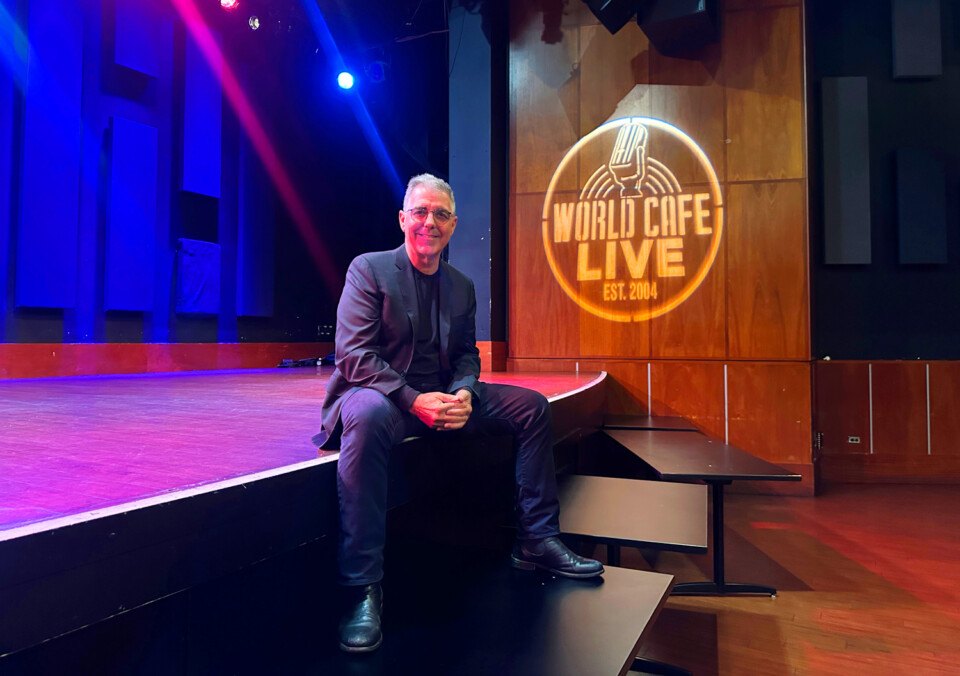
Joe Callahan at World Cafe Live
Callahan assured the LiveConnections board that he had plenty more funding to get WCL through its immediate challenges. He said his nonprofit Bean Foundation, which was chaired by Snider and aimed to support women entrepreneurs, had nearly $2 million in assets. On top of that, he had the plan and the skills to ensure a long-term future for the venue.
“World Cafe Live 3.0,” as he called it, would be a digital force: Callahan would leverage his companies — Sansar and Ciright — to stream both live and simulated versions of the venue’s concerts in the metaverse, a network of immersive digital worlds where people interact with each other using avatars. In a sense, he would bring the “world” to World Cafe Live. Sales of Sansar’s metaverse tickets would generate revenue and propel the local institution into virality.
For even more of a boost, Callahan planned to lean on what he said was an existing relationship with Nigerian Afro-fusion musician Burna Boy, who had recently sold out a concert at Citi Field (the New York Mets’ stadium). Callahan said he had already paid $1 million to secure a commitment from the performer. (In a Bean Foundation presentation to Penn a few months later, Callahan was even more ambitious: He planned to secure between nine and 18 additional “mega stars,” whose $2,500 tickets would generate at least $21 million over a year. Livestreaming and metaverse tickets sold on the blockchain would bring in an additional $150 million to $300 million.) Callahan also told the board that he and Snider would launch a $10 million capital campaign.
The plan sounded pretty good to the 12-member board, who weren’t techies. (Says a former Ciright manager who requested anonymity, “If you don’t know a ton about technology, Joe sounds like the second coming of Steve Jobs.”) The bottom line: WCL was on the brink; the money Callahan promised could bring it back. Any newfangled digital integrations would be an added bonus. Plus, there was Snider.
“Frankly, Martha Snider’s recommendation carried a huge amount of weight,” says a senior board member who requested anonymity for legal reasons. “My view was, the guy’s willing to put his money where his mouth is; he has an idea that kind of makes sense. Okay, go ahead. It wasn’t our place to judge.” Until this point, a private donor and some board directors had frequently infused cash to cover shortfalls. The directors asked Callahan to prove his commitment, and he agreed to wire $125,000 more to take care of various gaps. By March 2025, the board decided to move forward.
What the board seemingly didn’t know was that Callahan had a history of being dismissive of rules, and his big plans often unraveled. In 2014, two Ciright employees filed a complaint against the company with the National Labor Relations Board alleging coercive rules and retaliation. In filings obtained by Philadelphia magazine, the employees claimed that Callahan illegally banned his staff from discussing their salaries, and fired them when they did. The two fired workers received settlements of $10,000 each, though the company didn’t admit fault.
Around the time of Callahan’s talks with the LiveConnections board, his relationship with the Portals organization, the creator of the portal concept and Callahan’s partner in the Philly project, was turning sour. Callahan was planning a bigger, better portal, which the organization saw as infringement on their intellectual property, according to one of Callahan’s partners on the project. (Eventually Portals stopped working with him altogether, although he remains a minority shareholder. “Callahan’s initiatives and ways of representation did not align with the artistic direction of Portals,” says Nicolas Klaus, the Portals CEO.)
Outside of a concert in Dublin organized with the Portals team, Callahan’s only other experience producing a major live music event had fallen apart. In 2023, he helped bring a music event called Zaza Festival to Atlantic City and, naturally, the metaverse. The two-day festival was announced only a month before it was set to occur and canceled with just a few days’ notice. It was never rescheduled.
As for Callahan’s metaverse vision, there was some bright red writing on the virtual wall. Just as Real began speaking with Callahan, Mark Zuckerberg, the metaverse’s biggest cheerleader, made headlines for shifting Meta’s spending away from its virtual reality projects — and laying off 1,500 metaverse-specific employees. Meanwhile, publicly available analytics from Sensor Tower, a research firm that collects data on the digital economy, show that Callahan’s virtual reality business, Sansar, had between just one and five users on its platform at any given time. Callahan says these numbers are way off, but he wouldn’t provide any internal active-use stats. Regardless of Sansar’s actual user figures, Callahan had never before implemented livestreaming at the scale he promised to the LiveConnections board. In effect, World Cafe Live would be Sansar’s proving ground.
Real got the life raft he’d requested, at least on paper. In a contract with Real, Callahan took full legal control of LiveConnections and his Bean Foundation agreed to guarantee its debts, absolving Real of all liability. In addition to a long-term $1 million commitment from the Callahan Family Fund, the plan laid out eyebrow-raising deadlines: Within 60 days, the credit card bill would be repaid and the Bean Foundation would pay off or refinance half of Real’s $1.4 million loan (the one secured by his North Carolina home). Callahan would ensure WCL settled its tax debt 120 days after that. Callahan and Real put it in ink on March 25, 2025, on letterhead bearing the name of every World Cafe Live director. Real moved to North Carolina.
For a while, the only thing many staff knew about Callahan was what they found online, even as he frequently showed up to the venue alongside a group of new faces. These new managers, who were mostly Callahan’s friends and former collaborators, rarely had much to say to the workers who were keeping the venue running. Staff began to refer to this mysterious group as Callahan’s “posse.” When Callahan officially introduced himself and his management team to the workers in early June, recount those I interviewed, they were taken aback by his grave descriptions of the venue’s financial state, his metaverse strategy, and his plans to automate every aspect of the business.
The once-wholesome atmosphere, insiders say, soon gave way to a toxic culture. Callahan and his new managers routinely grilled staff on their roles, which workers say created pressure to justify their salaries — or lose their jobs. Instability bred fear and frustration among staff: Managers with years of entertainment experience say they were expected to fall in line behind Callahan’s vision, though they could never get a straight answer about how he wanted to implement it. Questions, especially those about Callahan’s other companies or how his metaverse vision would fit within WCL’s mission, were often answered with aggressive stare-downs. (Callahan disputes this description.)
During this time, Callahan also butted heads with Kerri Park, Real’s longtime chief operating officer. Park was a strict, steadfast leader whose devotion to the venue and its workers was without doubt. (Indeed, some nights, when staff couldn’t locate her, they’d check the kitchen and find her working the line.) Within a few weeks of working with Callahan, Park announced her resignation. The staff was devastated, and recall that their normally confident and composed leader seemed visibly frustrated and emotional. “To see her shaken, I think, was terrifying for everyone,” says Simmons, the former guest services manager. (Park declined to comment for this story.)
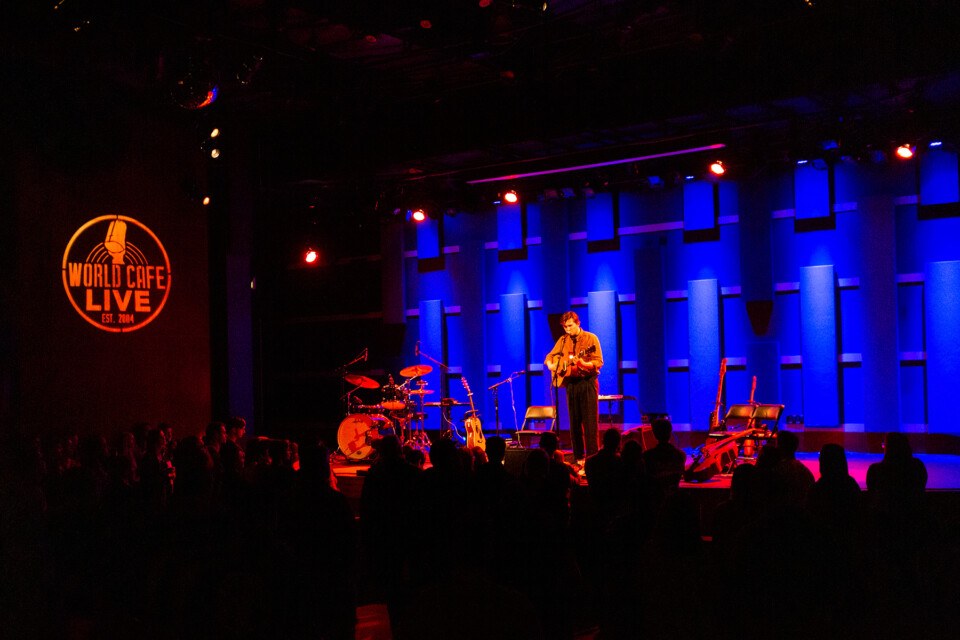
World Cafe Live / Photograph by E. Frizzelle for Visit Philadelphia
Staff couldn’t get answers from the board. During the first few weeks, all of the members resigned. “We had gotten the organization through a really tough time,” says the former senior board member. “It had been a long haul, and we were tired. It made sense for us to move on, and it was time for the new owner to build his own board.”
As part of the agreement, Callahan had renegotiated the organization’s governance structure. Instead of Callahan reporting to a board, as Real had, he’d be able to hire and fire his own. This meant that when things went south, WCL’s workers had nowhere to turn.
“I’m still so angry about it,” says a former manager hired under Real. “Originally, when things started getting really bad, I was like, ‘Well, a CEO always reports to somebody, so let’s get the board to get rid of this guy.’ Thinking back on it, I was pretty naive. You let this [guy] in to destroy everything, everything. What the fuck were you guys doing letting him have unbridled power?”
After two months under their new CEO, employees were suffering panic attacks and breaking down at work. “It was so miserable going into that job every single day,” says a program staffer. “It was horrible there.”
Few outside of WCL knew about the tumult until June 11th of last year, a day after Park’s official departure. That morning, several managers resigned and left, including booking manager Helen Smith. Later in the day, as Callahan hosted a job fair at the venue, a kitchen worker smashed his finger between two metal dumpsters. Employees say their requests for Callahan and his team to file an incident report and call an ambulance (a routine response to a workplace injury) were met with resistance. The staff had reached their limit. They drew up a list of demands, and at eight that evening, during a Suzanne Vega concert, a dozen of them walked off the job. They proceeded to host a small rally just outside the front doors, which made headlines.
Almost everyone who walked out was fired, along with a few who didn’t. An incensed Callahan told the press he’d sue the protesting employees, invoking a statute typically used to protect interstate commerce from public corruption. In further statements, Callahan said the strike was part of a “sabotage” campaign by former leaders and accused them of mishandling funds and fostering a “culture of complacency.” (Today, he maintains that his threats of legal action were valid — asserting that “it’s jobs abandonment, and it caused massive financial harm.”) Callahan’s hires say they counseled him to exercise restraint, but “Joe was going to do what Joe wants to do,” says one of them.
None of it looked good. In solidarity with staff, scheduled artists like soul singer Rae.Dianz and jazz pianist Orrin Evans backed out. The Taxpayers tried to leverage their show to get answers for the fired staff, and canceled when their requests went unaddressed. Ticket-refund requests poured in. Fired and existing staff unionized: Unite Here took on front-of-house workers, and the Philly chapter of the International Alliance of Theatrical Stage Employees represented the production staff.
As the drama unfolded, Philadelphians excoriated Callahan and WCL on social media. Callahan soon invited the public to a town hall to air concerns and share open dialogue with leaders. Attendees registering for the event had to sign a 3,000-word terms and conditions agreement, which requested that they “come prepared with factual support for your statements, especially if critiquing the organization’s practices.”
The venue had promised to livestream the event, but the technology hardly worked. In comments on social media, viewers said they had to first create accounts on Callahan’s Sansar system, but many weren’t able to log into the stream. Those who broke through landed in a simulated WCL surrounded by dancing avatars, including one wearing an Eagles jersey bearing the name Callahan, according to a commenter who provided video proof. Those unable to gain entry posted their own screenshots of a black screen with the barely visible words “Portal currently offline.” (Callahan now says he believed WXPN would handle the livestream.)
In-person attendees saw a steady stream of bigwigs parade across the stage. WXPN general manager Roger LaMay delivered tactful remarks reminding the warring factions of their shared love for WCL. Martha Snider showed up, maintaining her support of Callahan. Gar Giles, Callahan’s appointed president, announced that the venue had initiated collective bargaining with the unions, to some applause. Local artists and frequent performers voiced frustration, expressing solidarity with staff and fears about the venue’s direction.
When Callahan took the mic, though, he provided little substantive information about the venue’s future. He expressed confidence that his team would succeed, “because strength is inside the people, and human capital is what makes a difference.” At the phrase “human capital,” the crowd erupted in jeers. The town hall was over.
The rest of July was just as dysfunctional. Over the course of the month, WCL hosted just 16 events, a third of the volume it did in May. Meanwhile, Penn moved to evict WCL from the building, saying later in legal filings that it had realized Callahan “would not keep his promise” to cure the rent default. Then in August, Unite Here filed an unfair labor practices complaint against WCL with the National Labor Relations Board, alleging unlawful firings. Representatives for Unite Here and IATSE say that after the town hall, Callahan refused to come to the bargaining table.
As summer wound to a close, staff scrambled to keep the doors open. So many operations staff had left, says production coordinator Adam Henaghan, that completing basic administrative tasks became Herculean, and new hires had constant questions. “Heads are exploding every other day,” he remembers. “‘How do we ring orders?’ ‘How do we pay out servers and bartenders?’ ‘We didn’t get the login for paying any of our bills.’ ‘The internet’s out. Who do we call?’”
Interns from Drexel often had to fill the gaps, including helping out with payroll. (Callahan hired the same Indian company that supports Ciright to run payroll and provide software services.) Paychecks routinely arrived late, say staff. On top of that, some salaried members of the production team say they were abruptly shifted to part-time status, despite labor laws that prohibit these types of changes during open bargaining. (IATSE filed NLRB complaints about this and Callahan’s refusal to negotiate in November.)
Callahan never stopped spreading the gospel of the metaverse (even to schoolchildren attending educational sessions, says an employee who worked on the programs). Within weeks of Callahan’s arrival, Sansar began offering concerts in the metaverse, thanks to an “unlimited license” it gifted the venue. It is unclear whether they attracted any attendees or generated any revenue.
At the same time, Callahan set about moving the entirety of WCL’s existing digital infrastructure, including its calendar and reservation programs, to custom-built platforms using Ciright, his enterprise software. In August and September, internal records show that LiveConnections paid Ciright $174,000. Callahan says usage was free, and that the sum covered implementation costs and repaid loans Ciright had given to the venue. In interviews, employees tasked with using the Ciright platforms say the software was buggy and the promised automation barely worked.
LiveConnections also spent at least $35,000 on marketing, according to payment records, and throughout the fall announced a cascade of what promised to be exciting new initiatives. The fabled Burna Boy metaverse show was on, planned for March 2026. (It never happened.) That announcement was followed by the unveiling of a global benefit concert hosted concurrently at WCL and in the metaverse. Proceeds were to go to a new food access program, not the venue’s coffers: WCL said it had partnered with Meridian Bank to offer food-only prepaid debit cards to families waiting for SNAP benefits during the government shutdown. (Another Callahan venture involves tap-to-pay credit card technology.) That failed to materialize as well. Says one former manager about this period at WCL: “It was one harebrained scheme after another harebrained scheme.”
In between the big announcements, Callahan handed the CEO position to J. Sean Diaz, a longtime DJ and entertainment lawyer. By October, Callahan had stopped showing up on site entirely.
This past February, the city’s Department of Revenue issued a cease-operations notice revoking the venue’s commercial activity license over “serious tax violations.” If the debt wasn’t paid, the city would shut down the venue on March 11th. Instead, venue leadership filed for bankruptcy, a move that automatically paused collection efforts — including for city taxes — and allowed the doors to stay open while the case proceeded. The filing also marked the end of the World Cafe Live name. After months of ignoring cease-and-desist letters from Penn over unpaid licensing fees, Callahan and Diaz finally gave it up. Overnight, World Cafe Live became World Stage.
Among the losses was the temporary catering license WCL had been using to serve alcohol (it had allowed its state liquor license to lapse in October). For a short time, World Stage was BYOB. Then Eddie showed up for that Easter-eve shift and, he says, was directed to resume selling alcohol, without receiving further explanation. In the end, only a manager was charged with a liquor license–related crime. Eddie has since found a new job.
Until agreeing to be interviewed for this story, Real kept out of the public eye and remained silent about the drama at WCL. He did reappear in December 2025 to sue the Bean Foundation for breach of contract, claiming that the foundation’s failure to pay the tax bills, credit card debt, and $1.4 million loan has caused him and his wife, whose home is still in jeopardy, more than $75,000 in damages.
As for the outstanding rent, Callahan countered Penn’s eviction proceedings by filing his own complaint claiming that the venue didn’t owe Penn any rent — it had already paid in the form of the “goodwill” it generated for the university and WXPN over the years. Penn shot back, claiming that Callahan was going to “great lengths” to delay rent payments. The case is on pause while World Stage makes its way through bankruptcy court. In mid-July, the general counsel’s office at the NLRB’s Philly division requested that Unite Here’s and IATSE’s cases be transferred to the national board in D.C., recommending that it “find the allegations of each of the complaints to be true” and conclude that WCL management had violated the National Labor Relations Act.
In July, just as this story was going to press, Callahan resigned from World Stage and Diaz became the steward and board chairman of LiveConnections. Callahan’s departure ends his formal role at the venue he once promised to transform into a global metaverse music destination. “The work ahead requires someone who understands both nonprofit leadership and the realities of the music and entertainment industries,” he said in the announcement of the transition.
Today, the venue now known as World Stage, though alive and operating, is a shadow of its former self. On July 10th influential emo group American Football played to a packed house, but the remaining July schedule was sparse: DJ sets, smaller-name artists, a live recording of a horror fiction podcast, and what appeared to be a private birthday party. Meanwhile, WXPN’s Free at Noon series is hanging on like an after-image.
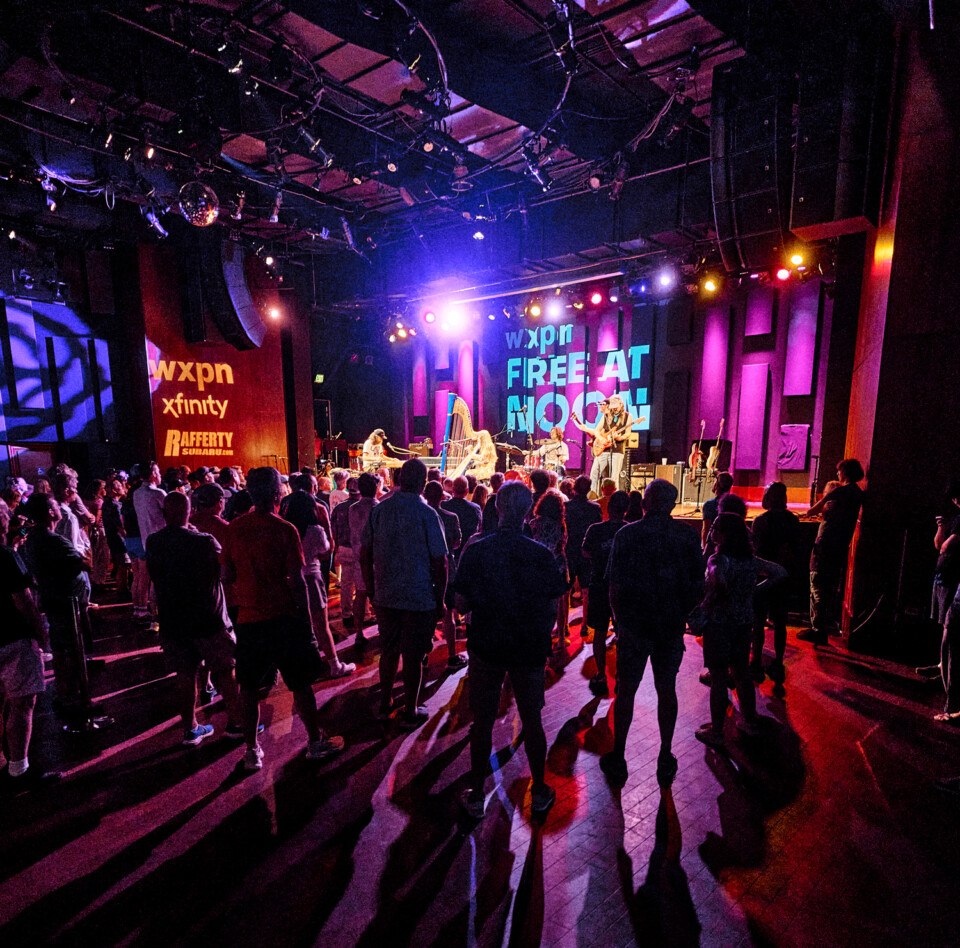
“Free at Noon” in July / Photograph by Gene Smirnov
By some definitions, Callahan was a savior. He stepped in when no one else could or would. Snider, for one, hasn’t wavered in her support. In her mind, those who criticize Callahan’s leadership are ignoring his courage in taking on a business at the brink of closure and forgetting his financial contributions. She sometimes wonders if WCL should have closed back in 2025: “Then nobody would be complaining about the person who stepped up to save it.”
Some people Callahan once counted as friends don’t see it that way. “It was never about community, about creativity, about World Cafe Live,” says an ex-member of Callahan’s senior leadership. “It was about him, his company, and his technology.” And for all of Callahan’s avowed love for Philadelphia and its community, staffers say he once told them “Philadelphia is nowhere in our mission statement.”
Even with the most charitable interpretation, it’s undeniable that Callahan’s vision and attitude were out of step with the mission and culture of World Cafe Live. He didn’t listen to industry veterans who told him his plan was unrealistic, and a monomaniacal focus on his vision meant everything else fell apart. Employees who once called their co-workers family were distrusted, forced out, and slammed in the media. In a testament to WCL’s long-standing reputation among artists, musicians rushed to the workers’ — and the venue’s — defense. They, too, were ignored.
At every turn, Philly told Callahan what World Cafe Live was: a passion-driven place of creative expression where the lines between performer and audience, staff and customer, concert hall and neighborhood institution managed to blur into something bigger: an important stitch in the city’s social fabric — a place that generated both memories and community.
Many in that community are optimistic that World Stage will fail, opening new possibilities for the space. Penn, well positioned as the owner of both the building and the World Cafe name, has already signaled its intent to court a new operator. Fired staff could be rehired; Unite Here has already petitioned the university to do just that. A new venue leader could take over, one who understands its original mission.
But, says Real, “it’s hard to imagine anybody will do the additional programs — working with students, nurturing and teaching artists, community events. That’s what breaks my heart. I think it can still be a great venue, but it was so much more than that.”
That World Cafe Live — the one sustained for two decades by generosity, trust, and the stubborn belief that music could create community — is probably gone for good. It’s possible no one could have saved it. The real tragedy isn’t its demise — beloved businesses shutter all the time. It’s that it didn’t get a better goodbye.
*Name changed for this story
Published as “The Day the Music Died” in the September 2026 issue of Philadelphia magazine.