A First Look at Banshee, Philly’s New Culinary Disrupter
A Japanese and Scandinavian-ish bar serving up Spanish-French food? The team behind Cheu Noodle Bar is back with a restaurant that's completely indefinable. Here's why it works.
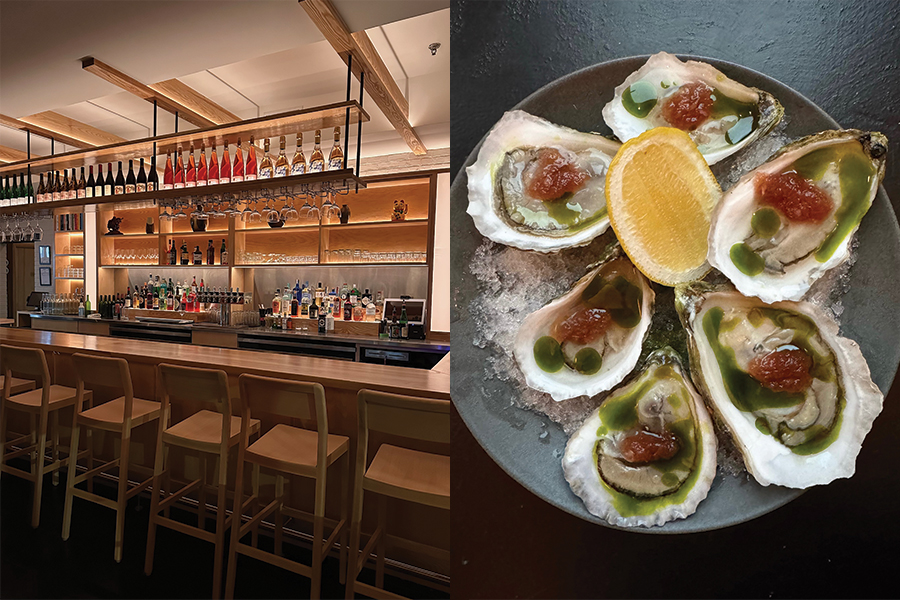
From left: Banshee’s bar and a plate of Barnstable oysters with dill mignonette / Photography courtesy of Banshee
For a little while now, we’ve been watching the progress of Banshee at 16th and South without knowing much about what was going to be happening there.
We had an address (1600 South, in the former home of Tio Flores). We had a vague understanding of a concept (kinda Scandinavian-ish in design, modern, spare, with a snack-y menu and an opening date that was supposed to come over the summer, then got delayed). Most interestingly, we knew it was a project from Ben Puchowitz and Shawn Darragh (the guys from Cheu, Bing Bing Dim Sum, and Nunu — more on all of those below). More, it was the first project from Puchowitz and Darragh since all three of their original concepts closed down over the past few years, and that it wouldn’t feature ramen, dumplings, noodles, cartoon characters, heavy Japanese influences or any of the left-field, Jewish/American comfort food anti-fusion that made them famous in their first act on this particular stage. Other than that, we didn’t really know anything.
Until now that is.
Late last week, we talked with the team behind Banshee and got all the inside dirt on the project and the process. The biggest news we learned? Banshee is opening to the public this Thursday, December 11th. And reservations will go live tomorrow, December 9th. But there’s so much more here that’s worth talking about.
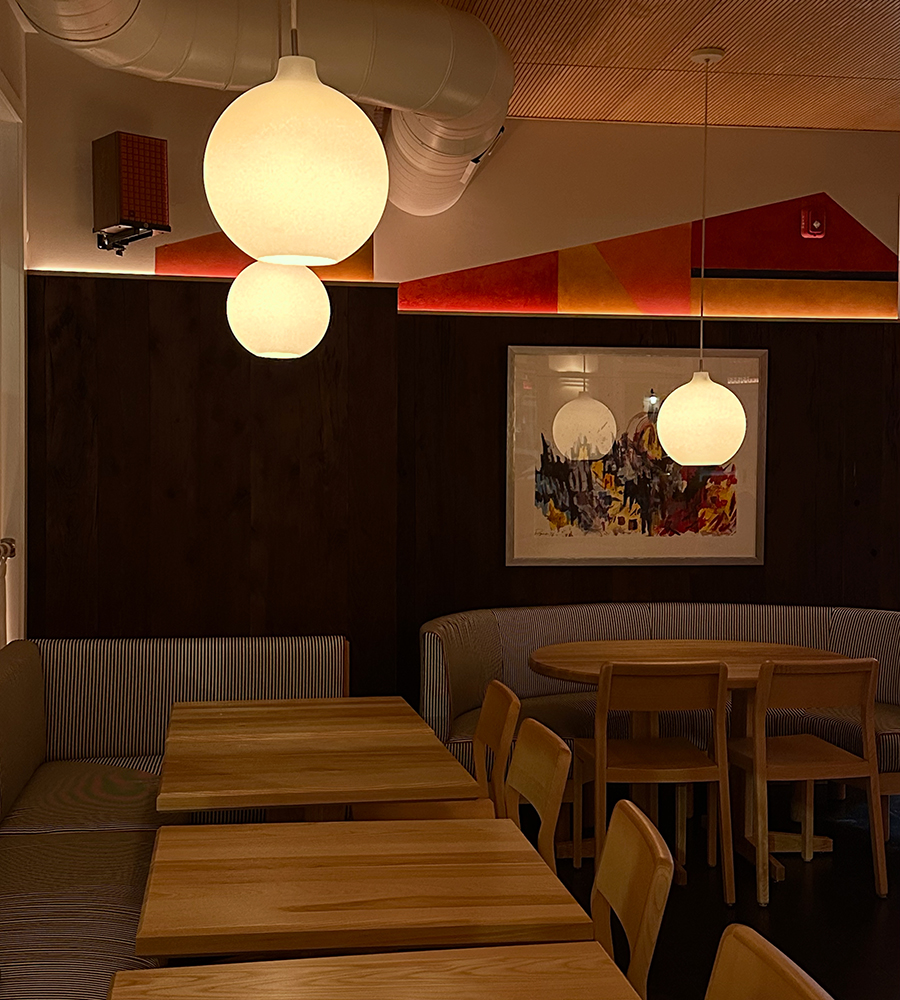
Inside Banshee
After months of research, build-out, and construction delays, Banshee found its final form with a kind of “mid-century slick” design aesthetic. Japanese and Scandinavian, according to the team, with clean lines and a warm sense of comfort — “an inviting space that draws people in with softness, texture, and light,” according to Stokes Architecture + Design, who did the work. “Rooted in simplicity, warmth, and Scandinavian inspired design, Banshee is a spatial composition designed to comfort, delight, and quietly surprise.” All of which sounds fine in a design statement, but in the physical space, that means natural woods and up-lit curtains, collage tiles, table lamps, pendant lights, and a mushroom wood accent wall. The bar is set up as the centerpiece of the room, custom-lit to make the whole thing glow. The kitchen is semi-open (read: mostly hidden behind a mirrored column), and the dining room will be calm, warm and relaxing. Grown up, in other words, without any graffiti or anthropomorphic dumplings.
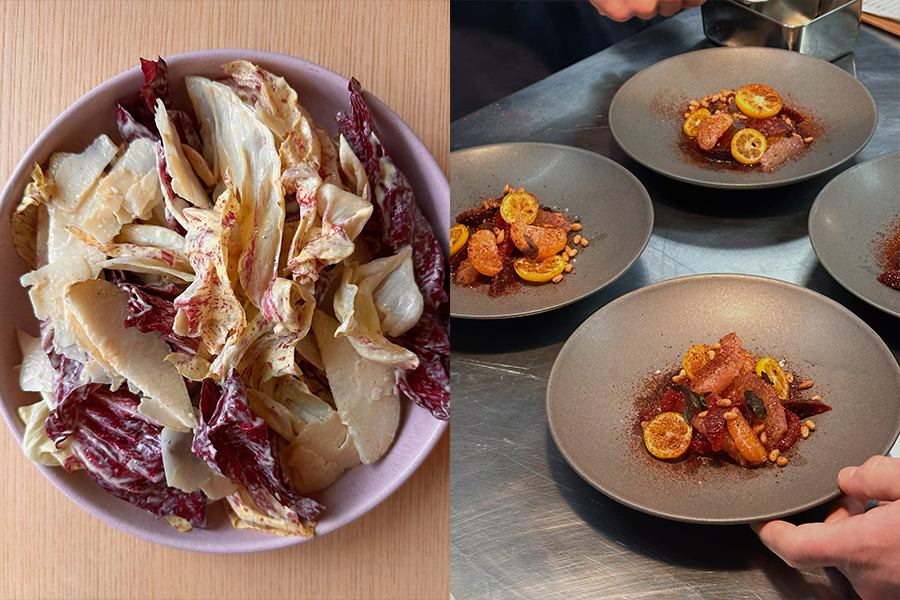
The chicory salad and winter citruses
Which makes sense, because Puchowitz and Darragh are grown up now, too. They’ve both been pretty much out of the restaurant game since closing Cheu, Bing Bing, and Nunu a few years back. They’ve moved on, found different ways to occupy their time. But with Banshee (which they originally considered opening in the former Bing Bing space on East Passyunk), they partnered with brothers Kyle and Bryan Donovan — both former employees — which allows them to get back to being part of the scene without having to worry about the day-to-day operations of running a restaurant. Kyle started at the original Cheu on 10th Street forever ago and ran the floor at Bing Bing until it closed. He’ll be GM at Banshee. Bryan was the opening sous chef at Cheu in Fishtown, wandered off to cook in L.A. and New York, then came back to Philly. He’ll be running the kitchen.
And, to me, that is where Banshee gets really interesting. It’s why, at this particular moment in Philly’s restaurant history, Banshee has been such a fascinating project. Because this menu? It is not at all what I was expecting when I first heard Puchowitz and Darragh’s names getting thrown around.
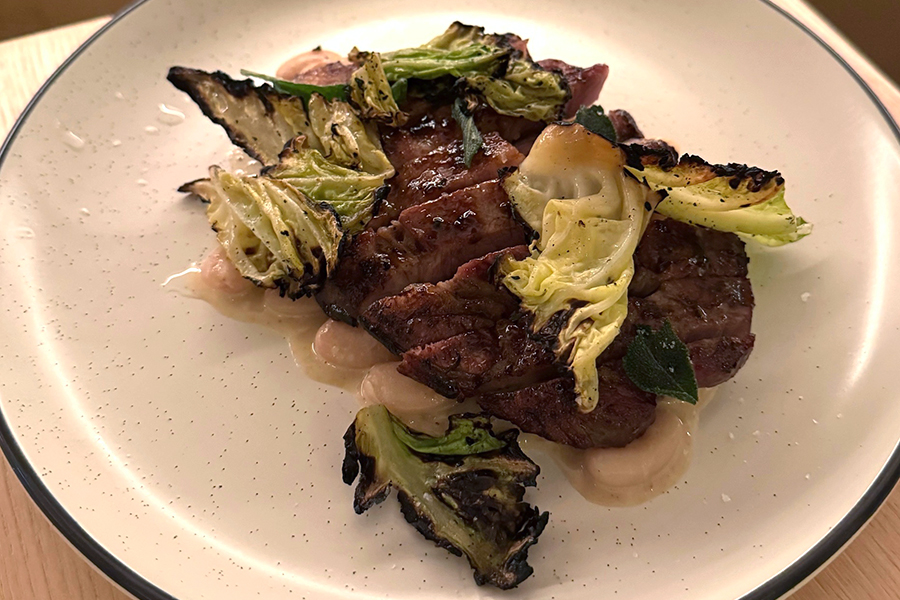
Berkshire pork collar
Back in the day, the original Cheu Noodle Bar was an oddity that became an obsession. It was a place with Jewish roots, a Japanese haircut, and a punk-rock soul — brisket and matzoh balls in a ramen broth with Japanese noodles and Korean ssamjang and gochujang chili paste; pork shoulder scrapple terrines; and broccoli with Chinese black garlic, crushed peanuts, and crumbled house-made lime-and-five-spice Vietnamese sausage. At a time when “fusion” was still a dirty word in the restaurant industry (after years of misuse and myriad unspeakable culinary sins committed in its name, it meant instant death to pretty much any concept that employed it), Cheu was so loudly, brightly fusion-y without ever calling itself a fusion restaurant that it single-handedly resuscitated the genre (in Philly, anyway). And it did it with style. It did it so unapologetically that the cooking became a kind of anti-fusion — refusing to accept any national or regional appellations and simply cooking a style of cuisine that seemed wholly invented in its own kitchen.
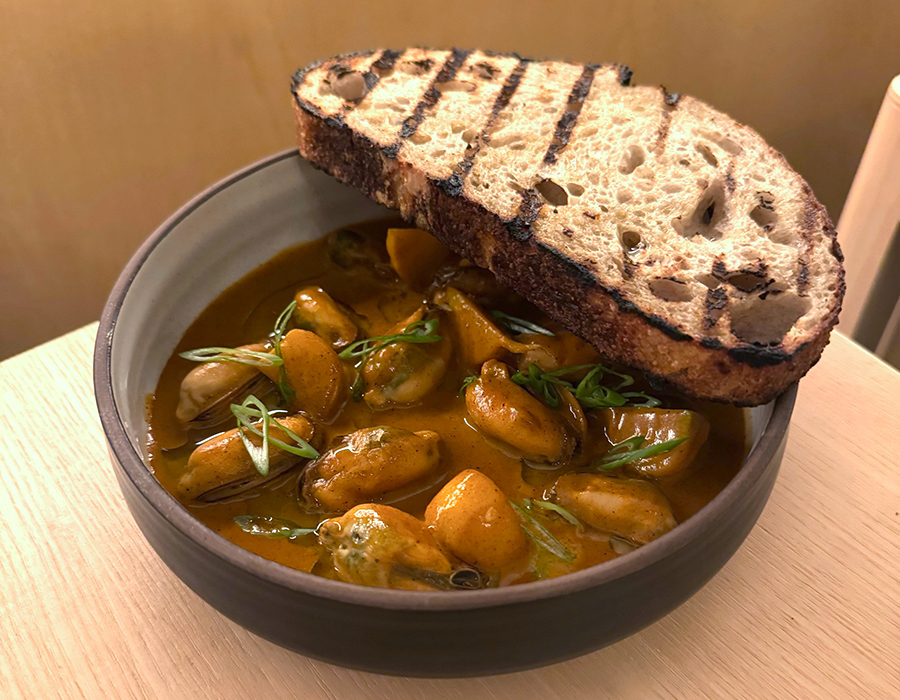
Mussels in harissa
That kind of thing has a gravitational effect on a scene. A whole generation of cooks and food nerds grew up with Cheu flying their freak flag on 10th Street, then in Fishtown. Bing Bing made dim sum edgy on East Passyunk with pastrami and Swiss cheese bao, matzoh-meal turnip cakes with a fried egg on top, cocktails served in plastic pitchers like an old-school Pizza Hut, and soup dumplings that had people lining up down the block. And Nunu (maybe their least beloved concept, but far and away my favorite) did the whole izakaya thing before Philly had izakayas on every other block — drenched in red light and sake, offering zero authenticity and substituting instead a vision of what Philly might’ve done had the entire idea of the izakaya been invented here instead of Japan. Nunu was the first place in this city where I had milk bread. I still pine for the McDonald’s knock-off fries with furikake-spiked Whiz. And the tuna dip with rice crackers they served at the bar there remains high on my list of favorite bar snacks of all time.
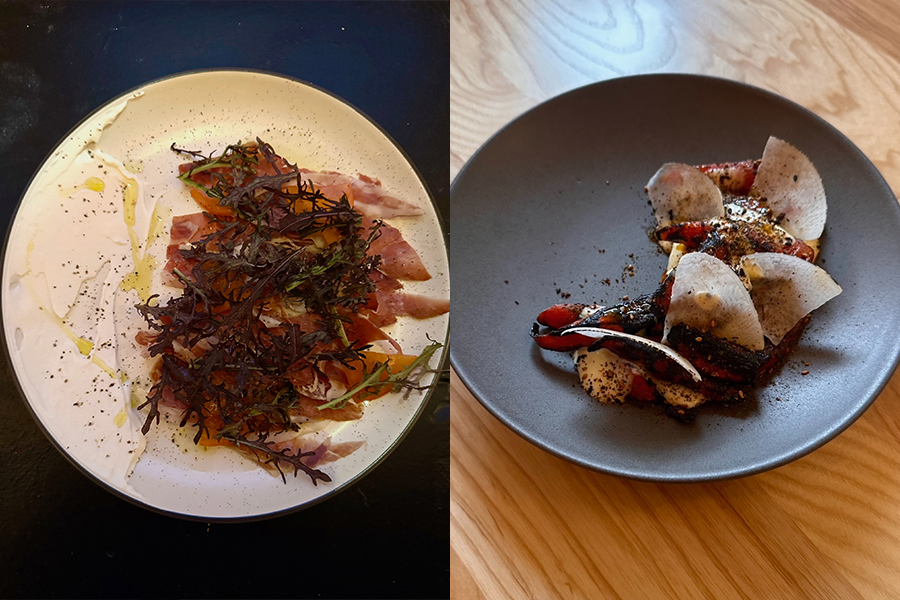
The Lady Edison country ham and grilled Kyoto carrot
But Banshee? The menu is Spanish. And French. And a little bit Japanese. But mostly it is its own, indefinable thing. There’s hamachi crudo with passionfruit and shiso, but also deviled crab croquettes with sofrito and piparra. Umeboshi with pine nuts and brown butter, red kuri rice with koji butter and nori, but then mussels in a coconut milk broth spiked with harissa and a tarte flambé with smoked crème fraîche and caramelized onion. Bryan’s kitchen will do patatas bravas in classic pintxos style, sourdough bread baked in-house, a baked Alaska (that won’t be flamed tableside, which seems to me like a missed opportunity), and a play on a Butterscotch Krimpet.
The menu is mostly small plates, but there’s a roasted half-chicken with almonds, Berkshire pork collar with béarnaise and tarbais beans, and a Spanish mackerel for those with bigger appetites. At the bar, they’ve got Miller High Life and Coke with red wine, a list of low-intervention natural wines curated by assistant manager Madeline Anneli, and super dirty martinis with olive oil vodka, garlic and blue cheese olives (along with a half-dozen other custom cocktails) shaken by Mary Wood, the lead bartender, who is all about technique and raiding the kitchen pantry for ingredients.
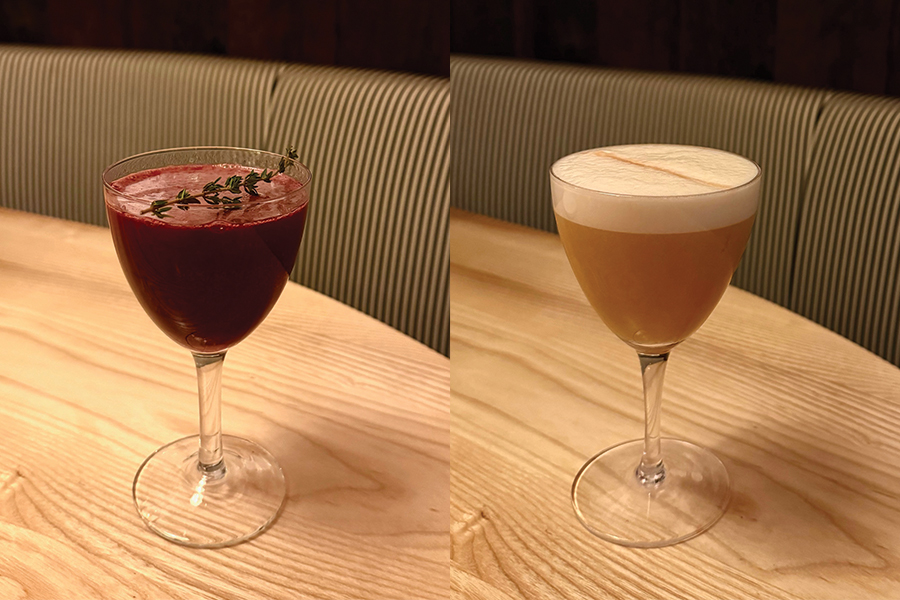
Banshee’s signature cocktails: Crowd Work and Password
All of which means that while Banshee might not look like Cheu (or Bing Bing, or Nunu), there’s something of that reckless, antithetical spirit still living in the walls. The belief that cuisine is personal, not national, and that comfort comes in many different forms. Yes, I will always miss that milk bread and crab dip, but the Donovan brothers have an opportunity here to carry forward a little bit of the rebellious spirit they grew up with, working for Puchowitz and Darragh back when their concepts were some of the hottest on the scene. And it looks like that’s precisely what they’re doing with Banshee, so I’m excited to see how it plays out.
Because we all have to get older. But that doesn’t ever mean we have to grow up.