
The Philadelphian’s Ultimate Dentist Survival Guide
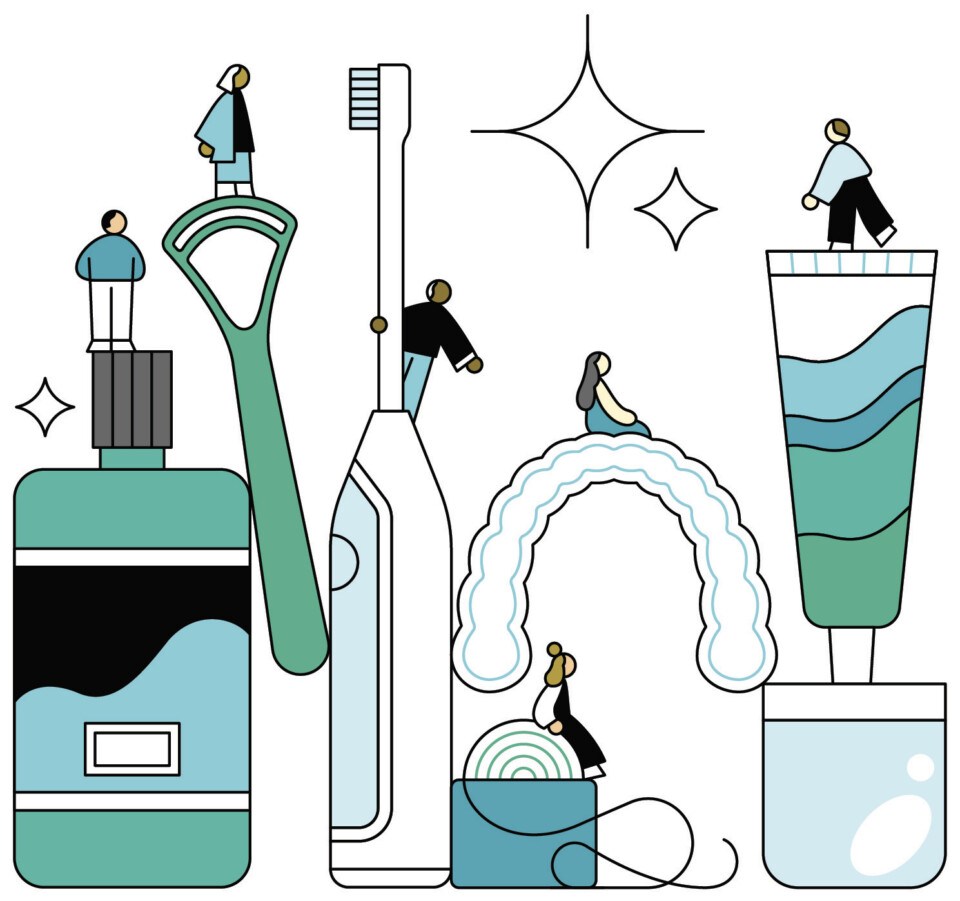
Your ultimate dentist survival guide / Illustrations by Rose Wong
How to be brave, avoid pain, pay less, keep clean, shop smart, smile pretty, and just generally make your trip to the dentist less of a grind.
Yup, You’re Doing It Wrong
Do better by your mouth.
Brushing
Don’t: Go side to side — it can actually do permanent damage to the teeth and gums, says Joshua Bresler of Doc Bresler’s Cavity Busters.
Instead: Brush in a gentle circular motion with a soft-headed toothbrush — ideally an electric one, as they’re great at removing plaque. Aim for 30 seconds in each quadrant (two minutes total). And rather than holding the brush straight to the tooth, says Pavithra Balasubramanian, owner of Berwyn Family Dentistry, you should tilt it at a 45-degree angle, moving from the gumline to the bottom of the tooth.
Flossing
Don’t: Use the picks, which “often only move plaque and bacteria around the mouth,” says Shimma Abdulla, founder of Rittenhouse Dentists.
Instead: Stick with floss — she likes the brands made out of a soft, foamy material, like Dr. Tung’s Smart Floss, instead of the smoother, slippery varieties. (Using those is like cleaning a dirty window with a silk scarf — not super effective, Abdulla says.) While you’re at it, says Gary Lillie of Riverton Dental Arts in New Jersey, rather than your usual quick up and down between the teeth, curve the floss into a C shape so you can take the floss slightly underneath the gumline of each tooth. Finally, if you hate the whole act so desperately you simply can’t deal, go for a water flosser instead, which can provide a deep clean.
Order of Operations
Don’t: Save flossing for last.
Instead: Start by rinsing with water to remove any larger food debris, suggests Balasubramanian. Then, it’s FBI time: Floss. Brush. Irrigate. Flossing first helps remove plaque and food between teeth so that toothpaste can more easily reach those newly opened areas, Lillie says. End with an alcohol-free mouthwash — which targets bad bacteria, rather than the good kind, and doesn’t leave your mouth burning — to rinse away any leftovers.
Your Tongue
Don’t: Sleep on a tongue scraper. Turns out it’s not just another TikTok trend, but a legit dentist rec. “Because the tongue has lots of tiny crevices, it’s a common place for bacteria to build up — especially the kind that causes bad breath. And a tongue scraper works best for that,” says Bresler.
Instead: Scrape away, once a day.
Your Retainer or Night Guard
Don’t: Brush your gear with toothpaste, which Lillie says can leave microscopic scratches that trap all the bacteria, plaque, and odor. (Gross.)
Instead: You have a few choices: A peroxide-based cleaner (recommended by Abdulla), Polident tablets in water (per Lillie), a retainer-specific cleaner (says Bresler), or a dental cleaning pod that uses ultrasonic waves, like the one from ZimaDental (per Balasubramanian). Try to disinfect a few times a week.
Replacing Your Toothbrush
Don’t: Go too long.
Instead: Change your toothbrush every three to four months, or sooner, if you see the bristles are fraying. Oh, and get a new one if you’ve been sick, our experts agree. Bacteria can linger on your brush and get you sick again … and again … and again. — L.B.
Worth It or Nah?
Photograph by Nadezhda Moryak
We asked; the docs answered. These are the treatments to invest in — and to pass on.
Worth It
Implants
“With implants, we can give someone a fully functional tooth or teeth, and they’ll feel confident. They look good; their speech is good; food tastes good. It has tremendous advantages.” — Rande Kaminsky, Kaminsky Dental Associates
Invisalign
“The benefits extend well beyond a straighter smile. It can improve a patient’s bite, helping teeth fit together properly and reducing excessive wear, chipping, and clashing over time.” — Kristine Concepcion, Corner Dentistry
Frenectomy
This corrects a tongue or lip tie and “is excellent for people who have speech or sleeping problems, as not having enough movement with your tongue can create sleep apnea issues.” — Harshil Boghara, Smile Culture Dental
Not Worth It
Gum Contouring
While appealing cosmetically, this isn’t worth it. “Once gum tissue is removed, it doesn’t grow back. Patients may experience increased gum recession following the procedure, which can compromise tooth health over time.” — Concepcion
Veneers
Try tooth whitening instead. “Getting a patient to an orthodontist who can get the teeth in the right position and then whitening can sometimes do the trick without placing veneers that are truly not reversible.” — Atlas
Gum Grafting
“A lot of times with these procedures, if the source of the issue is not treated, then you end up in a situation where you get the graft, you went through all the pain and money, and then you’re right back to square one after six months.” — Boghara
5 Common Dental Complaints — and How to Solve Them
Your dental woes, answered! / Photograph by Tima Miroshnichenko
Philly experts talk you through the tough stuff.
If you’re anything like us, then you have a long list of complaints about going to the dentist — it’s long enough to keep you away, well, forever. But it shouldn’t: A healthy mouth, gums, and teeth are vital to your overall well-being, and should be kept in tip-top shape. So we chatted with some Philly dental experts to help you find solutions and keep you smiling too. Keep reading …
A Trip to the Dentist — or the Spa?
Photograph by Tima Miroshnichenko
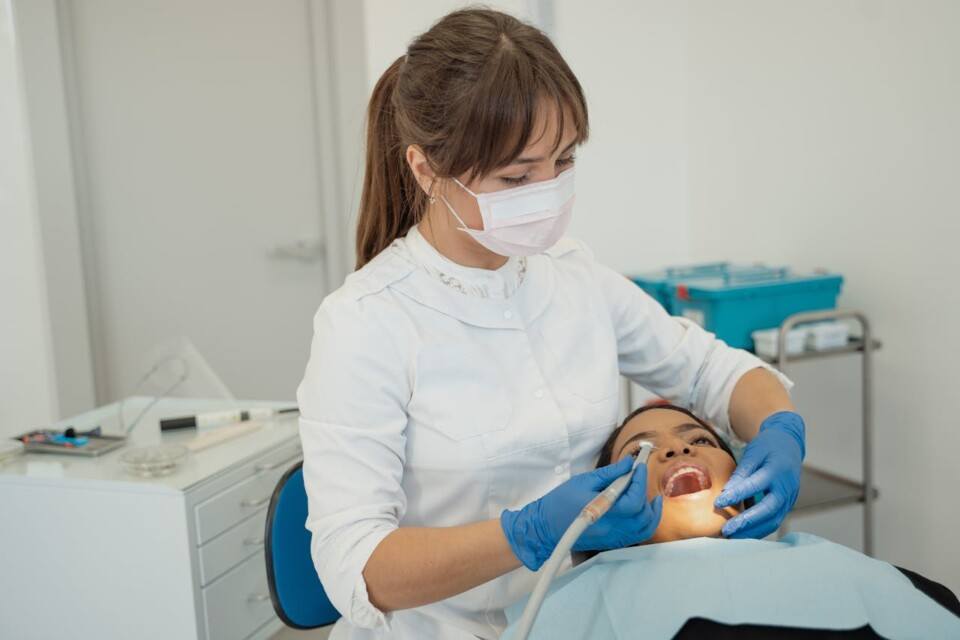
No, you can’t get rid of your frown lines when you’re at the dentist (sigh). But Botox is being used to aid in dental procedures. At all three Rittenhouse Dentists locations (Rittenhouse, Bala Cynwyd, and Bryn Mawr), you can opt for a few injections — administered by their certified staff — that might help relax lip muscles (to reduce your visible gumline) or ease that TMJ. Prefer something less prickly? Pennsylvania Center for Dental Excellence in Northeast Philly boasts calming amenities — think noise-canceling headphones, massage chairs, weighted blankets, and warm, lavender-scented towels. And, in addition to private treatment rooms with pillows and blankets for max comfort, the Lindsey Marshall practice in Ardmore has a trio of soothing options: Their NuCalm relaxation system uses a wrist patch to stimulate GABA (a neurotransmitter your brain naturally makes to calm the nervous system), a light-blocking eye mask, and a pair of Beats headphones. You can also opt for nearly painless local anesthetic via the Wand (a computer-assisted, syringe-free device), or light sedation using anti-anxiety medication like lorazepam, for an armchair trip to the world of The White Lotus. — S.A.
Add to Cart or Leave on Shelf?
Photograph by Steve Buissinne
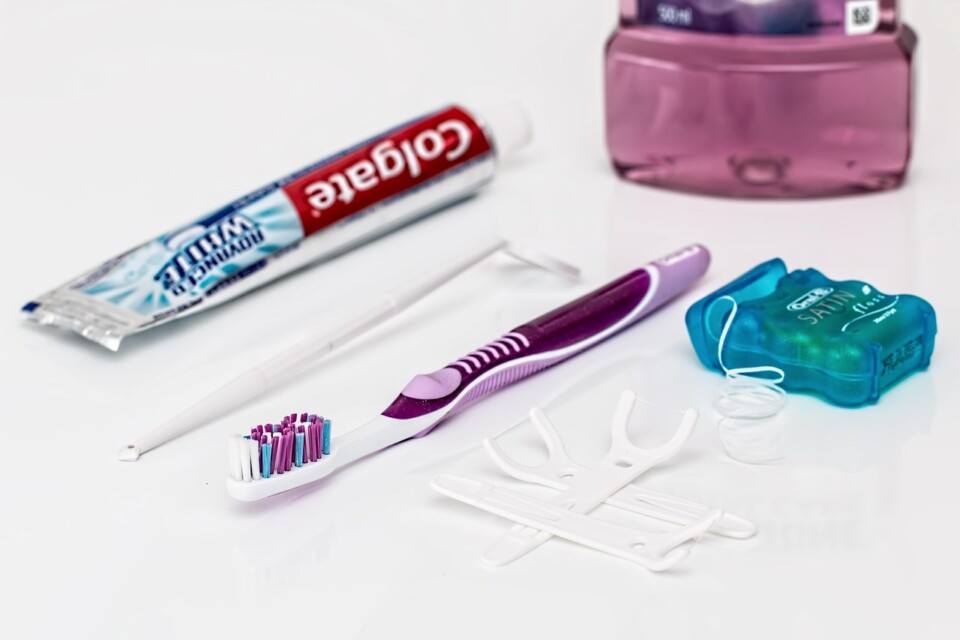
Expert dentists help us sift through all the at-home products out there and offer their fave picks.
Add to Cart
Good ol’ Crest
The classics (Crest, Colgate, Enamelon) are staples for a reason, our dentists say: They contain tooth-strengthening fluoride. (Those new varieties — probiotic toothpaste, we’re looking at you — may not.)
White Strips
Over-the-counter whiteners, like Crest White Strips, do brighten, says Alan Atlas, who teaches at Penn Dental and runs a private practice in Rittenhouse. Plus, OTC options are fairly affordable.
Water Flosser
Great for patients with braces or other dental work, but most of the docs we spoke with recommend them to everyone. No need to buy a fancy version: Any one from the store will do.
Leave on Shelf
Charcoal
This toothpaste is all the rage on Instagram for its whitening effect, but it’s “an absolute no,” says Boghara. “It’s notorious for damaging your tooth structure.” (Yikes!)
Lasers
“Home lasers have limited effectiveness compared to professional treatments,” Atlas says. Bummer, since the at-home versions are hundreds of dollars less than the professional ones. — C.D.
AI Is Coming for Your Mouth
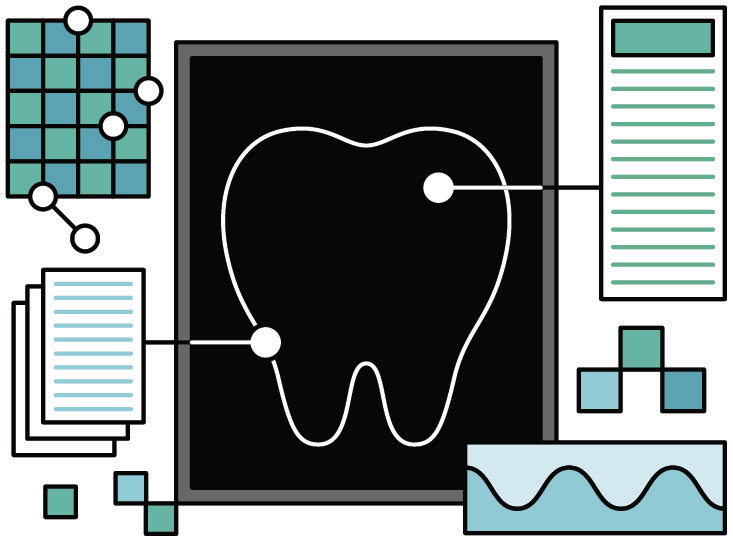
Artificial intelligence is likely already making life easier for your doc. Many dentists are relying on AI to produce clinical notes and keep accurate records, says Kristine Concepcion of Corner Dentistry in Bella Vista. AI can also identify abnormalities that could be overlooked by mere humans. (Hey, no dentist is perfect.) “While this technology is still relatively new, it shows promise,” she says. Milad Azadi of Chester County Endodontics in Kennett Square expects AI to be incorporated into scanning software for root canal diagnoses — it’s called cone beam computed tomography, or CBCT for short. Azadi describes CBCT like a CT scan, creating a 3-D X-ray of a specific area of your mouth. Other scanners, including small intra-oral ones, are used by orthodontists like Kimberly Christie of CDF Family Orthodontics in Media to create 3-D models of the teeth in just a few minutes. Don’t have time for an in-person appointment? Christie notes that some Philly-area practices, like Foote Orthodontics in Wayne and Bryn Mawr, are implementing remote dental monitoring (using a device or your smartphone to capture at-home oral images), reducing the need for office visits. Tech advancements are making at-home care easier too. Try a smart toothbrush like Oral-B’s version, says Concepcion. She recs these devices for their pressure detection technology (they alert you via a light when you’re being heavy- handed). Brave new world, indeed. — K.S.
Fix My Mug
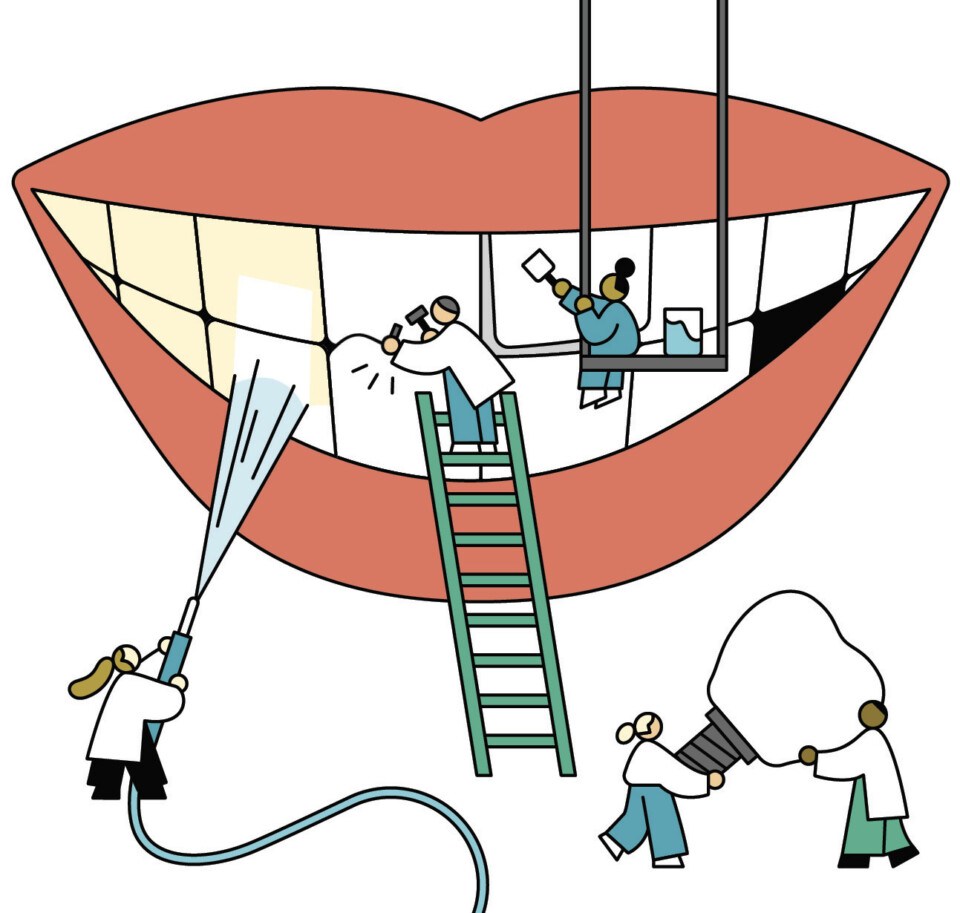
We are bombarded by influencers sporting perfect smiles — to the point where even I, a deeply unvain 51-year-old man with (mostly?) fine teeth, got to wondering: What would it take to go from normal to, well, better? So I visited Center City cosmetic dentist Rande Kaminsky for a consult. Here’s his (surprisingly gentle) take on how he’d level up my smile.
Implant
I lost a bottom tooth thanks to two failed root canals. So I had it yanked. Kaminsky says an implant would close that gap — without it, my other teeth might shift and cause more problems. So much for looking like a hockey player, which I kinda liked … even before Heated Rivalry.
Cost: $3,000 to $6,000
One Veneer …
While I don’t need a full set, one of my bottom front teeth is pushed back a bit from the others. Rather than trying to move my teeth from where they want to be using, say, Invisalign — which Kaminsky says I absolutely do not need — he would use a thin veneer on that tooth to make it look like it’s in about the same position as the others. The only problem with that plan is that I’d have to consistently follow a teeth-whitening program, or I’d have one pearly white amid other not-so-pearly whites.
Cost: $1,500 to $2,800
… or Full Veneers?
“Some cosmetic dentists might recommend full veneers to you, but not me,” Kaminsky says. That’s because my teeth have a natural look and no breaks or cracks — which veneers can fix — and because a mouth full of fakes would give me, well, a fake-looking smile.
Cost: $30,000 to $56,000
Recontouring
Some of my bottom teeth in the front are higher than others; Kaminsky says he could shave them down to make everything about the same height. “But not exactly the same. I like slight imperfections. You don’t want to look unnatural.”
Cost: $150 to $400
Whitening
Sure, I could just buy something at CVS. But Kaminsky says they use products in his office that aren’t safe for home use — they are too caustic — but can get my teeth glowing. He’d send me home with nighttime trays that I’d need to use for a couple of weeks following the chairside treatment. And he recommends I come back every six months or so if I want to maintain said glow.
Cost: $600 to $1,600. — V.F.
Top Dentists 2026
Looking for a new dentist? Here’s our all-new list of the 725 best dentists in our region — from generalists to pediatric specialists to oral surgeons — as chosen by their peers. Keep reading …
Published as “Be Well Philly’s Ultimate Dentist Survival Guide” in the March 2026 issue of Philadelphia magazine.