Meet the Rest of This Year’s Health Hero Challenge Semifinalists
Learn more about who they are, what they do, and what they stand for.
Last week, we introduced you to five of the 10 semifinalists of this year’s Be Well Philly Health Hero Challenge presented by Independence Blue Cross. Today, you get to meet the rest!
Every one of these exemplary individuals has made it their personal and professional mission to better the lives of community members. Each candidate routinely goes above and beyond to make the residents of our communities healthier, in ways as varied as they themselves are.
You know how this challenge works. Select a semifinalist who you believe most deserves to be named our 2026 Health Hero, and then cast your vote. You can vote once a day through July 31st. The winner will receive a $15,000 donation to their selected charity, and the two runners-up will each win a $2,500 donation to their charities of choice.
Without further ado, meet the second half of our semifinalists:
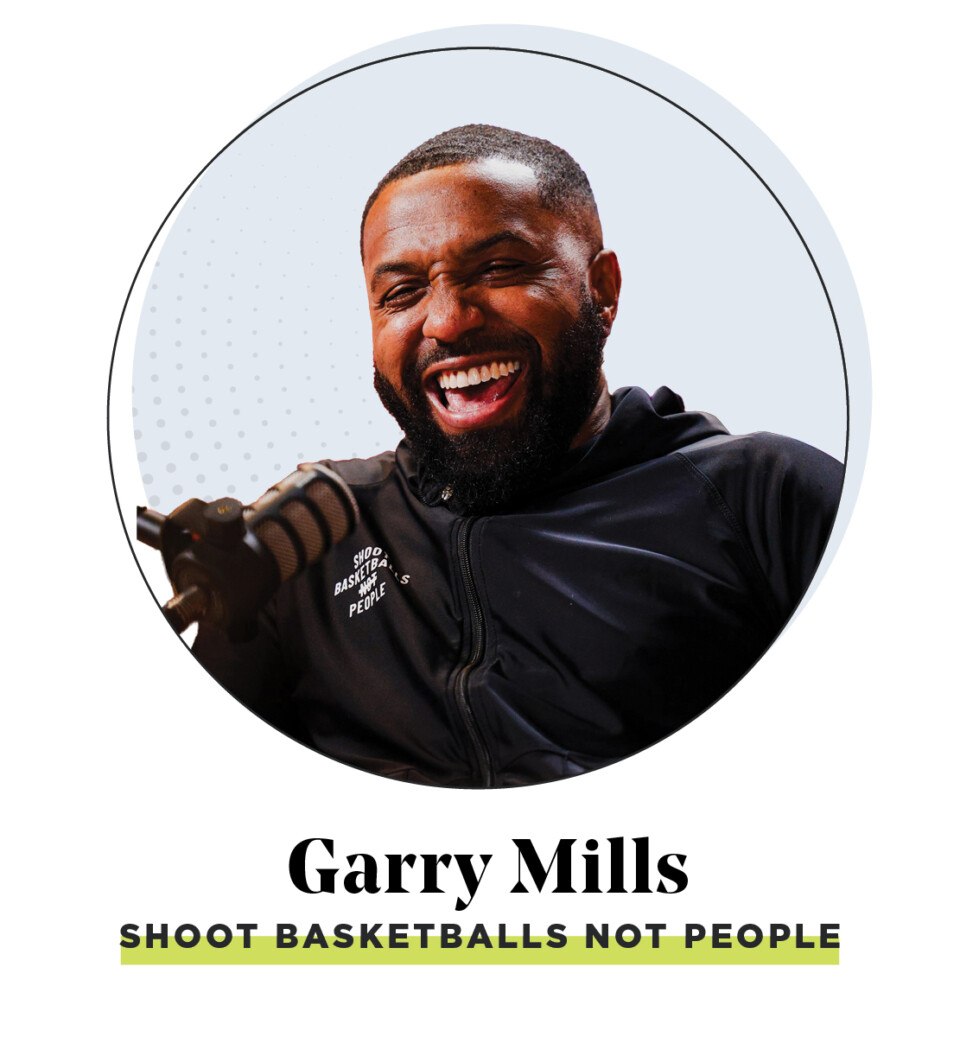
Who: Garry Mills, a West Oak Lane resident who founded nonprofit Shoot Basketballs Not People (below), in 2010
Nonprofit of choice: Shoot Basketballs Not People, a local organization “dedicated to preventing violence and promoting positive change in communities affected by gun violence.” It specifically uses basketball as a catalyst for change for at-risk youth throughout Philadelphia, and also focuses on mental health and emotional wellness through yoga, meditation, mindfulness practices, mentorship, and other good-for-you opportunities.
According to one person who nominated Mills, “Garry [Mills] recognized that many youth in underserved communities are carrying the effects of trauma, grief, chronic stress, and community violence, and he designed programming that supports both the mind and body. He [also] understands that many families face financial barriers that can prevent children from participating in sports and wellness programs. Through SBNP, Mills helps provide uniforms, sneakers, and other essentials … His efforts remove barriers that often leave underserved youth feeling excluded and instead create spaces where all young people feel valued, empowered, and part of something positive.”
What motivates you to improve the lives of your community members?
“What motivates me to improve my community is the well-being and development of young Black and brown boys that reside in the inner-city neighborhoods of Philadelphia.”
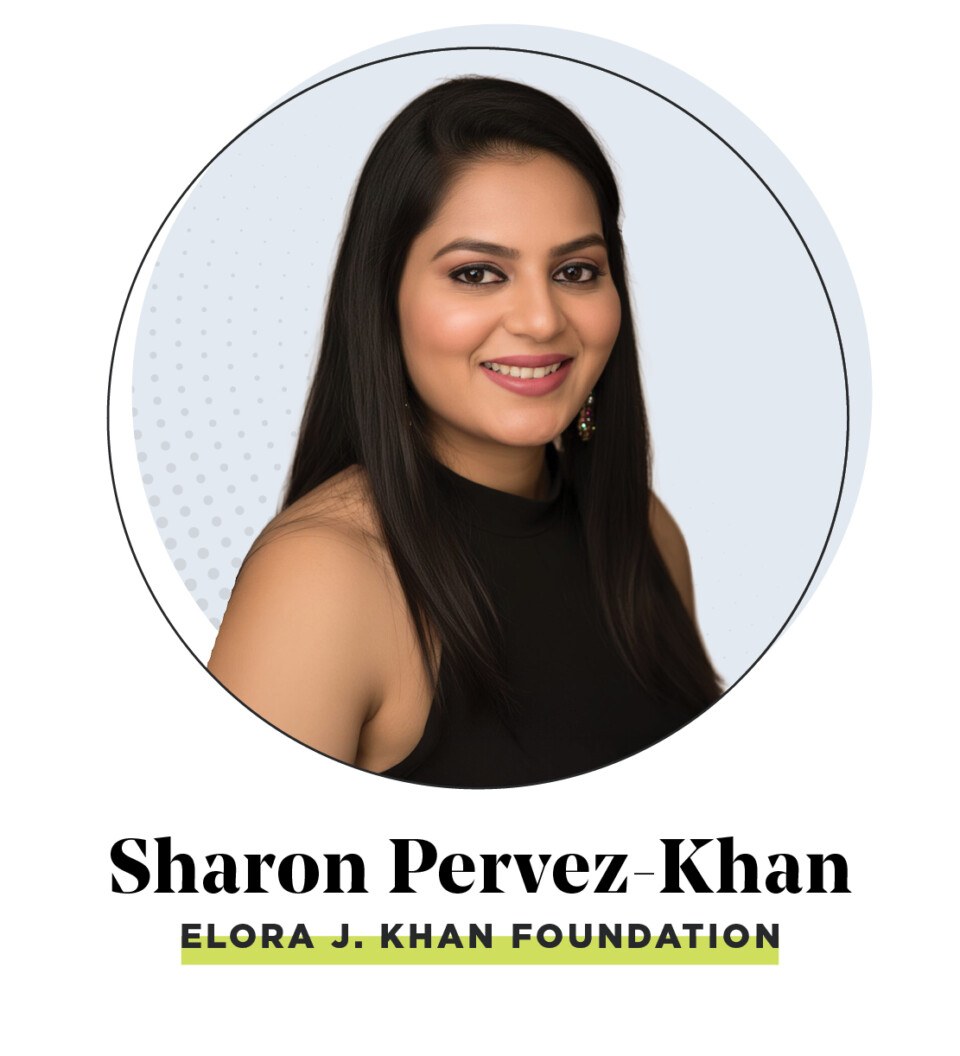
Who: Sharon Pervez-Khan, who founded the Elora J. Khan Foundation (below) in memory of her daughter, Elora Joyce. Elora passed away at the age of seven from Diffuse Intrinsic Pontine Glioma (DIPG), a highly aggressive and incurable brainstem tumor.
Nonprofit of choice: Elora J. Khan Foundation, whose mission is to “transform the future of pediatric brain cancer through research, advocacy, family support, education, and compassionate service” according to Pervez-Khan. It also provides direct financial assistance to families during treatment and bereavement.
This year, the foundation spearheaded Pennsylvania’s first coordinated statewide pediatric brain cancer awareness initiative: On June 15th, what would have been Elora’s 10th birthday, Governor Josh Shapiro proclaimed “Elora Joyce Khan Pediatric Brain Cancer Awareness Day” across the Commonwealth; the Pennsylvania House and Senate both passed bipartisan resolutions; and the City of Philadelphia and Philadelphia City Council each adopted two resolutions recognizing the day and calling attention to the urgent need for pediatric brain cancer research.
What motivates you to improve the lives of your community members?
“The day Elora was diagnosed, I became part of a community no parent ever chooses to join. Since then, I have come to understand that pediatric brain cancer doesn’t only impact a child — it changes the trajectory of an entire family. It’s not simply a medical crisis. It’s a family health crisis that extends far beyond the hospital walls. Every family deserves access to hope, support, community, and the best science possible. Every child deserves better treatment options. Every researcher deserves the resources to pursue the next breakthrough. Every policymaker deserves to understand the urgency. Every community has the opportunity to be part of the solution. That’s what drives me every day.
My hope is that one day no parent will be told, ‘Go home and make memories,’ [and] instead, will be given real hope through [a cure]. Until that day comes, our work is not finished.”
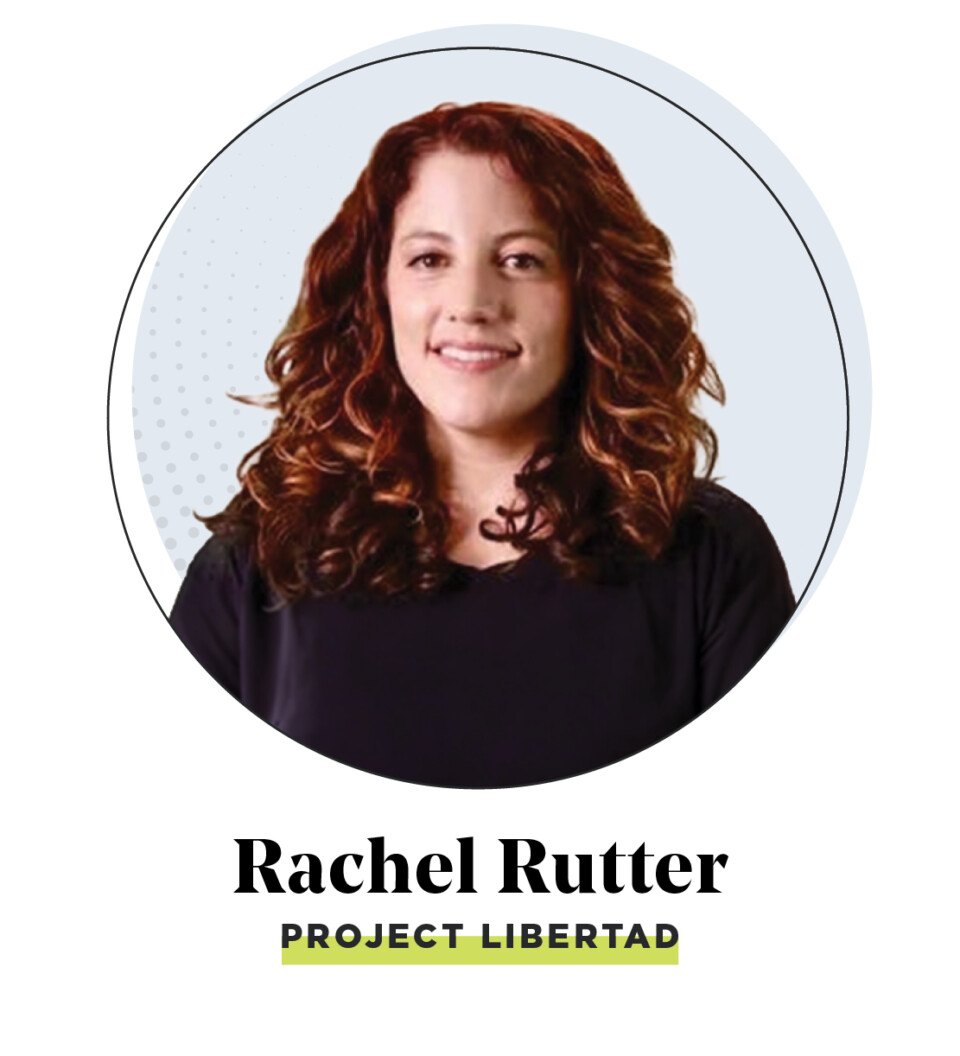
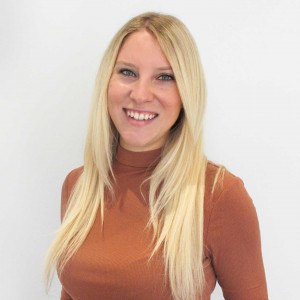
Who: Rachel Rutter, an immigration attorney who founded Project Libertad (below) in 2015 to address critical gaps in support for unaccompanied immigrant children seeking safety in the United States
Nonprofit of choice: Project Libertad, which provides free legal and social services, as well as academic guidance, mentoring, and leadership opportunities to newcomer immigrant youth and their families. “We stand beside children as they seek asylum and other protections in the U.S.,” Rutter says.
What motivates you to improve the lives of your community members?
“As a young immigration attorney, I consistently encountered children who needed basic things like food, safe housing, mental health care, and medical care. Yet, there were extremely limited resources to meet their needs. Thousands of children have deportation proceedings pending against them before the Philadelphia Immigration Court — many have no lawyer and must represent themselves in an arcane system in a language they do not speak. And representation matters: Represented children are seven times more likely to remain in the U.S. legally, while up to 90 percent of unrepresented children are deported to dangerous situations. Despite the clear need, there are limited legal services for youth in the region, leaving children to fend for themselves in immigration court, … and additional stressors, like the threat of deportation, a lack of legal counsel, and difficult family dynamics, [can result in] symptoms of PTSD, anxiety, and depression.”
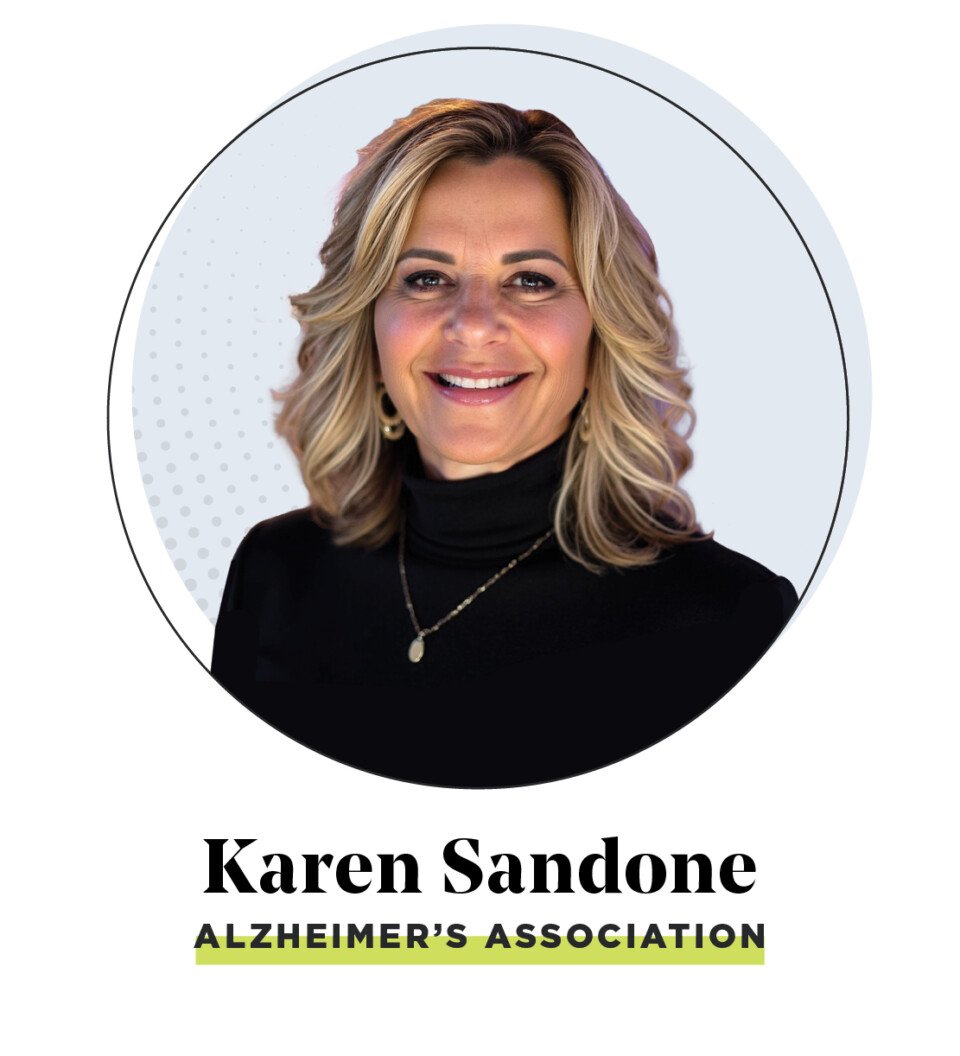
Who: Karen Sandone, a Doylestown resident who was inspired to get involved with the Alzheimer’s Association after her husband, Anthony, was diagnosed with younger-onset Alzheimer’s disease in 2023 at 55 years old. (Since then, the disease has progressed, and Anthony is now considered to be in the severe stage.) Sandone serves as executive leader for The Longest Day, the Alzheimer’s Association’s annual fundraising and awareness campaign held on or around the summer solstice — Sandone says her family’s team has raised more than $100,000 in the past three years. Sandone also volunteers with the Alzheimer’s Impact Movement (AIM), “advocating with state and federal legislators for increased research funding, earlier detection, improved caregiver support, and policies that improve the lives of individuals living with dementia and their families,” she says.
Nonprofit of choice: Alzheimer’s Association, a national organization dedicated to advancing care, support, and research for Alzheimer’s disease. The nonprofit provides critical resources for individuals living with Alzheimer’s other dementias, offers education and support for caregivers, funds groundbreaking research, and advocates for policies that improve the lives of impacted families.
What motivates you to improve the lives of your community members?
“My greatest motivation is my husband, Anthony. Watching the person you love slowly losing the ability to communicate, work, and eventually perform everyday tasks changes you forever. Alzheimer’s has taken so much from our family, but it has also given us a profound sense of purpose. Every family deserves answers, support, and hope, and no caregiver should have to navigate this journey alone. Today, everything we do is driven by that belief. Whether we are raising funds for research, advocating for legislation, speaking to community groups, supporting caregivers through Surviving the Now, or simply sharing our family’s story, our goal is the same: to make life a little easier for the next family to receive this diagnosis.”

Who: Julienne Verdi, who has lived with migraine since childhood, serves as executive director of The Headache Alliance (below) and its sister organization, Alliance for Headache Disorders Advocacy. Verdi also helped draft and advance the HEADACHE Act, the first stand-alone federal bill focused on migraine and headache disorders that was introduced in Congress in 2025.
Nonprofit of choice: The Headache Alliance, a national nonprofit based in South Jersey that works to improve the lives of people living with migraine and other headache disorders through education, awareness, advocacy training, and community support. More than 40 million Americans are affected by migraine and headache disorders, and The Headache Alliance helps people better understand them, find credible resources, and build community.
What motivates you to improve the lives of your community members?
“For many people, migraine and headache disorders shape childhood memories, school years, work lives, and parenting. Too often, people grow up watching loved ones push through disabling attacks without answers, accommodations, or adequate care, only to face the same symptoms themselves years later. I want to help break the generational cycle of migraine disease by making sure families have better information, earlier support, and a clearer path to care. When migraine and other headache disorders are ignored or undertreated, they can become more frequent, more disabling, and harder to manage … I think often about how many years of suffering I may have been saved if my own migraine disease was diagnosed and treated earlier. [Also,] I have four children and my oldest is already living with migraine disease and I live in fear that my three daughters could be next. I do this work because I want my children, and every family affected by migraine or another headache disorder, to live in a world where these diseases are recognized sooner, treated more seriously, and met with compassion instead of dismissal. What motivates me is the possibility that we can interrupt the cycle, reduce suffering, and help more people have better days.”
Vote once per day, every day, now through July 31st!