From Sleep to Skin Care: Here’s How to Support Your Health During Menopause
Philly experts weigh in on how to manage your blood sugar, skin health, sleep, and exercise habits through this season of life.
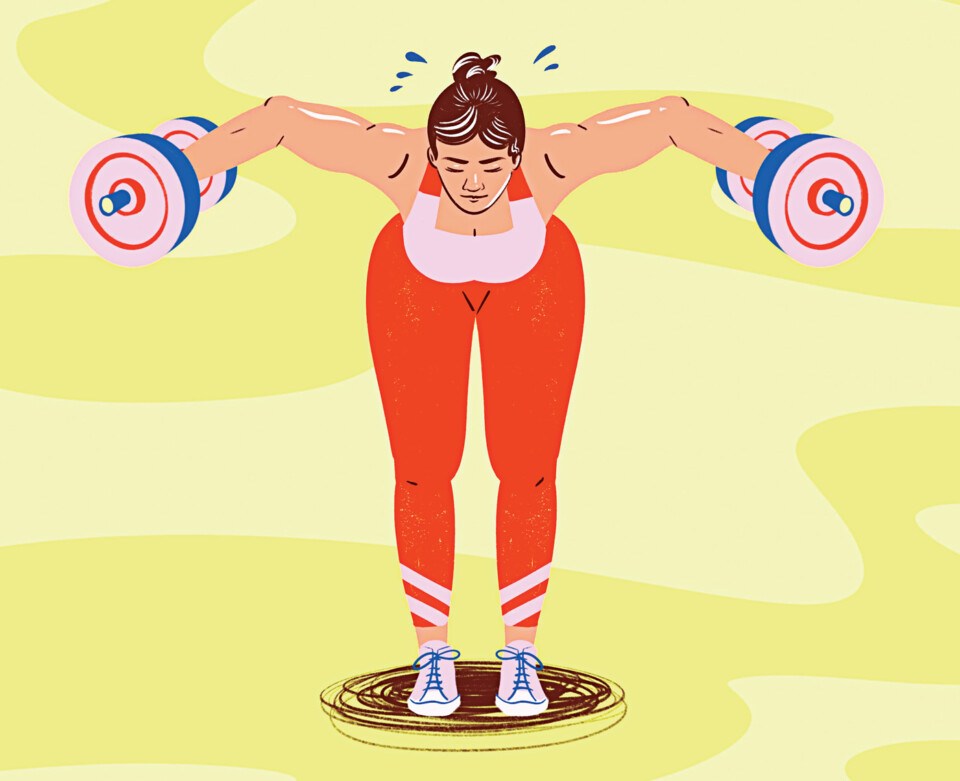
Illustration by Tara Jacoby
Perimenopause and menopause signals a major life shift. Fluctuating hormone levels, especially the drop in estrogen, can lead to changes in your everyday health. Below, four Philly experts share how you can better understand and manage your blood sugar, skin health, fitness regimen, and sleep during peri/menopause.
Navigating Blood Sugar

Photograph by Phil Kramer
Ashley Furlong, integrative health practitioner and owner of Whole Health Studio in Washington Square West
The drop in estrogen during perimenopause directly affects insulin levels and glucose metabolism. Here’s why that matters: Insulin is a hormone that breaks down sugar (glucose) from the food you eat when it enters your bloodstream — and estrogen optimizes insulin activity. So when estrogen declines, insulin has to work harder to get the same job done. If blood sugar spikes are frequent, this can lead to inflammation, weight gain, and hormonal problems, and increase the risk of type 2 diabetes.
Your insulin efficiency follows your body’s natural circadian rhythm — it’s strongest earlier in the day. To support healthy blood sugar during perimenopause, eat a protein-dense breakfast — 20 to 30 grams of protein will stabilize blood sugar, keep you energized, and curb midmorning sugar cravings and crashes — and avoid eating at least three hours before bed to avoid overnight blood sugar spikes that can interfere with sleep.
Navigating Your Skin

Viviane Aires, esthetician and founder of Viviane Aires Skin Wellness in Rittenhouse
When estrogen levels decrease, we start seeing less collagen production and a reduction in skin elasticity, which can lead to dryness, dullness, and more pronounced expression lines. Some women may also experience acne, facial hair growth, or flushed skin.
Focus on moisturizing, protecting, and nourishing the skin. I always recommend hydrating, gentle cream- or oil-based cleansers, a serum with hyaluronic acid for moisture retention and niacinamide to improve skin barrier function, retinol to encourage cell turnover and stimulate collagen production, and a rich moisturizer. And, of course, a broad-spectrum sunscreen with at least SPF 30 (ideally 50) to protect against further collagen breakdown and prevent hyperpigmentation.
Navigating Exercise

Photograph by Chris Koontz
Shoshana Katz, strength coach specializing in women’s and perinatal fitness; Katz leads perimenopause strength training at KG Strong in South Philly
After the age of 35, the rate at which women lose muscle mass begins to increase, and bone mineral density starts to decrease about 0.3 percent to 0.5 percent each year. How do we combat this? Not with HIIT workouts or classes that keep your heart rate high, but with strength training. Pilates and weighted vests are super, but they do not replace what lifting weights will do for your muscle and bone health. Women need to be lifting heavy — I know this can scare people, but please remember that heavy is relative to you — ideally three or four times per week, though as often as you can is better than not at all.
Navigating Sleep

Photograph by Todd Zimmerman
Seema Bonney, functional medicine physician and founder of the Anti-Aging & Longevity Center of Philadelphia
In perimenopause, fluctuating estrogen and progesterone can cause unpredictable cycles, night sweats, and restless nights. Once in menopause, when hormone levels remain consistently low, these sleep difficulties often persist — sometimes compounded by hot flashes, mood changes, or shifts in metabolism. And poor sleep can worsen irritability, contribute to weight gain, impair memory, raise cardiovascular risk, and accelerate inflammation, metabolic dysfunction, and cognitive decline.
Restoring quality sleep requires a total approach. Checking (and potentially treating) hormone levels — including a true thyroid panel and cortisol levels, as well as micronutrients — gives us a clear picture of what the body needs. Non-hormonal strategies such as magnesium, vitamin D, B vitamins, or herbs like valerian, ashwagandha, and black cohosh can also help rebalance sleep.
Published as “The Power of Change” in the 2026 issue of Be Well Philly.