


76 Other Ways Philly Changed the World
Yes, of course you know, we know, everyone knows. Philadelphia gave democracy to this nation — the Declaration, the Constitution, the whole grand, unruly American experiment.
But Philly’s contributions to society didn’t stop with inventing an entire country (though, c’mon, if we’d quit right there, who would’ve blamed us?). In the past 250 years, we’ve had a massive impact on the world beyond our borders, shaping how people heal, learn, shop, protest, eat, invent, entertain themselves, and understand what’s possible. Our fingerprints are all over modern life, whether the world realizes it or not.
What follows is our ranking of 76 other ways that plucky, gutsy, whip-smart Philly made gigantic waves. Some you know. Some you probably don’t. But all of them make the case that Philadelphia’s greatest gift to the world might be democracy, but the close second? Influence.
Happy birthday, America, and many happy returns to us all. — Edited by Ronnie Polaneczky
76. Bubble Gum’s Big Entrance

Photograph by Nell Hoving
In 1928, Walter Diemer, a 23-year-old accountant at Fairmount-based candy company Fleer Corporation (inventor of Chiclets), wanted to create a chewing-gum formula that was more smooth and stretchy and less sticky and brittle than other gums on the market — and he succeeded. His pink creation, Dubble Bubble, turned candy into a playful, bubble-blowing global pastime — and made that sweet snapping and crisp pop! (and all those blackened old gum spots on sidewalks the world over) an inherently Philly experience.
75. The Look of Sci-Fi
Photograph via Ripley Auctions
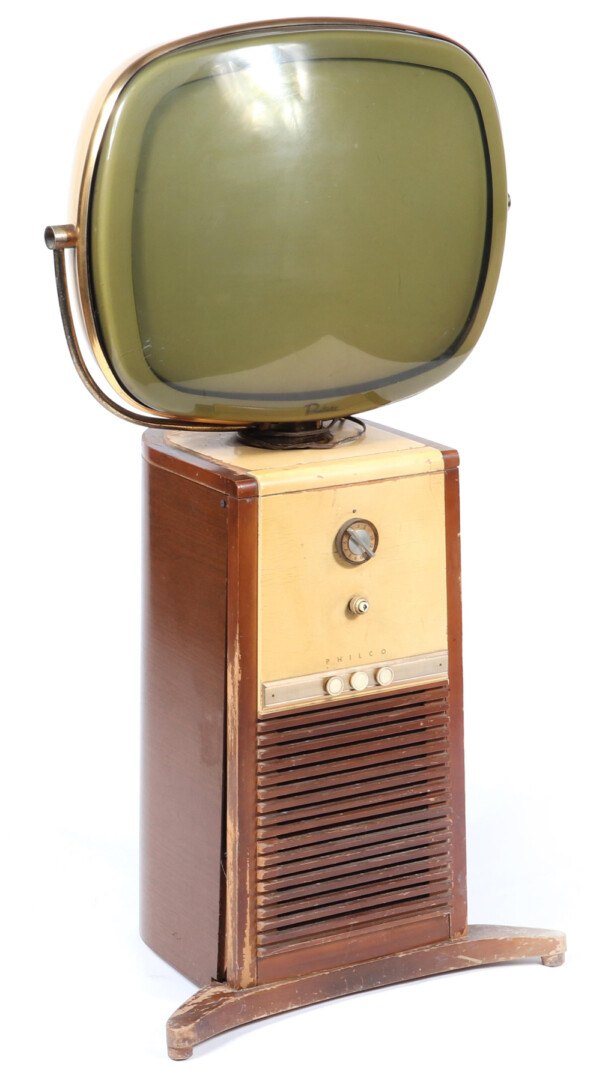
Like many avant-garde ideas, the Philco Predicta flopped. But as a space-age vision of the future, the curvy TV inspired generations of modern design, from the look of countless sci-fi movies to the Apple iMacs of the early 2000s. Philco, Philadelphia’s pioneering radio and TV maker, wasn’t peering too far ahead when it introduced the Predicta in 1958 with its self-contained black-and-white picture tube that swiveled atop a stylish box: They called it “the TV of 1965!” One thing they didn’t predict was the way color TVs turned black-and-white sets into retro relics within a decade.
74. Fleisher Art Memorial
Photograph by Nick-philly via CC BY-SA 4.0
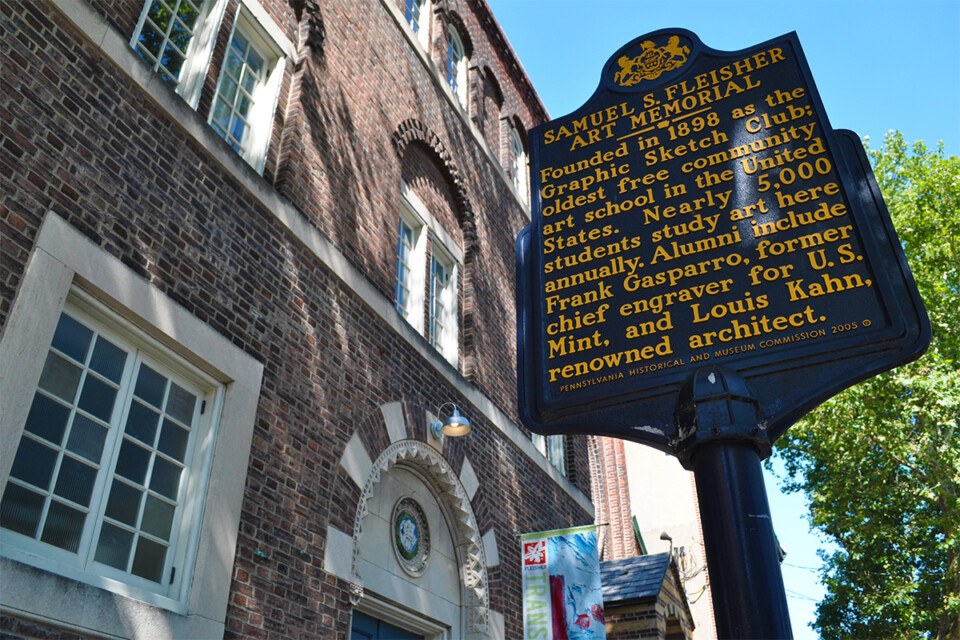
In 1898, yarn manufacturer Samuel Fleisher began hosting free art classes for the children of his South Philly workers, giving them something fun to do while their parents labored in the factory. More than 125 years later, the art school now known as the Fleisher Art Memorial has educated tens of thousands of Philadelphians regardless of their ability to pay. Renowned alums like printmaker Dox Thrash, architect Louis Kahn, and Tariq “Black Thought” Trotter of the Roots have gone on to expand and enrich the national identity of American art and culture.
73. The Steamboat
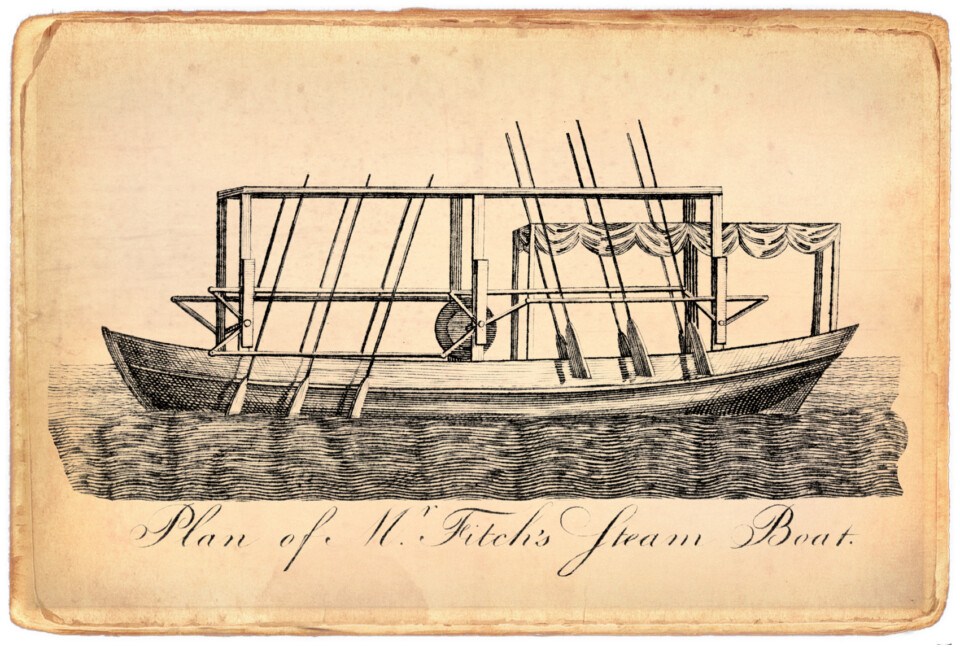
Image via Library of Congress
New Yorkers brag that the steamboat was invented in their state, where designer Robert Fulton’s Clermont made its historic maiden voyage on August 17, 1807. But those New Yorkers are, as usual, blowing smoke: It was actually Philly inventor John Fitch who launched the first successful steamboat, in 1787 on the Delaware River, to the amazement of members of Congress viewing from the dock.
Fitch, an argumentative holder of personal grudges (and of the lawsuits that made them official), soon got into a dispute with another inventor as to the “best” model of steamboat. That standoff led to litigation that contributed to the passage of the Patent Act in 1790, one of the most important laws in American history for its encouragement of technological innovation.
Sadly, that impressive legacy was not enough for Fitch, who’d been unhappily married and penniless in his later years. He wrote this diary entry just before his death: “I know of nothing so perplexing and vexatious to a man of feelings as a turbulent wife and steamboat building.” Doubtless said by no one before or since.
72. The Poinsettia

Photograph by AS Photography
Poinsettias — for Christmas? Groundbreaking. At least in the late 1820s it was! That’s when Joel Roberts Poinsett, the first U.S. ambassador to Mexico, sent samples of the flowering plant (aka Euphorbia pulcherrima) from our neighbor to the south to Bartram’s Garden. In 1829, the scarlet-hued stunner, grown by Robert and Ann Bartram Carr, debuted at what is now known as the Philadelphia Flower Show. Poinsettias were later marketed by California horticulturist Paul Ecke as a Christmas plant. Today, more than 35 million poinsettias are sold in the U.S. during the winter holiday season, making it America’s most popular potted flowering plant.
71. The Academy of Natural Sciences
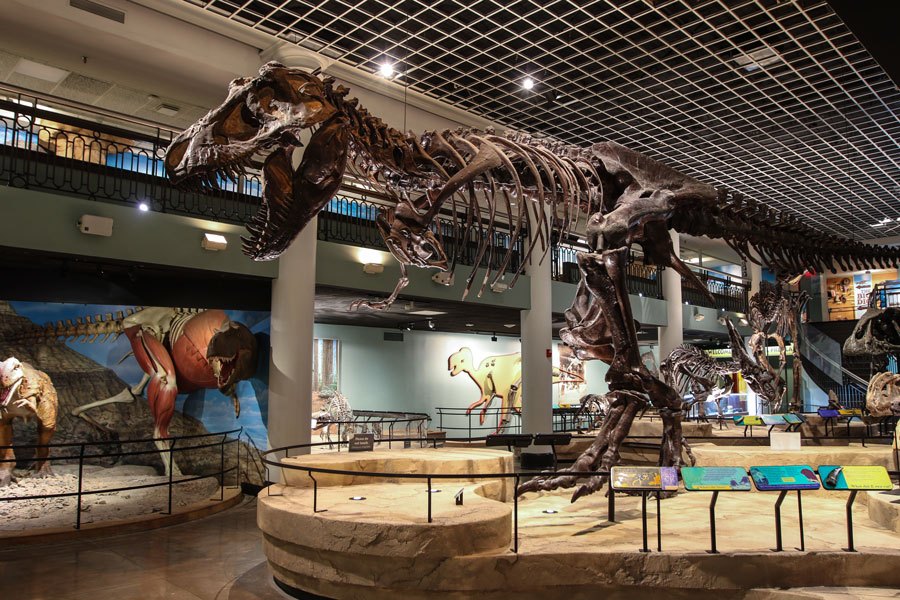
The Academy of Natural Sciences / Photograph by Mike Servedio
Did you know you can get hitched at the Academy of Natural Sciences, right next to a display of a skeletal T. rex? Couples wouldn’t have this prehistoric choice for a wedding venue if not for the motley crew of amateur naturalists (including a dentist, a distiller, a chemist, a physician, an entomologist, an apothecary, and an Irish expat about whom little is known) who in 1812 founded the first natural history museum in the Americas. Their mission: learn about the natural world and share that knowledge with the public.
The Academy still does exactly that. Its scientists lead expeditions, conduct biodiversity and environmental research, and help create and disseminate knowledge used by researchers, policymakers, and educators around the world. Its collections — 19 million specimens strong — continue to inform studies of climate change, extinction, conservation, and life on Earth, past and present. (Thomas Jefferson’s fossils? Plants collected by Meriwether Lewis? Bird specimens added at a rate of 1,500 a year? The Academy has ’em all.) In 2011, the museum entered into an affiliation with Drexel University, a relationship that’s financially shaky today. Our bet, though, is on the 214-year-old institution, whose durable history helps the world understand what it’s losing, what it’s preserving, and how nature works.
70. The Bible Riots

Image via Library of Congress
You wouldn’t think a tome known as the Good Book could start so much trouble. But when Philly’s Bishop Francis Kenrick learned in late 1842 that the city’s public schools were reading from the King James Version of the Bible every morning rather than his Catholic Church’s sanctioned Douai Bible, he asked the schools’ governing body if Catholic students might be read to separately. After all, Italian and Irish immigrants were flooding into the city, building new Catholic churches and establishing neighborhood strongholds everywhere from South Philly to the Great Northeast.
Alas, his request infuriated members of the growing nativist political movement, whose members held a rally in early May of 1844 in favor of the rights of those born here over those who’d more recently immigrated. (stop us if this sounds familiar …) Irish Catholic newcomers countermarched in support of their own rights. In the ensuing mayhem, bullets were fired (no one knows which side shot first), people were killed, and mobs attacked and burned churches, homes, and even a fire station and a marketplace. Two months later, another paroxysm of violence erupted. There were dozens of deaths, all told, and hundreds of injuries before 5,000 militia members settled the city down.
Bishop Kenrick finally resolved the Bible dispute by creating the city’s Catholic school system, the first of its kind in the nation. Each side, naturally, blamed the other for the carnage. The nativist political movement thrived; a statue of its first elected mayor stands in Fairmount Park to this day. The Catholic school system spread throughout America and endures. So does religious bigotry.
69. Thomas Eakins
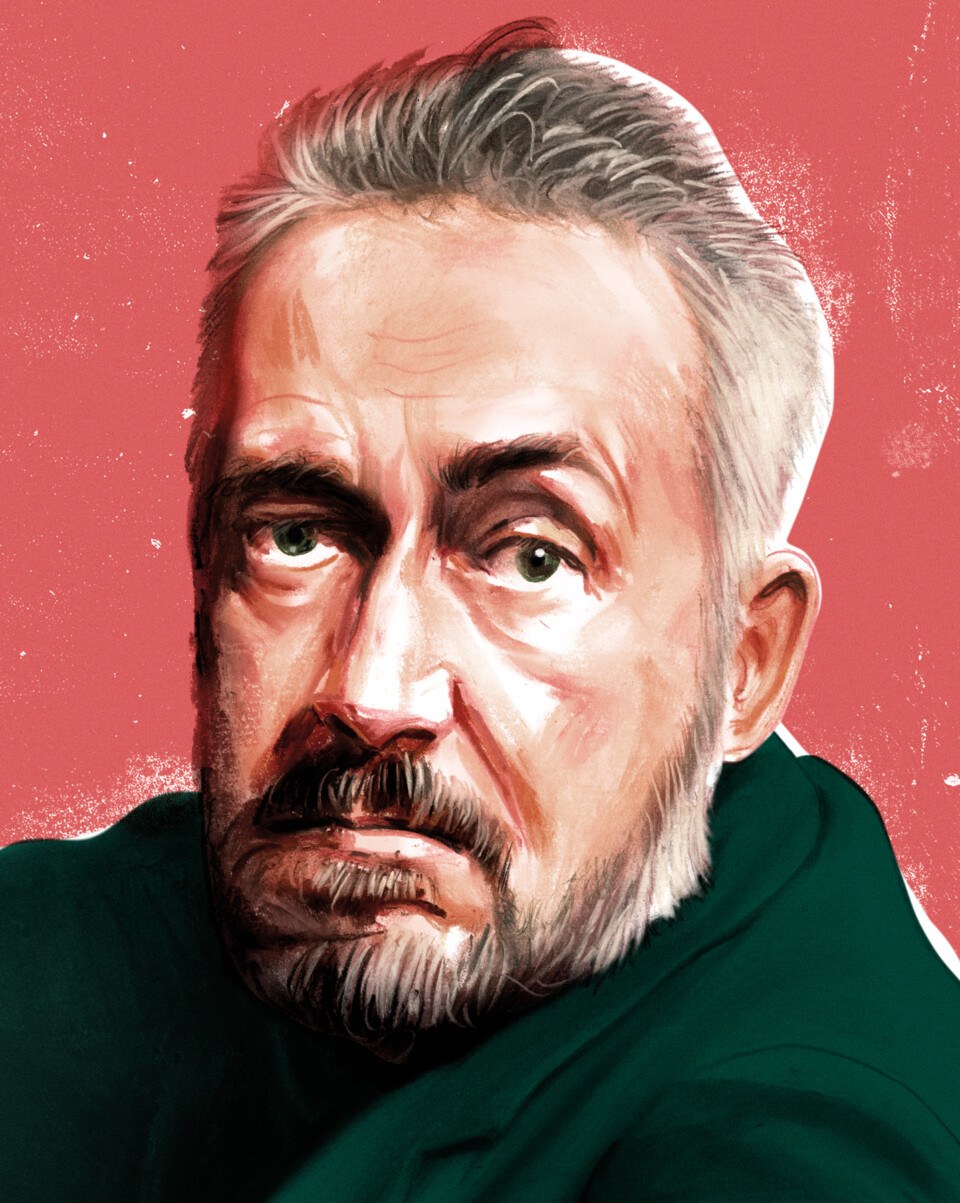
Illustration by Diego Mallo
A New York Times review called Thomas Eakins’s The Gross Clinic (1875) “hands down, the finest 19th-century American painting” but also shocking and peculiar. The assessment is apt for Eakins, the influential Philly painter whose depictions of sinewy athletes and surgical clinics, including the Gross (at Philly’s own Jefferson Medical College), brought stark realism to depictions of human anatomy — thanks partly to his fondness for inappropriate nudity. Eakins disrobed before his art students and faced accusations of sexual misconduct — an early instance of the way we encourage artists to pursue their weirdness to transgress boundaries, then hope they don’t push it too far.
68. The Frankford Arsenal
Photograph via Universal History Archive/Getty Images
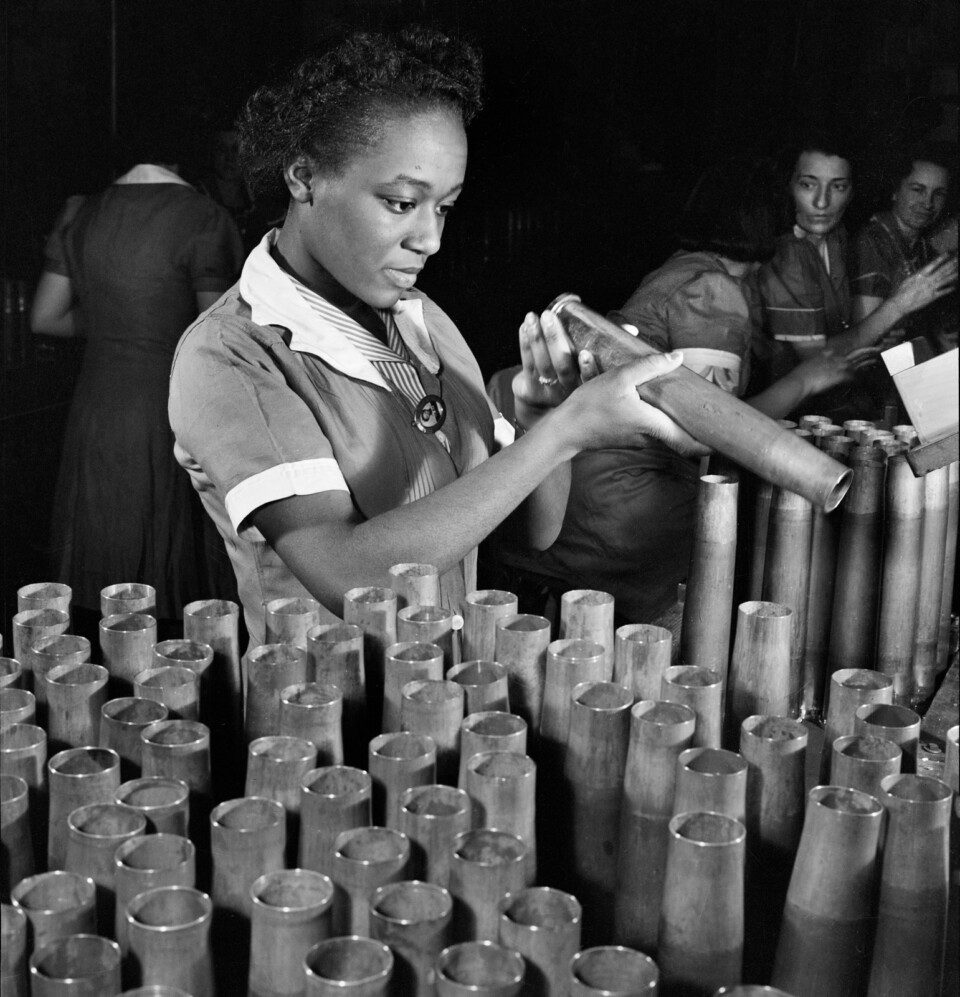
In operation from 1816 to 1977, Bridesburg’s Frankford Arsenal played major roles in arming Union armies during the Civil War and the U.S. armed forces in both world wars. While the arsenal’s munitions operations produced a staggering nine million cartridges a day when it served as the country’s sole ammunition manufacturer during World War II, its enduring legacy is in its research and development between wars. With labs for spectroscopy, automatic cannon technology, and optical physics, plus special rooms that could simulate nearly any weather condition, the arsenal’s impact stretched far beyond the battlefield.
67. Two Stooges
Photograph via Columbia Pictures/Getty Images
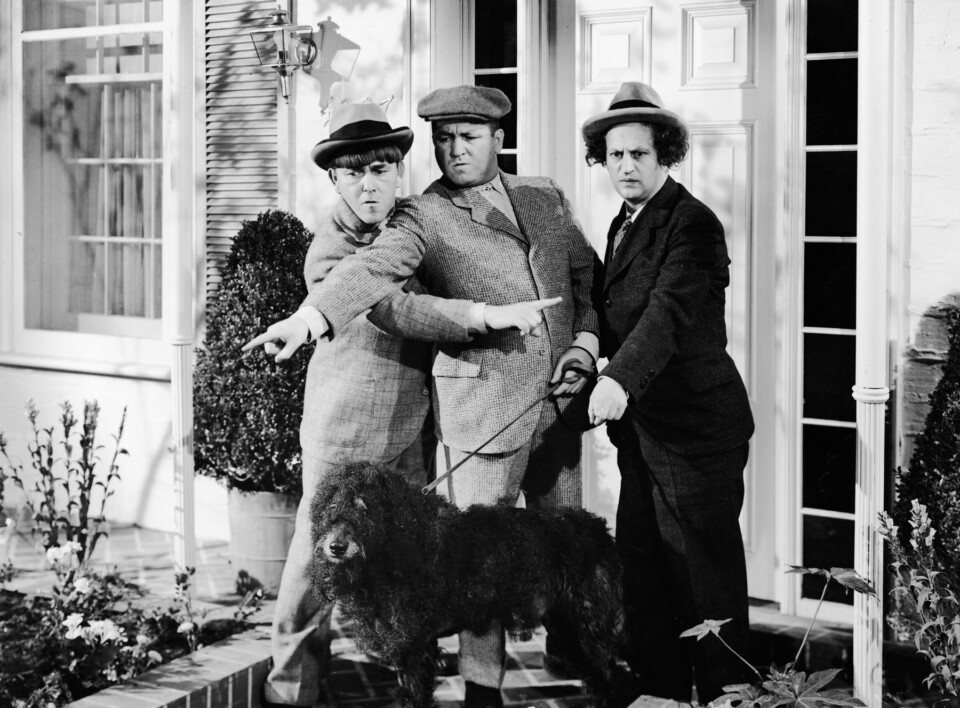
Larry Fine, the “middle stooge” of the Three Stooges, was born at 3rd and South, where a mural now depicts the comedic legend in all his glory — silly haircut included. Here, Fine trained as a violinist and boxer, setting the stage for his patented brand of physical, anarchic humor. Curly-Joe DeRita, the final Stooge added to the revolving mix, also hails from Philadelphia. With comedians like Mel Brooks, Larry David, and Jim Carrey crediting these wise guys for inspiration, it’s safe to say their influence on comedy can soitenly still be felt today.
66. The NFL Draft
Photograph by Laura Swartz
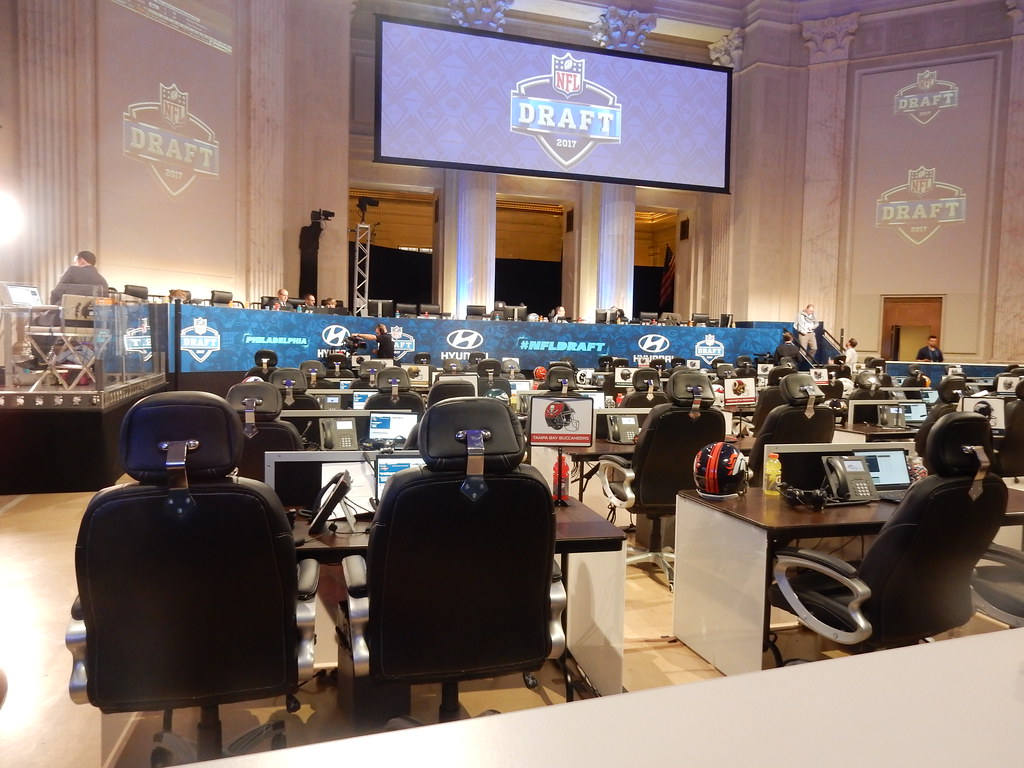
The draft has gifted Philadelphia plenty of legendary football players. But it turns out that Philly gifted the world the NFL draft. Back in 1934, the Eagles had a lousy season, scaring away any talented rookies. Philly-born Eagles owner (and future NFL commissioner) Bert Bell concocted a new system: Give the weakest teams the first advantage at signing the best prospects. The results? A draft system that makes NFL teams’ success much more fluid — and exciting to watch. Bell, a former quarterback for Penn’s Quakers, also can be thanked for creating sudden-death overtime, putting night games on television, implementing the Pro Bowl, and making it illegal for players, coaches, and officials to gamble on games. So while we can (and do) thank Bell for setting the stage that allowed the Birds to nab stars like Lane Johnson and Brandon Graham, we should really also thank him for making pro football what it is today.
65. The New Century Guild: A Haven for the Hungry
Photograph courtesy of Guild House Hotel
As American industry expanded in the late 1800s, women entering the workforce faced a dilemma: Where to eat their lunch? Frequenting public restaurants without the protection of a male companion denoted loose morals — yet the working life was a hungry one.
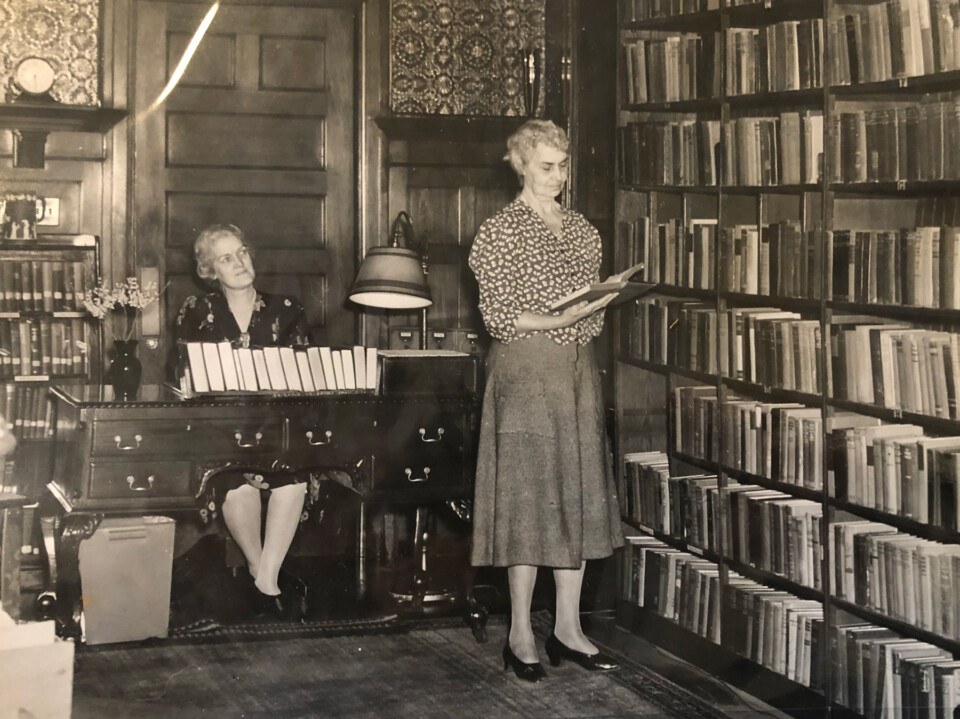
Enter Philly schoolteacher, poet, and author Eliza Sproat Turner, who in 1882 created the New Century Guild to try to solve this and other problems that distaff labor participation brought on. The guild addressed a range of working conditions and offered a gathering place for teachers, secretaries, waitresses, clerks, nurses, and other positions women had started to fill. Just as vitally, it was a safe space for the ladies to gather for meals, share strategies, work for social justice, and pursue their ultimate goal: the right of women to vote.
The movement spread nationwide, and while Turner died in 1903, her home at 1307 Locust Street became the guild’s headquarters (it’s now a National Historic Landmark and boutique hotel), perpetuating her vision for the future of the women’s suffrage movement. Eventually, the guild hall offered a lending library, overnight lodging, classrooms, an auditorium, a commercial kitchen — and, today, a collection of teacups in honor of the guild women who hungered to provide better lives for those who came after them. Though the guild was officially dissolved in the early 2000s, its successor organization, the Gender Justice Fund, is flouting contemporary political currents by working and funding grants on behalf of women, transgender people, the nonbinary and gender nonconforming, LGBTQ individuals, and other victims of oppression.
64. The 2020 Election Count
Photograph by Spencer Platt/Getty Images
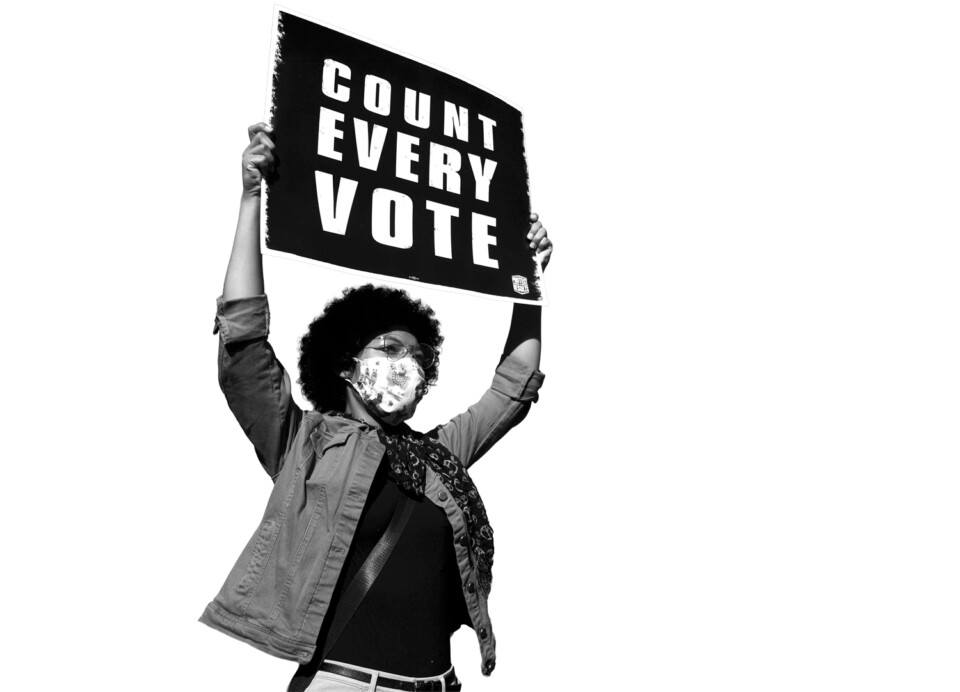
For a handful of days in November of 2020, all eyes were on Philly as the city’s commissioners counted every one of the city’s 358,257 mail-in ballots. For months, then-President Trump, who had a slight lead in the election, had been sowing doubts about the results (“Bad things happen in Philadelphia,” he’d declared). But when the commissioners, led by Republican Al Schmidt, finished and announced to waiting crowds that the city (and thus the state, and thus the election) had gone to Biden, America’s reaction was split: This was much-needed reassurance that electoral integrity still existed, or it was … not. The fissure remains today.
63. Legionnaires’ Disease
Photograph via Wikimedia Commons

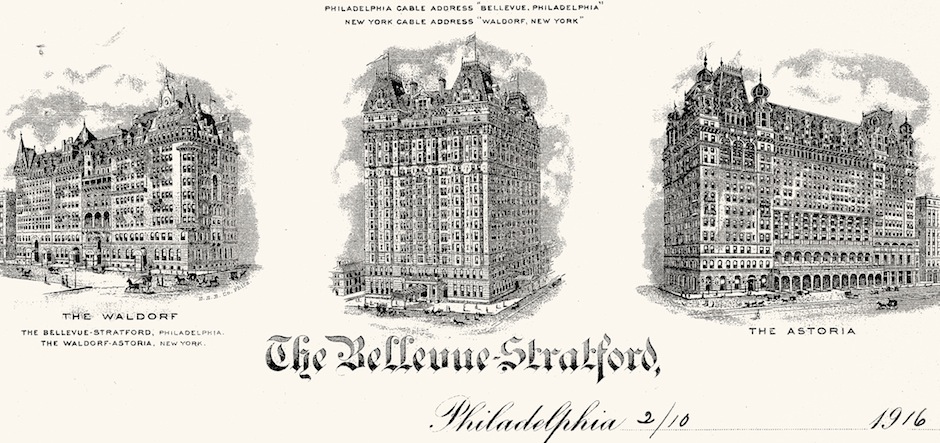
Philly’s Bicentennial summer was marred when attendees at an American Legion convention at the Bellevue-Stratford Hotel in July began falling mysteriously, catastrophically ill when they got home. By the end of August, 34 people were dead and more than 200 sickened. Months later, scientists identified the culprit: a previously unknown bacterium had spread through the Bellevue’s cooling system. They named it Legionella pneumophila — literally, “lung-loving Legion bacterium” — after the Legionnaires it had attacked. The discovery transformed how the world thinks about the safety of large shared environments. Hospitals, hotels, office towers, and the like now monitor cooling towers, plumbing, ventilation, and water systems to prevent outbreaks. (Weird fact: Bob Dylan memorialized the disaster in his moody, obscure song “Legionnaire’s Disease,” which he never recorded but liked to perform during sound checks.)
62. Girl Scout Cookies
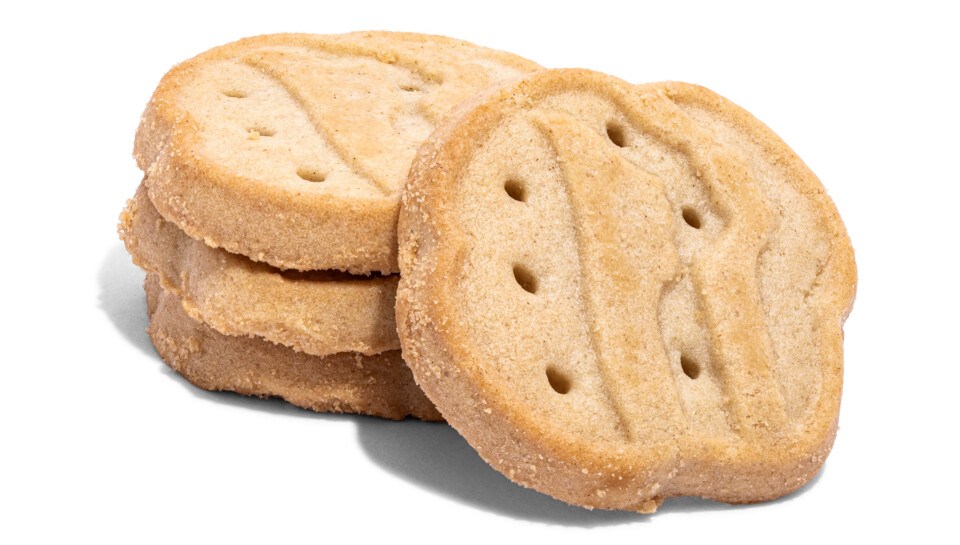
Photograph by Nell Hoving
What began in 1917 when Girl Scouts in Oklahoma started baking cookies at home to fund troop activities became a commercial powerhouse in the 1930s. That’s when the Scouts teamed with Philly’s baking and food-manufacturing experts to produce, package, and distribute cookies at scale — turning a little fundraiser into a national obsession. Today, roughly 200 million boxes are sold annually, generating close to $1 billion a year and blessing us with Thin Mints, Tagalongs, and Caramel deLites conveniently sold at your nearest SEPTA stop.
61. Smith Memorial Playground
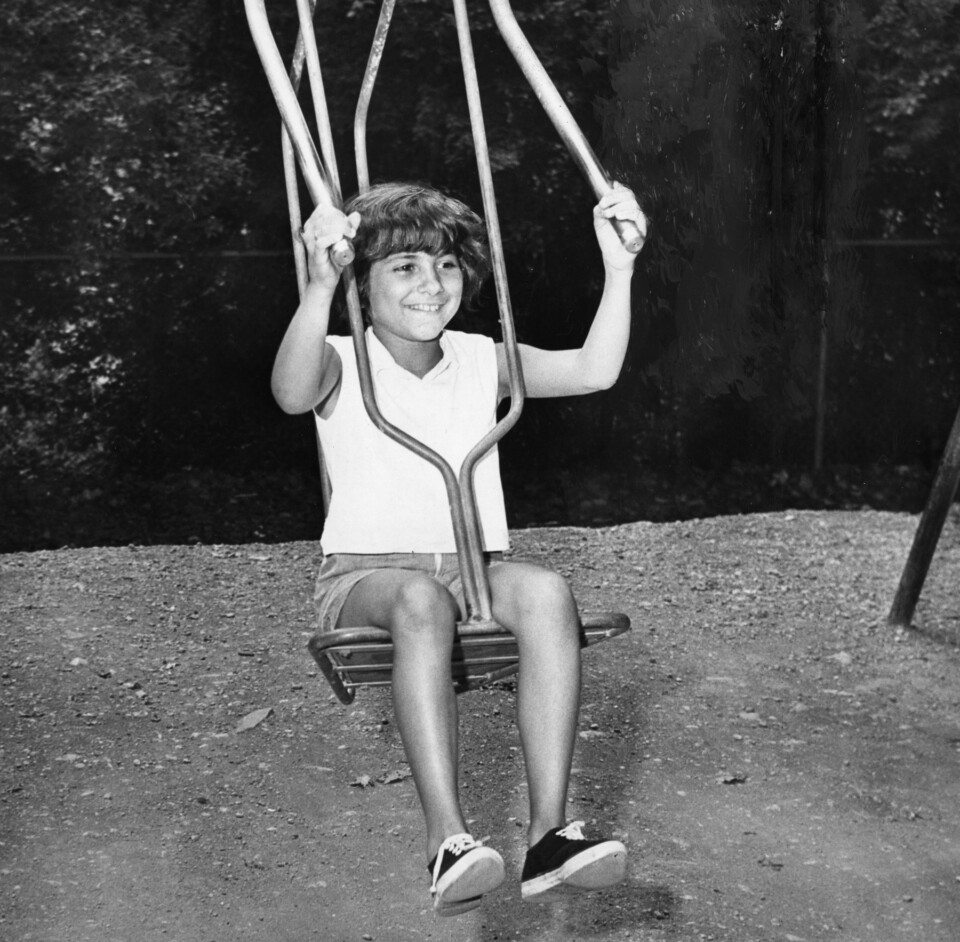
Photograph via Temple University Libraries, Special Collections Research Center
Today, it seems obvious that kids need time to climb, run, imagine, and occasionally fling themselves down a giant wooden slide. In 1899, that thinking was still gaining traction in the playground movement. One of the first playgrounds to open in the America, Smith Memorial Playground became an early champion of the idea that play was essential to healthy childhood development, not merely a way to keep children occupied. The Fairmount Park wonderland remains a joyful, inclusive, free space for Philly kids to learn through play.
60. The Wharton School
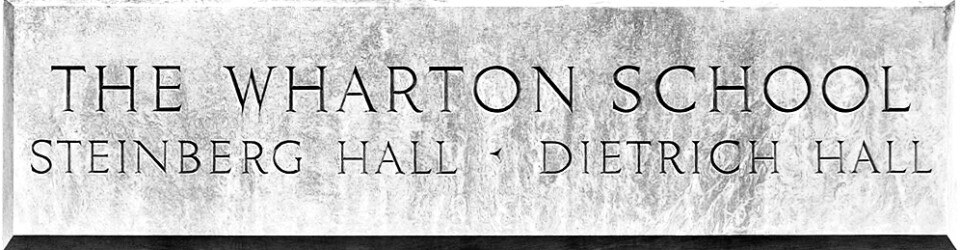
Photograph via Getty Images
In the late 1870s Joseph Wharton had a problem. He was building a colossus called Bethlehem Steel, but as he looked to the future he realized that there simply weren’t enough smart young minds in America who really knew anything about business. How would his company grow? How would the country grow?
He could have just kvetched about all this, but Joe Wharton was no whiner. So he wrote a check for a hundred grand, and within a couple of years, North America’s first business school was born right here at Penn. Wharton himself laid out the mission: to produce graduates who “serve the community skillfully as well as faithfully in offices of trust, or, remaining in private life, may prudently manage their own affairs and aid in maintaining financial morality.”
Okay, safe to say not all Wharton grads have lived up to that lofty standard. But for every rogue and asshat the school has produced (Michael Milken, Elon Musk, Donald Trump, that private equity dude your sister is dating), it’s also educated scores more people (Warren Buffett, Peter Lynch, Brian Roberts) who’ve actually served customers and created jobs and made the economy thrive.
And thrive it has. Income inequality is real, but America’s GDP is now 90 times larger (even when adjusted for inflation) than it was when Wharton got started, which has surely made life easier for the average person. One school certainly doesn’t get credit for all that — there are now 800 B-schools in the U.S. — but Joseph Wharton’s vision has played no small role in producing all that prosperity.
59. Rocky
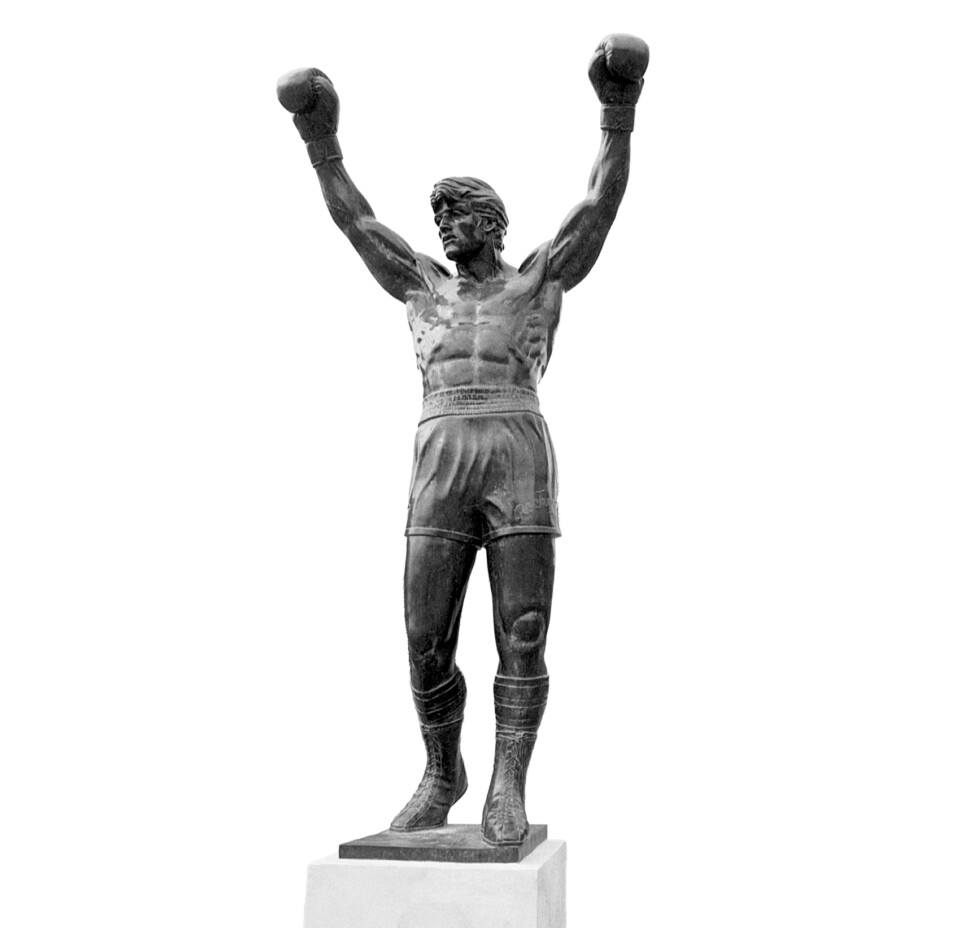
Photograph via Getty Images
We were once known best for a cracked bell. Then Sylvester Stallone had a bright idea and went on to prove that you could write a script about a nobody and turn it into a hit movie for less than $1 million, inspiring many future filmmakers and making Philadelphia much better known for the Art Museum steps and, yes, the cheesesteak. The movie delivered our sandwich to the world and created a new, non-cowboy archetype of American hero.
58. “We Shall Overcome”
Photograph via Getty Images
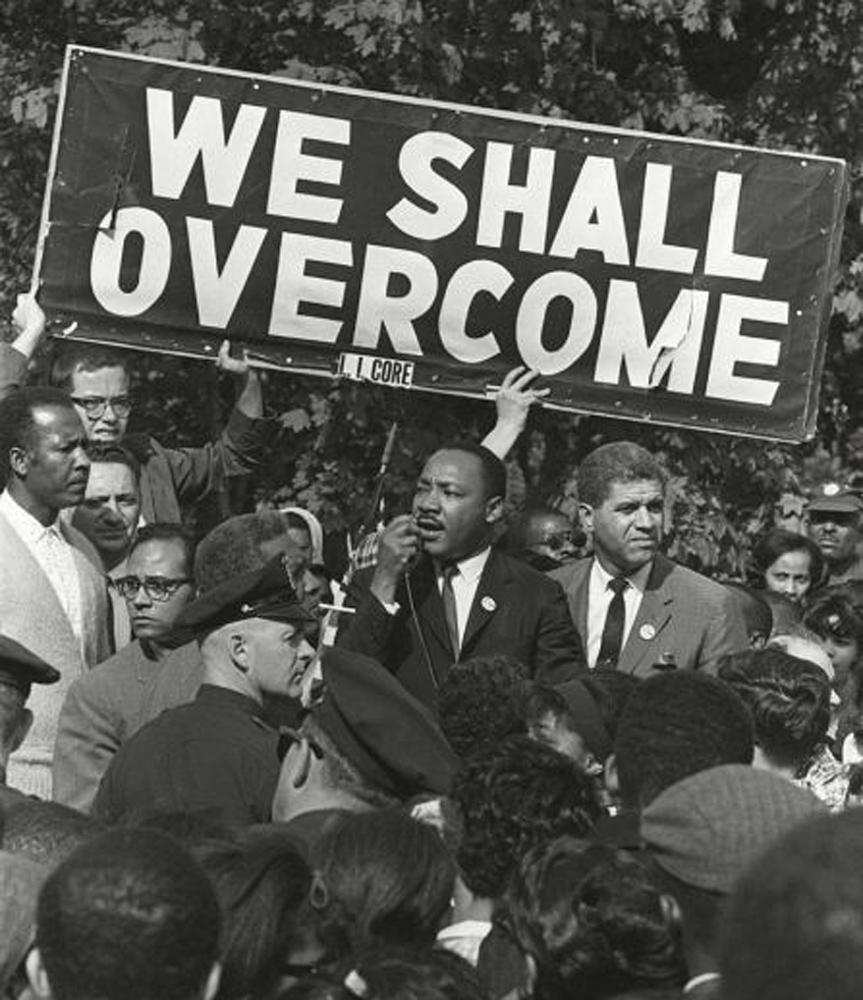
If you’re moved to tears when you hear this anthem sung in churches and at protests, credit the enormous spirit of Charles Albert Tindley (1851–1933), the South Philly Methodist minister and gospel-music composer whose 1901 hymn “I’ll Overcome Someday” laid the foundation for the version now universally recognized as the musical bridge between the civil rights and anti-war movements. (At the historic March on Washington in 1963, Joan Baez led the crowd in the song prior to Martin Luther King Jr.’s “I Have a Dream” speech.) Tindley’s remarkable body of spirituals, still sung in worship today, gave voice to the struggle, endurance, and hope of exhausted workers, grieving mothers, migrants, believers, doubters, and anybody just trying to make it through another hard day.
57. Six Years of Edgar Allan Poe
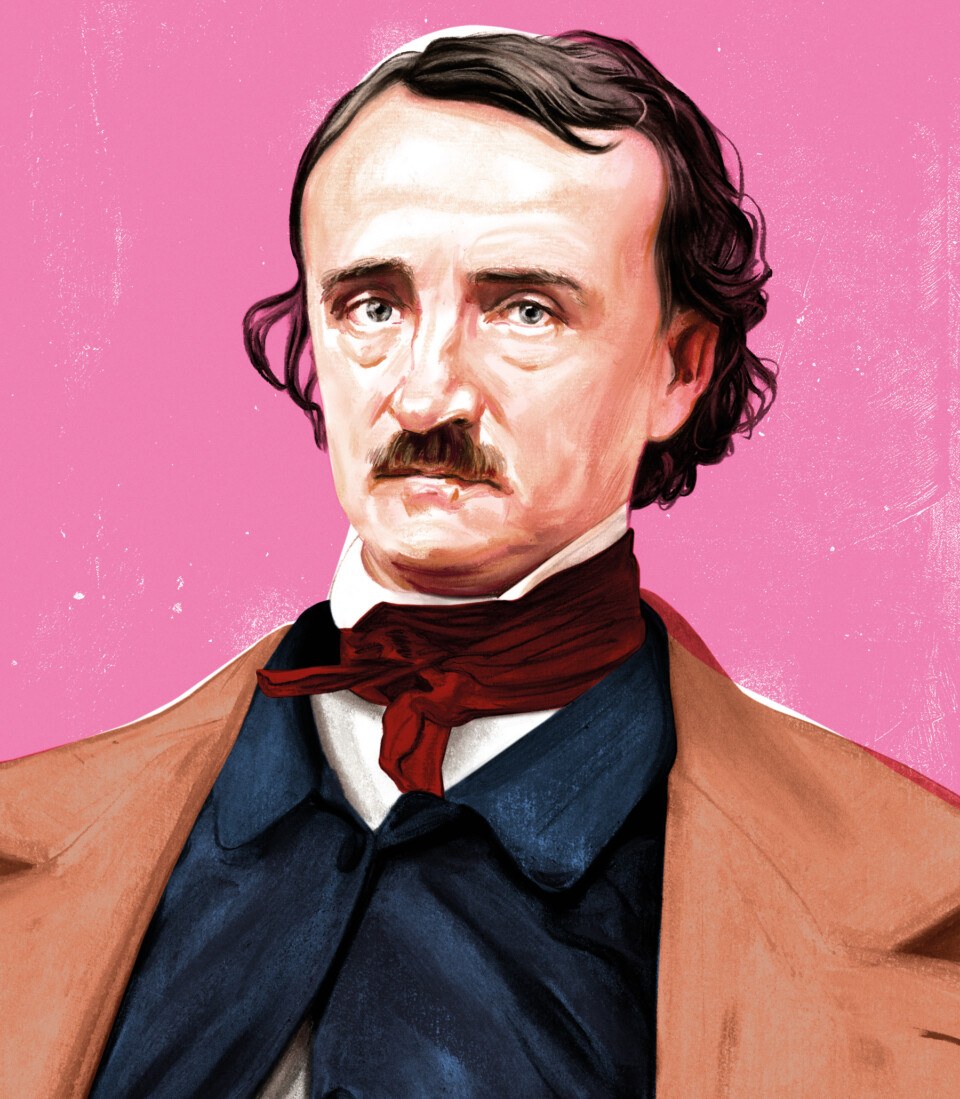
Illustration by Diego Mallo
Boston (where Poe was born) and Baltimore (where he died) squabble over who gets bragging rights to his legacy. But Philly has a strong claim on his most explosive creative years. While he was living here from 1838 to 1844, Poe produced works that helped invent entire genres. The Murders in the Rue Morgue essentially launched modern detective fiction, giving the world the brilliant sleuth later echoed in Sherlock Holmes, Hercule Poirot, Batman, and basically every prestige crime procedural you’ve ever binged. His tales of psychological dread and unreliable narrators helped lay the groundwork for horror literature, horror films, thrillers, and the deliciously disturbed idea that the real monster might be the human mind. Philly also seeped directly into the work: The Tell-Tale Heart may draw on a local insanity-plea murder trial, The Black Cat echoes the cellar of Poe’s still-standing Spring Garden Street home, and that murderous orangutan in Rue Morgue? Likely inspired by a live ape exhibition at 7th and Chestnut. Not bad for six years in Philadelphia.
56. The House Made of Love
“This is Philly. We’re a city of neighborhoods. You don’t want an anonymous building! You want a house, where people can laugh and cry together!”
That’s what Philadelphia Eagles executive Jim Murray told CHOP oncologist Audrey Evans back in 1974 (they’d met through a mutual acquaintance) when Evans shared her dream of opening a simple lodging space for parents of hospitalized children. To Evans, caring for sick kids meant also caring for the stressed-out families who loved them.
Together, Murray and Evans co-founded the first-ever Ronald McDonald House (sponsored by both the Eagles — go, Birds! — and the eponymous burger chain): a small converted West Philadelphia rowhome where exhausted parents could rest, shower, eat, and recharge in comfort, instead of sleeping in their cars, eating from vending machines, and camping out in waiting rooms.
That single Philly-style expression of kindness has since grown into Ronald McDonald House Charities, a nonprofit operating more than 380 houses across 60-plus countries and regions, providing more than 2.8 million overnight stays annually — which translates into tens of millions of families served. It also inspired the creation of Fisher House, a 100-facility network of hospitality lodging for families of veterans receiving medical care, as well as houses for transplant patients and their families.
And to think it all started here, in a little rowhouse that Murray described, perfectly, as “love with a roof on it.”
55. The Ice Cream Crank
Photograph by Nell Hoving
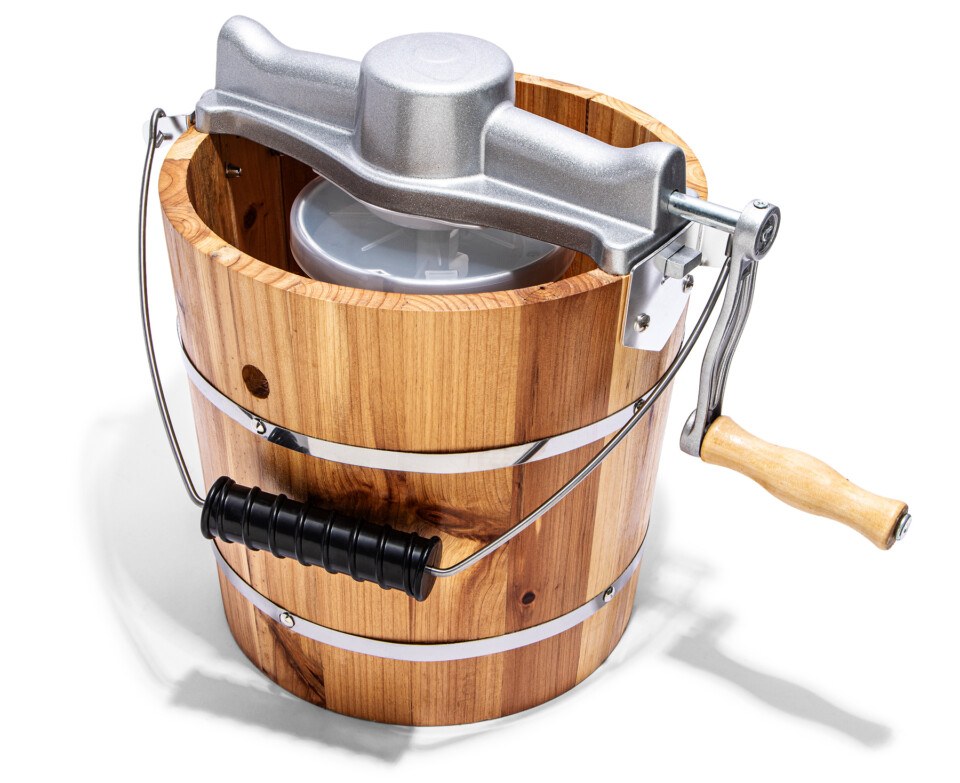
In 1843, Philly inventor Nancy Johnson blessed us with a hand-cranked ice cream maker. Its perforated S-shaped paddles made whipping up a batch far easier than the old method of stirring the mixture by hand — a slow, uneven, arm-numbing process that often produced icy lumps instead of a smooth dessert. Without Johnson, there would be no mass production of ice cream — and no Bassett’s, Ben & Jerry’s, Baskin-Robbins, Breyers, or the rest of an industry that now generates more revenue than the entire GDP of Luxembourg.
54. The Warminster Centrifuge
Photograph via Science History Images/Alamy Stock Photo
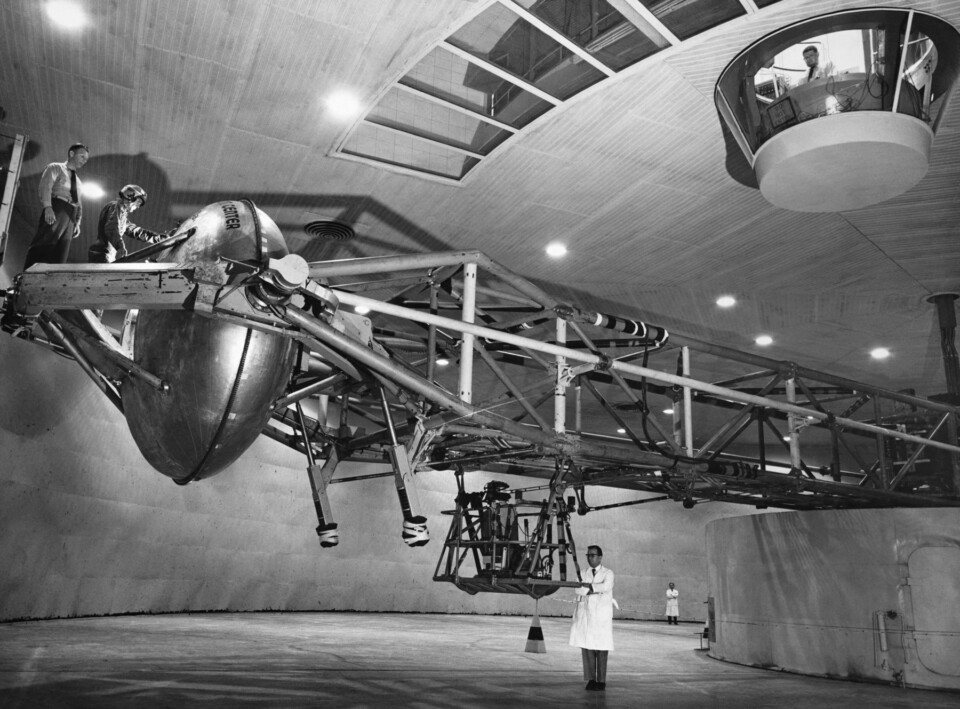
Before America reached the moon, astronauts came to Bucks County to get spun half senseless. Hidden inside the Naval Air Development Center’s sprawling research complex in Warminster, the Johnsville Centrifuge — the largest and most powerful human centrifuge on Earth — tested the brutal physical limits of human flight. This 180-ton machine, with a 50-foot arm that could whip riders to 175 miles per hour and generate up to 40 g of force, simulated the violent acceleration of rocket launches and reentry.
Neil Armstrong, John Glenn, Buzz Aldrin, and other Mercury, Gemini, and Apollo astronauts trained there, learning how to function under forces strong enough to cause blackout or death. Aside from being an astronaut-torture device (we kid!), the centrifuge was a dynamic flight simulator and research laboratory, producing critical data about human endurance, cockpit design, and the physiological realities of space travel. Its legacy lives on in every modern high-performance flight and space program.
53. Levittown and the Making of Suburbia
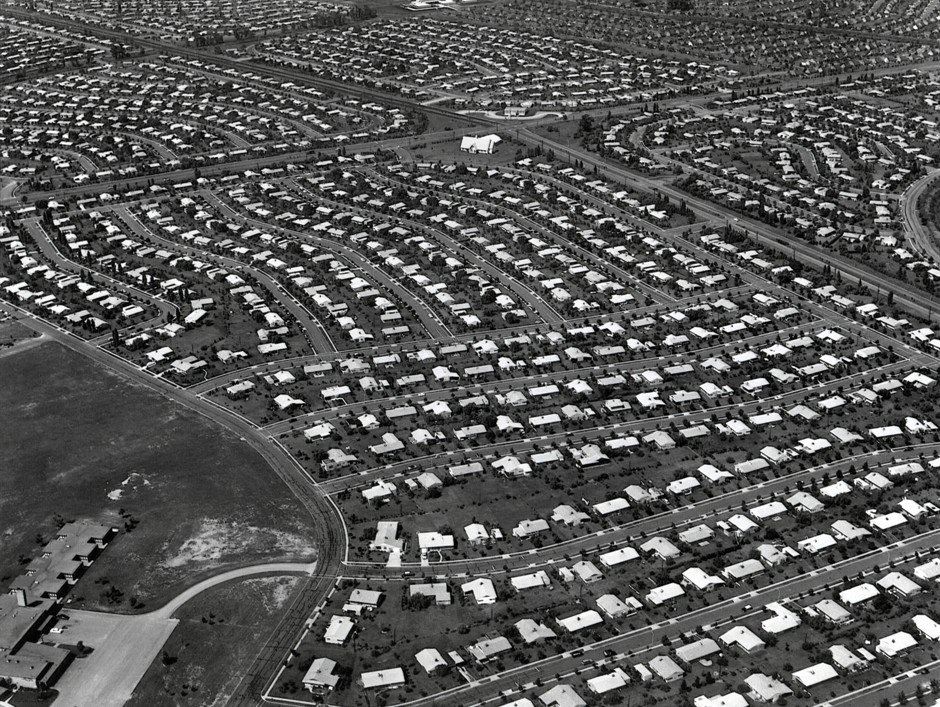
In the 1940s, 16 million soldiers returned from Europe and the Pacific dreaming of quiet, middle-class lives. But they confronted a hiccup: The American housing market, which had all but ground to a halt during the Great Depression and subsequent war effort, was ill-equipped for a baby boom.
Enter William Levitt, who cracked the code on mass-producing starter homes. Also known as “the Henry Ford of housing,” Levitt, a New York real estate mogul, pioneered methods of vertical integration in order to construct up to 40 homes in a single day — most of which stood at less than 1,000 square feet and sold for around $7,000 — in “Levittowns,” planned suburban commuter communities that came to redefine the American dream, both for better and for worse.
Opening in 1952, the second Levittown, in Bucks County (the first was in New York), best encapsulated this duality. When the first Black family moved to the Bucks development in 1957, the once-homogeneous community of 17,000 white famlies exploded, with violence erupting and crosses left burning. Our Levittown, for many Americans, came to symbolize both redlining and racism more than hope. (The town’s population, it should be noted, is far more diverse today than it was in 1957.)
52. Live Aid
Photograph via Getty Images
Yes, Woodstock was a magical, world-changing event in American history. But that was 1969, and millions were united against the Vietnam War, capitalism, and the establishment. Given the “come together” spirit in the air, Woodstock made perfect sense for its time.
Conversely, the 1980s were the Decade of Greed. The era of Gordon Gekko. The “me” moment.
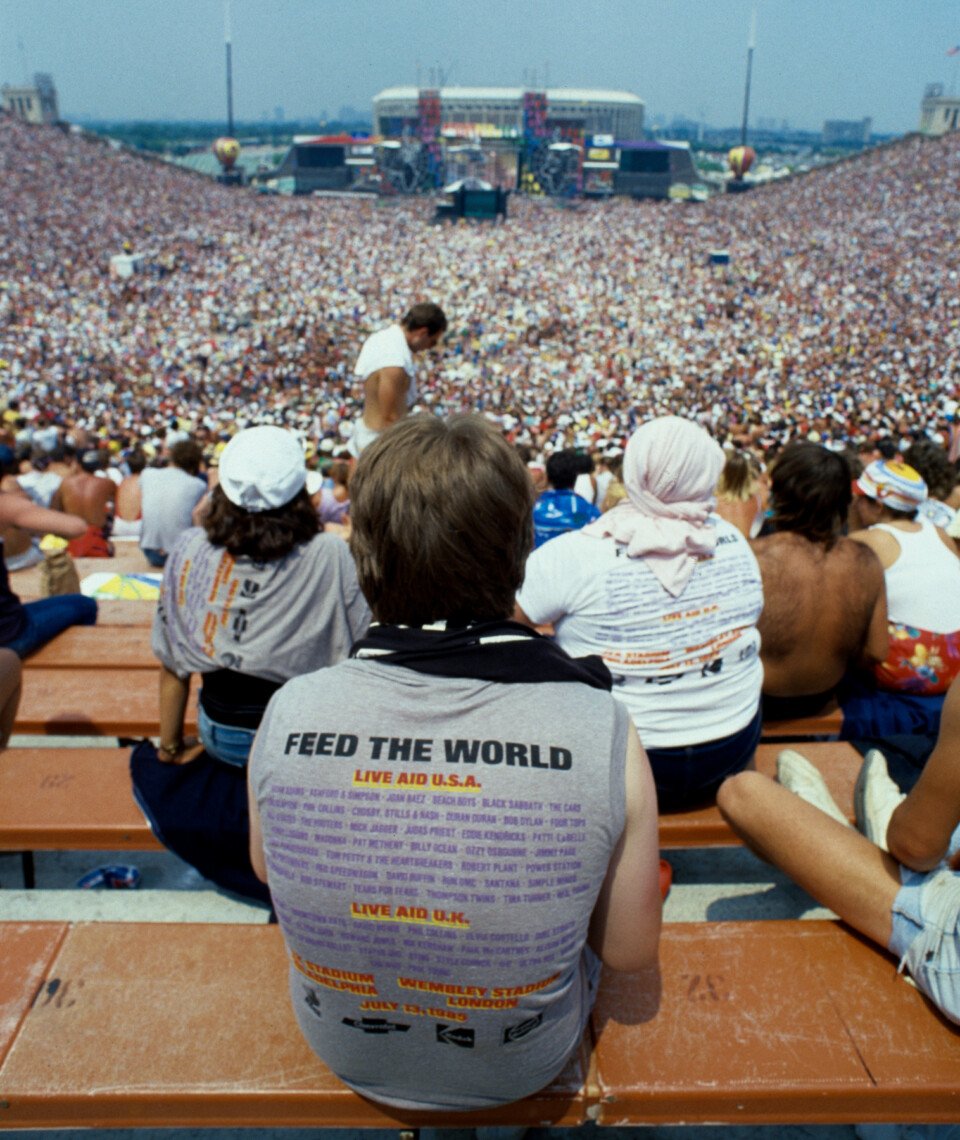
And yet, for one day in 1985 at Philly’s J.F.K Stadium and London’s Wembley Stadium, 161,500 people gathered as some of the world’s biggest performers — Led Zeppelin, Madonna, Mick Jagger and Tina Turner, to name a few — joined forces to raise money for famine victims in Africa, proving that music could mobilize massive humanitarian action. The tally? An estimated $125 million. Yes, much of that money wound up in the wrong hands, despite organizer Bob Geldof’s best intentions. But Live Aid showed us what was possible.
51. Halderman v. Pennhurst
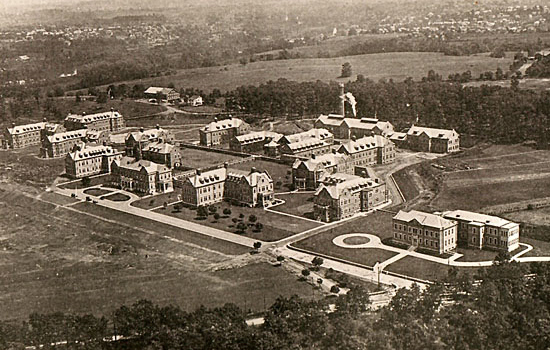
In 1966, 12-year-old Terri Lee Halderman was admitted to Pennhurst State School and Hospital, a 1,200-resident facility north of Phoenixville. Severely intellectually disabled — she knew just five words upon entry — Terri Lee began appearing for visits with her family covered in inexplicable injuries: missing teeth, fractured fingers, cuts, scratches, bites. In her 11 years at Pennhurst her medical records detailed more than 40 injuries.
Those injuries became the driving force behind Halderman v. Pennhurst State School and Hospital, a 1974 class action suit with profound consequences for disabled Americans. The suit revealed horrific conditions at Pennhurst and eventually spent more than a decade winding its way through the federal court system, resulting in three U.S. Supreme Court hearings.
The result was the closure of Pennhurst — a victory, to be sure, but just a part of the case’s overall impact. Halderman was a driving force behind America’s deinstitutionalization movement (closing state-run psychiatric facilities and other institutions for the intellectually disabled). And the 1977 U.S. District Court ruling retains a vital place in U.S. disability history with the finding that Pennhurst’s treatment of residents violated both the Eighth and 14th amendments.
50. The Sullivan Principles
Photograph via Temple University Libraries, Special Collections Research Center
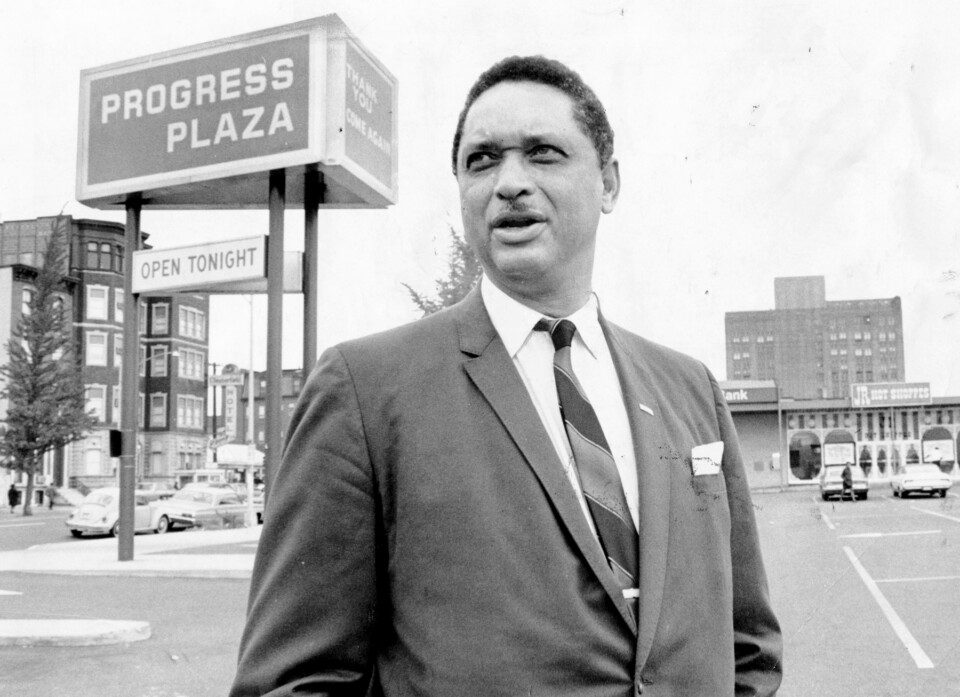
In 1977, civil rights champion Leon Sullivan — the six-foot-five pastor of Nicetown’s Zion Baptist Church known as “The Lion of Zion” for both his towering presence and his fierce protection of justice — introduced the Sullivan Principles, a set of directives urging American companies to put their moral values ahead of profit in then-apartheid South Africa. As a board member of General Motors, at that time the largest employer of Black people in the country, he saw potential for companies to take a stand against discriminatory practices in South Africa and push for an end to apartheid.
But what began as a set of equal-employment guidelines soon grew into a powerful act of economic conscience. More than 100 of the 125 U.S. companies that adopted the principles — including GM and IBM — ultimately shut down their South African operations, sending a clear message that racial injustice carried a cost the world would no longer ignore. Expanded in 1999 into the Global Sullivan Principles with the help of then–United Nations Secretary-General Kofi Annan, the movement helped inspire a new belief that corporations should serve not only shareholders but humanity itself — advancing human rights, dignity, and justice around the world.
49. The Curtis Institute of Music
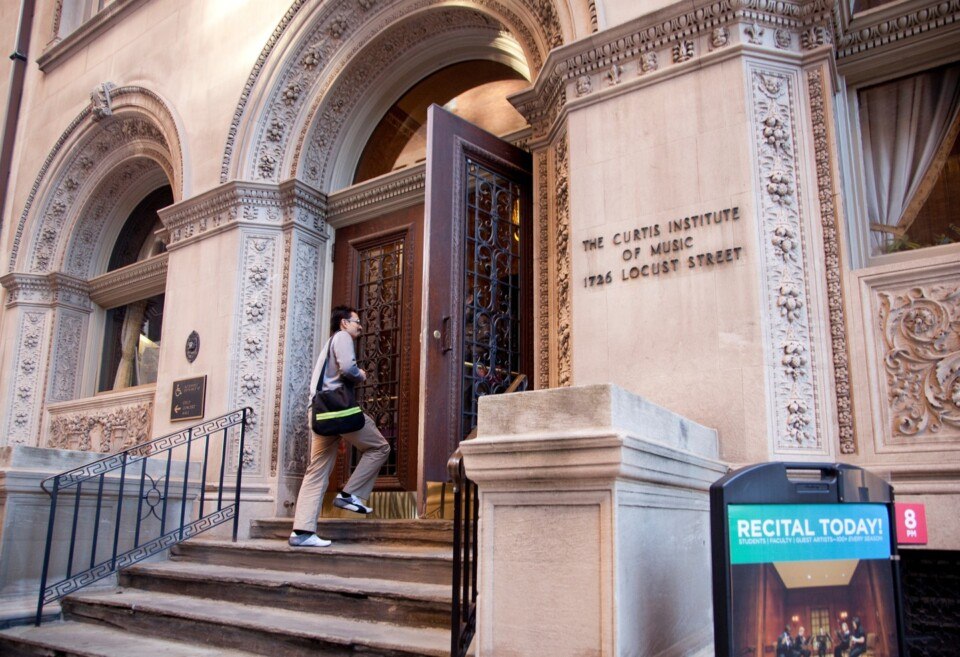
Photograph by M. Fischetti for Visit Philly
When Mary Louise Curtis Bok (yes, of those Curtises — see #10 — and those Boks) opened her private conservatory in 1924 with the mission of educating students using, in her words, “artist teachers who represent the highest and finest in their art,” tuition was $500. But since 1928, it’s been free — if you are talented enough to get in. Few are. (The acceptance rate is around three percent. Take that, nine-percent Juilliard!) The school has produced and continues to produce the best of the best of the classical music world: Leonard Bernstein, Yuja Wang, Hilary Hahn, Samuel Barber, Eric Owens — the list goes on. Superstar pianist Wang, who returns later this year in a permanent mentorship role, has called Curtis “the cradle of so many dreams.”
48. The Hat That Won the West
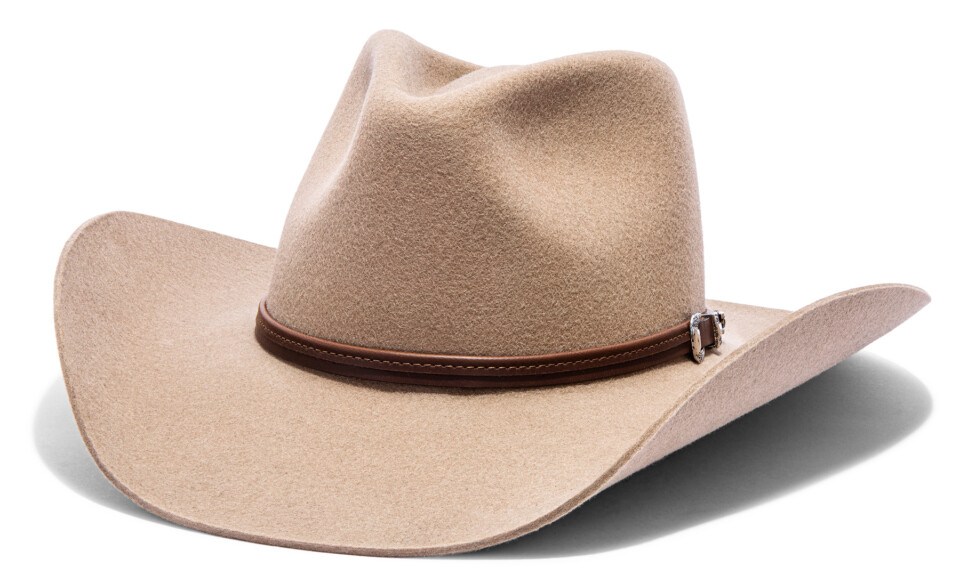
Photograph by Nell Hoving
When John B. Stetson opened his one-room workshop at 7th and Callowhill in 1865, he could never have imagined that his Stetson hats would become the defining look of the American West and its beloved archetype: the cowboy. Within 10 years, he moved his brand to a nine-acre campus on the outskirts of Kensington, employed 5,000 workers, and produced more than three million hats a year. While the company is now based outside Dallas, its roots are undeniably Philadelphian. Cowboys fans forced to grudgingly give Philadelphia credit for something? We love it.
47. John Coltrane and his Jazz
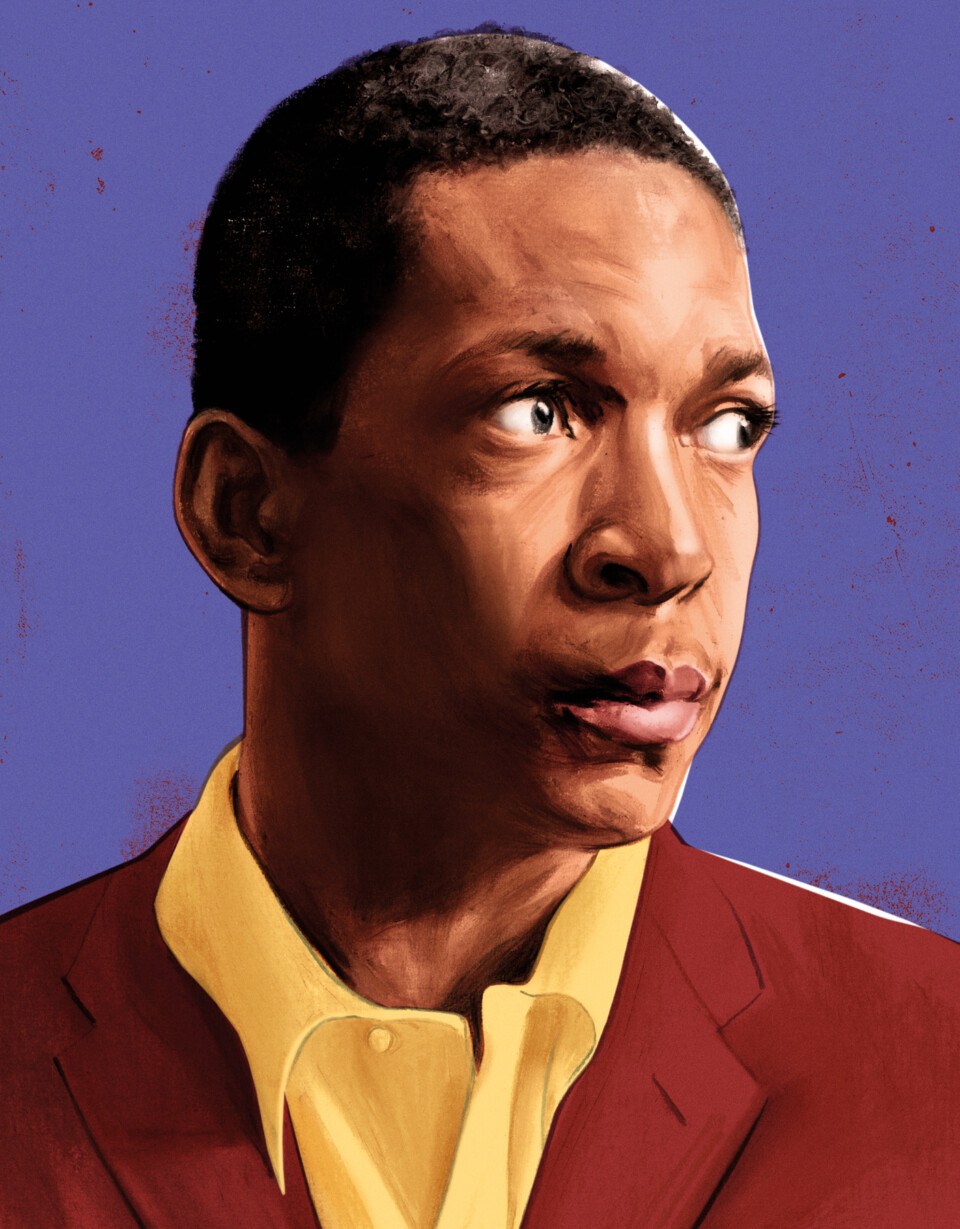
Illustration by Diego Mallo
Jazz titan John Coltrane came to Philadelphia when he was just 17, at a time when the city was pulsing with a new sound called bebop. Coltrane first heard Charlie “Bird” Parker play at the Academy of Music in 1945, and was so entranced that he and his friend Benny Golson, also a teenager, waited to speak with Parker after the show, and then followed him to the Downbeat Club near 11th and Market for more. A seeker by nature, Coltrane was fascinated even in these early years by innovation and artistic daring, and an evolving Philadelphia became the perfect incubator for his groundbreaking creativity.
Gerald Veasley, a Philadelphia bassist, composer, and educator, sees many ways in which Philadelphia and Coltrane resonate. “Coltrane became a symbol for what it looks like to have a restless creative spirit, someone who had tremendous determination and focus and drive, who was also on a spiritual quest and in many senses was an overcomer,” Veasley says. “I think that’s why he’s an important figure for Philadelphia: He changed the course and the sound of jazz, not just for the saxophone but beyond.”
That notion — the artist as seeker — is central to Coltrane’s legacy and is familiar, says Veasley, to any artist grappling with self-expression. “I think we all have that in common, that deeper search for meaning,” Veasley says. “His vehicle just happened to be the saxophone and the music that he wrote. And, of course, he did a lot of his formative work right there on North 33rd Street, which is now called John Coltrane Way.”
In Coltrane’s early recordings, you can hear traces of the Black church alongside the bebop influence. But over time, his music became increasingly experimental, moving away from familiar melodies and traditional song structures toward improvisation and spiritual expression. Even at the height of his popularity, he was willing to leave audiences behind in pursuit of authenticity.
“That’s pretty remarkable,” Veasley says. “Once an artist becomes popular, most people hold on to that. But he wasn’t so concerned about popularity because in the end he was looking for truth.”
This year, Philadelphia organizations are celebrating the centennial of Coltrane’s birth with concerts, exhibitions, and educational programs led by Veasley’s Jazz Philadelphia, Ars Nova Workshop, Creative PHL, and WRTI.
This year also marks the 60th anniversary of Coltrane’s final live recording, captured by WRTI at Temple University in 1965. By then, Coltrane was reaching for sounds that still challenge listeners today. And perhaps that’s why Philadelphia continues to claim him so fiercely: This city knows a little something about bucking convention. Coltrane’s music still sounds like an artist — and a city — searching for freedom.
46. Monopoly
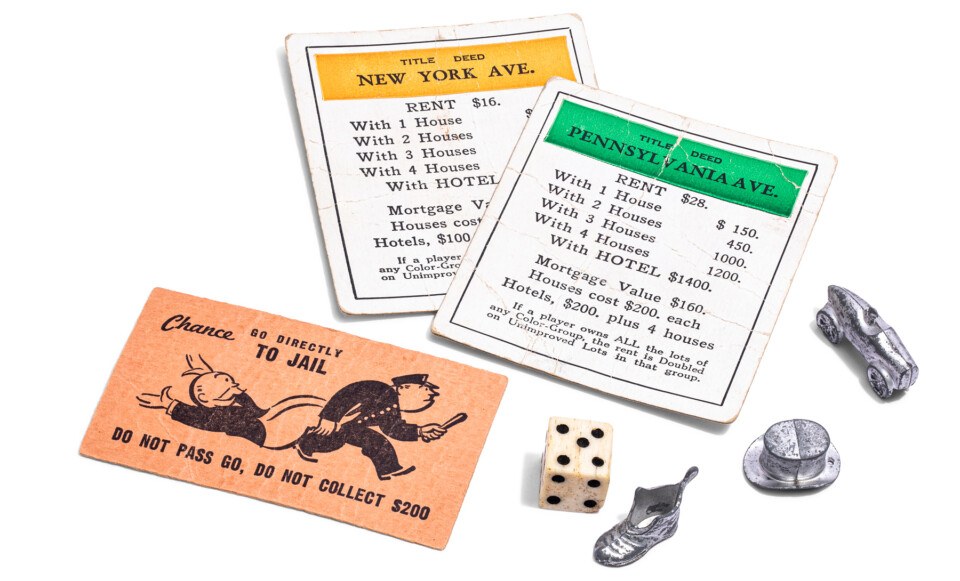
Photograph by Nell Hoving
The story behind the world’s most delightful capitalist training tool begins, aptly enough, with theft. Feminist and progressive Lizzie Magie designed “The Landlord’s Game” in the early 1900s to warn of the dangers of private consolidation of real estate. After playing the game at a dinner party, Charles Darrow, a former heater salesman from Germantown, made a few changes and sold it to Parker Brothers in 1935. Now, children everywhere learn the streets of Atlantic City, the joys of crushing your enemies through property acquisition, and that sometimes being in the wrong place at the wrong time will lead you directly to jail (unless you’re lucky enough to score a pass and beat the system).
45. The Beeps Heard Round the World
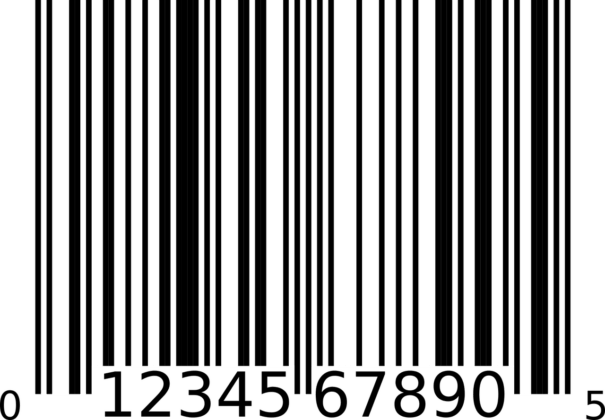
In 1952, Drexel grads Norman Joseph Woodland and Bernard Silver came up with the barcode after surmising that they could adapt the dots and dashes of Morse code to create a readable tracking system, a concept they sketched out by drawing lines in the sand of a Florida beach. “I just extended the dots and dashes downwards and made narrow lines and wide lines out of them,” Woodland later recalled. Their invention now runs the modern world, speeding up checkout lines, tracking our Amazon packages and airport luggage, managing hospital meds, and organizing global commerce 10 bazillion times a day. That’s a lot of beeps.
44. The Steadicam
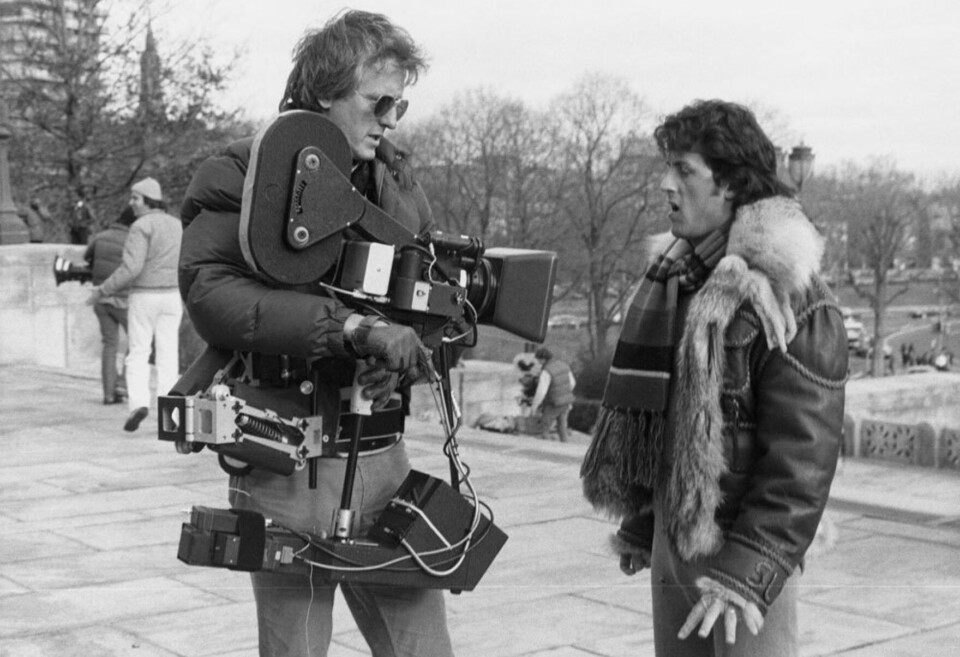
Photograph courtesy of Garrett Brown
Remember the iconic scene in Rocky where the camera follows our favorite fictional boxer up the steps in a steady, fluid shot? Of course you do. A shot like that was impossible without extensive and expensive and laborious crane and dolly setups — until Philadelphian Garrett Brown concocted this device in the mid-’70s, allowing a single person to carry a camera. When Rocky ran up the steps, Brown was right there running behind him. Word got out, and soon moviemakers like Stanley Kubrick and George Lucas couldn’t wait to get Brown on the phone.
43. The Birth of the Modern NBA
Longtime Temple coach Harry Litwack once said, “Eddie Gottlieb was about as important to the game of basketball as the basketball.” Leave it to a Philadelphian to speak in hyperbole — but he’s not too far off. As a coach, owner, and executive, the South Philadelphia High grad spearheaded the creation of the National Basketball Association in 1949, expanded the league westward when he sold his Philadelphia Warriors (prompting the team’s move in 1962 to San Francisco), and led the league’s rules committee for 25 years — actions that spread the game across the globe.
42. Grace Kelly, the American Princess
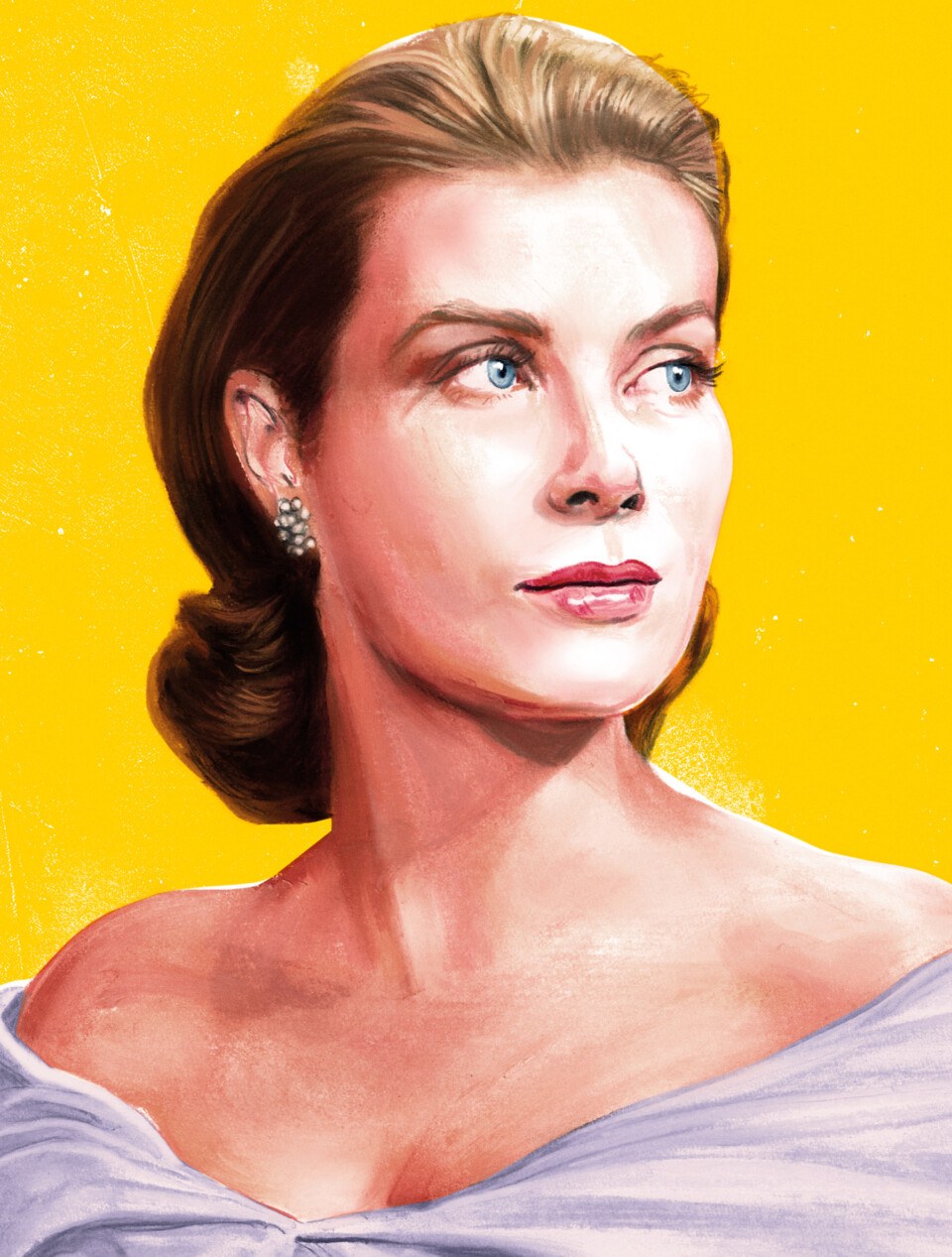
She wasn’t the first — or the last — American woman to find her literal prince and throw a royal wedding for the ages. But none of the others were also Hollywood royalty the way Grace Kelly, princess of Monaco, was. Hitchcock’s muse (and Hermes’s too), Kelly acted for only seven years, but in that time, the cool blonde beauty from East Falls (East Falls! She was one of us!) managed to win an Academy Award and make some of the most memorable films in American cinema.
41. The Perforated Toilet Paper Roll
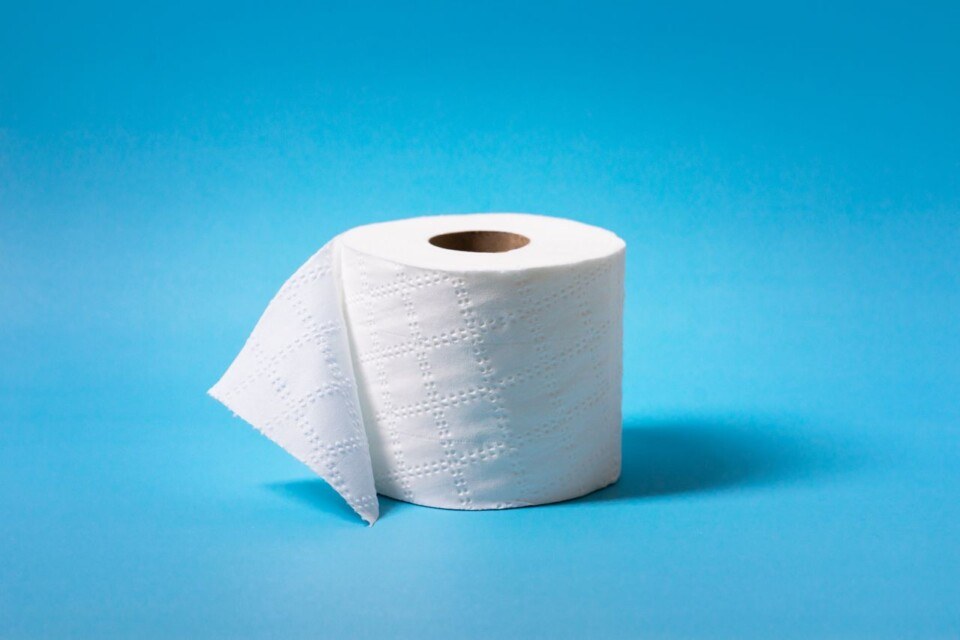
Photograph by Sadi Hockmuller
Appreciate that your private time on the throne doesn’t have to be so … medieval? You can thank Philadelphia brothers E. Irvin and Clarence Scott of the Scott Paper Company for creating the household staple in 1879. And yes, it’s the very same Scott you still see on the shelves some 147 years later.
40. The General Strike Of 1835

Quick show of hands: Who here is in favor of a standard workday that extends from sunup to sundown — yep, a 15-hour shift in summer — and pays a whopping 65 cents … per day?
Thought so. And yet that was the reality facing many workers when, in the spring of 1835, members of the newly formed General Trades’ Union of the City and County of Philadelphia took to the streets to lobby for better working conditions. There had been similar uprisings in other cities, but none took hold like this one did. Over the course of the next few weeks, some 20,000 Philly workers joined members of the GTU in what’s now recognized as North America’s first general strike.
The action got attention — and results. Not only were shifts quickly shortened to 10 hours a day for most laborers, but the general strike became a go-to tactic for the labor movement, leading to even bigger advances over the next century.
39. Reporting the Truth
Philadelphia’s truth-telling tradition begins, inevitably, with Benjamin Franklin and Thomas Paine — patron saints not just of journalism, but of dissent itself. They established something enduring here: a civic culture in which the quill, the typewriter, the camera, and the computer have all served the same purpose for over two and a half centuries—speaking inconvenient truth to power. Trace their lineage forward and you begin to see how diminished American journalism would be without Philadelphia’s radical, free-thinking strain.
The city produced I.F. Stone, born in Philadelphia and raised in Haddonfield, who built a one-man empire of skepticism that took on McCarthyism through his wildly influential I.F. Stone’s Weekly, essentially a deeply reported blog decades before the internet even existed. Then there was Dorothy Thompson, a Public Ledger correspondent and the first journalist expelled from Nazi Germany, who dismissed Hitler as “the very prototype of the little man.” From East Oak Lane came Noam Chomsky, relentless critic of state and media power. (And, counterintuitively, Jeffrey Epstein pal.) Martha Gellhorn emerged from Bryn Mawr, a bad-ass war correspondent and forcible voice for human rights, the only woman Hemingway could not control.
The roll call continues: W.E.B. Du Bois, author of The Philadelphia Negro (see #5); Paul Robeson in his final years; the pugilistic working-class scribe Pete Dexter in the ’80s; Chuck Stone, a celebrated Philadelphia Daily News columnist who was so trusted by the public that wanted men would surrender to him rather than to police, and he would escort them safely to headquarters during a time when the Philadelphia Police Department under Frank Rizzo was widely accused of brutality against criminal suspects.
What united them and so many others was a distinctly Philadelphia sensibility: public storytelling not as detached stenography, but as moral witness — combative, skeptical, unafraid of giving offense, and willing to put their names and careers on the line.
38. The Victrola
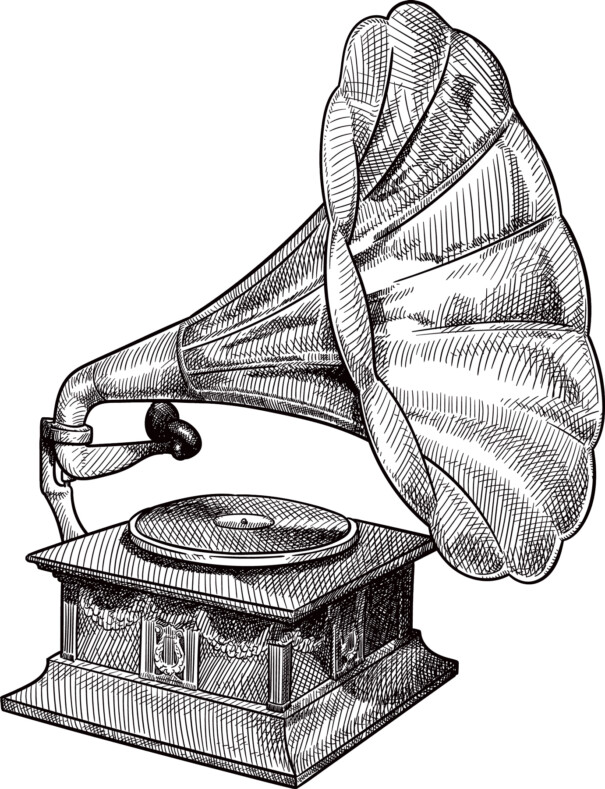
Image via Getty Images
Thomas Edison famously invented the phonograph in 1877, and then Alexander Graham Bell improved on it, but it was two men in Camden who devised the precursors of what we think of today as a record and the machine required to play it. They founded the Victor Talking Machine Company in 1901, and their immensely popular Victrola brand of devices brought recorded sound to the masses for the first time ever (and basically laid the foundations of the modern music industry). “If you have never heard the Victrola,” raved an ad in the Los Angeles Times in 1909, “you have never heard the talking machine in its highest perfection.” The price? $200 (which equates to about $7,300 today).
37. Animal Shelters
Photograph via Getty Images
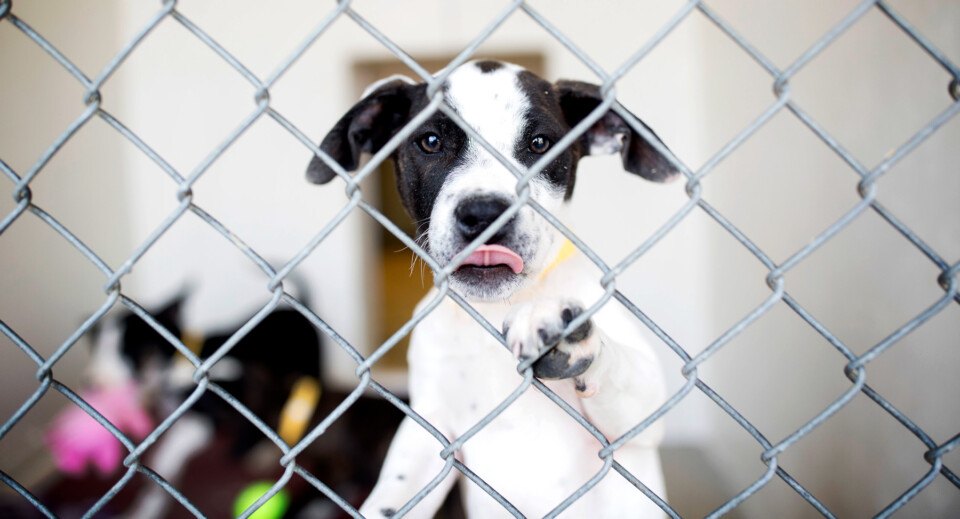
Across America, thousands of shelters and rescues take in close to six million dogs and cats a year. Most get adopted. The movement began in Philadelphia, where two organizations both claim they came first. In 1870, animal-rights advocate Caroline Earle White’s Women’s Humane Society, which installed drinking fountains for carriage horses throughout the city, opened an animal shelter in North Philly. In 1874, Elizabeth Morris, founder of the Morris Refuge Association for Homeless and Suffering Animals, opened an animal refuge on 10th Street, but fans of her work say she’d begun sheltering animals in her home in 1858 so she came first. Both organizations still exist today, and — regardless of who deserves the bragging rights — America’s fur babies thank them.
36. PAFA and Its American Artists

Photograph via Visit Philly
America invented modern democracy in 1776, and we’ve been asking what that should look like ever since. Few areas have explored the question more vividly than the fine arts, where ordinary artists—not kings, queens, bishops, or preening aristocrats — decide what deserves immortality in public representation.
As art critic Robert Hughes noted in the BBC series American Visions, “American art began when artists stopped trying to imitate Europe and started looking at America.” While European art often prized hierarchy, mythology, inherited grandeur, and polish, American artists sought to capture their country’s “bulk, muscle, breadth, [and] life,” as Walt Whitman once described the spirit of America.
That revolution took shape at the Pennsylvania Academy of the Fine Arts, founded in 1805, the nation’s first art school and museum, where founders and students dared to render serious images of American workers, rivers, immigrants, Black citizens, crowded streets, factories, storms, and the general chaos of freedom. Just as radically, the school embraced a modern egalitarianism, (fairly quickly) opening its doors to women and Black artists excluded elsewhere. Its students included Mary Cassatt, Henry Ossawa Tanner, Alice Neel, and Jacob Lawrence. In this way, PAFA helped invent an American way of seeing the world — one influential enough that foreign artists (like Scottish-born Alexander Milne Calder) eventually came here to study it.
35. From John Bartram to the Burpees — and Beyond
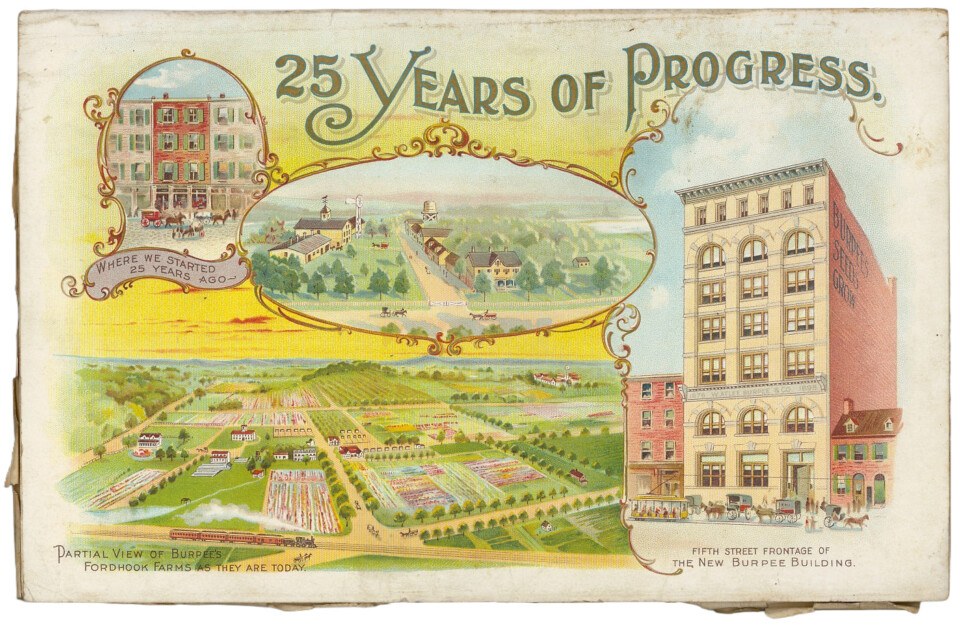
Image courtesy of Smithsonian Libraries
Philly has long been the hub of American garden innovation, from the 1700s, when Bartram roamed the nascent nation collecting seeds and plants for what became its first botanical garden, to the groundbreaking mail-order seed company born here in 1876 of W. Atlee Burpee’s determination to provide his fellow citizens with better, bigger tomatoes and cabbages and marigolds. You can still visit Bartram’s Garden on the banks of the Schuylkill and Burpee’s Fordhook Farm in Doylestown to see the fruits of their genius.
34. TSOP
Photograph via Getty Images
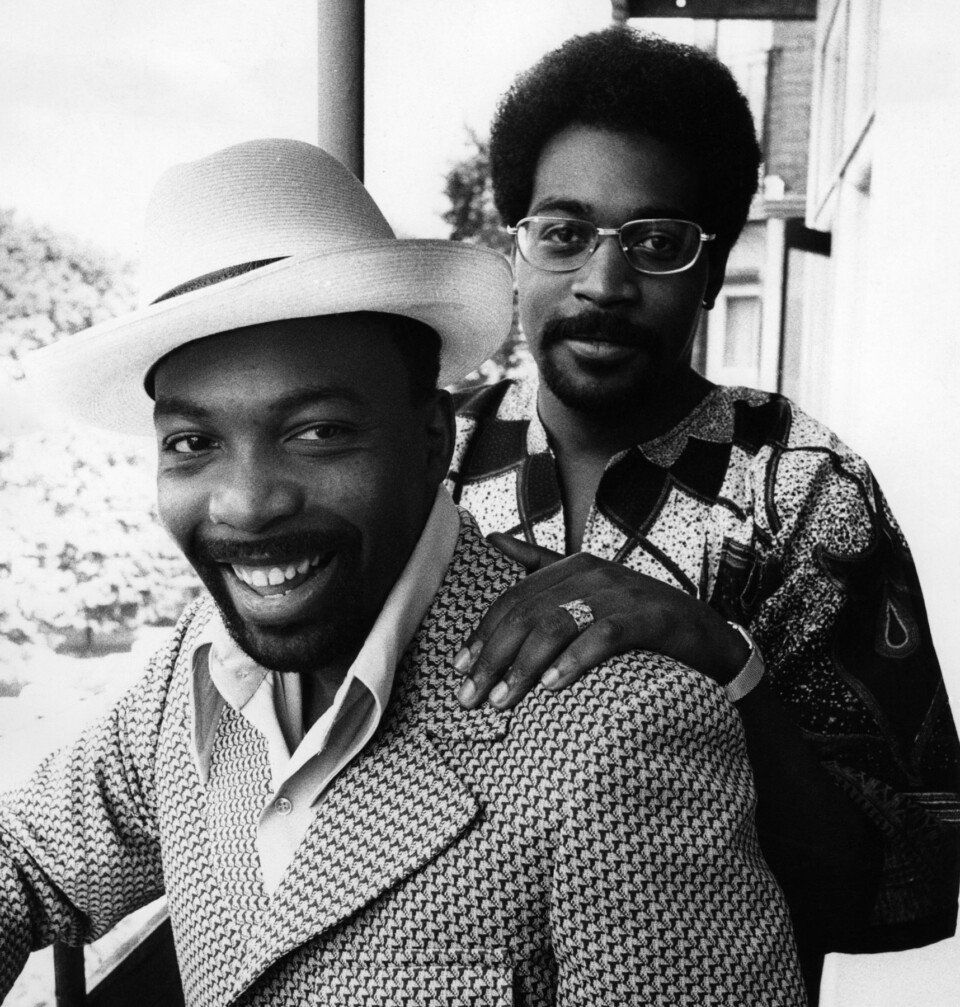
Do you ever wonder what your life would have been like if you hadn’t met a certain person? We wonder what the world of music would be like if Kenny Gamble, a talented singer-songwriter from South Philly, hadn’t crossed paths with Leon Huff, a classically trained pianist from Camden. In 1971, the duo launched Philadelphia International Records, bringing in Gamble acquaintance Thom Bell to flesh out arrangements and a group of highly skilled session musicians and full string sections.
And thus was born both The Sound of Philadelphia (aka TSOP) and the careers of the O’Jays, Lou Rawls, Patti LaBelle, and Harold Melvin & the Blue Notes, among others. They brought the world a blend of soul and R&B that it had never heard before and that would go on to influence countless musicians — as it does to this day. “It was so different,” says WDAS DJ legend Patty Jackson. “The instrumentation. That orchestra was something.”
33. CHOP
Founded in 1855, Children’s Hospital of Philadelphia grew from a 12-bed Philly rowhouse into one of the most influential children’s hospitals in the world, proving that medicine for kids can change medicine for everyone. The nation’s first pediatric hospital helped develop vaccines for deadly childhood diseases, created the first surgical NICU, and in 2025 treated the world’s first patient with customized gene-editing therapy. CHOP has spent 171 years asking an audacious question: What if we could do more for sick kids? The answers have saved countless lives worldwide.
32. Eyewitness News
Long before partisan shout-fests and hot takes disguised as reporting, TV news meant trusted voices like Murrow, Cronkite, and, locally, WCAU’s John Facenda reading the day’s events from behind an anchor desk. But in 1965, KYW-TV news director Al Primo upended the format. His Eyewitness News emphasized reporters in the field, studio anchors bantering with street journalists in what Primo called “happy talk,” and on-air personalities showing flashes of humanity beneath the veil of stoic authority.
The format created a sensation.
“Issues and events aren’t stories until you understand how people are part of those experiences,” says Paul Gluck, professor emeritus at Temple’s Klein College of Media and Communication and a 20-plus-year Philadelphia TV veteran. Eyewitness News, he says, worked because reporters brought not just facts but “journalistic skills, context, and personal observation” — a revelation for both the profession and the audience. That openness also helped create space for pioneering voices like Philadelphia’s first Black TV reporter, Trudy Haynes, and Malcolm Poindexter.
Rival Channel 6 answered with Action News: shorter segments, more stories, suburban coverage, and fresh talent. The result was decades of ratings dominance and a national rethinking of local TV news. Still, it was Primo’s personality-driven revolution that foreshadowed today’s 24-hour cable-news circus — and even America’s obsession with reality TV.
31. Eastern State Penitentiary
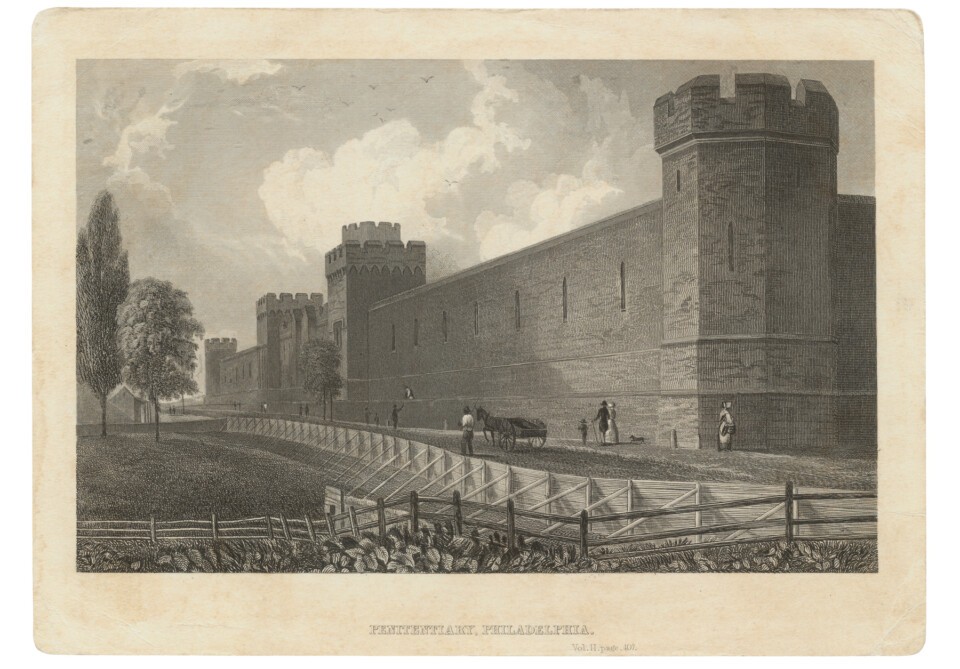
Image via Getty Images
Eastern State may be America’s greatest monument to a terrible idea that sounded good at the time. It opened in 1829, when America’s prisons were violent, crowded, chaotic nightmares — built to humiliate. Philly’s Society for Alleviating the Miseries of Public Prisons came up with what they believed to be a humane alternative: a “penitentiary” where prisoners would live alone in silence, reflect on their crimes, read scripture, work with their hands, and emerge morally restored.
Honestly, on paper, it sure sounded enlightened. But before long, prisoners were going out of their damn minds in Eastern State’s solitary confinement. Some hallucinated. Others suffered depression, paranoia, or emotional collapse. Similar breakdowns were happening at the 300 prisons worldwide that had enthusiastically copied Eastern State’s striking radial design and batshit philosophy. Charles Dickens himself, after visiting Eastern State in 1842, condemned the system’s “immense torture and agony.”
Long before neuroscience was a thing, Eastern State taught the world that a) human beings are social creatures, and social isolation can ravage our minds, and b) even the most well-intentioned human-improvement ideas still require proof of concept.
30. Mother Bethel AME Church
Photograph by R. Kennedy for Visit Philly
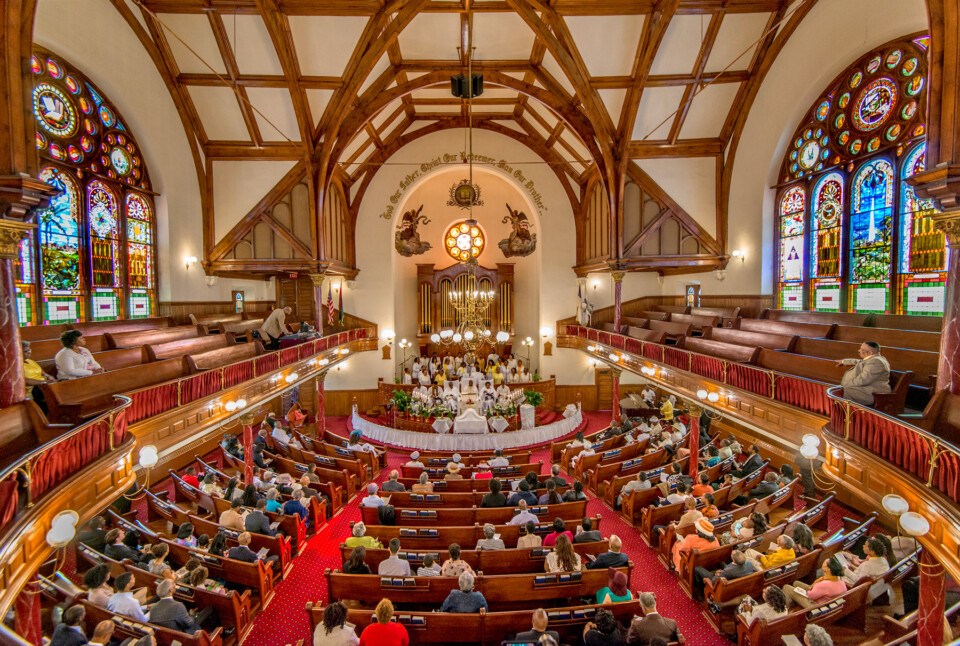
The Black church as we know it today — a prolific source of political and social power — traces back to the corner of 6th and Lombard streets. There, in 1794, populist preacher Richard Allen opened the doors of Mother Bethel African Methodist Episcopal Church, along with hopes for a more perfect union. One century later, writing in The Philadelphia Negro (see #5), W.E.B. Du Bois hailed the church as “the vastest and most remarkable product of American Negro civilization.”
Back then, Black Americans had few safe havens for worship or rooms for organizing toward social progress. Soon after Mother Bethel’s founding, a number of Black churches along the East Coast began revolving around Philadelphia, uniting to support the Underground Railroad and giving rise to leaders like Frederick Douglass. Though their early congregants endured violence and legal challenges, these same churches would play an indispensable role in the Civil Rights Movement. While its legacy is self-evident, there’s also this: Today, Mother Bethel sits on the longest continuously Black-owned parcel of land in the U.S.
Though it holds a special place in this city (the church was once nicknamed “the Liberty Bell for Black folks”), Mother Bethel is a beacon for the truest American values. As Du Bois wrote, “It belongs to the history of the nation rather than any one city.”
29. Wanamaker’s
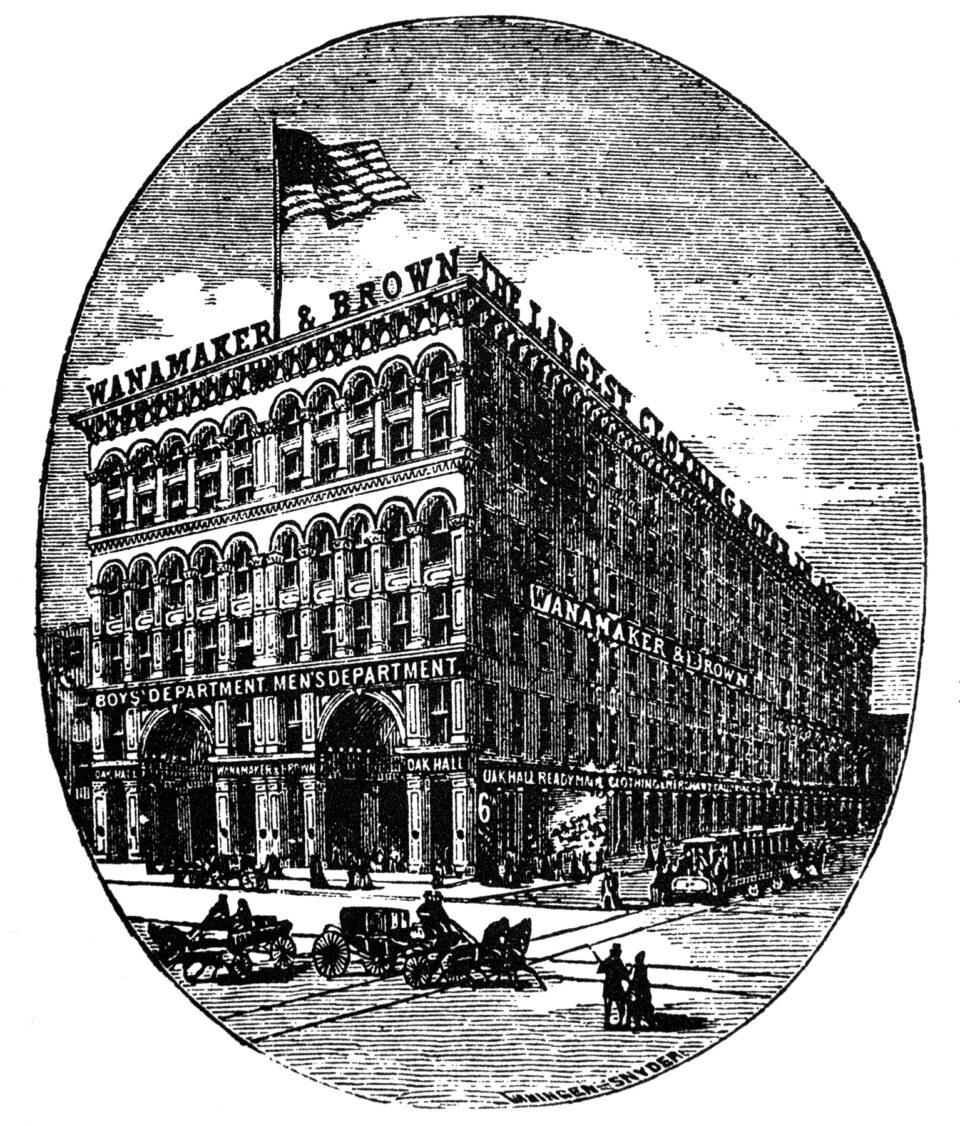
Image via Getty Images
Those of us who grew up in the 20th-century heyday of department stores will always have nostalgia for the experience — the blast of AC on a hot day, the gleaming jewelry counters, the beautiful dresses hanging just so, the sales. It’s what John Wanamaker created (well, sans AC) in 1876 with his eponymous Wanamaker’s department store (housed in a former Pennsylvania Railroad depot at 13th and Market), which he modeled after European shopping palaces. Wanamaker not only perfected the department store but also helped reinvent retail itself. Before stores like his, shopping meant trekking from vendor to vendor and haggling over prices that changed with the customer or the seller’s mood. Wanamaker championed fixed prices, money-back guarantees, mass advertising, and shopping as spectacle — a proto-mall model that still shapes American retail today.
28. The College of Physicians
Photograph by Ryan Joy via CC BY-NC-SA 2.0
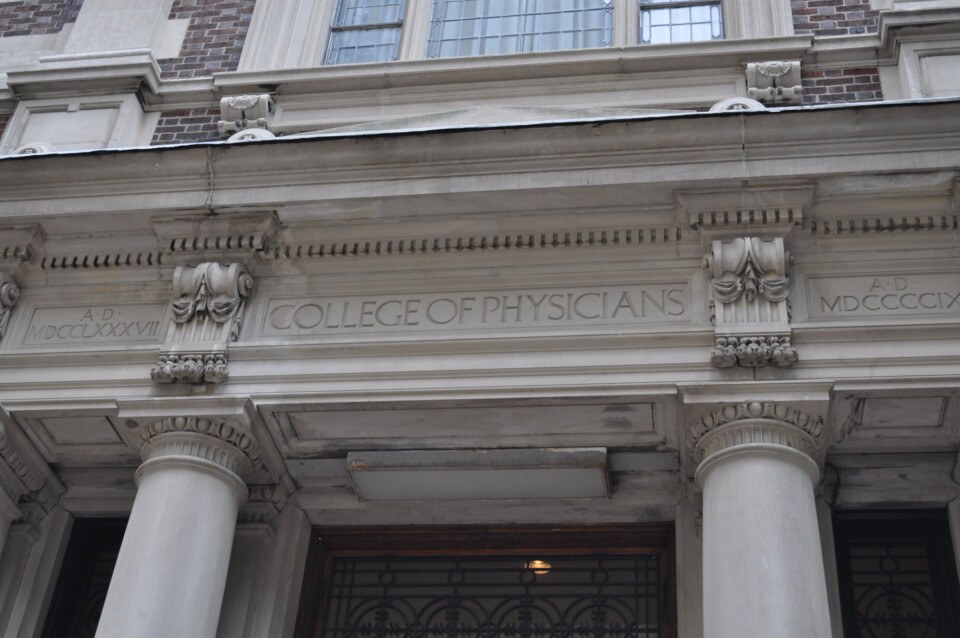
America’s oldest private society of doctors was founded in 1787 to advance medical education, public health, and the ethical practice of medicine, shaping standards and institutions that protect our well-being. (That tiny USP stamp on all your vitamin supplements and medications? It’s the college’s U.S. Pharmacopeia doing quality control so your “500 mg” isn’t really, “eh, give or take.”) In 2023, when the college faced a scandal over the acquistion and handling of human remains and anatomical artifacts at the Mütter Museum, which it owns and operates, the college subjected itself to the same kind of ethical scrutiny it asks medicine to embrace, and is today better for it. Good lesson for all of us.
27. Centennial Exhibition
Photograph via Getty Images
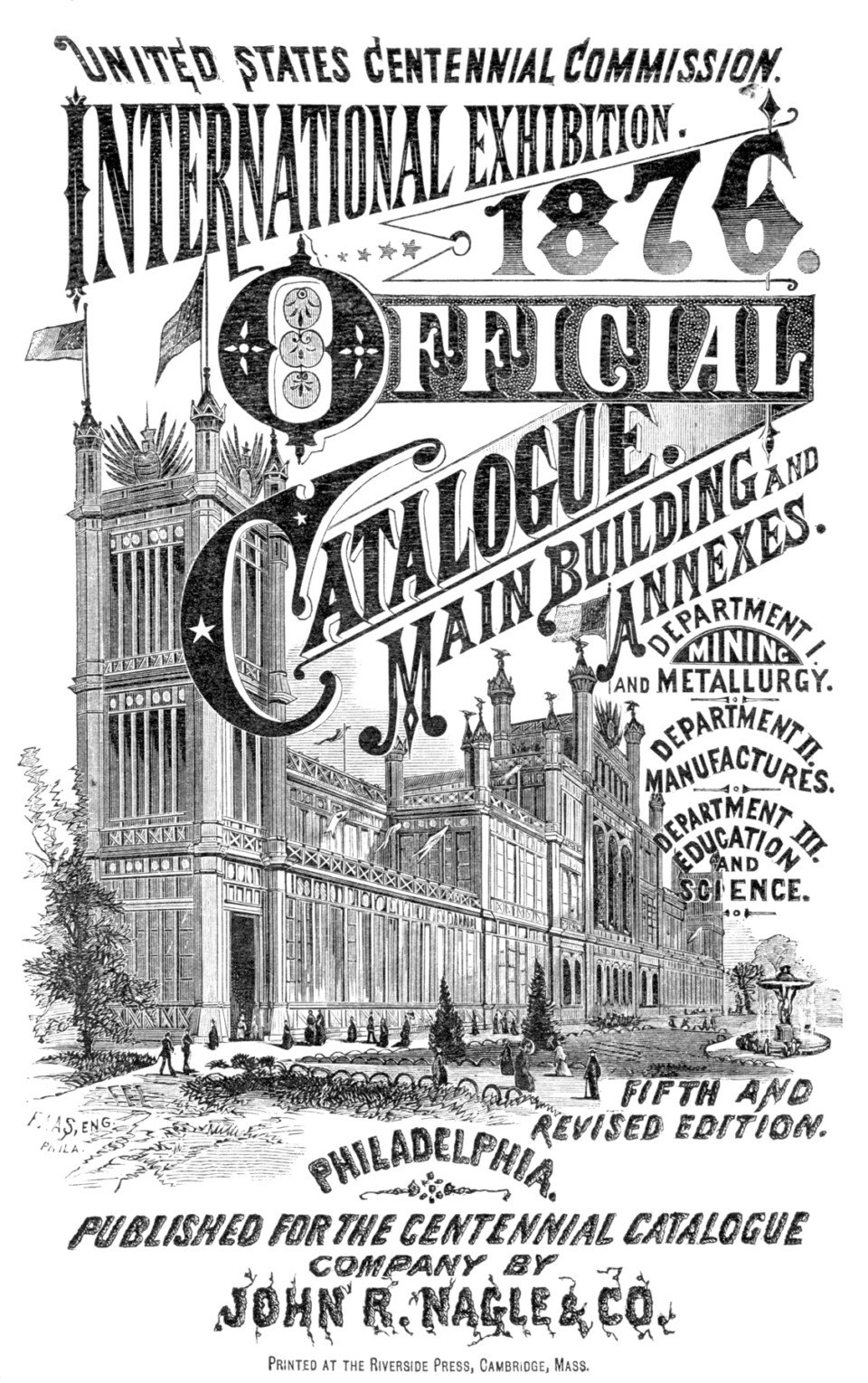
In 1876, the world’s gaze was fixed on Philadelphia. Yes, it was the 100th anniversary of that time a group of Colonial rabble-rousers rubbed a brazen Declaration of Independence in the face of the king of England. But the city was also hosting the Centennial Exhibition — the first world’s fair ever held in the United States. And what a time to do it! The period between 1870 and 1914 is often considered the Second Industrial Revolution, one of the greatest eras of innovation, marked by rapid advancements in scientific discovery and technology, many of which were showcased in the grand halls of Philadelphia’s Centennial Exhibition, held in Fairmount Park.
During the opening ceremony on May 10, 1876, President Ulysses S. Grant and Emperor Pedro II of Brazil switched on the Corliss Centennial Engine. The towering 50-foot steam-powered turbine — the exhibition centerpiece that signaled to the world America’s new status as an international industrial juggernaut — powered most of the 8,000 machines on display in Machinery Hall. Here, the world was introduced to Alexander Graham Bell’s telephone; the Brayton Ready Motor, an early version of the combustion engine; and the QWERTY typewriter, all of which were illuminated by arc lighting generated by the Wallace-Farmer electric dynamo, a newfangled contraption also used by attendee Thomas Edison for his electric light demonstrations.
Foods that would forever change the way we eat were also introduced and popularized at the Centennial, which was attended by 10 million visitors during the six months it was open. The United States got its first taste of bananas (about 100 billion of them are now consumed globally each year). Visitors snacked on something called “sugar popcorn” (think Cracker Jack today). And Heinz ketchup changed the way we thought about tomatoes with what is now the gold standard for one of America’s favorite condiments.
So, yup, today, whenever we answer a phone, turn on a light, crunch on caramel corn, or squirt ketchup on a burger — it’s because we’re living in a world that Philly brought to us all.
26. American Bandstand
Photograph via Getty Images
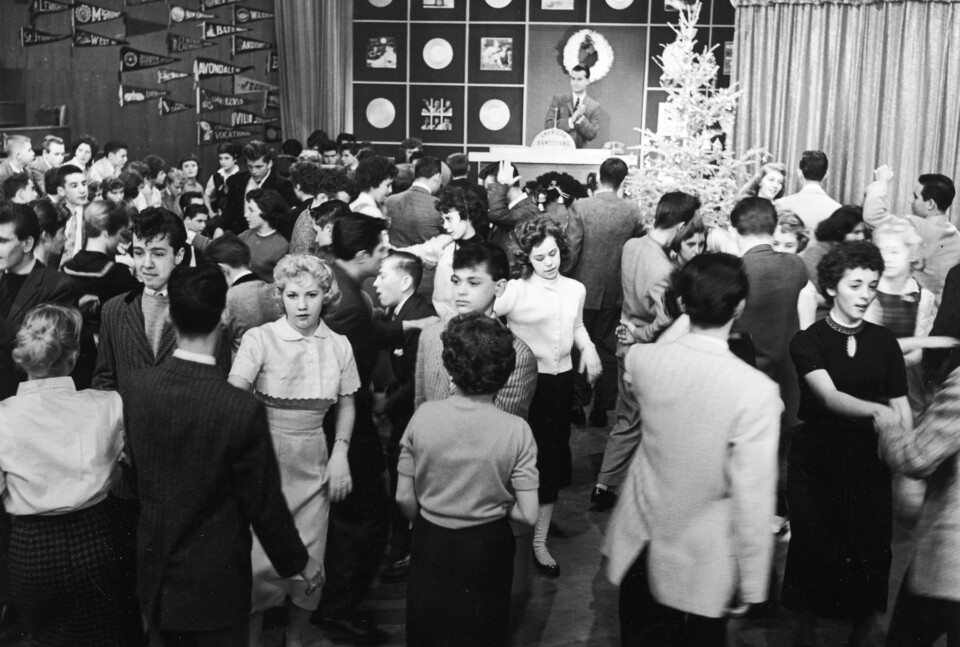
Would it be crazy to suggest that American Bandstand paved the way for Woodstock, MTV, and today’s teen influencers? We think not. The TV show that filmed at 46th and Market beginning in 1952 (host Dick Clark took it national in ’57) lit the fuse for the youth-culture explosion. Airing weekday afternoons on ABC, it featured Philly teens dancing to lip-synced performances by Chuck Berry, the Doors, Jefferson Airplane and others. Millions watched. Seventeen magazine had a “Bandstand” column. Chubby Checker chose the show for his debut of “The Twist.” The dancers received fan mail from across America, a huge young audience beginning to feel its power.
25. Abington v. Schempp
Ellery Schempp wasn’t a politician, activist, or lawyer: He was an Abington Senior High student who objected to being required to listen to Bible verses every morning before class. That disagreement would go all the way up to the Supreme Court. In 1963, Abington School District v. Schempp became one of the foundational cases in modern constitutional law, defining the separation of church and state in public education. Few suburban school disputes end up changing America. This one did.
24. The Annual Reminders
Photograph courtesy of Temple University Digital Collection
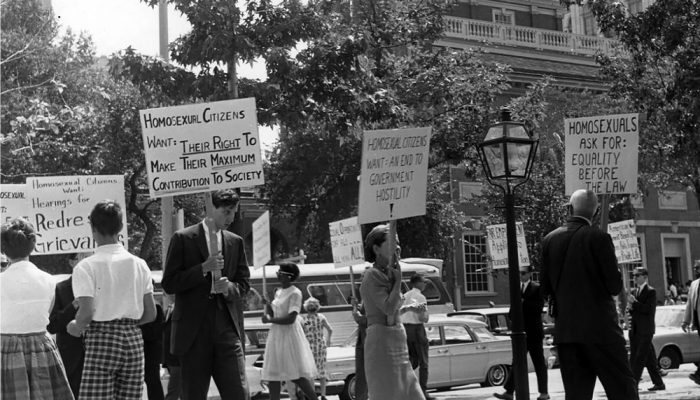
The roots of the momentous 1969 Stonewall Uprising in New York were planted in Philly four years earlier with the first Annual Reminder protest. Organized by activist Craig Rodwell, the July 4th gathering brought LGBT picketers from Philly, New York, and D.C., to Independence Hall to protest their being denied the freedoms and protections touted by the nation’s founding documents. Participants dressed formally, marched in single-file lines, and carried signs reading “Equality for Homosexual Citizens” and “Fifteen Million U.S. Homosexuals Ask for the Right to the Pursuit of Happiness.”
By 1969, with no movement by the government to advance equality for all, the yearly demonstrations had laid bare an important point: Polite protest was useless. In late June 1969, patrons being harassed by police at the Stonewall Inn, a gay club in Greenwich Village, had had enough. For five days, they rioted outside the bar; afterward, the feeling that something had shifted was palpable. That year, instead of protesting at Independence Hall, the Annual Reminders traveled to New York for one last event: a spontaneous Pride Festival, which gave birth to all that followed.
23. Milton Hershey
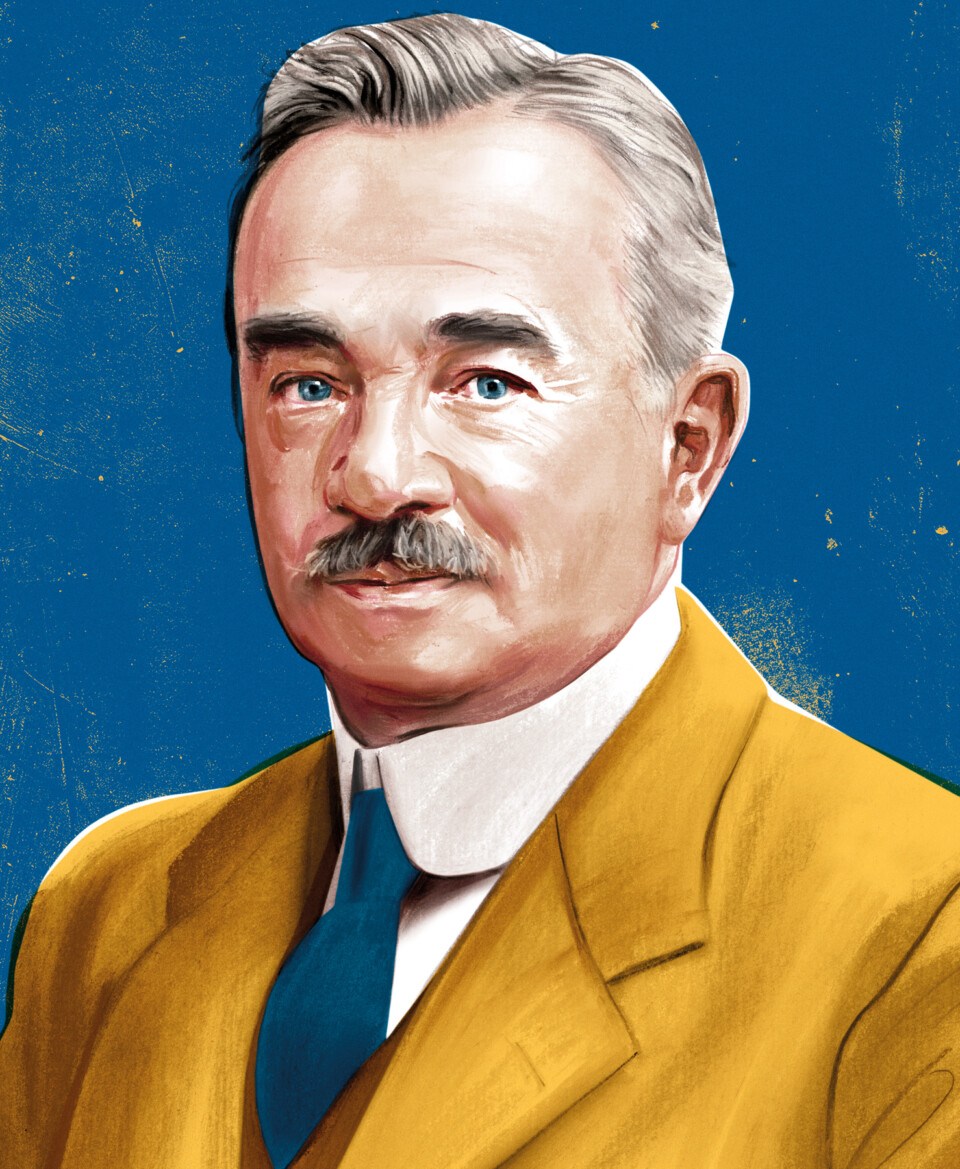
Illustration by Diego Mallo
With just a suitcase full of sweet dreams, Milton Hershey came to Philadelphia to set up his first candy shop. The 18-year-old’s plan was to capitalize on the Centennial Exhibition (see #27), strategically picking a storefront on Spring Garden Street, a major thoroughfare to the fairgrounds in Fairmount Park. His business failed. But if it weren’t for flopping in Philly he wouldn’t have gone back home to Derry Church, Pennsylvania (now called … Hershey), to create the chocolate tasted round the world. His candy bars were included in military rations during World War II, to boost soldiers’ blood sugar and morale, and have even been to the moon — going where no chocolate has gone before.
22. The Orchestra’s Trip to China
Photograph via Alamay Stock Photo
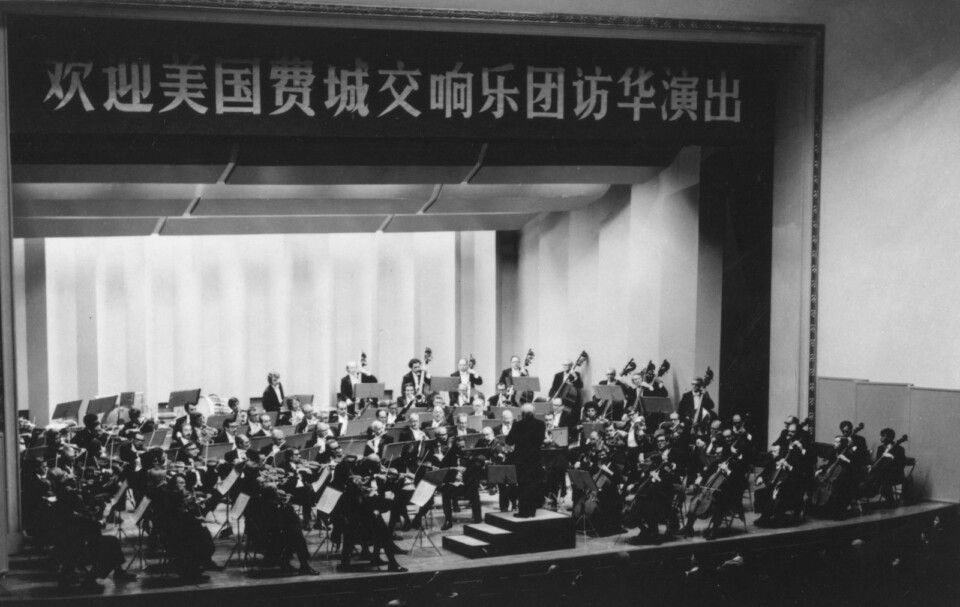
President Richard Nixon’s visit to the People’s Republic of China in February 1972 was the climax of lengthy diplomatic efforts to restore relations between the two nations after 25 years of mutual isolation. The U.S. had long refused to acknowledge the PRC’s Communist government, instead recognizing Taiwan, aka the Republic of China. But as the Cold War continued, Nixon looked toward China as a potential counterbalance to Russian influence. During his visit, he and the Chinese planned further diplomatic and cultural exchanges. One of these was a two-week foray by Eugene Ormandy’s renowned Philadelphia Orchestra in 1973.
It wasn’t exactly smooth sailing. There were all manner of misunderstandings: Why had no information on concert dates or accommodations been provided? Why was Madame Mao demanding that Beethoven’s Sixth Symphony (featured in Disney’s Fantasia) be performed? Why did the Chinese people stare so at the Westerners?
Never fear. Once a snafu over the first trumpet player’s missing passport was smoothed over, the visit was a rousing success. The 200 American musicians marveled at a nation where tipping and thievery were unknown, at offers of acupuncture sessions, and at a Chinese official’s insistence on returning to one of them a tattered, discarded sock. (Nothing wasted here!) As the orchestra’s piccolo player, John C. Krell, recorded in his daily diary, the Americans exchanged gifts and (nonpolitical) conversation with their musical counterparts. The Chinese lent their scores for the requested Beethoven, and Mrs. Mao, seated beside Mrs. Ormandy, greatly enjoyed the performance.
Krell noted, “The modesty, humility and earnestness of the Chinese musicians is heartwarming and refreshing.” For the Americans, he wrote, the journey was “probably … the most meaningful of any of our many foreign tours — a glimpse into another way and philosophy of life that is obviously functioning very well for the great majority of the people.”
In 2021, Philly’s own Sam Katz produced Beethoven in Beijing, a PBS Great Performances documentary about the orchestra’s visit. Journeys back and forth between musicians in the two nations have continued; this fall, the orchestra will return to China, while Chinese musicians will pay a winter visit here.
In 2023, to mark the 50th anniversary of the original sojourn, PRC president Xi Jinping wrote to Mattias Tarnopolsky, then the orchestra’s president: Half a century ago, the orchestra’s historic China tour marked a thaw in China–U.S. cultural exchange, which was a very important part in the normalization of the two countries’ diplomatic relations.
The world today seems just as unsettled and chaotic as it did when Nixon made that diplomatic overture. But the magic of music continues to swell and soar and unite the hearts and minds of those willing to listen and to hope for more.
21. Abolition and the Female Anti-Slavery Movement
History likes neat categories — the abolitionist movement in one box, the women’s rights movement in another. But in Philadelphia, the two were often intertwined. Many women first stepped into public life through the fight against slavery, discovering along the way that they had a few things to say about their own rights, too. Lucretia Mott and the interracial Philadelphia Female Anti-Slavery Society showed America that women could organize, lead, and influence civic discourse long before they even had the right to vote.
20. Albert Barnes and His Foundation
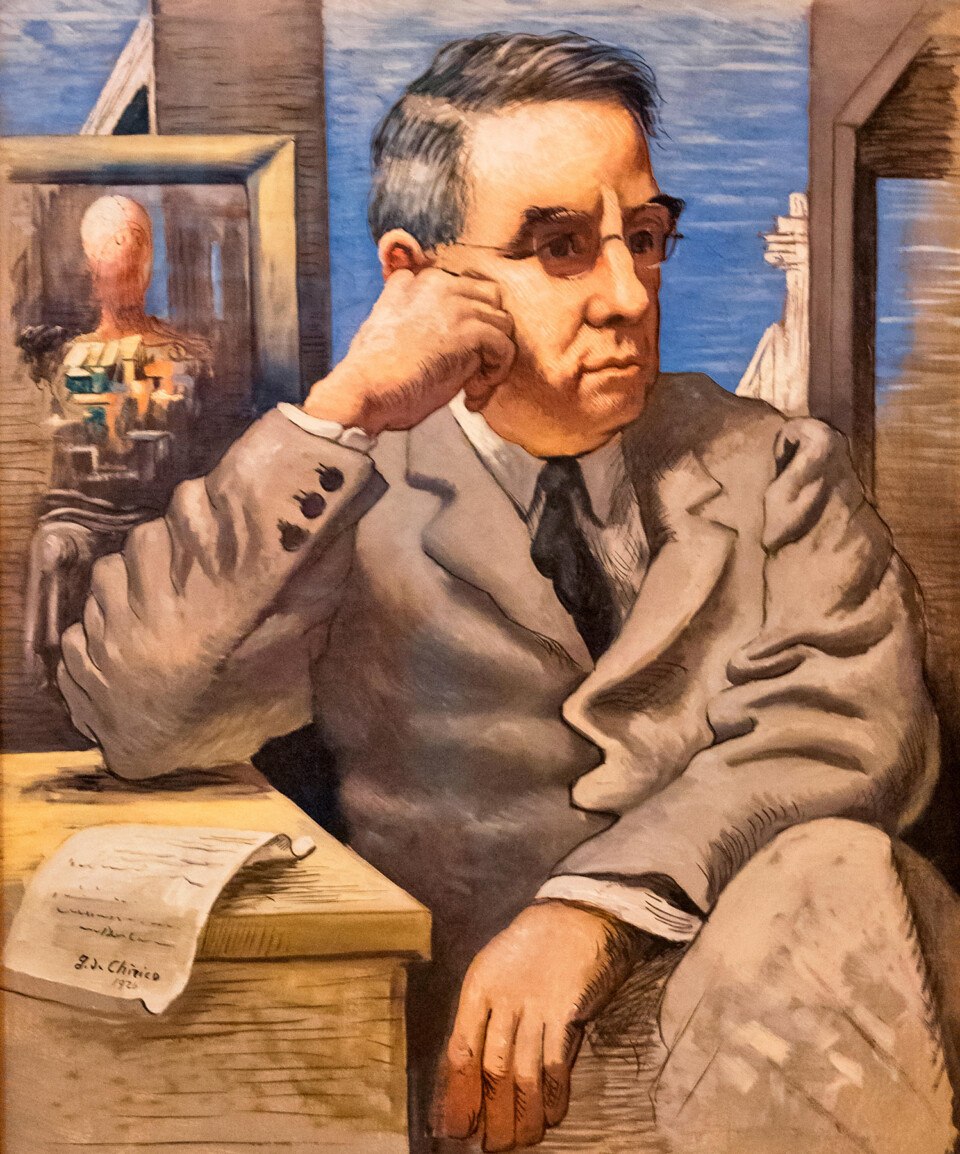
Image by Naum Chayer /Alamy
How did Philly’s Albert C. Barnes, born in the 1870s to working-class parents in a neighborhood called “the Dumps,” come to own 181 Renoirs — the largest collection in the world — plus dozens of Cézannes and Matisses and thousands of other artworks worth between $20 billion to $30 billion today?
By making a fortune in pharma. (Some things never change, do they?) Unlike the snobby rich, Barnes didn’t horde his works to himself but democratized them for the masses. Through the Barnes Foundation, he pushed the radical sensibility that ordinary people deserve serious access to great art, plus free classes in art appreciation and philosophy and in-gallery deconstruction of its social impact. He also used his influence as one of America’s most powerful collectors to champion brilliant Black artists, like Philly’s Horace Pippin, who were being excluded from America’s mainstream art world. More than a century later, museums around the world follow Barnes’s egalitarian lead.
19. Marian Anderson’s Historic Concert
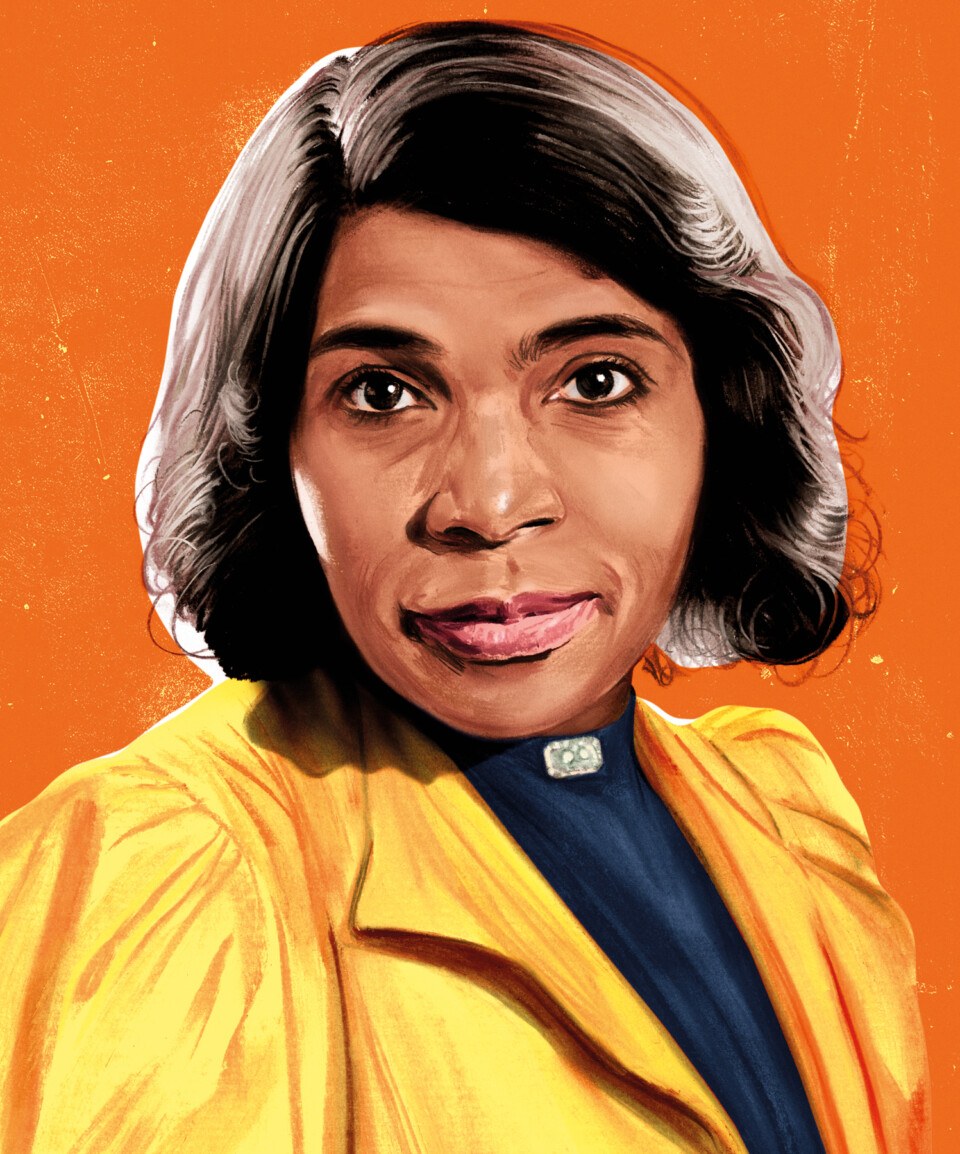
Illustration by Diego Mallo
So what if the South Philly High grad was the most famous singer of her day, the winner of a New York Philharmonic competition, and the toast of Europe, with composer Arturo Toscanini extolling hers as a voice heard “once in a hundred years”? The Daughters of the American Revolution still refused Anderson permission to perform at D.C.’s Constitution Hall in 1939 because she was Black. Their blatant prejudice set off a firestorm that resulted in First Lady Eleanor Roosevelt arranging a triumphant outdoor concert by Anderson at the Lincoln Memorial with some 75,000 attendees, broadcast on radio to millions more — a giant step in the nation’s slow trudge of racial progress, courtesy of this daughter of a Reading Terminal Market coalmonger.
18. The Philadelphia Chromosome
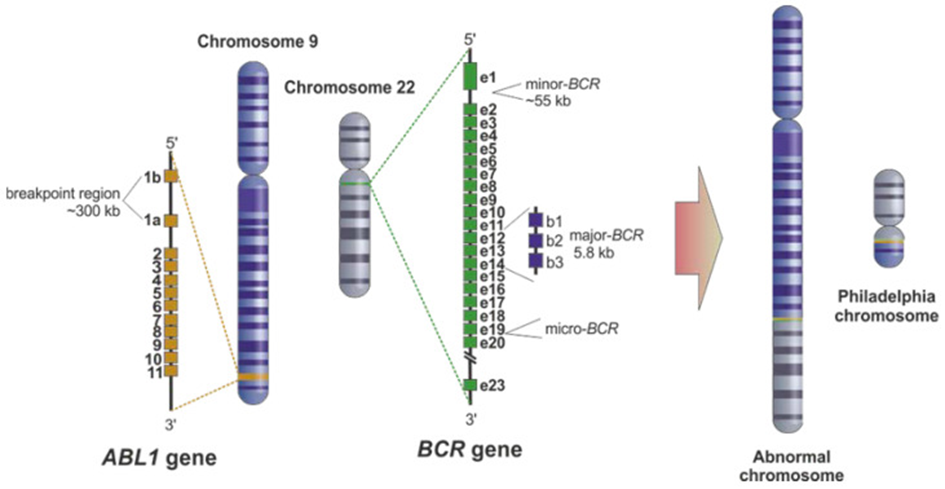
Image by Aleks Mjen via CC BY-SA 4.0
No, it has nothing to do with an inherited hatred of the Cowboys. The Philadelphia chromosome — a chromosome linked to a genetic predisposition to cancer — was so named because the University of Pennsylvania’s Peter Nowell and David Hungerford of the Institute for Cancer Research (now Fox Chase Cancer Center) discovered the genetic abnormality in 1960. The identification transformed oncology and set the stage for targeted, effective cancer treatment. Also remarkable? The discovery was prompted inadvertently, when Nowell rinsed a microscope slide with tap water. Yes, wooder.
17. The American Banking System
Photograph via Getty Images
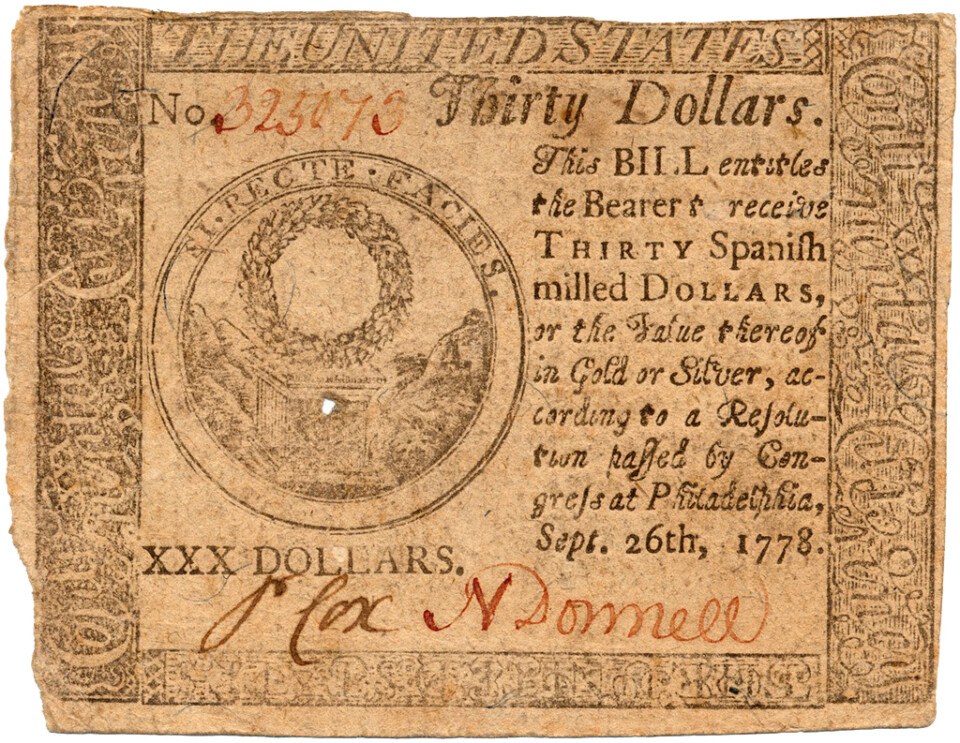
In 1781, George Washington was desperate for cash to pay his soldiers, and to feed, clothe, and arm them. But the moment the nascent country split from our British overlords, the Continental dollars we had been printing became worthless, and money no longer flowed into our colonial coffers. That’s when America’s first bankers — Philadelphia’s Thomas Willing and Robert Morris — stepped in. They opened the First Bank of North America at 3rd and Chestnut with $400,000 they secured by selling private shares to wealthy colonists, and lent money to the U.S. government for its fight against the British.
It was 10 years and one victory later that the young financier Alexander Hamilton — President Washington’s first secretary of the Treasury and a Federalist pal of Willing’s and Morris’s — opened the fiercely debated (as you Hamilton fans know) First Bank of the U.S. (in Old City) with $10 million, launching an American banking system that secured our recent and hard-won independence. As Hamilton wrote to Morris, “Most commercial nations have found it necessary to institute banks and they have proved to be the happiest engines that ever were invented for advancing trade.”
America’s first banks also fueled the first instance of the rural–elite divide that still shapes our politics today, by financing trade rather than agriculture. Still, those two banks put our new nation on the path to economic dominance by “plugging us in to the world of trade financing dominated by England,” then the financial envy of the world, according to Willing biographer Richard Vague (a co-founder of Citizen Media Group). Capitalism existed well before America, but the engine that has fueled it for the last 200-plus years? That started here in Philly.
16. The Great American Lager
Photograph via Getty Images
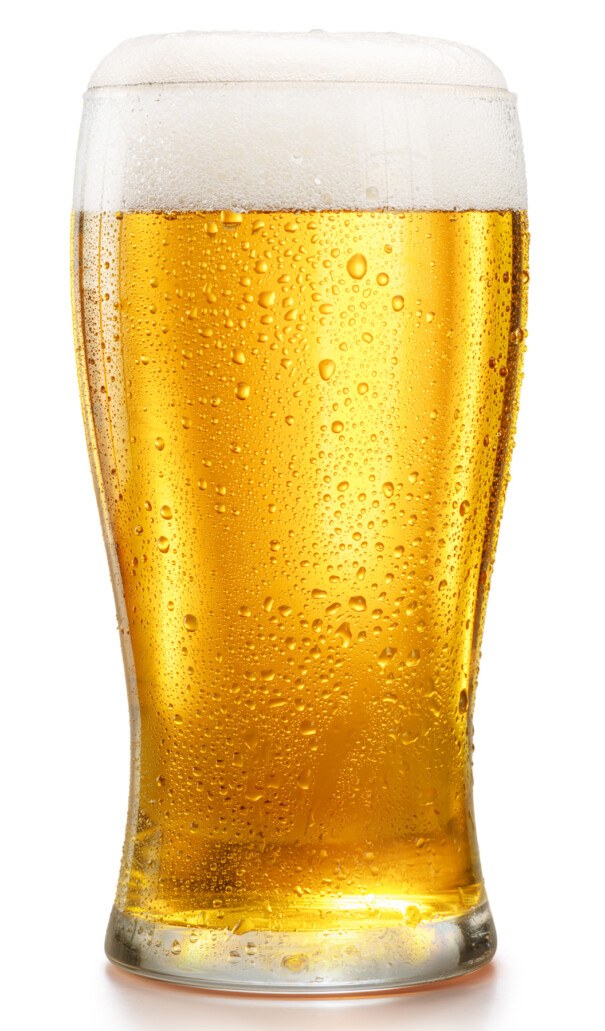
In 1840, a Bavarian named John Wagner boarded a clipper ship with a dream and a container of lager yeast, determined to introduce the German beer to the Philadelphia public. Or, wait, was his name actually Henry Wagner? Or — hold on — maybe it was Fat George Manger who brought lager to America. The truth has been lost to the suds of time.
By 1857, Philly had 30 lager breweries, selling more bottles of lager than ales, porters, and stouts combined. In less than two decades, the industry had annual sales of more than $1 million ($40-plus million today).
“Lager bier has become one of the best-established institutions of our city,” a correspondent wrote in an April 1855 dispatch to Cambria County’s Democrat and Sentinel newspaper. “The love of Lager not only enchains the souls of our German population, but the citizens generally, and it is with very many of our citizens a favorite beverage.”
Today, Wagner’s (or Manger’s?) legacy is evident every time you walk into a beer shop: The top five best-selling brews in America are all lagers.
15. Old Glory
Photograph by Nell Hoving
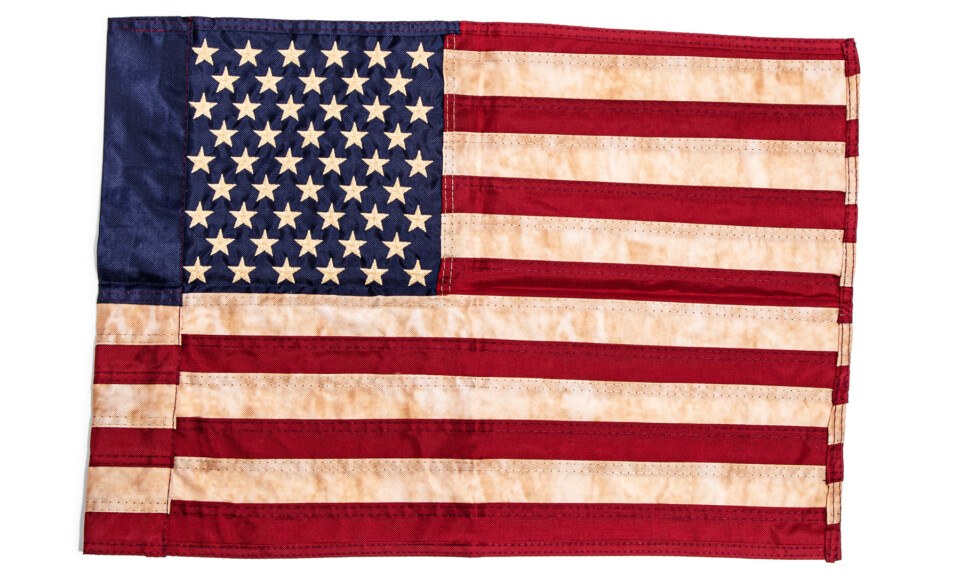
The American flag, created right here sometime in the 1770s (allegedly by seamstress Betsy Ross, though there’s no universal agreement about that), may be the most recognizable piece of fabric on Earth. Seriously: Other than maybe the Union Jack, what national flag instantly screams its country from practically anywhere on the planet (or the moon) quite like the Stars and Stripes? At home, it flies over everything from schools, porches, ballparks, and city halls to malls, Olympic podiums, and car dealerships. Overseas, it’s everywhere too, because America is everywhere: We export our products, politics, movies, music, wars, ideals, swagger, rebellion, capitalism, democracy, and spectacle way beyond our borders. The American flag has become shorthand for all of it.
14. The Prototype for DEI
Long before America had the language for equal opportunity, our city was behind the national charge to integrate the historically white and notoriously discriminatory building trades industries with the Philadelphia Plan. Created by the Office of Federal Contract Compliance and the Philadelphia Federal Executive Board in 1967, the plan required government contractors in the city to hire people of color (who at that time made up 32 percent of the population).
The original version was struck down in 1968 by the U.S. comptroller, but it caught the attention of President Richard Nixon, who charged his assistant secretary of labor, former NFL player Arthur Fletcher, with drafting and defending a revised version. It had two requirements: Contractors needed to project how many people of color they’d employ on a jobsite when bidding on government projects, and federal contracting officers needed to take those figures into account when choosing the winning bid.
This time, the plan passed muster and became the basis for nearly every government diversity, equity, and inclusion policy that followed. To this day, Fletcher is known as the “father of affirmative action.” But it was Philly that got the ball rolling.
13. Cheyney University
America’s first and oldest HBCU, Cheyney University — founded in 1837 by Quakers as the Institute for Colored Youth — offered both rigorous education for Black students when opportunities were scant and a powerful proof of concept for the 100-plus historically Black colleges established afterward. In the nearly two centuries since then, the university has produced generations of leaders and icons who went on to shape Black intellectual life, from Reconstruction-era educator Octavius Catto and architect Julian Abele to civil rights activist Bayard Rustin and famed 60 Minutes journalist Ed Bradley.
12. Tylenol
Photograph by Nell Hoving
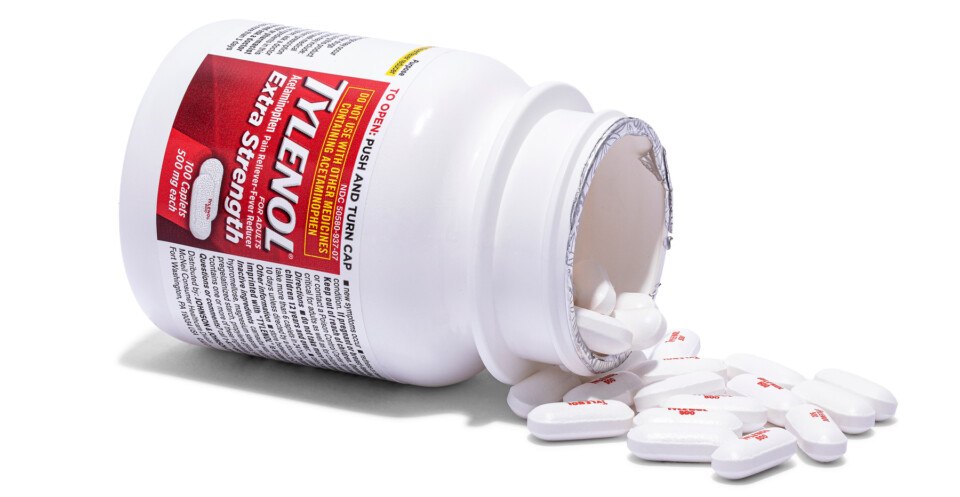
The acetaminophen pain reliever, created at 17th and Cambria by McNeil Laboratories in 1955, was marketed for use in children, whose sensitive tummies were irritated by aspirin. After McNeil was acquired as a subsidiary by Johnson & Johnson in 1959, Tylenol was retooled for adult use and has since become a worldwide medicine-cabinet essential, generating $1 billion in annual sales.
Another claim to fame? The way Johnson & Johnson handled the Chicago Tylenol murders, when seven people died in 1982 after ingesting caplets that had been laced with cyanide. J&J’s response to the horror — immediate recalls, public transparency, and the invention of now-ubiquitous tamper-proof packaging — was seen as a gold standard for how to manage a corporate catastrophe without ducking responsibility.
11. The Gridded City
Photograph via Getty Images
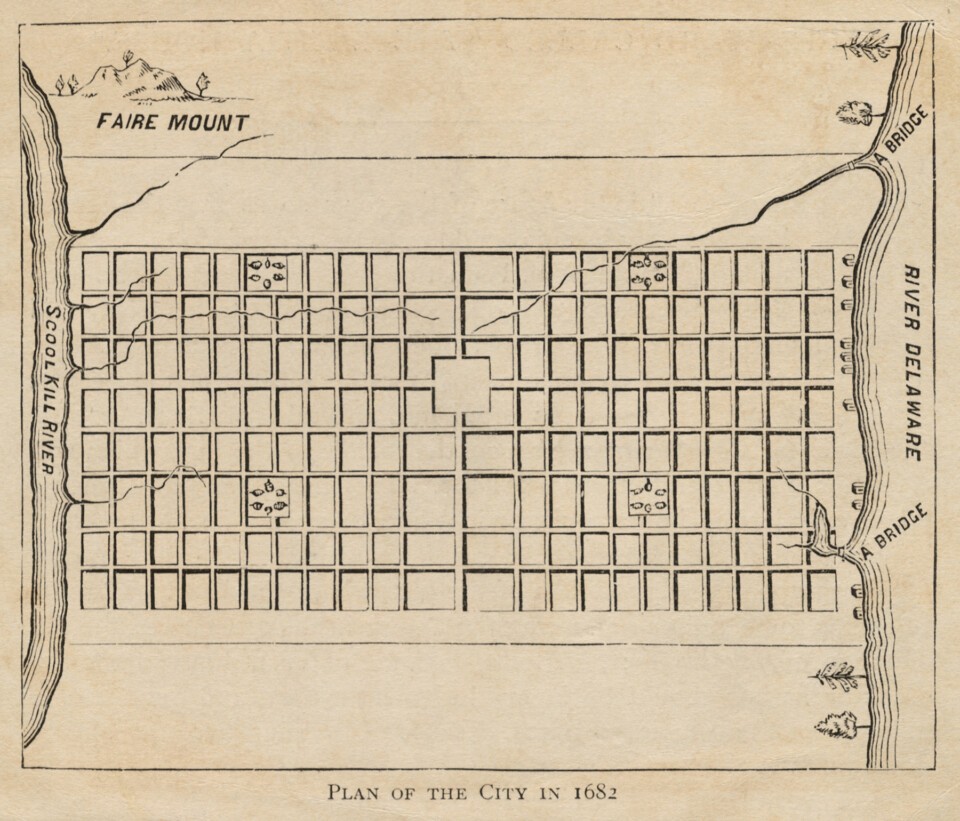
When he planned out the city of Philadelphia, William Penn dreamed of a “greene countrie towne” that would also be “wholesome.” We’re still working on that wholesome part, but Penn’s template of wide, easily navigable gridded streets, grouped around five leafy public squares, was a sensation, inspiring planners in New York City, Washington, D.C., and basically every other town in America to impose the same kind of order on their own urban chaos. Philly’s original urban planner also inspired a long line of celebrated Philly urbanists and architects: Paul Philippe Cret (born 1876), Louis Kahn (1901), Edmund “dad of Kevin” Bacon (1910), Vincent Kling (1916), and John “as in the mall” Gallery (1948), among others, who all followed in Penn’s buckle-shoe footsteps. We created the blueprint, baby!
10. Curtis Publishing
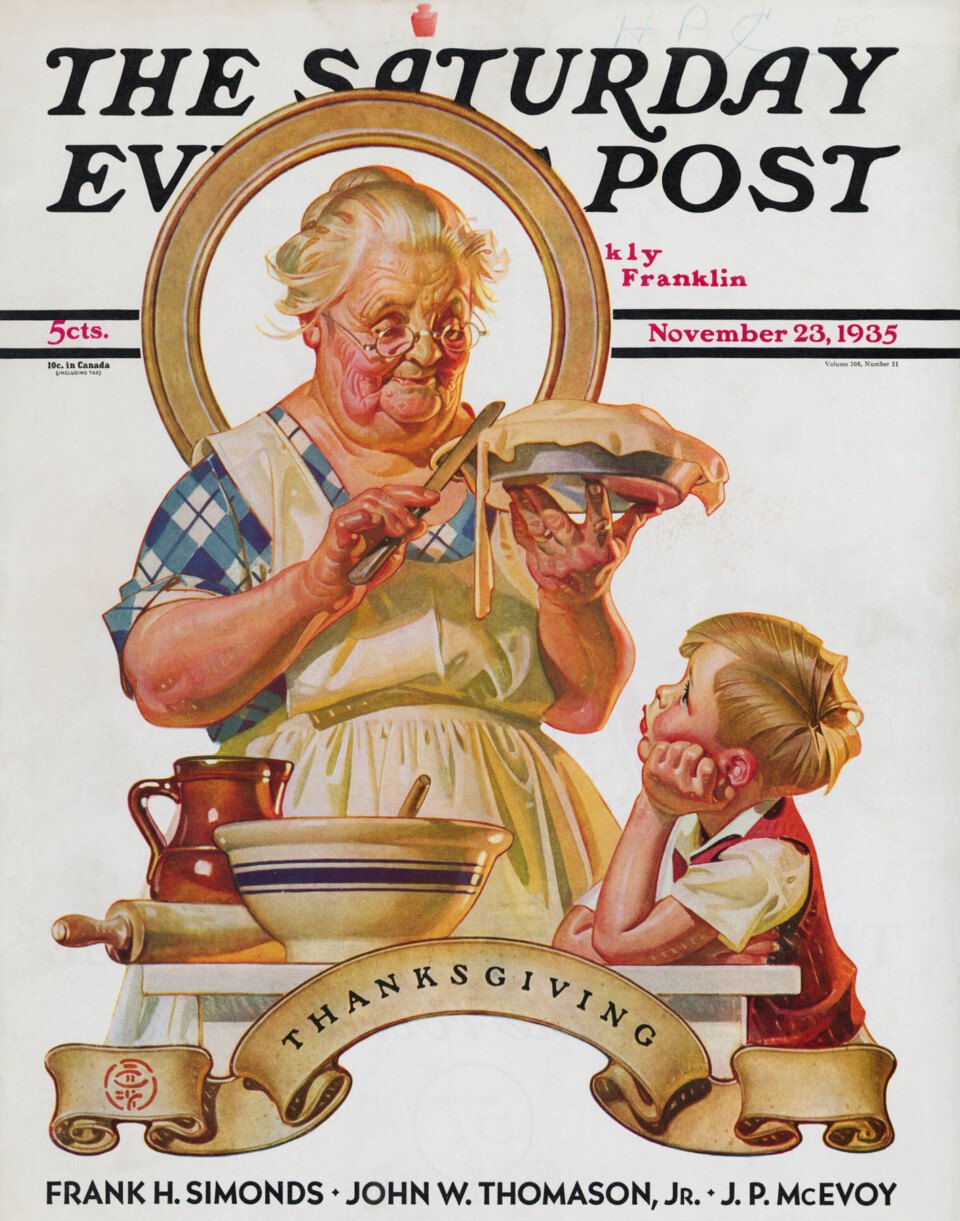
Image via Getty Images
What Henry Ford did for automobiles, Cyrus Curtis did for magazines. And they both waxed very, very rich.”
So said Time magazine in a 1933 cover story — and in many ways Time was actually guilty of understatement. Yes, Cyrus H.K. Curtis, founder of the Philadelphia juggernaut Curtis Publishing, did bring scale and efficiency to his industry, but in so doing he arguably accomplished something even greater: helping give birth to the middle-class American consumer.
A high school dropout, Curtis arrived in Philly in 1876 and within a few years hit it big with Ladies’ Home Journal — a magazine focused on domestic life, edited by his wife, Louisa Knapp, and later his son-in-law, Edward Bok. He followed with the Saturday Evening Post, a struggling publication he bought for $1,000 in 1897 and built, within a decade, to one with more than a million subscribers. (By 1960 it would reach six million people every week.)
The secret of Curtis’s success? He understood that he could make a lot more money from advertisers than from readers, and so he slashed subscription prices, built the first true mass-market audience, and hauled in a fortune from brands eager to reach all those people. Their ads — paired with high-quality editorial content, sometimes from marquee names like Jack London and Norman Rockwell — helped create a cultural shift: To be a middle-class American was to live a certain way and consume certain things.
Though Curtis died a few months before that Time cover story — he was at that point the fifth-wealthiest American, speaking of waxing rich — his namesake company thrived for decades before finally being done in by television. But his legacy lives on, not only in Philly’s prestigious Curtis School of Music (founded by his daughter, Mary Louise Curtis Bok; see #49), but even more broadly in the buying culture that none of us can — or maybe wants to — escape.
9. The U.S. Army and Navy
Before they became two of the world’s largest military organizations (and annual football foes), the Army and Navy were debated and established here in 1775 by the Continental Congress, months before independence was even declared. Little-known fact: The military branches actually disbanded after the war, until pirate attacks on American merchant ships in the Mediterranean in the 1790s renewed demand for armed forces. Argued President George Washington in his 1796 address to Congress, “Our trade … without a protecting force, will always be insecure.”
8. The Wistar Rat
Photograph by Vasiliy Koval/Adobe Stock
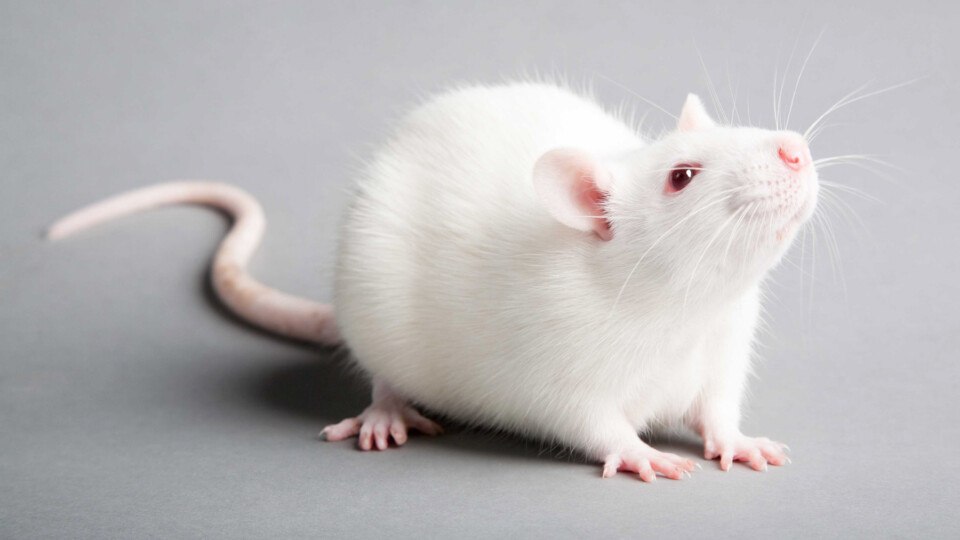
Before the concept of a “lab rat” could become a thing, someone had to breed one — and in 1906, that someone was University City’s Wistar Institute, which birthed the world’s first standardized laboratory rat, turning a pesky common rodent into a cornerstone of modern biomedical research. With Wistar’s pioneering scientist Helen Dean King helping lead the work, the Wistar rat gave researchers something they desperately needed: genetic consistency. Because rats share about 90 percent of our genes, these homogeneous rodents became essential for studying human disease, behavior, genetics, and pharmaceuticals. Today, more than half the lab rats used worldwide descend from Philly’s original Wistar breed. In a city whose rats are bold and carefree enough to run across your foot, isn’t it nice to know that some of their cousins have gone into medicine?
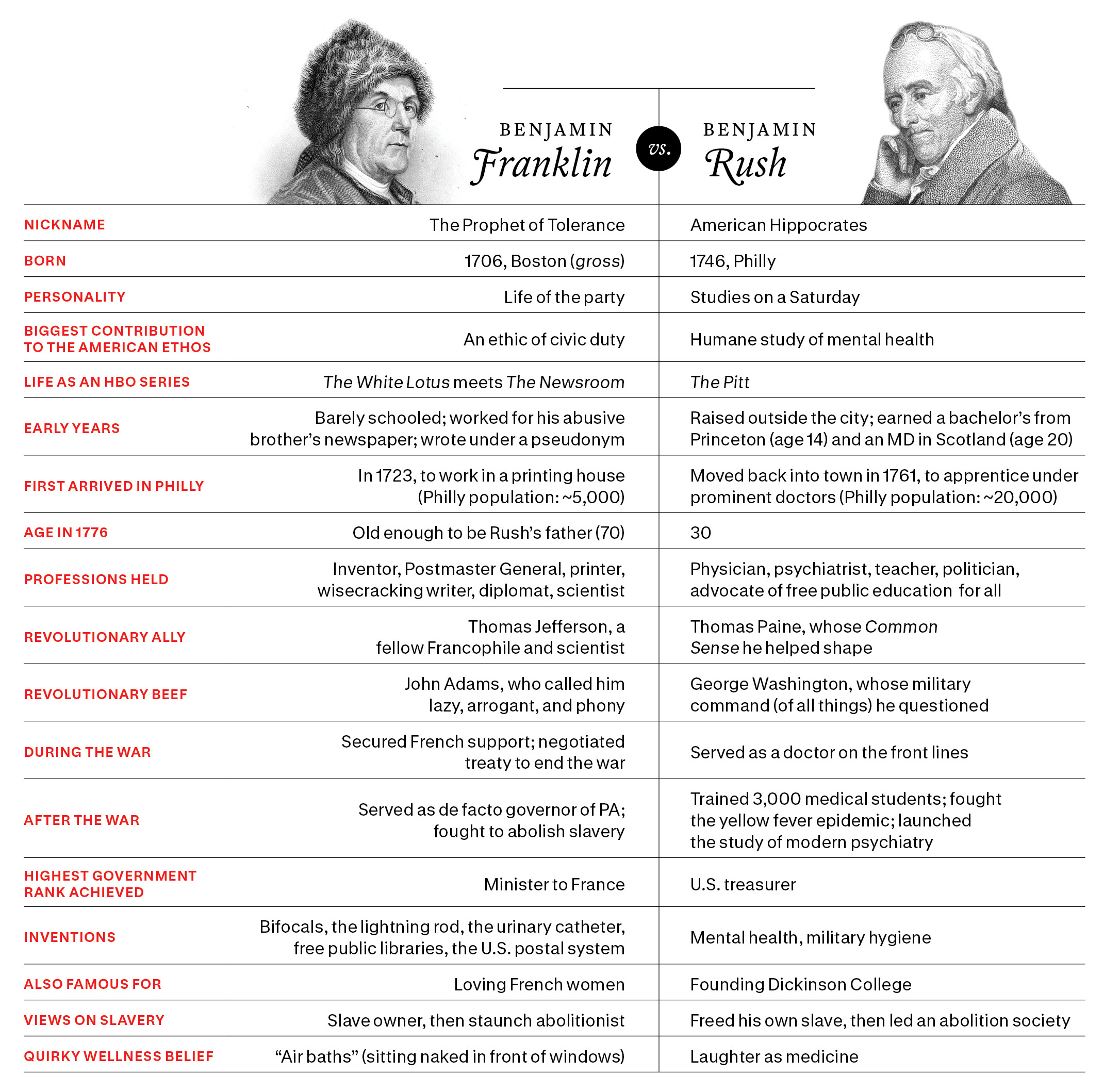
7. The Big Bens
When it comes to Philly history, mention “Ben” and most people assume you mean the guy on the $100 bill: Benjamin Franklin. But another Philadelphia powerhouse — Benjamin Rush — also signed the Declaration and may have contributed just as much to the wider world as Franklin did. Is it time to rethink our #1 Ben? You be the judge. Here, a side-by-side comparison of two prolifically busy Revolutionary Philadelphians.
6. The Scourge of Yellow Fever
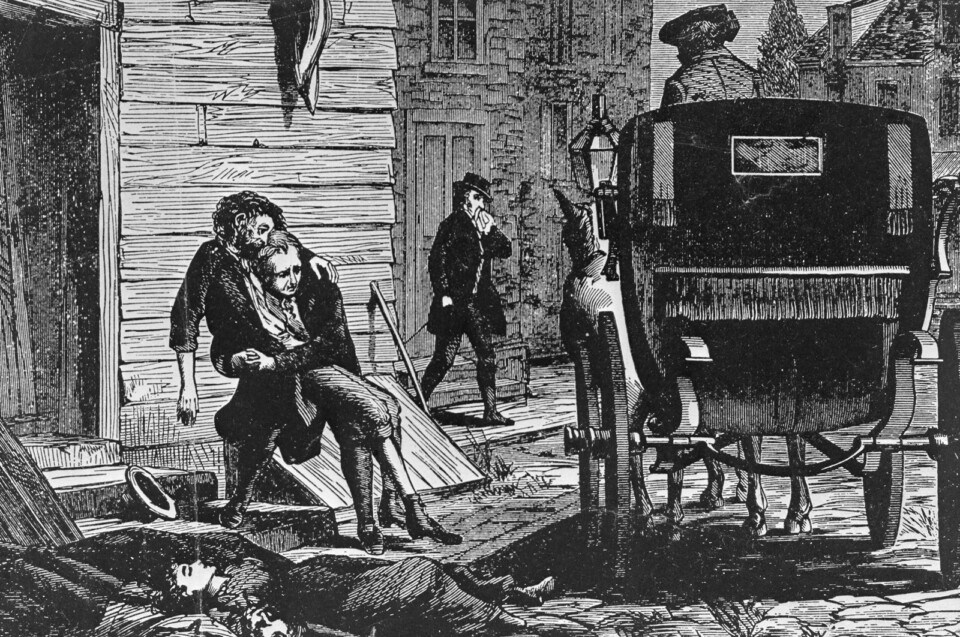
Illustration via Getty Images
The 1793 yellow fever epidemic killed — horrifically, gruesomely — an astonishing 10 percent of Philadelphia’s population but also spurred new public health and city planning practices that other cities soon copied: a public health board, quarantine protocols, and regular screening of arriving ship passengers and cargo for disease. We also built the nation’s first municipal water system; the Fairmount Water Works still stands, a pioneer in clean water and illness prevention (even though it turned out to be mosquitoes, not tainted water, that was to blame for yellow fever).
Throughout the deadly period, Black residents made an outsize contribution, tending to the sick and burying the dead — and then the following year, to refute racist depictions of their efforts, Absalom Jones and Richard Allen (see #30) wrote a pamphlet that is the first publication by Black authors to receive a federal copyright, and one of the earliest examples of what would become a powerful body of anti-racist narratives in the U.S.
5. W.E.B. Du Bois’s The Philadelphia Negro
Photograph via Getty Images
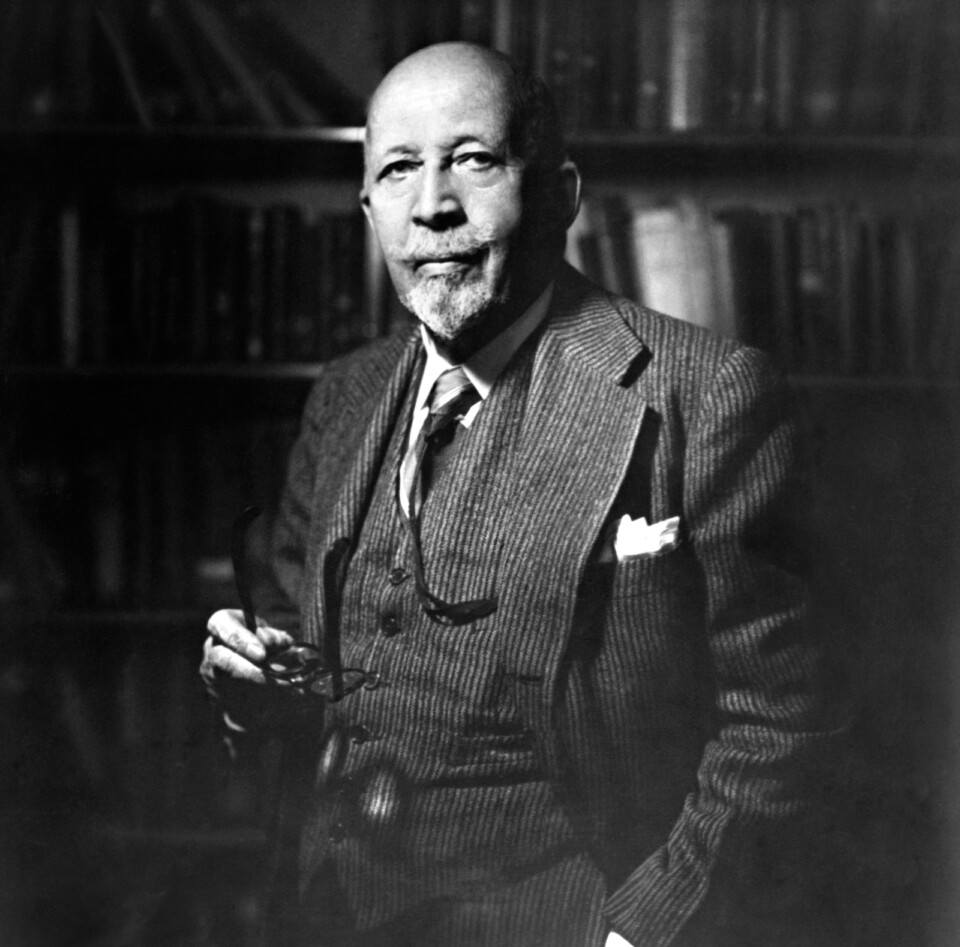
Before data journalism, before urban sociology was a thing, before anyone talked about “evidence-based reporting,” W.E.B. Du Bois came to Philadelphia and changed how America studied itself. Hired by the University of Pennsylvania, the young scholar — later a founder of the NAACP and one of the most influential Black intellectuals ever — spent 15 months walking the Seventh Ward (which ran from Spruce Street to South, and from 7th Street to the Schuylkill River). He and a lone assistant knocked on doors, pored over records, and interviewed roughly 5,000 Black Philadelphians to learn about their lives and then share it with the world in his seminal study, The Philadelphia Negro.
Published in 1899, the book was revolutionary. At a time when racist pseudoscience blamed Black Americans for poverty and social problems, Du Bois countered with something radical: facts. He mapped housing, employment, family life, education, health, discrimination, and community institutions with astonishing rigor — but also with humanity, insisting that the forces shaping Black life were not racial inferiority but segregation, exclusion, and unequal opportunity.
The book is widely considered the first major sociological study of an urban Black community and a foundational text of modern social science. Its reception was mixed; it was praised by some scholars but pretty much ignored by institutions uncomfortable with its conclusions. But history caught up. Today, The Philadelphia Negro stands as a landmark work proving that careful research can dismantle dangerous myths — and that Philadelphia helped launch a new way of understanding race, cities, and America itself.
4. CAR-T Cell Therapy
Photograph by Steve Gschmeissner/Science Photo Library
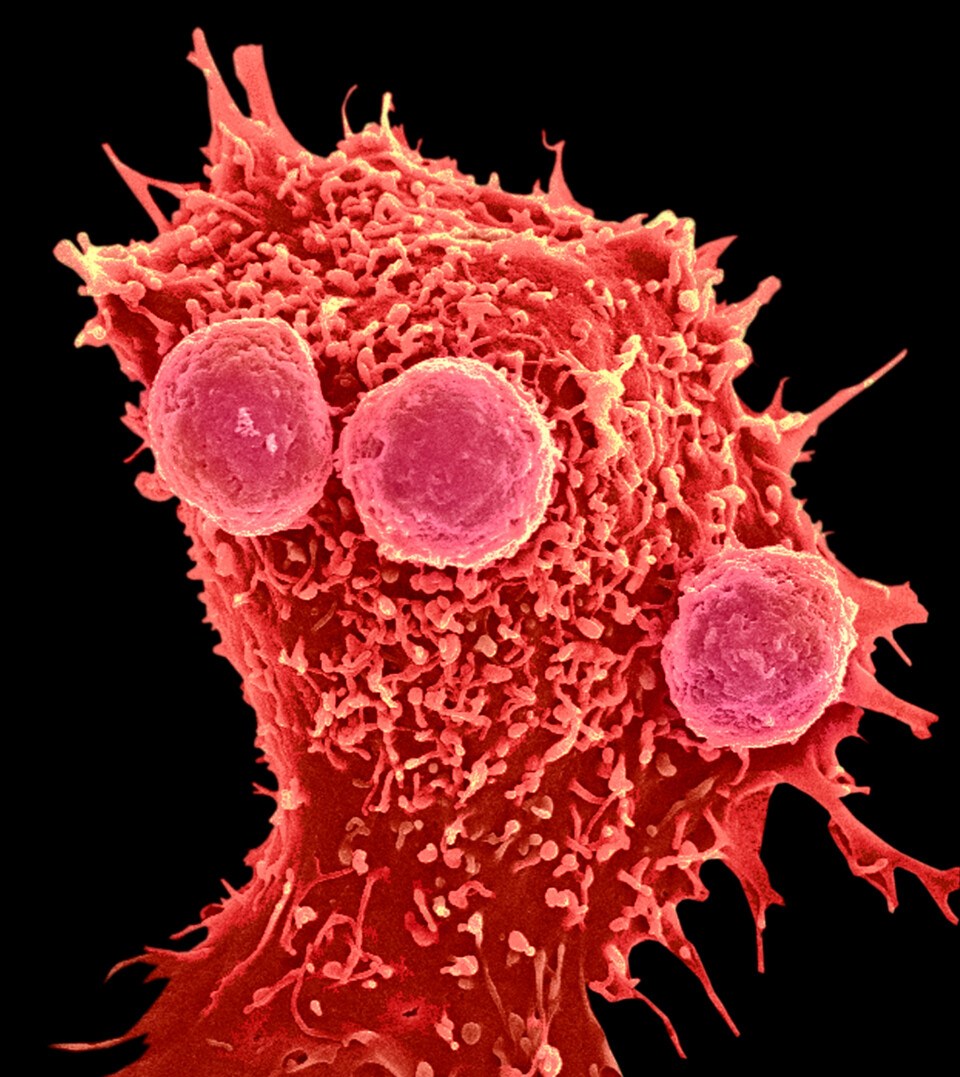
Perhaps no discovery in modern medicine has elicited more hope — truly founded hope — than CAR-T cells, which are a patient’s own immune cells that have been genetically altered in a lab to find and destroy cancer cells. In the past decade, CAR-T cell therapy has beaten into remission leukemia and lymphoma in thousands of patients around the world. Versions of the treatment are now healing patients afflicted with lupus, multiple sclerosis, and HIV in clinical trials. There’s even new hype about CAR-T being a potential universal cure for tumors.
None of this remarkable headway in helping people overcome some of the world’s most dreaded diseases would be possible without the unwavering belief and over three decades of work from a team of Penn researchers who never gave up on a revolutionary idea: What if humans already have the cure to cancer inside us? More specifically, what if we could puppeteer a person’s T cells — the highly replicable white blood cells that power the immune system — to attack a deadly disease?
We know the answer is yes, thanks to now-renowned Penn immunology researcher Carl June and his colleagues, who patented the use of CAR-T cells (which June has dubbed the “serial killers” of cancer) while inspiring a generation of cancer researchers to follow in their footsteps. Because of them, people once expected to die are instead growing old, making plans, and creating family trees that might never have existed if not for this radical Philadelphia idea.
3. The Research That Beat COVID

Photograph via PhotoEdit / Alamy Stock Photo
The speed with which we went from the global outbreak of COVID-19 (when nearly three million people died worldwide in the first year alone) to a viable vaccine owes much to a breakthrough by Penn scientists Katalin Karikó and Drew Weissman. It was their research on mRNA therapies that paved the way to the shot that continues to ward off coronavirus’s worst, most deadly effects. Not only did they win the 2023 Nobel Prize in Medicine for work that helped stop the deadly pandemic, but more researchers are now working on using mRNA technology to treat cancer, cystic fibrosis, and heart failure, and to protect against everything from severe peanut allergies to HIV. “We need to encourage our children, our grandchildren, our neighbors, everybody, that science is what moves the world forward,” said Weissman when he and Karikó won the Nobel Prize. “That’s why it’s important and needs to be supported.”
2. ENIAC
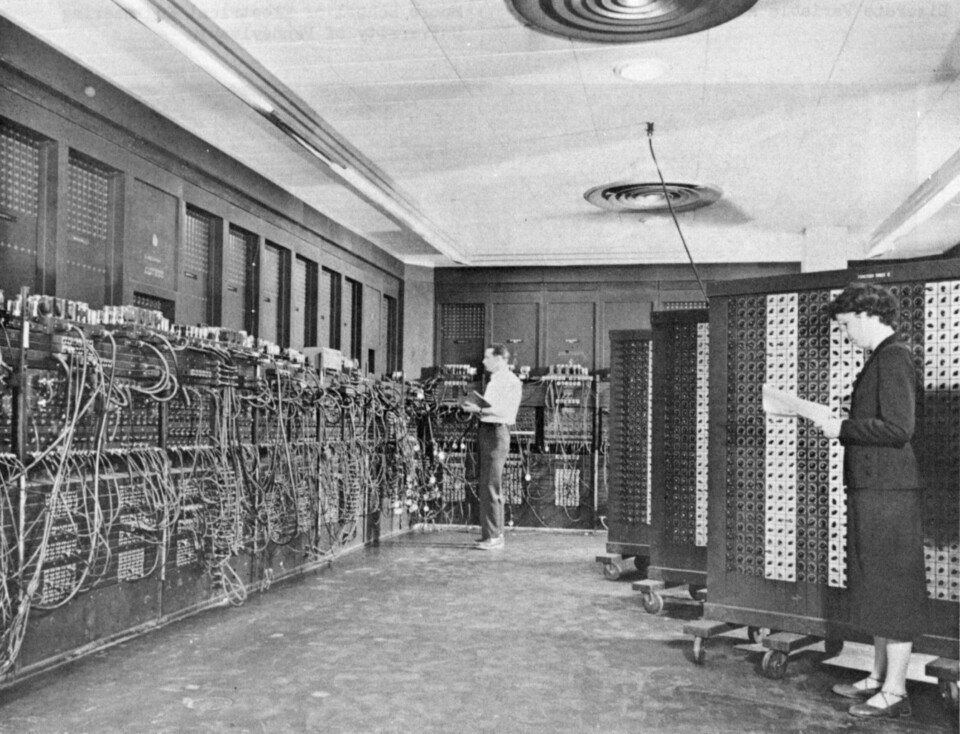
Photograph via University Archives, University of Pennsylvania
Developed in secret during World War II at the University of Pennsylvania’s Moore School of Electrical Engineering, ENIAC — short for Electronic Numerical Integrator and Computer — became the world’s first large-scale, general-purpose electronic computer. Officially unveiled in 1946, the machine filled a room the size of a small gymnasium, weighed roughly 30 tons, and contained nearly 18,000 vacuum tubes. Yet despite its hulking appearance, ENIAC performed calculations thousands of times faster than any machine before it, ushering in the dawn of the digital age.
Designed by engineers J. Presper Eckert and John Mauchly, ENIAC was originally built to calculate artillery firing tables for the U.S. Army. Its impact quickly expanded far beyond military use. ENIAC demonstrated that electronic computers could solve complex scientific and mathematical problems at unprecedented speed, laying the foundation for everything from space exploration to modern finance, medicine, and artificial intelligence.
Philadelphia’s role in the birth of computing is often overshadowed by Silicon Valley, but the digital revolution started here — in a West Philadelphia laboratory where a machine of wires, switches, and blinking lights changed the world forever.
Note: This entry was written by ChatGPT in less than six seconds. Good lord, what ENIAC began …
1. Thomas Paine
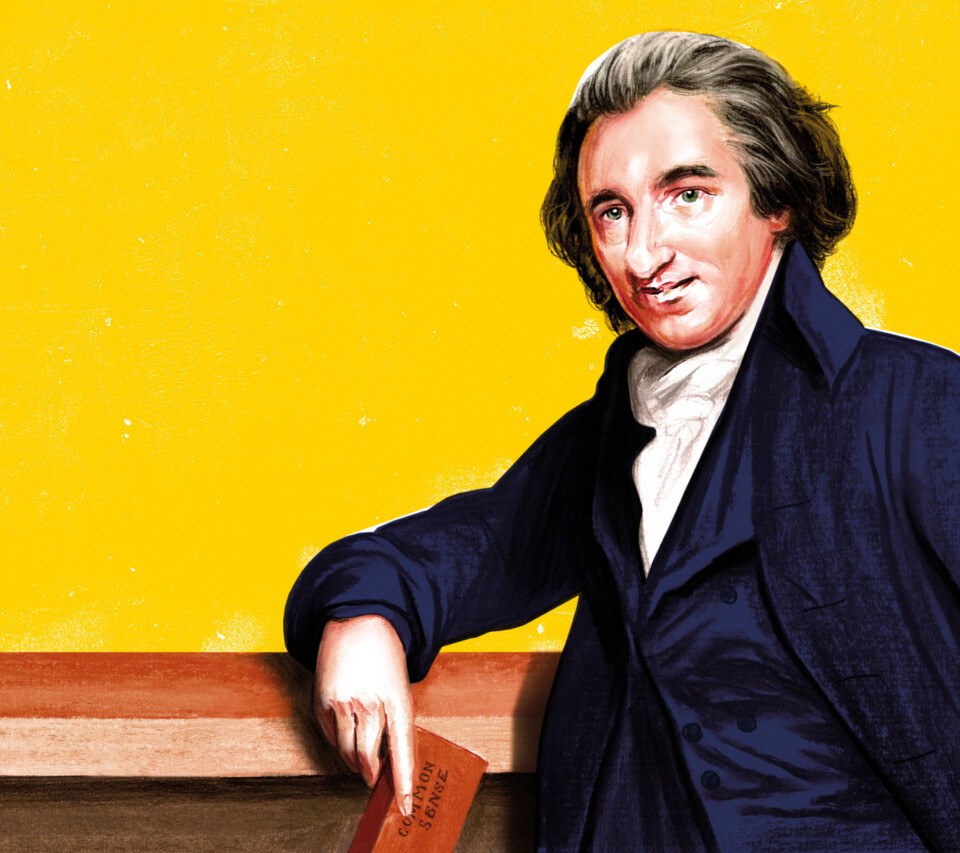
Thomas Paine / Illustration by Diego Mallo
He came. He wrote. And nothing was ever the same again. Keep reading …
Edited by Ronnie Polaneczky
Research and writing by Shaunice Ajiwe, Laura Brzyski, Malcolm Burnley, Courtney DuChene, Victor Fiorillo, Sandy Hingston, Olivia Kram, Christine Speer Lejeune, Tom McGrath, Kae Lani Palmisano, Bradford Pearson, Larry Platt, Richard Rys, Kristen Schott, Roxanne Patel Shepelavy, Liz Spikol, Don Steinberg, Laura Swartz, and Janine White
With special thanks for input from Rebecca Fisher, co-founder of Beyond the Bell Tours; Sam Katz, executive producer of History Making Productions; Kathryn Ott Lovell, president and CEO of the Philadelphia Visitor Center and Philadelphia 250; Randall Miller, PhD, history professor emeritus at St. Joseph’s University; and Tayyib Smith, founding partner of The Growth Collective.
Published as “76 Other Ways Philly Changed the World” in the July 2026 issue of Philadelphia magazine.