5 Common Dental Complaints — and How to Solve Them
Philly experts talk you through the tough stuff.
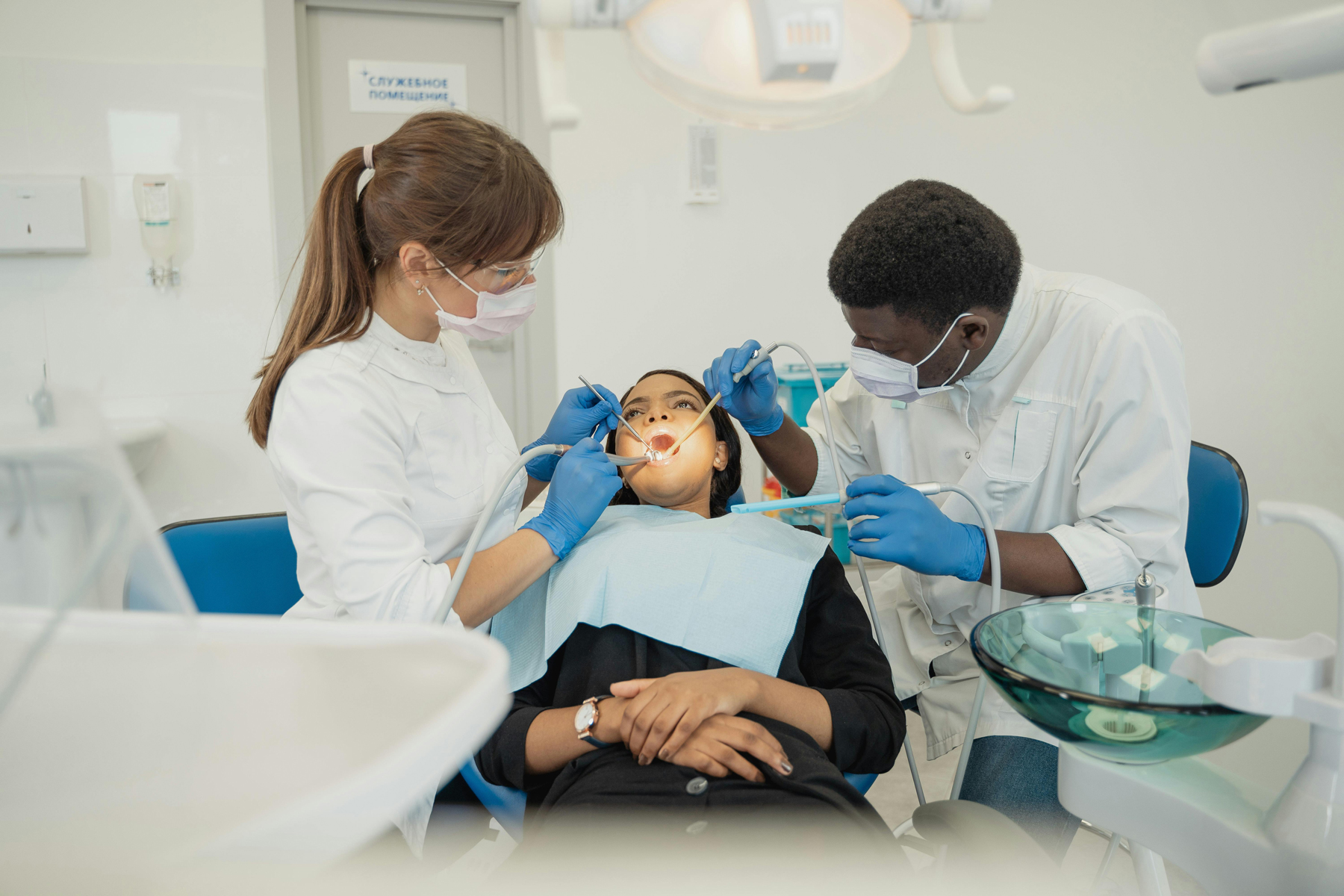
Philly experts solve five common dental complaints.
If you’re anything like us, then you have a long list of complaints about going to the dentist — it’s long enough to keep you away, well, forever. But it shouldn’t: A healthy mouth, gums, and teeth are vital to your overall well-being, and should be kept in tip-top shape. So we chatted with some Philly dental experts to help you find solutions and keep you smiling too.
You can’t afford it.
Cleanings in PA average out at $198 a session. (And that’s just a cleaning!) But rather than put off care, suggests Andrea Cronin, owner of Rittenhouse Smiles, talk to your dentist. If you’re not insured, “ask if they offer an in-office dental-care discount plan, which can reduce the cost by 15 percent.” If you are insured? Ask the office to submit a pre-estimate claim, to see what the out-of-pocket costs will be before agreeing to treatment. Or check online databases, like FAIR Health Consumer, to make sure you’re getting a good price.
Another route? Penn Dental Medicine, which offers free and low-cost treatments (from cleanings to braces) from students. (Faculty supervise all treatments, of course.)
You feel upsold.
It happens all the time: You’re sitting in the chair and your dentist recommends a treatment — cavity fillings, quadrant scaling, sealants, gum grafting, you name it — and you’re not sure if it’s sound advice or just good business. Your doc should be able to explain the need for whatever’s being suggested, says Harshil Boghara, CEO of Smile Culture Dental in Fairless Hills. “You should feel 100 percent sure of what you’re getting.” Or go get a second opinion — a lot of places will do them for free, he adds. You can also ask about lower-cost alternative treatments, or whether a procedure is urgent or can wait.
You’re terrified.
Some 73 percent of Americans report feeling dental anxiety, per a 2025 NYU College of Dentistry study. Here’s what can help: First, sedation, which can do everything from calming you down to putting you to sleep. If that’s not your thing, call and talk through your concerns beforehand, says Cronin. (Her Rittenhouse practice offers noise-canceling headphones so patients can listen to music, audiobooks, or podcasts to help ease their fears.) “The more we know about your inner fears, the more we can address them and support you. A great patient–dentist relationship is key.”
You’re in pain.
If you feel like you’re stepping into the dentist’s office from Little Shop of Horrors, there’s no need to suffer in silence, says Josh Alter of CMB Family Dentistry in Broomall. Speak up if something hurts — or just find a new dentist. “Talk to friends, neighbors — sometimes Facebook groups are good — to poll and ask questions about dentists who have a gentle touch,” he says. “Google reviews are also a really good way to see what people have been saying about other docs.”
You gag.
Teeth cleanings can stimulate parts of the tongue, soft palate, uvula, or tonsils, causing some of us to, well, gag. Cronin says you should let your dentist know ahead of time if you have a sensitive gag reflex. They can come up with strategies to manage it, including positioning the chair so it’s more upright. Digital imaging systems have also reduced the need for some procedures — like making impressions of your mouth using a gel — that tend to trigger gagging. “The brain is incredible,” says Cronin. “I’ve been able to help patients by redirecting their thoughts from the gag reflex by asking them to respond to my voice with movements to questions I’ve asked.”
>> Click here to return to The Philadelphian’s Ultimate Dentist Survival Guide
Published as “Smile! We Got You” in the March 2026 issue of Philadelphia magazine.