

What Money-Smart Parents Teach Their Kids
Does your teen have their first summer job? Now’s the time to set them up for success.

Teach kids financial literacy skills early
Listen to the audio edition here:
With schools winding down and summer kicking into high gear, we’re about to witness another wave of that timeless rite of passage: teens diving into their first jobs. Here in Pennsylvania, teens need only be 14 to get their official working papers — which means a whole new crop of high schoolers will be scooping your ice cream down the shore, carrying your clubs on the course, and tending to your kids at camp.
If your teen is among this year’s crew of seasonal workers, now is the time to talk to them about making smart money moves. Here, local experts share the advice all parents need.
Go from taboo to transparent.
For generations, talking candidly about money was thought to be gauche, inappropriate. “We live in a society where, oftentimes, we don’t talk about money,” says Andrew T. Hill, assistant vice president of economic education at the Federal Reserve Bank of Philadelphia. “But we should all be encouraging real-world conversations about it.”
Pennsylvania public high schools will soon be required to provide students with a half-semester course in personal finance — but, until that’s implemented, says Shari Kruzinski, executive vice president and chief consumer banking officer for WSFS Bank (and, conveniently a parent to a teen), you’re a much better source of information than the alternative: “Otherwise, they’re likely to learn from TikTok.” Kruzinski encourages parents to share real-life examples of what they’ve done to be successful, and mistakes that they’ve made along the way.
That said: Teach your child that as honest as your family may be about money at home, they should never share their banking information — their pin number, their ATM or debit card, or their account info — with anyone. Ever.

Outsource.
As forthcoming as you’ll want to be with your kids, you can’t know everything about money. That’s why it’s important to bring your teen to a bank. “We know that people who have access to banking services will, in the long run, live stronger financial lives,” Hill says. Kruzinski strongly encourages parents to take their child to a bank to physically open an account. “Let them sit there with a banker, and resist the urge to speak for your child. Let them be the person the banker is speaking to and engaging with throughout that interaction.” Sure, our kids know their phones and apps better than we do — but, says, Kruzinski, “they don’t know what that experience is like to walk into a bank, sit down with a professional, and learn about the responsibility that comes with having that first job and first bank account.” Bankers are trained to teach young people about managing their account wisely, saving, and the risks associated with money. “Hearing about overdraft fees can be a total wake-up call,” Kruzinski adds.
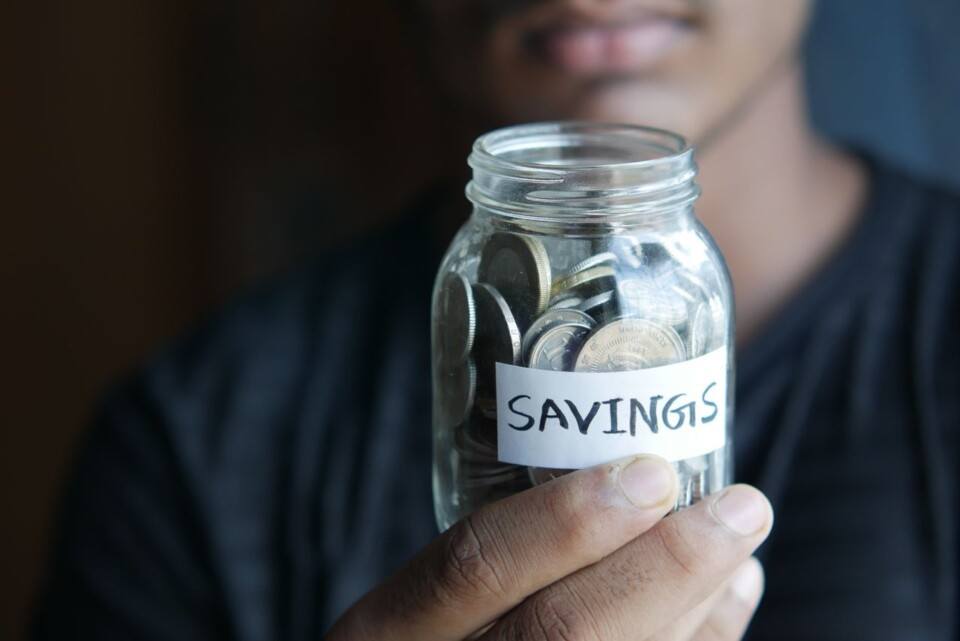
Photograph by Towfiqu Barbhuiya
Explain compound interest.
If you ever took even the most basic econ class, surely you can picture the classic compound interest graph; so Google “compound interest chart” and show your kids how dramatically their money can work for them, just by putting it in a savings account and not touching it. Philadelphia City Controller Christy Brady, who’s also a parent of two college students and one high schooler, believes time is the best gift young people have on their side when it comes to money. “Time is one of the greatest financial assets — not money, but time,” she says. “The earlier young people learn to save and plan, the more opportunities and more freedom they can create for themselves in the future.” Showing your teen a compound interest chart is a clear-cut, visual way to drive home that their money won’t earn anything when it’s just smushed inside their wallet or sitting in a pile in their room.
Do a little Psych 101.
“We know more today than we once did about the nature of the teen brain,” says Hill, referring to younger brains’ failure to consistently think through consequences. “You really need to have conversations with kids about their priorities and decision-making. They need to know about concepts like opportunity costs and scarcity, that we give things up when we make a choice.” Kruzinski says it’s also helpful to have conversations about delayed gratification, particularly in this era where we can buy things with a tap and a swipe, without necessarily thinking about the physical money behind each of those transactions: “Kids need to be having ongoing conversations about trade-offs. If they spend all of their money this summer, they’re not going to have it during the school year.”
Kruzinski’s advice: Put 30 percent of whatever your paycheck is in savings. “Teens don’t have mortgages or monthly payments yet. They can start that savings habit now, and it can become like any other habit. Once you put it in place, it can stick through life.”

Go old-school.
As tech-forward as our financial world has become, it’s important to show kids how tools like checks work — including how to read their first paycheck. Many kids are surprised to see some of their money going to the government for taxes. “That always seems to be a shocker for teens,” Hill says.
One great way to teach kids about money: Take them to the brand-new, free “Money in Motion” exhibit in the lobby of the Federal Reserve Bank of Philadelphia (open Monday through Friday, 9:30 a.m. to 4:30 p.m.; enter on 6th Street, across from the National Constitution Center). It features 400 pieces of coin and paper money, some of which hasn’t been on display for more than 20 years. The collection includes a $100,000 bill — the largest bill ever printed in the U.S. — as well as two of the very first quarters from 1796, when only 6,200 were minted. There’s a room with 138 pieces of paper currency, dating back to 1776! There are also interactive games, tons of information, and displays about the first- and second-ever banks in the U.S. (which were in Old City).
Caution them against scams.
Financial scams abound, and teens are uniquely targeted – lured by fraudsters with promises that, for example, they can create a side hustle as an influencer if only they send some money to get started, and so on. So warn your teens about the dangers of online scams. And as independent as you are raising them to be, remind them that they can always talk to you or a banking expert with any questions.
Psst: If your conversations go well, maybe — if you’re lucky — your teen will be the one treating you the next time you two hit Starbucks.
This piece is part of a multi-year editorial series sponsored by WSFS Bank and Bryn Mawr Trust.

Have a financial topic you’d like to know more about? Submit your question here and we’ll do our best to answer it.