

This expert is paving the way in breast cancer detection, prevention and treatment.
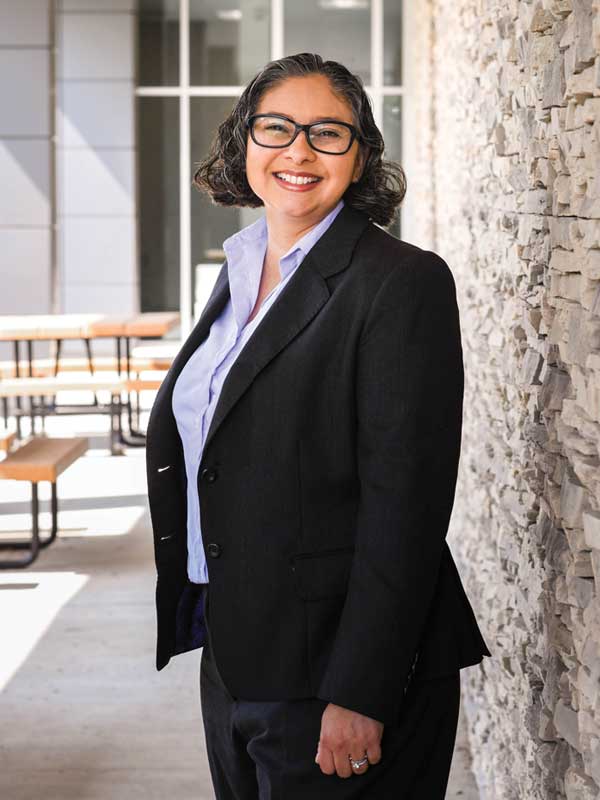
Medical Director of Breast Program and Chief of Breast Surgery
Crozer Health
What drew you to breast surgical oncology as a specialty? The patients and the team-based approach. There is something truly rewarding about being with patients from their diagnosis to their survivorship years. It is a journey we take together. I found my calling into breast surgical oncology when I realized I spent my few free hours during training working with breast cancer patients and performing breast cancer research. After that, this has always been a passion and not a job. Growing up playing soccer and eventually becoming the inaugural goal-keeper for the University of Nevada, Reno division one women’s soccer team, teamwork has always played an important role in my life. Breast cancer treatment is a team approach. I am fortunate to have found a career that combines my passion for patients and my love of teamwork.
What role do cosmetics play in your surgical practice? Cosmetic outcomes are
very important. I have been Hidden Scar Certified since 2016. This means I plan my incisions for lumpectomies and nipple sparing mastectomies in locations that are not easily seen. In addition, I work closely with plastic reconstructive surgeons to offer a variety of procedures, like oncoplastic reductions (removing the cancer and performing a breast lift/ reduction) and immediate reconstruction with implants or body tissue. My goal is to provide the best cancer care while still providing the best cosmetic outcome. While patients may focus on the cancer surgery, my role is to think about both the present cancer surgery and the future cosmetic outcome. I work with patients to discuss their goals and priorities, so that we make the best decision together.
Are there any exciting updates happening in the Crozer Health Breast Program? Wireless localization technology and minimizing axillary surgery are newer offerings. Traditionally, lesions that could not be felt had to have a needle and wire inserted into the breast on the morning of surgery, which can make for a long and possibly uncomfortable day. Now we can place small clips from the time of biopsy to the morning of surgery, which are unnoticeable and make surgery more convenient and comfortable.
One of the biggest concerns patients have is about lymphedema, or chronic arm swelling after lymph node surgery. Thanks to medical advances, we have been able to decrease the amount of lymph node surgery we perform, from no surgery to sampling to removal of the affected lymph nodes with sampling. Some of this has been enhanced with the wireless localizations. The best outcome comes from evaluating each patient individually and providing personalized care.