


A Cancer Diagnosis She Never Expected—and the Philly Team That Helped Her Through It

Most people don’t expect to face cancer in their 20s or 30s. But when a diagnosis comes at 31 instead of 61, it can collide with a completely different set of milestones—finishing school, building a career, dating, getting married, starting a family, becoming financially independent, or caring for young children.
That makes the growing concern around cancers—particularly breast cancer, colorectal cancer, lymphoma, melanoma, and sarcoma diagnoses among young adults especially significant. For some, like 31-year-old Marleni Garcia, a cancer diagnosis not only interrupts their health, but also the future they’re actively trying to build.
“My lymphoma diagnosis was just eight days after my birthday,” says Marleni. “I was in college pursuing my education degree.”
While she had been experiencing pain in her neck and shoulder for months, it was when she started experiencing shortness of breath that she turned to Temple Health.
“[The pain was] especially bad at night when I was sleeping,” she notes. “I would wake up constantly having to move my arm around. The pain radiated throughout my chest, and when I couldn’t breathe anymore, I decided to go get checked out.”
Cancer was the last thing she expected to hear.
“When they did my bloodwork, they noticed something abnormal, so they decided to do chest X-rays, and that’s where they found the tumor,” she remembers. “The tumor was just pressing against my lungs, closing my airways, tugging at my ligaments–which is what was causing the neck and shoulder pain.”
Marleni was connected with a Hematologist to start treatment. As part of her care, she was also connected with Fox Chase Cancer Center’s Young Adult Cancer Program, a specialized program for adults 18-39 years old.
While Marleni does not have a family history of cancer, her tumor and blood cancer diagnosis changed her perspective on the importance of paying attention to persistent changes in your body and advocating for answers.
“We shouldn’t push cancer out there to scare anyone, but rather to make them aware that if you’re experiencing chronic pain–if you do things to alleviate the pain and it won’t go away, it keeps getting stronger–you should go see a professional.”
Increasing Diagnoses Call for a Different Approach to Care
Experiences like Marleni’s demonstrate why caring for younger patients requires doctors to look beyond the cancer itself.
One aspect of that care starts at the very beginning: recognizing symptoms and getting patients to the right specialists sooner.
“We’re seeing this shift in diagnoses among young adults ages 18 to 39, who are not captured through routine standard screening modalities,” says Dr. Christopher Cann, assistant professor in the Department of Hematology/Oncology and director of Fox Chase Cancer Center’s Young Adult Cancer Program.
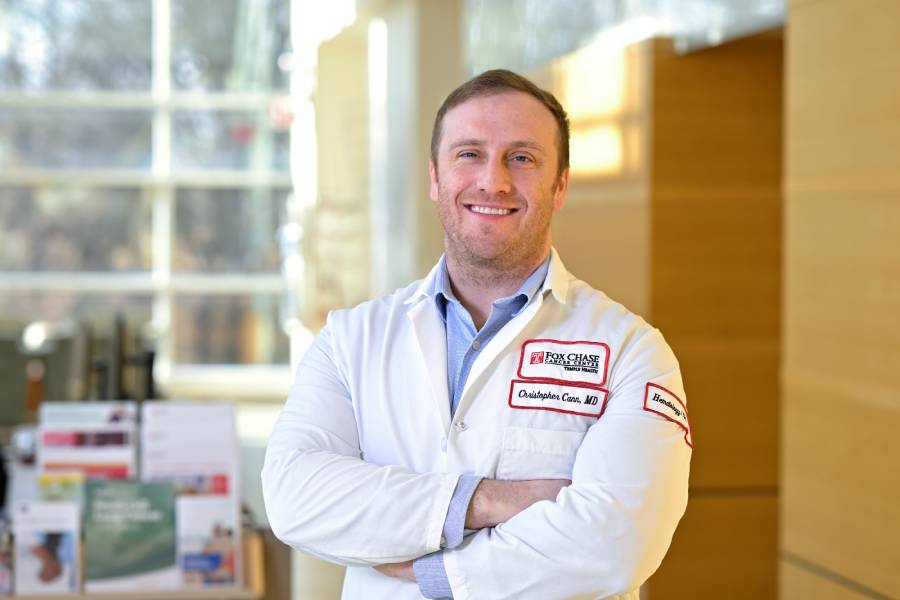
“One of the biggest priorities, beyond offering these different levels of support [to young adults], is trying to raise awareness,” Dr. Cann says. “And that means reaching not only patients, but also providers, including physicians and APPs alike.”
Awareness can help providers recognize concerning symptoms and pursue appropriate testing sooner, which is especially helpful since many younger adults fall outside of routine screening guidelines for certain cancers.
In colon cancer, Dr. Cann notes that recent research shows up to two-thirds of young adult patients see two or more providers for their symptoms before receiving a diagnosis of cancer.
Rather than expecting young adults to determine which resources they can benefit from and how to access them all while attempting to balance work/education, family responsibilities, and their cancer treatment, the Young Adult Cancer Program helps connect these different aspects of their care for them. Depending on the individual, that could mean coordinating oncology care with fertility preservation, psychosocial support, financial guidance, survivorship resources, or clinical trials.
Specialized Care Tailored to Each Person
Cancer treatment can suddenly introduce complicated questions about planning for their future.
“Our biggest goal is to create an expedited referral process to ensure patients can get the individualized support they need as quickly as possible,” Dr. Cann says.
Those referrals are based on each patient’s unique circumstances, and as their needs change over the course of treatment, the program remains a resource throughout their entire journey.
“We know from national evidence that when young adult patients’ needs are not recognized and addressed, they are less likely to stay engaged in follow-up care – and that can affect cancer outcomes and overall survival,” says Dr. Daniel Stapor, assistant professor at the Fox Chase Blood Cancer and Cellular Therapy Institute and the young adult program’s director of hematologic malignancies. “As we develop our program, our goal is to support the whole young adult patient, including the social, career, family, and life-stage challenges that can come with a cancer diagnosis.
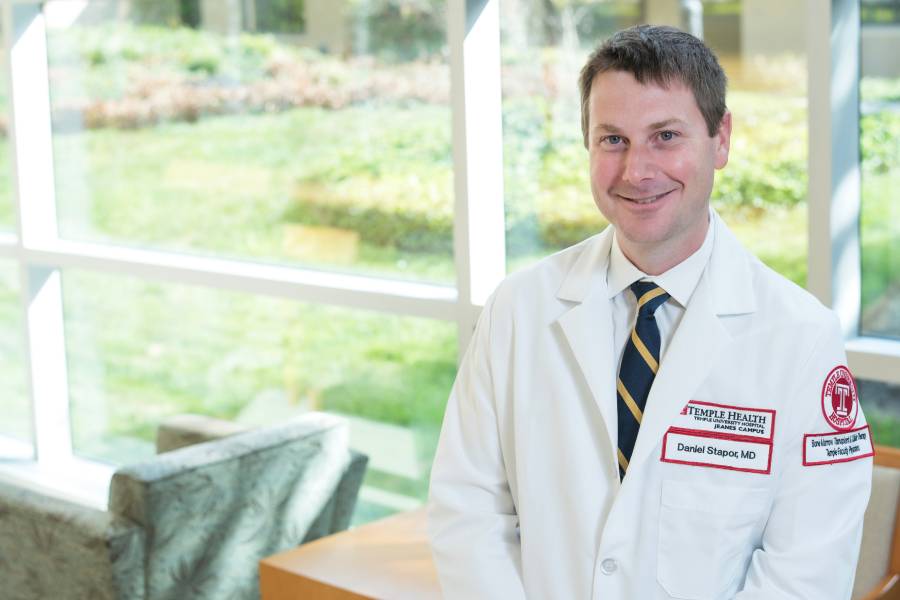
What makes the Young Adult Cancer Program so unique is its ability to prompt important conversations that need to happen before treatment even begins; a main concern is a patient’s future fertility potential and how treatment can impact that.
Fox Chase’s oncofertility team helps young adults understand what preservation options may be available and what financial resources can help. The team aims to contact patients within 48 hours of referral and, when appropriate, connect them with a fertility preservation specialist near home.
Additionally, the Young Adult Cancer Program helps patients navigate sexual health and relationships, emotional well-being, work or school, finances, family responsibilities, and survivorship. The goal is to connect each patient with the resources that best fit their individual needs and evolve with them through treatment. And, since the program is part of Fox Chase’s comprehensive cancer center, patients have access to disease-specific experts and clinical trials when appropriate.
Nationally, young adults account for only a small percentage of clinical trial enrollment at comprehensive cancer centers. One of the Young Adult Cancer Program’s goals is to help close that gap while developing trials specifically for young adult patients.
The program’s level of dedication and connectedness was essential for Marleni as she underwent chemotherapy and continues as a survivor today. She’s now eight months in remission.
“The doctors and nurses answered every question I had and addressed every concern,” she recalls. “I appreciate them so much.”
But one moment, in particular, stuck with her.
“When I left the hospital the very next day, I received a call from Dr. Stapor just checking up on me. That meant so much to me.”
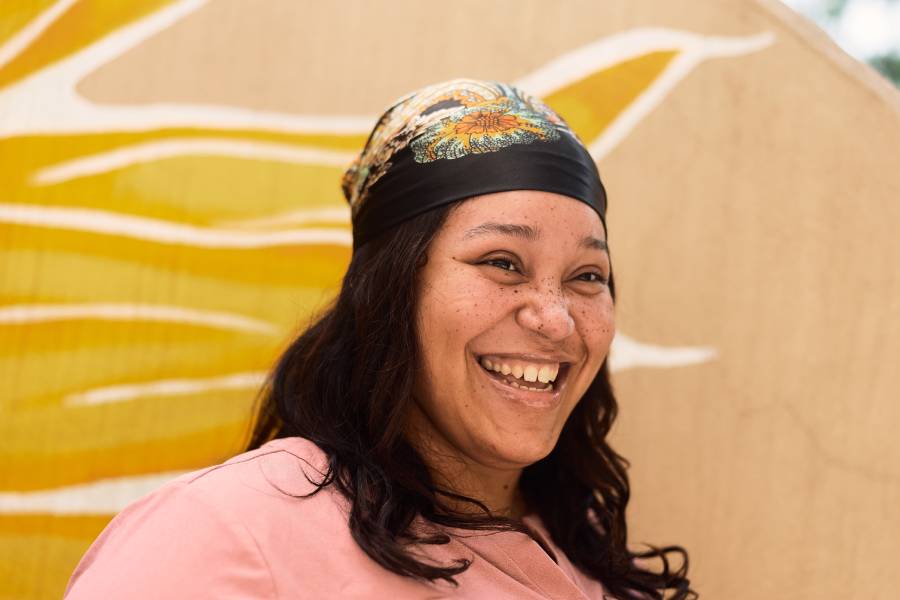
“We want to create a better overall cancer journey for each of these patients,” says Dr. Stapor. “That looks different for every person, but our goal is to make sure each patient is connected with the right members of our team and the support they need during treatment, after treatment, and throughout the next stages of their life.”
To learn more about Fox Chase Cancer Center’s Young Adult Cancer Program, visit FoxChase.org/support/young-adult.
This is a paid partnership between Fox Chase Cancer Center and Philadelphia Magazine

